Chemical Profiling and Multimodal Anti-Inflammatory Activity of Eugenia pyriformis Leaves Essential Oil
Larissa Saviani Ribeiro, Vitor Guimarães Lourenço, Kaique Gonçalves de Souza, Yasmin Cometti Sardinha, Kevin Costa Miranda, Francisco Paiva Machado, Rômulo Augusto de Abreu Franchini, Mariana Toledo Martins Pereira, Leandro Rocha, Vinicius D’Avila Bitencourt Pascoal

TL;DR
This study investigates the anti-inflammatory properties of essential oil from the leaves of the Brazilian plant Eugenia pyriformis, showing it can reduce inflammation through multiple mechanisms.
Contribution
The study provides new evidence for the anti-inflammatory activity of E. pyriformis essential oil through in vitro and in vivo models.
Findings
The essential oil contains sesquiterpene hydrocarbons like γ-muurolene and β-caryophyllene.
The oil reduced paw edema in animal models, suggesting anti-inflammatory effects.
It inhibited pro-inflammatory cytokine gene expression in macrophages.
Abstract
Eugenia pyriformis Cambess., popularly known as uvaia, is a native Brazilian species belonging to the Myrtaceae family that has attracted pharmacological interest due to its richness in bioactive secondary metabolites. Previous studies have reported antimicrobial and antioxidant activities of the essential oil obtained from its leaves, reinforcing its therapeutic potential. In this context, the present study aimed to extract and characterize the essential oil from E. pyriformis leaves cultivated in the mountainous region of Rio de Janeiro, Brazil, and to evaluate its anti-inflammatory potential through in vitro and in vivo models. Gas chromatography mass spectrometry (GC–MS) analysis revealed a predominance of sesquiterpene hydrocarbons, mainly γ-muurolene, δ-cadinene, and β-caryophyllene. The oil exhibited significant anti-edematogenic activity in carrageenan-, prostaglandin E2-, and…
Genes, proteins, chemicals, diseases, species, mutations and cell lines named across the full text — each resolved to its canonical identifier and authoritative record.
Click any figure to enlarge with its caption.
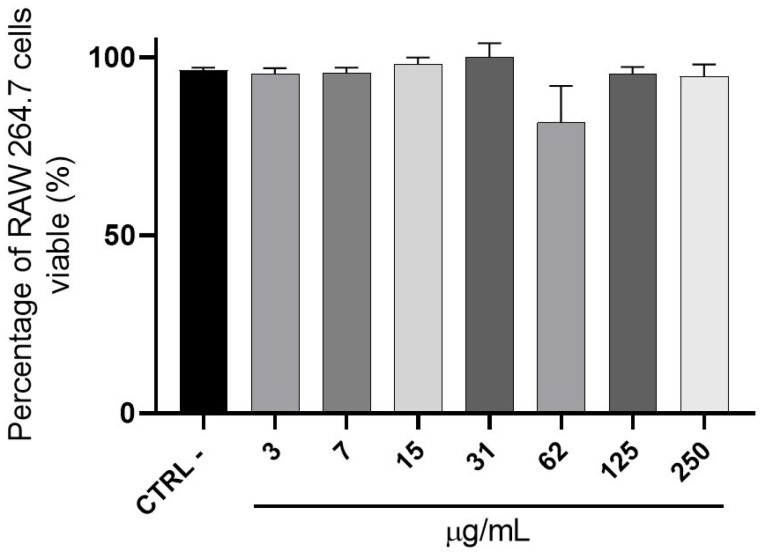 Figure 1
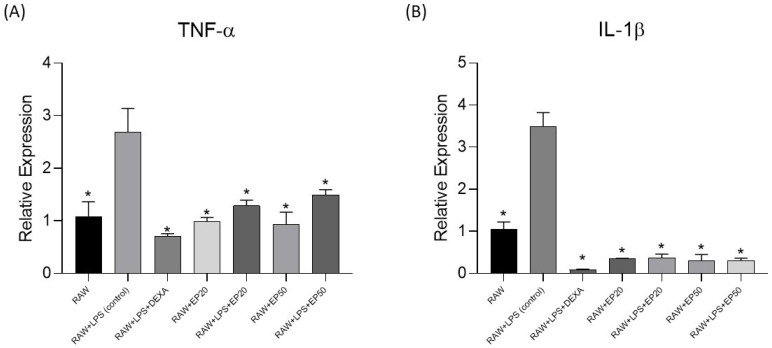 Figure 2
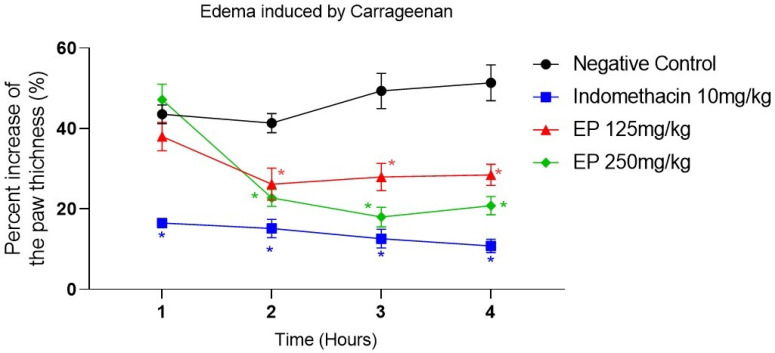 Figure 3
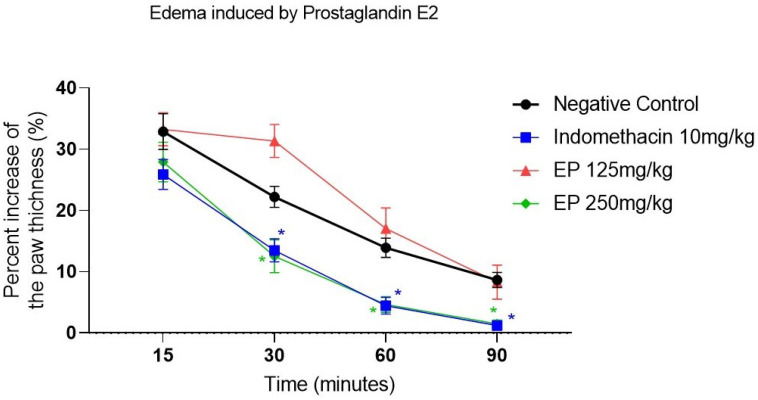 Figure 4
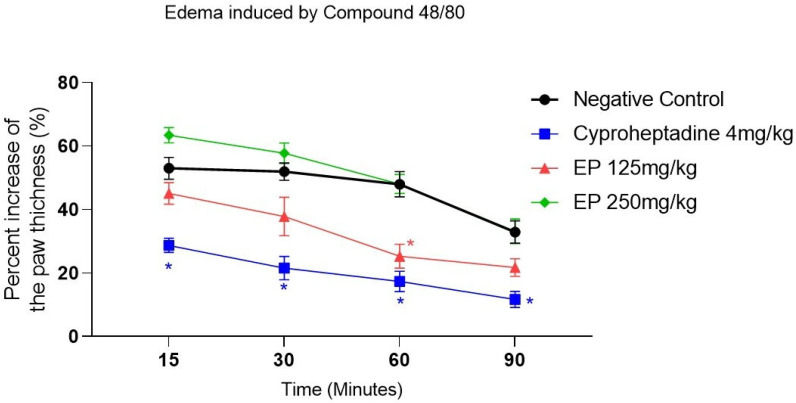 Figure 5
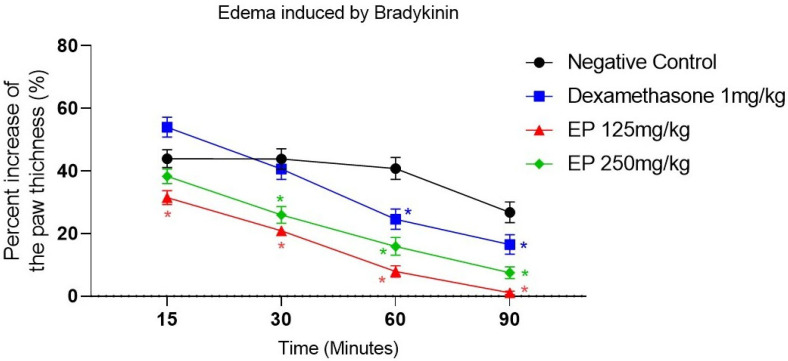 Figure 6
Peer Reviews
No public reviews on file for this paper yet. If you reviewed it on a platform where reviews are public (OpenReview, ICLR, NeurIPS, ICML), you can paste yours below so the community can read it here.
Videos
No videos yet. Explain this paper in a talk, walkthrough, or lecture? Add one.
Taxonomy
TopicsEssential Oils and Antimicrobial Activity · Sesquiterpenes and Asteraceae Studies · Phytochemistry Medicinal Plant Applications