Genomic Analysis of Paenarthrobacter sp. FR1 Reveals Its Marine-Adapted Pectin-Degrading System and Ecological Role in Carbon Cycling
Zulfira Anwar, Jixin Tao, Jing Lin, Yiran Cui, Hongcai Zhang, Xi Yu, Jiasong Fang, Junwei Cao

TL;DR
A new marine bacterium, Paenarthrobacter sp. FR1, was found to break down pectin, playing a role in carbon cycling and offering potential for industrial waste treatment.
Contribution
Discovery of a novel pectin-degrading Paenarthrobacter strain with a unique enzymatic system for marine carbon cycling.
Findings
Paenarthrobacter sp. FR1 possesses a rich set of CAZymes for pectin degradation.
The strain can target both HG and RG pectin domains using hydrolytic and oxidative pathways.
FR1 is a rare Paenarthrobacter isolate with innate pectinolytic capability.
Abstract
Microbial degradation of pectin is a fundamental process for the carbon cycle and a strategic approach for treating industrial residues. This study characterizes a novel marine bacterium, Paenarthrobacter sp. FR1, isolated from East China Sea intertidal sediment, which exhibits the ability to utilize pectin. Its draft genome (4.83 Mb, 62.92% GC content) is predicted to encode 4498 protein-coding genes. Genomic analysis revealed a rich repertoire of Carbohydrate-Active Enzymes (CAZymes) crucial for this process, including 108 glycoside hydrolases (GHs), 7 polysaccharide lyases (PLs), 35 carbohydrate esterases (CEs), and 11 auxiliary activities (AAs). Genomic analysis provides supportive evidence that FR1 may target both homogalacturonan (HG) and rhamnogalacturonan (RG) pectin domains, potentially through complementary hydrolytic and oxidative pathways. Phylogenomic analysis based on…
Genes, proteins, chemicals, diseases, species, mutations and cell lines named across the full text — each resolved to its canonical identifier and authoritative record.
Click any figure to enlarge with its caption.
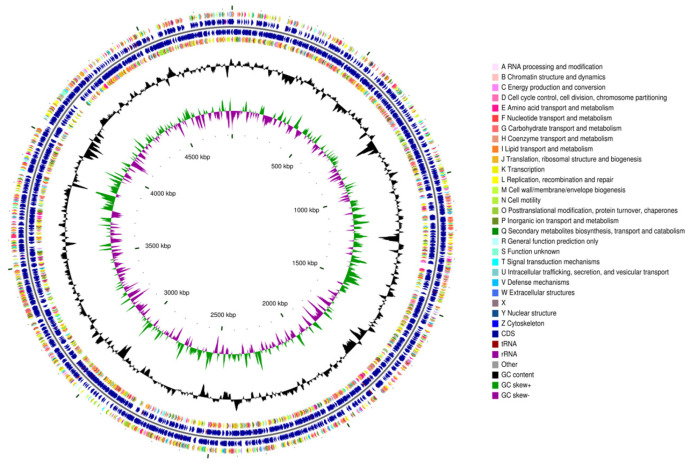 Figure 1
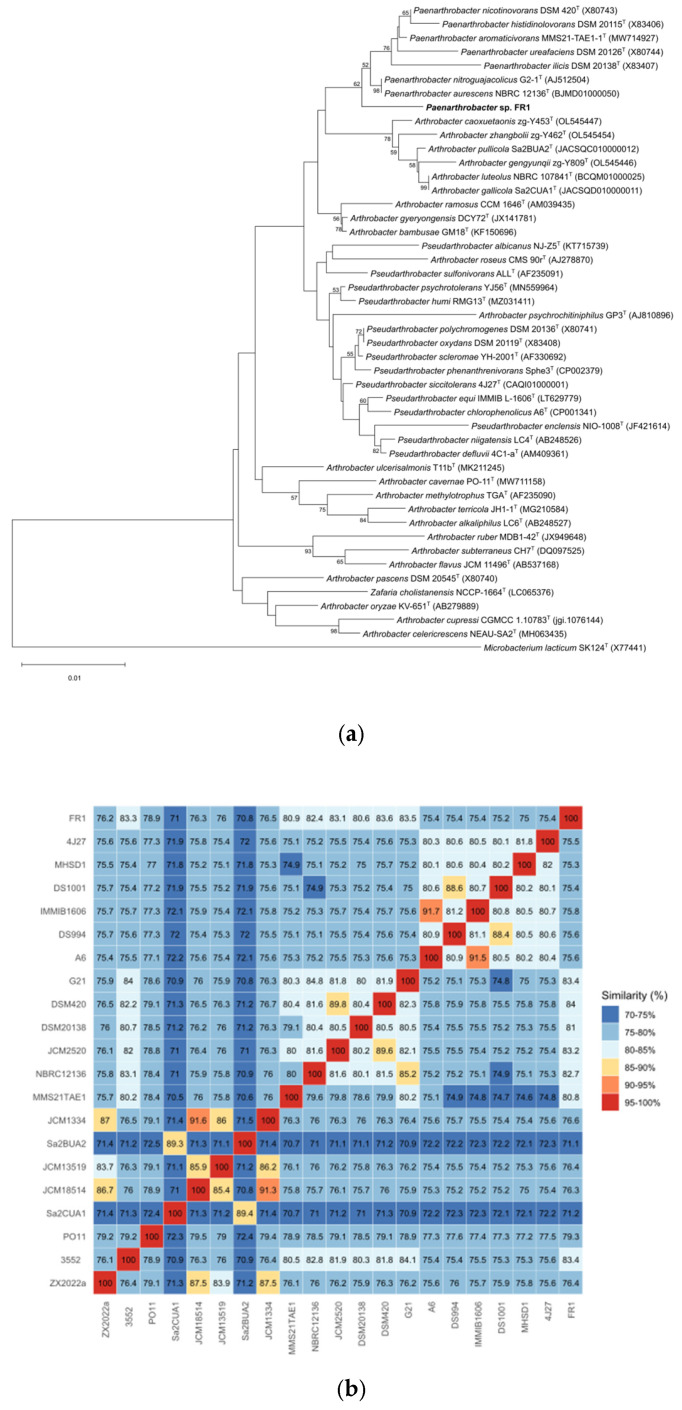 Figure 2
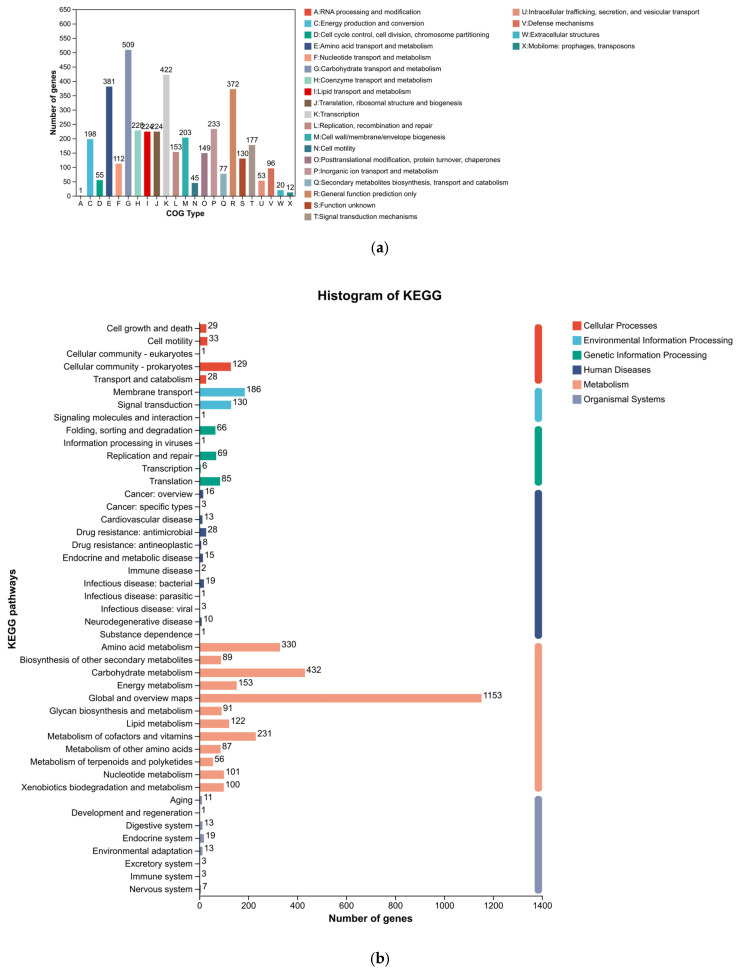 Figure 3
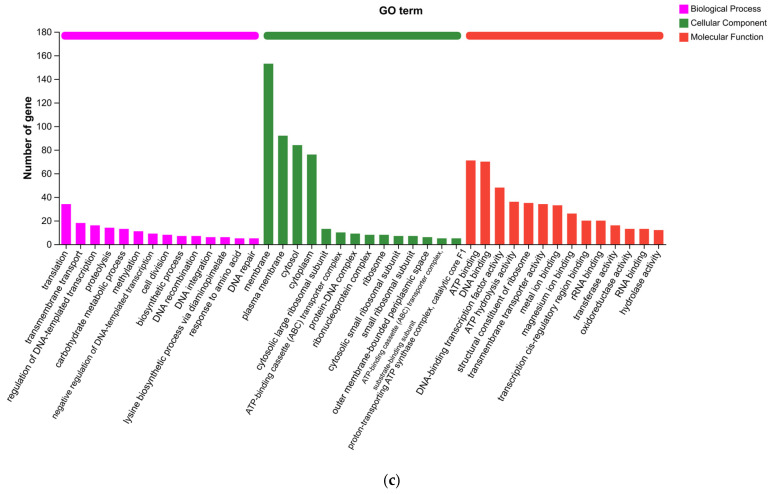 Figure 4
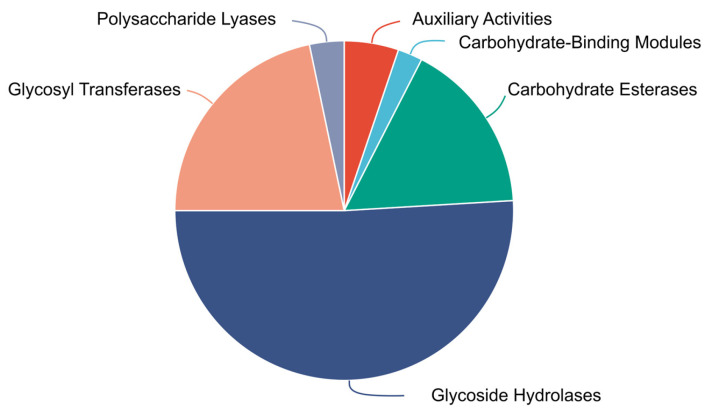 Figure 5
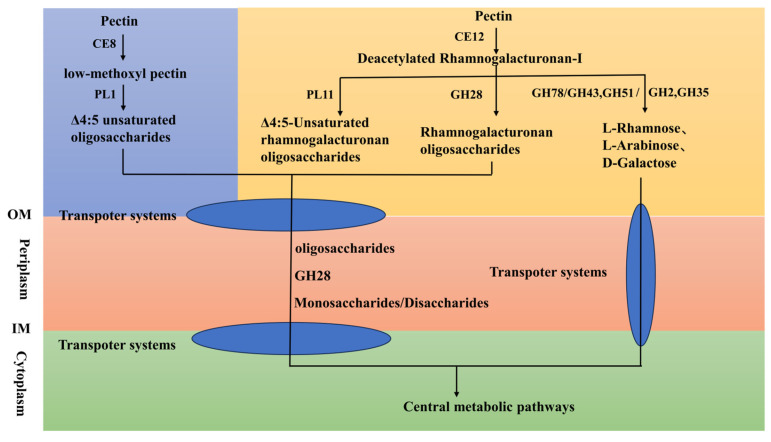 Figure 6
Peer Reviews
No public reviews on file for this paper yet. If you reviewed it on a platform where reviews are public (OpenReview, ICLR, NeurIPS, ICML), you can paste yours below so the community can read it here.
Videos
No videos yet. Explain this paper in a talk, walkthrough, or lecture? Add one.
Taxonomy
TopicsPolysaccharides and Plant Cell Walls · Seaweed-derived Bioactive Compounds · Polysaccharides Composition and Applications