An Electrical Equivalent Model of an Electromembrane Stack with Fouling Under Pulsed Operation
Pablo Yáñez, Hector Ramirez, Alvaro Gonzalez-Vogel

TL;DR
This paper presents a new hybrid model for electromembrane stacks that combines electrical and empirical fouling data to improve desalination predictions under pulsed operations.
Contribution
The novel hybrid model integrates electrical circuit parameters with an empirical fouling model for electromembrane stacks under pulsed operation.
Findings
The model achieves a prediction error of less than 10% in simulating membrane fouling during pulsed reversal operations.
The hybrid approach simplifies traditional modeling by combining electronic and electrochemical data into a single framework.
Calibration using correction factors improves the accuracy of electrical current signal predictions.
Abstract
This study introduces a novel hybrid model for an electromembrane stack, unifying an equivalent electrical circuit model incorporating specific resistance (RM,Rs) and capacitance (Cgs,Cdl) parameters with an empirical fouling model in a single framework. The model simplifies the traditional approach by serially connecting N (N=10) ion exchange membranes (anionic PC-SA and cationic PC-SK) and is validated using NaCl and Na2SO4 solutions in comparison with laboratory tests using various voltage signals, including direct current and electrically pulsed reversal operations at frequencies of 2000 and 4000 Hz. The model specifically accounts for the chemical stratification of the cell unit into bulk solution, diffusion, and Stern layers. We also included a calibration method using correction factors (αi) to fine-tune the electrical current signals induced by voltage stimulation. The empirical…
Genes, proteins, chemicals, diseases, species, mutations and cell lines named across the full text — each resolved to its canonical identifier and authoritative record.
Click any figure to enlarge with its caption.
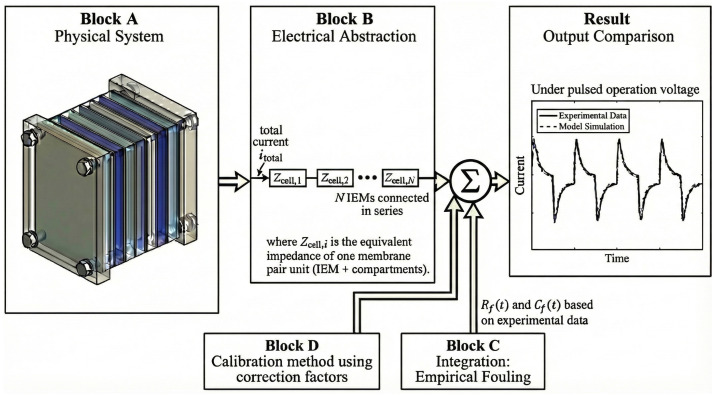 Figure 1
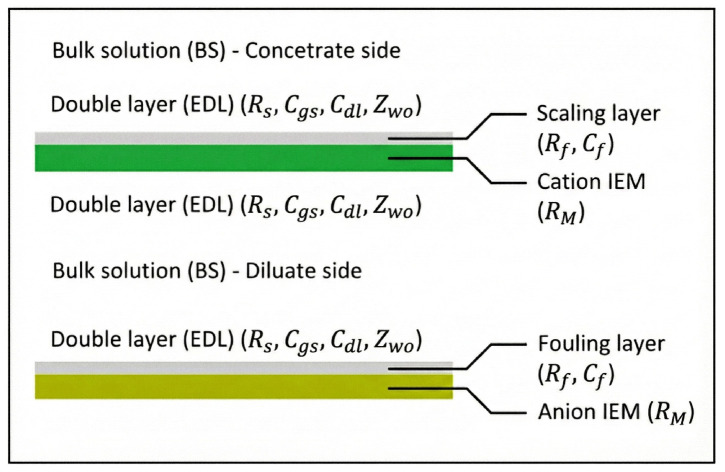 Figure 2
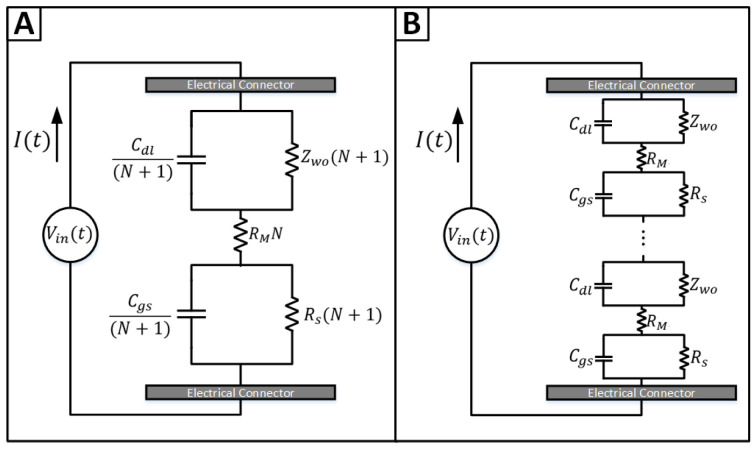 Figure 3
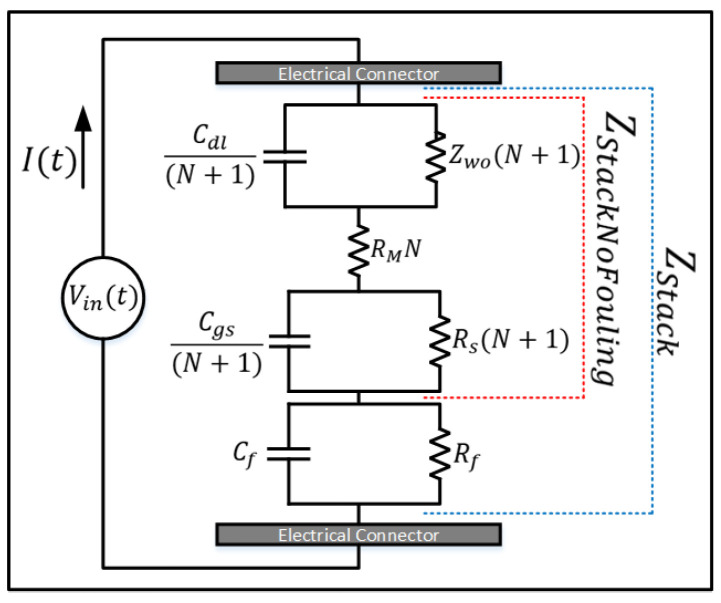 Figure 4
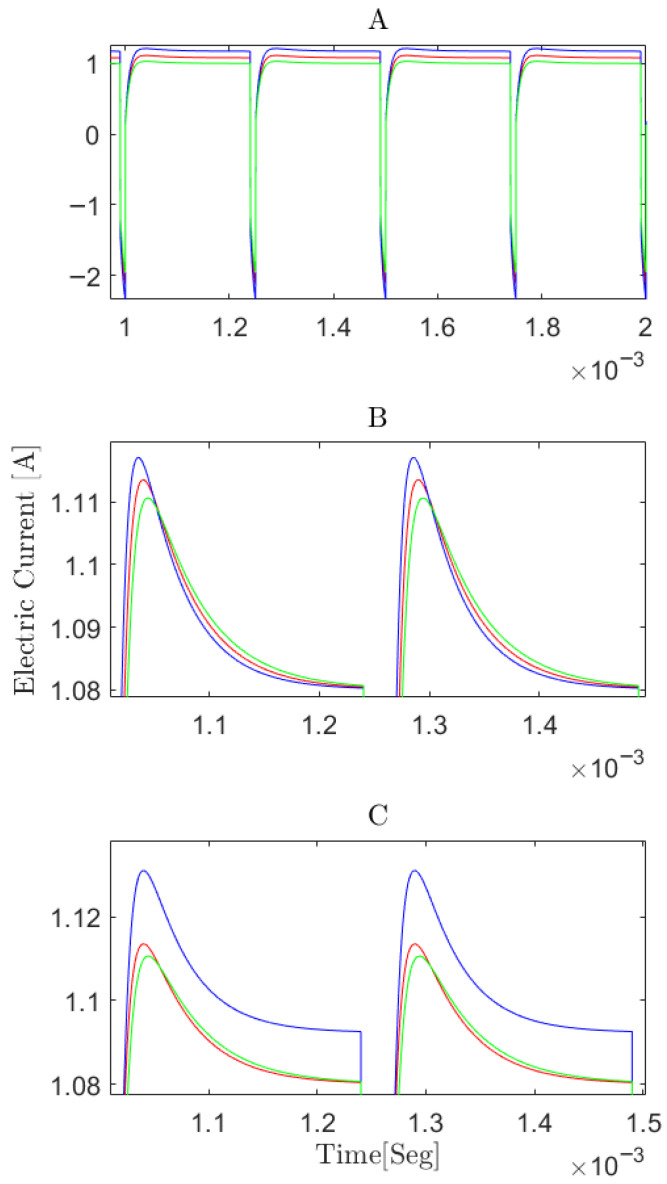 Figure 5
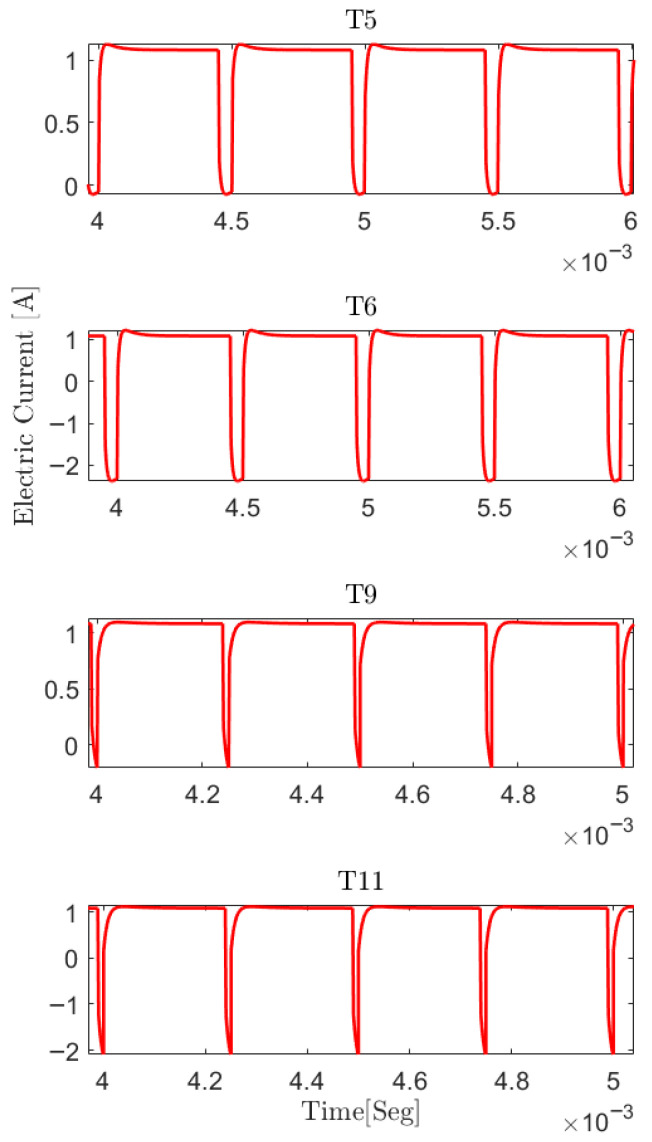 Figure 6
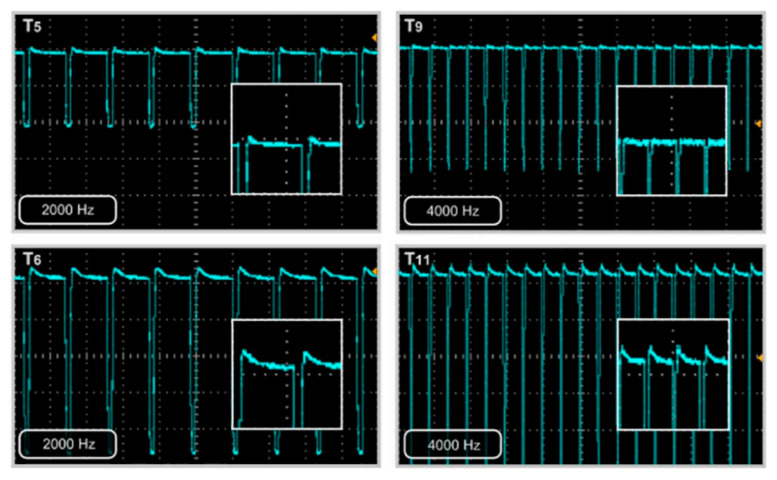 Figure 7
Peer Reviews
No public reviews on file for this paper yet. If you reviewed it on a platform where reviews are public (OpenReview, ICLR, NeurIPS, ICML), you can paste yours below so the community can read it here.
Videos
No videos yet. Explain this paper in a talk, walkthrough, or lecture? Add one.
Taxonomy
TopicsMembrane-based Ion Separation Techniques · Membrane Separation Technologies · Fuel Cells and Related Materials