Recursive Ectopic Gene Conversion Leads to Elevated DNA Mutation, Gene Loss, and Novel Gene Formation in Aspergillus
Ruojin Wang, Weiwei Liu, Tao Liu, Tianmeng Wang, Huilong Chen, Huilong Qi, Jiangli Wang, Meifang Lan, Xiyin Wang

TL;DR
This study shows that gene conversion in Aspergillus causes DNA mutations, gene loss, and new gene formation, contributing to genome instability and speciation.
Contribution
The paper reveals the role of recursive ectopic gene conversion in Aspergillus, leading to elevated mutation rates and novel gene formation.
Findings
Gene conversion in Aspergillus is associated with frequent point mutations and DNA deletions.
Converted genes in A. oryzae were split into shorter genes by stop codons and recombined via ectopic conversion.
Conversion-affected regions show 3.48 times more substitutions and 4–6 times more gene losses than non-affected regions.
Abstract
Gene conversion contributes to gene copy number changes, DNA mutations, and functional innovation and has been widely reported in three domains of life. However, it has hardly been described in Aspergillus, including industrially and commercially important or pathogenic fungi. Here, we revealed multiple sets of homologous genes located in a region of chromosome 1 of A. flavus, and its orthologous counterpart of A. oryzae. Phylogenetic analysis showed evidence of frequent gene (DNA) conversion between ectopic paralogs in each species, accompanied by prominent point mutations and DNA deletion (from several to hundreds of base pairs). At least two independent cases showed that the converted genes in A. oryzae have been repeatedly split into shorter genes by the introduction of stop codons, and then ectopic conversion rendered paralogous genes (regions) to have the same configuration of…
Genes, proteins, chemicals, diseases, species, mutations and cell lines named across the full text — each resolved to its canonical identifier and authoritative record.
Click any figure to enlarge with its caption.
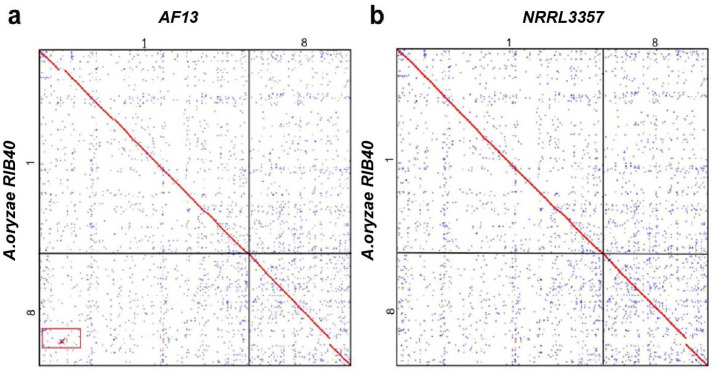 Figure 1
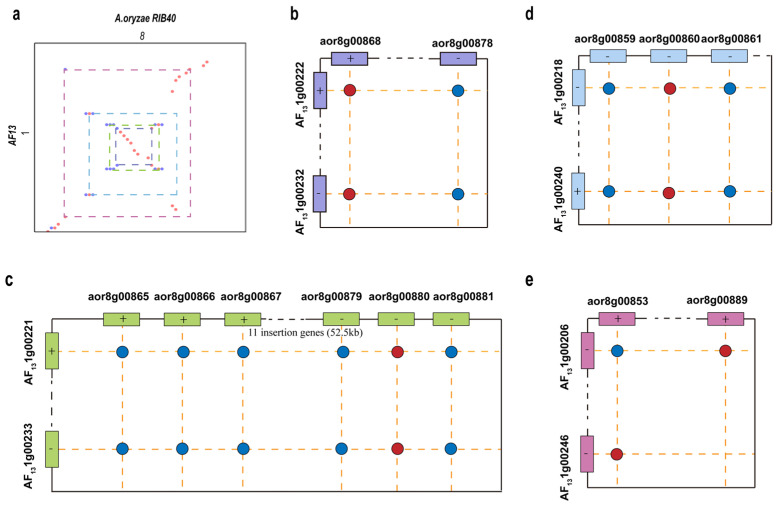 Figure 2
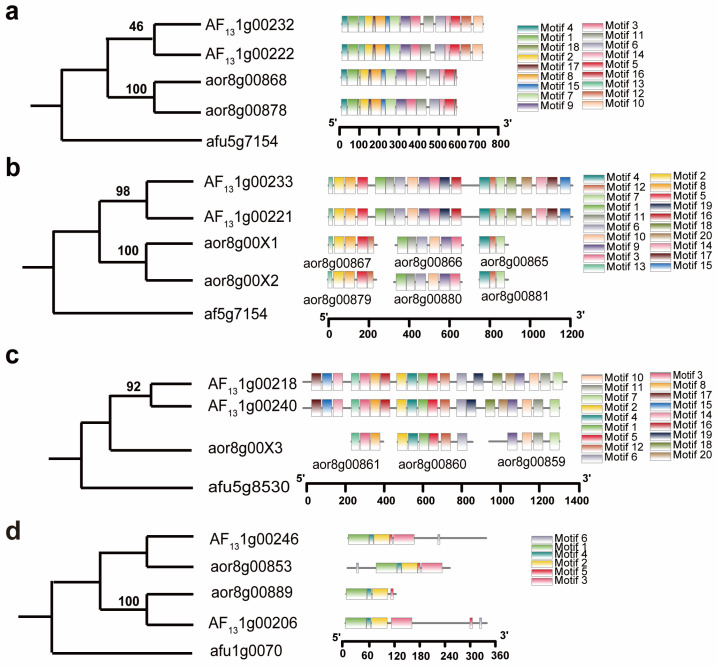 Figure 3
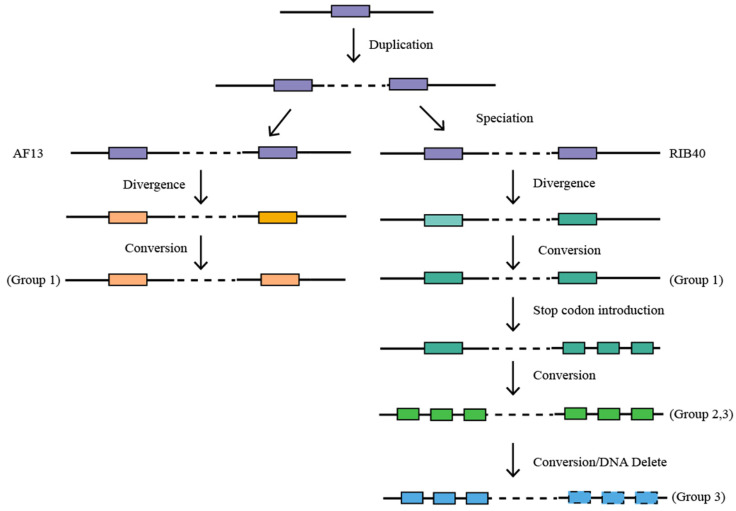 Figure 4
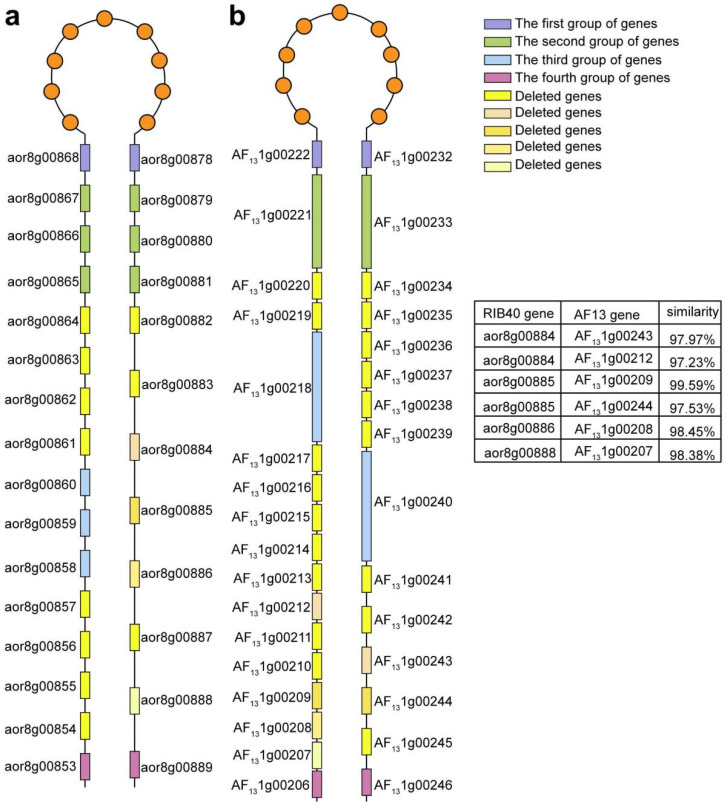 Figure 5
Peer Reviews
No public reviews on file for this paper yet. If you reviewed it on a platform where reviews are public (OpenReview, ICLR, NeurIPS, ICML), you can paste yours below so the community can read it here.
Videos
No videos yet. Explain this paper in a talk, walkthrough, or lecture? Add one.
Taxonomy
TopicsFungal and yeast genetics research · Protist diversity and phylogeny · Yeasts and Rust Fungi Studies