Hafnium-Based Ferroelectric Diodes for Logic-in-Memory Application
Shuo Han, Yefan Zhang, Xi Wang, Peiwen Tong, Chuanzhi Liu, Qimiao Zeng, Jindong Liu, Xiao Huang, Qingjiang Li, Rongrong Cao, Wei Wang

TL;DR
This paper introduces a new type of low-power memory-based computing device using hafnium-based ferroelectric diodes to perform logic operations efficiently.
Contribution
A novel ferroelectric diode structure is proposed for implementing 16 Boolean logic operations with ultralow power consumption.
Findings
The TiN/Hf0.5Zr0.5O2/HfO2/TiN ferroelectric diode enables 16 Boolean logic operations through cascaded configurations.
The device achieves attojoule-level one-bit full-adder computation with non-destructive readout and bidirectional rectification.
Simulation results show superior performance and ultralow power consumption for in-memory computing.
Abstract
Due to the Von Neumann bottleneck of traditional CMOS computing, there is an urgent need to develop in-memory logic devices with low power consumption. In this work, we demonstrate ferroelectric diode devices based on the TiN/Hf0.5Zr0.5O2/HfO2/TiN structure, implementing 16 Boolean logic operations through single-step or multi-step (2–3 steps) cascade and achieving attojoule-level one-bit full-adder computation. The TiN/Hf0.5Zr0.5O2/HfO2/TiN ferroelectric diode exhibits non-destructive readout and bidirectional rectification characteristics, with the conduction mechanism following Schottky emission behavior in the on-state. Based on its bidirectional rectification characteristics, we designed and simulated the circuit scheme of 16 Boolean logic and one-bit full-adder through cascaded operations. Both the input and output logic values are represented in the form of resistance, without…
Genes, proteins, chemicals, diseases, species, mutations and cell lines named across the full text — each resolved to its canonical identifier and authoritative record.
Click any figure to enlarge with its caption.
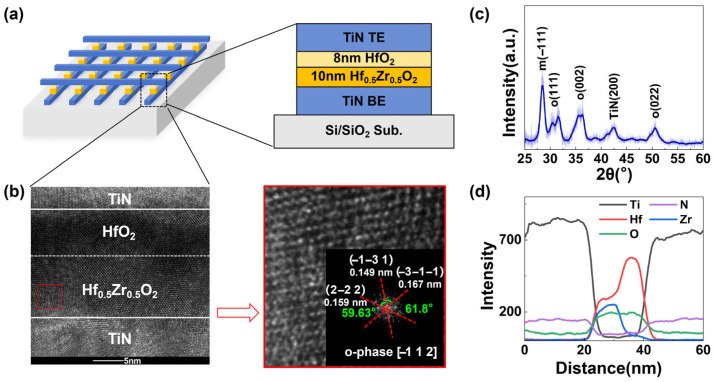 Figure 1
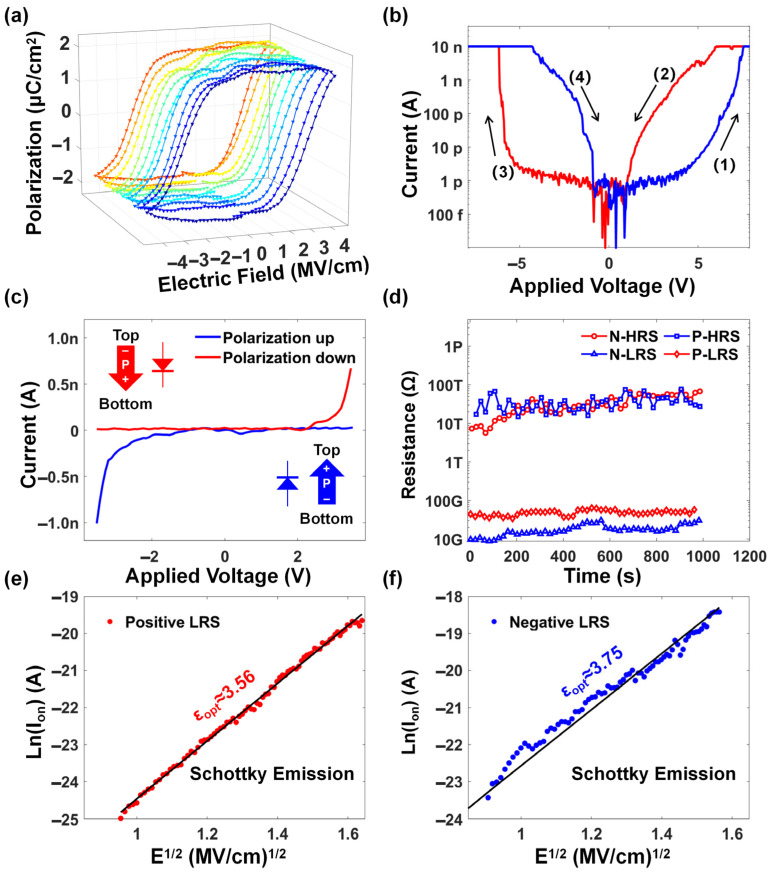 Figure 2
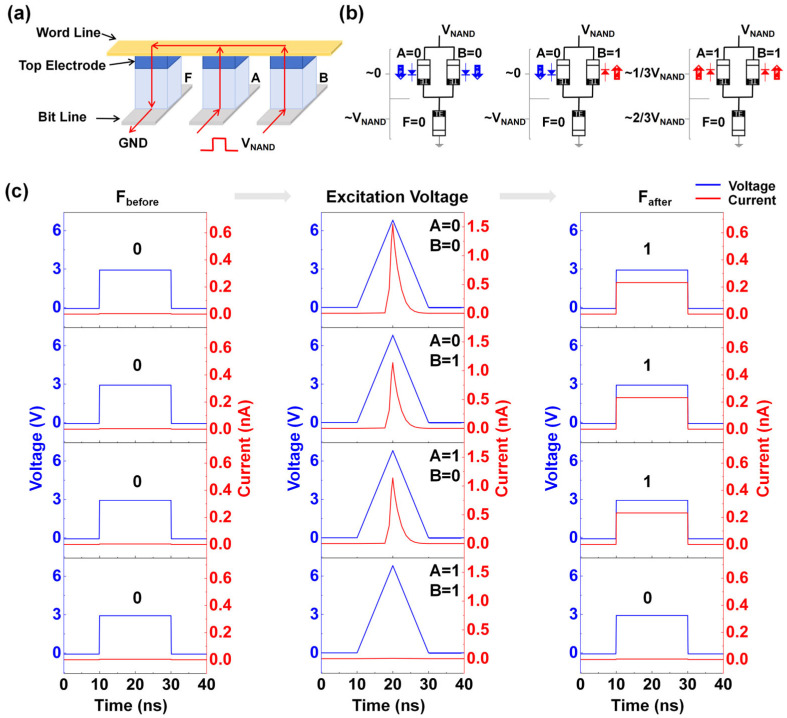 Figure 3
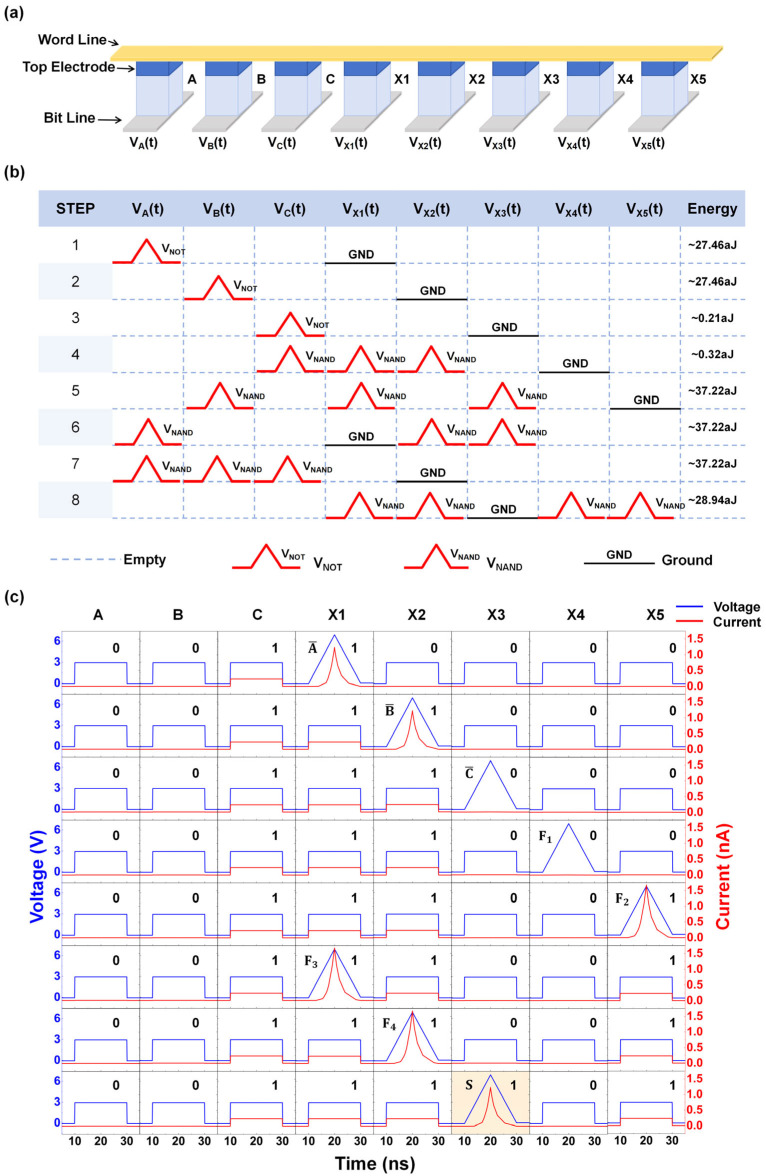 Figure 4
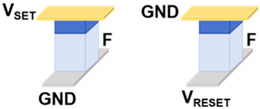 Figure 5
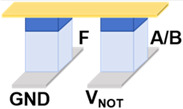 Figure 6
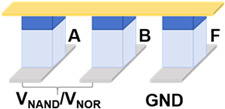 Figure 7
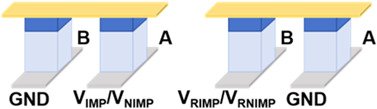 Figure 8
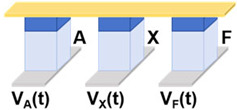 Figure 9
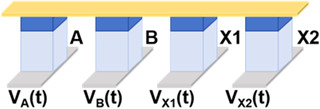 Figure 10
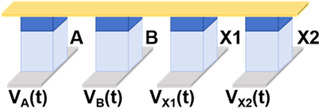 Figure 11
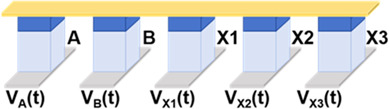 Figure 12
Peer Reviews
No public reviews on file for this paper yet. If you reviewed it on a platform where reviews are public (OpenReview, ICLR, NeurIPS, ICML), you can paste yours below so the community can read it here.
Videos
No videos yet. Explain this paper in a talk, walkthrough, or lecture? Add one.
Taxonomy
TopicsFerroelectric and Negative Capacitance Devices · Ferroelectric and Piezoelectric Materials · Advancements in Semiconductor Devices and Circuit Design