The Effect of Potentiostatic Control on the Bioreduction of Hexavalent Chromium Using Bacillus cereus
Huimei Chi, Man Feng

TL;DR
This study shows how controlling electric potential improves the ability of Bacillus cereus to reduce toxic hexavalent chromium in a bioelectrochemical system.
Contribution
The study demonstrates that precise potentiostatic control enhances microbial Cr(VI) reduction beyond abiotic processes.
Findings
Cr(VI) reduction reached 91.45% at +0.04 V, outperforming abiotic and open-circuit controls.
Microscopic imaging showed increased chromium accumulation and biofilm formation under applied potential.
The system showed consistent performance over three cycles, indicating good reproducibility.
Abstract
Coupling microbial catalysis with electrochemical stimulation offers a promising strategy for heavy metal remediation. This study investigates how potentiostatic control influences the bioreduction of hexavalent chromium (Cr(VI)) by Bacillus cereus strain DIF1 in a bioelectrochemical system. Cr(VI) reduction was evaluated under various applied cathodic potentials, and the highest reduction efficiency (91.45%) was achieved at +0.04 V after 24 h. This performance significantly surpassed that of the abiotic control (82.55%) and the open-circuit biotic control (9.25%), indicating that the applied potential enhances microbial Cr(VI) reduction beyond contributions from abiotic processes alone. Cyclic voltammetry (CV) revealed a distinct redox feature at +0.04 V with no corresponding reverse peak, indicating kinetically favored electron transfer during Cr(VI) reduction under this condition.…
Genes, proteins, chemicals, diseases, species, mutations and cell lines named across the full text — each resolved to its canonical identifier and authoritative record.
Click any figure to enlarge with its caption.
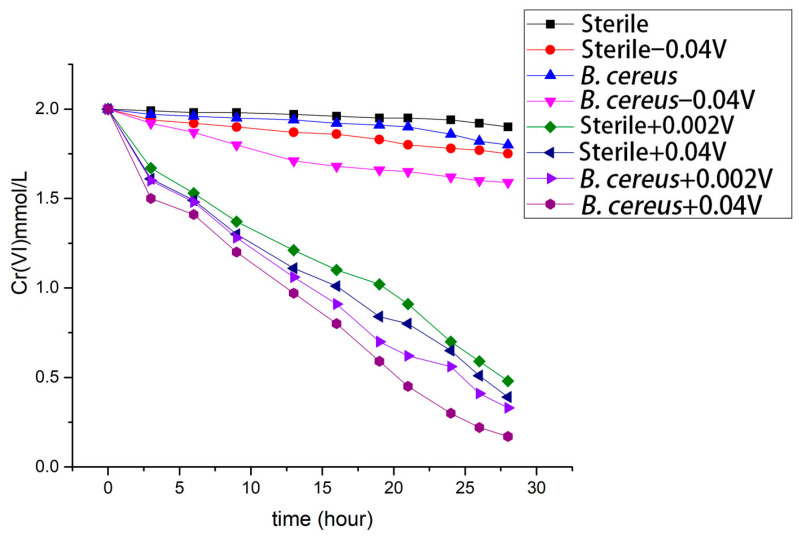 Figure 1
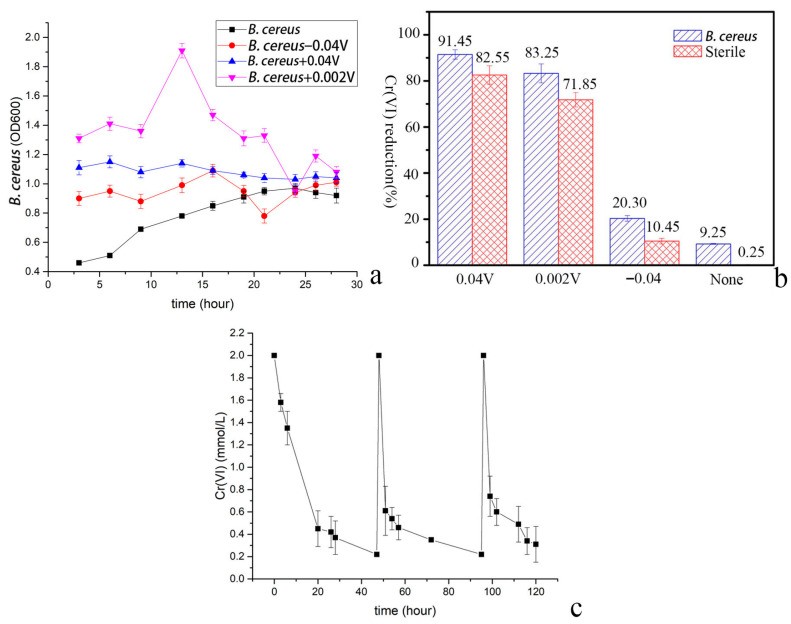 Figure 2
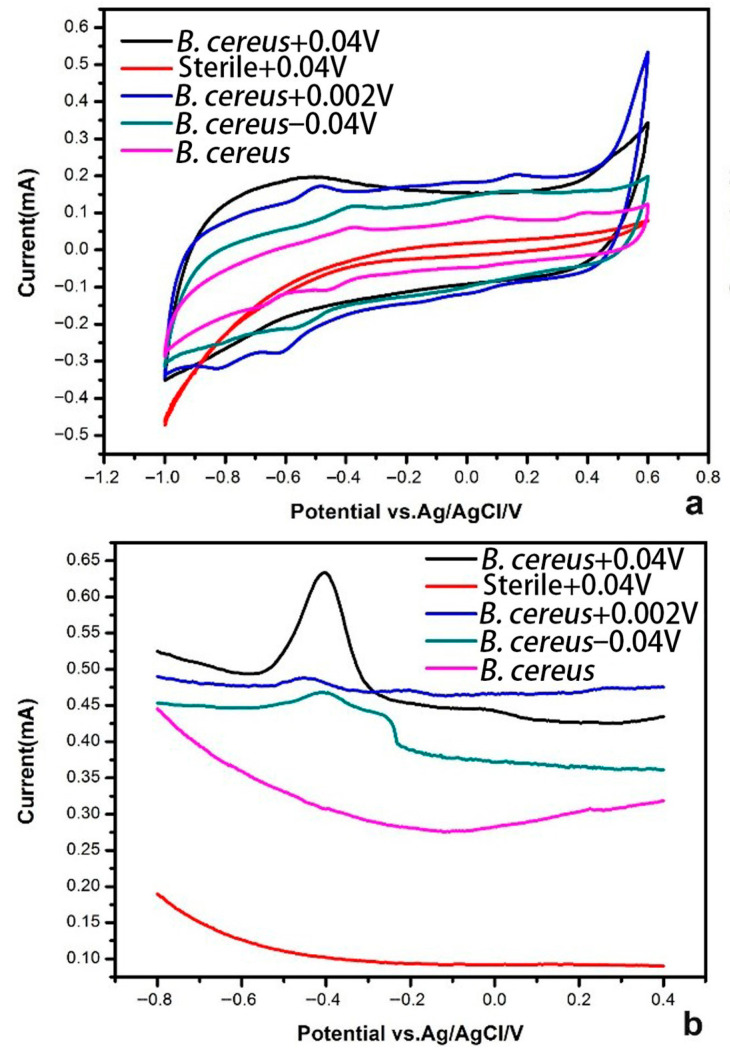 Figure 3
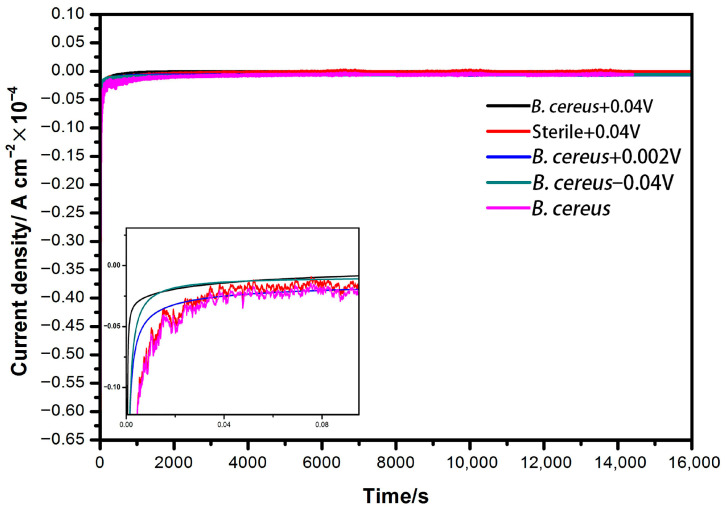 Figure 4
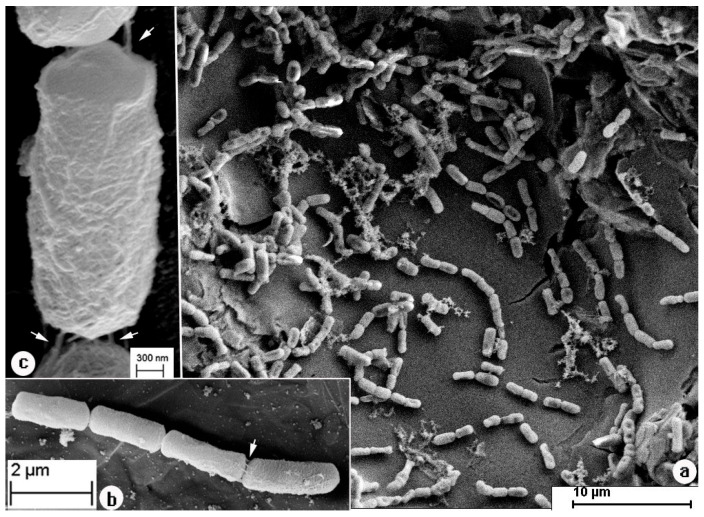 Figure 5
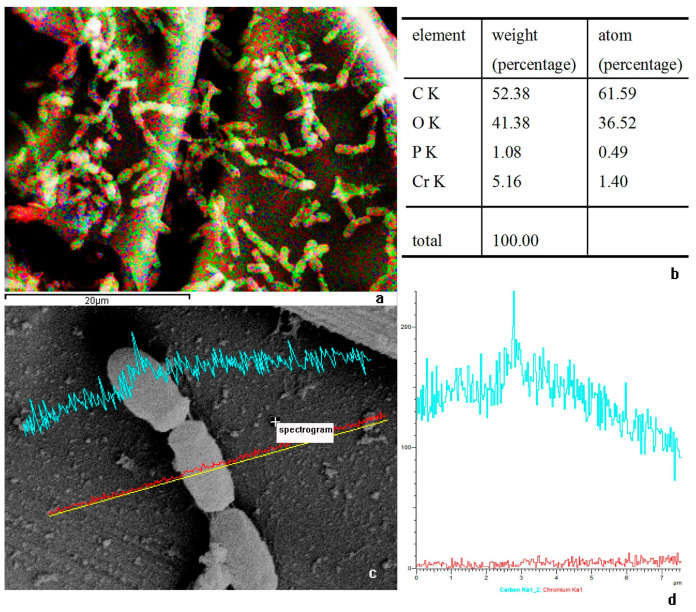 Figure 6
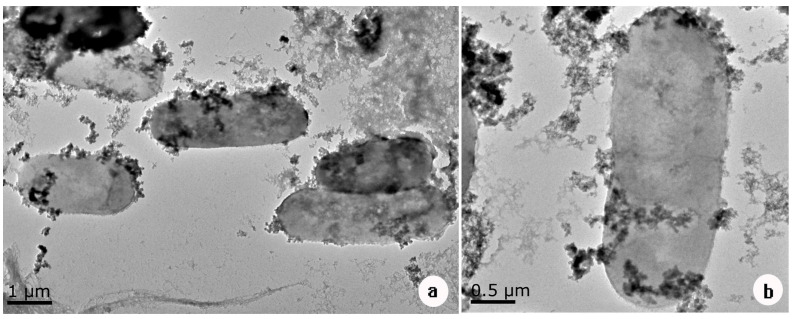 Figure 7
Peer Reviews
No public reviews on file for this paper yet. If you reviewed it on a platform where reviews are public (OpenReview, ICLR, NeurIPS, ICML), you can paste yours below so the community can read it here.
Videos
No videos yet. Explain this paper in a talk, walkthrough, or lecture? Add one.
Taxonomy
TopicsMicrobial Fuel Cells and Bioremediation · Chromium effects and bioremediation · Electrokinetic Soil Remediation Techniques