New Strategy Based on Click Reaction for Preparation of 3-Acyl-4-hydroxycoumarin-Modified Silica as a Perspective Material for the Separation of Rare Earth Elements
Dzhamilya N. Konshina, Ekaterina S. Spesivaya, Ida A. Lupanova, Anton S. Mazur, Valery V. Konshin

TL;DR
A new silica-based material was developed for efficiently separating rare earth elements using a click reaction strategy.
Contribution
The first method for covalently immobilizing 3-acyl-4-hydroxycoumarin on silica via a click reaction is proposed.
Findings
The material showed high extraction efficiency (~98%) for several REEs like Gd(III), Dy(III), and Er(III).
Fast adsorption kinetics (30 min) and high selectivity were observed under pH 5–5.5 conditions.
The material retained over 95% extraction efficiency for Dy(III) and Er(III) in the presence of common metal ions.
Abstract
The separation of rare earth elements (REEs) with similar chemical properties remains a relevant challenge today, most often addressed using liquid–liquid and solid-phase extraction with various chelating agents. Excellent complexing agents for REEs are 1,3-diketones and their analogs. We have for the first time proposed a method for preparing a material consisting of a covalently immobilized 3-acyl-4-hydroxycoumarin ligand on silica. For its synthesis, we employed a strategy based on the “click” reaction of 3-azidopropyl silica with a propargyl-containing coumarin–chalcone conjugate—this approach is the most tolerant and does not affect the coordinationally active fragment of the ligand. The material was characterized by thermal analysis, IR spectroscopy, and 13C NMR. The potential of the synthesized material for REE preconcentration was demonstrated at pH 5–5.5: high extraction…
Genes, proteins, chemicals, diseases, species, mutations and cell lines named across the full text — each resolved to its canonical identifier and authoritative record.
Click any figure to enlarge with its caption.
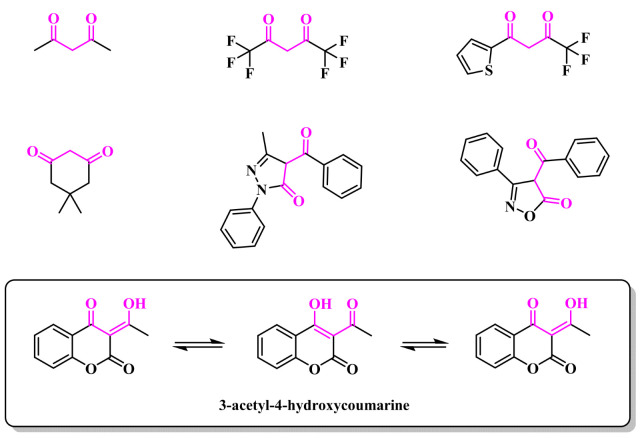 Figure 1
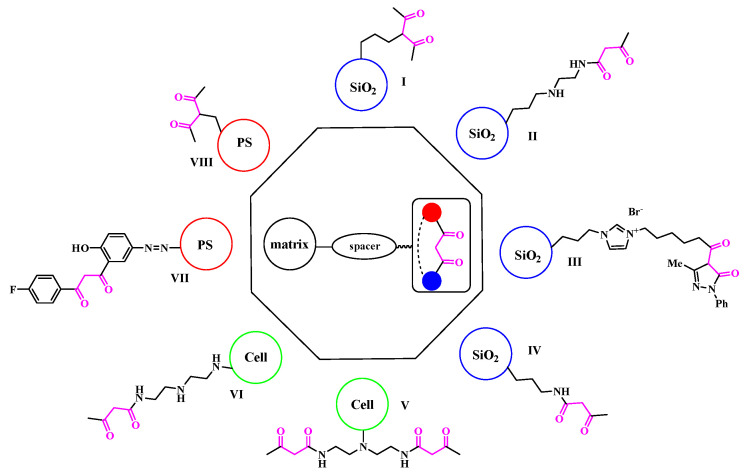 Figure 2
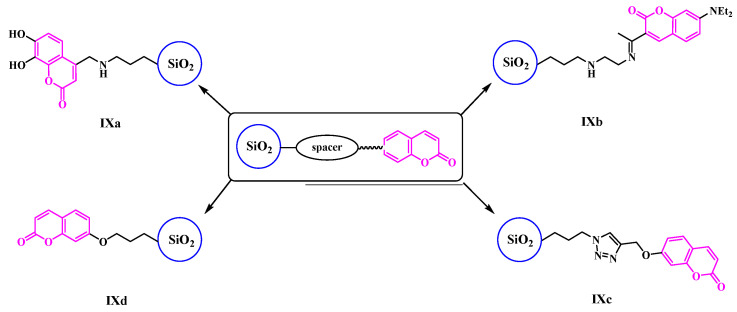 Figure 3
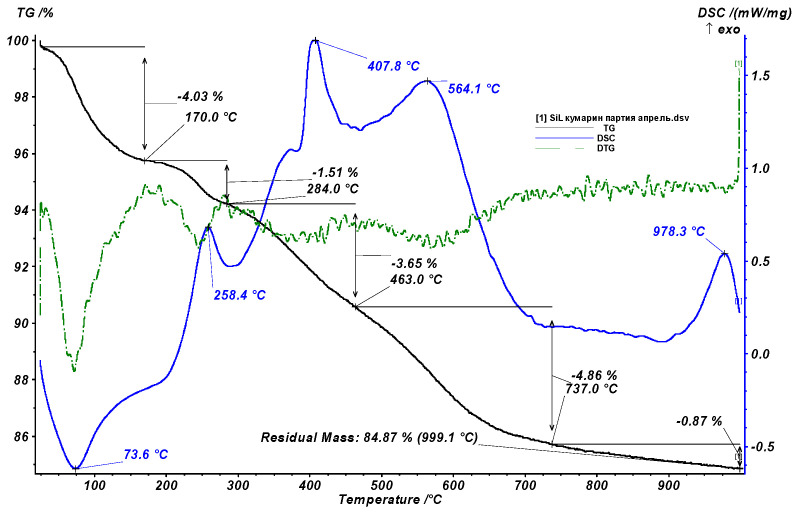 Figure 4
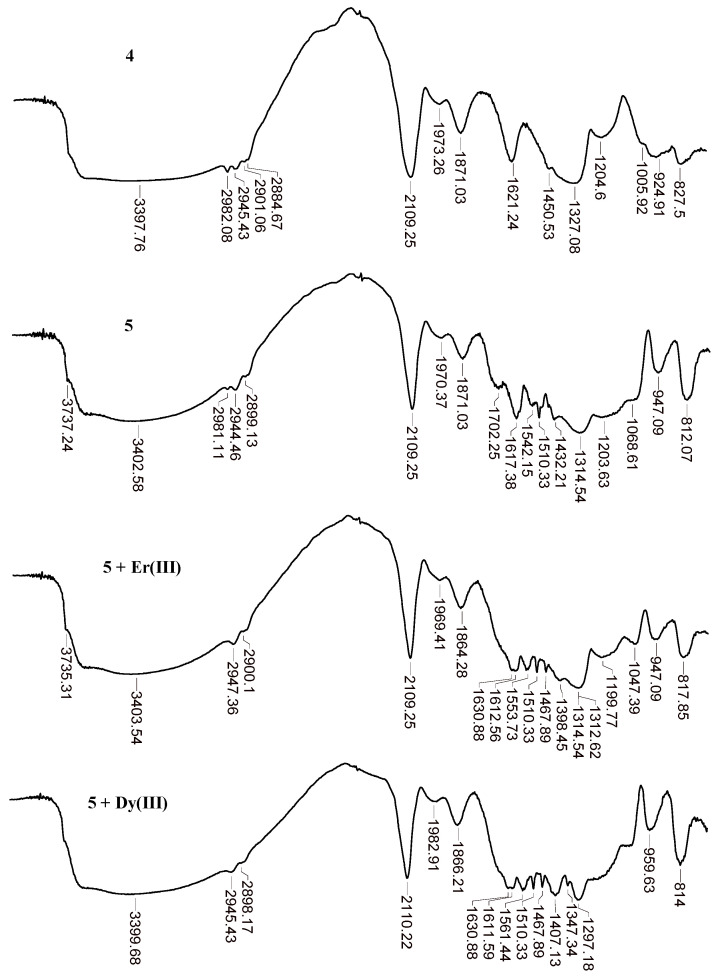 Figure 5
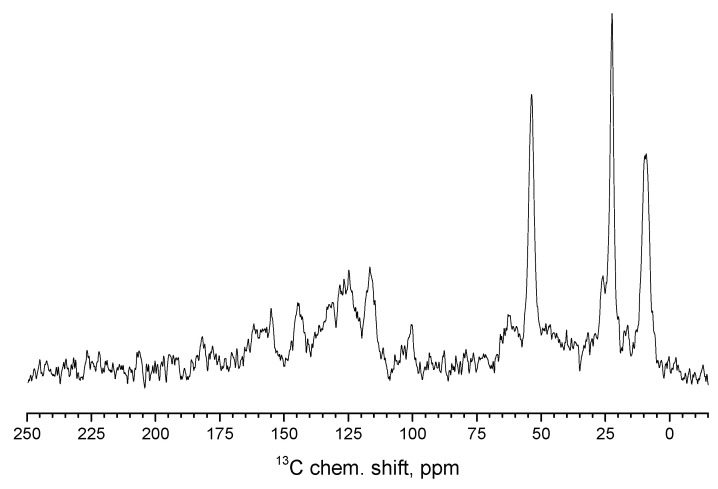 Figure 6
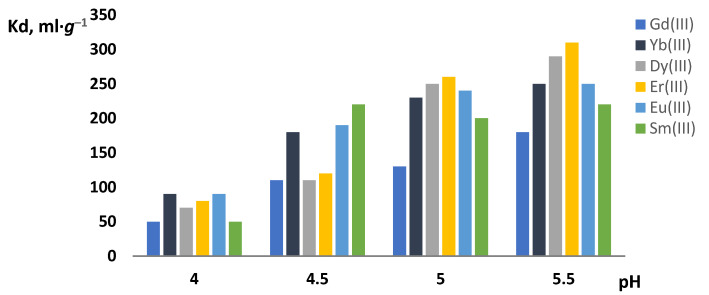 Figure 7
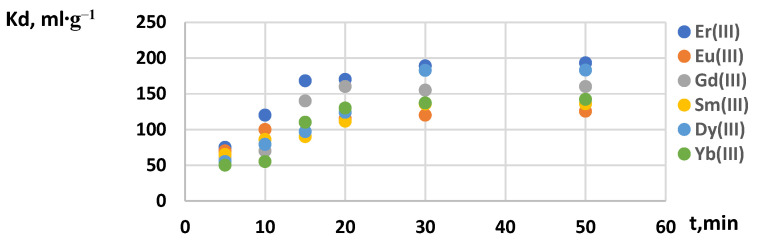 Figure 8
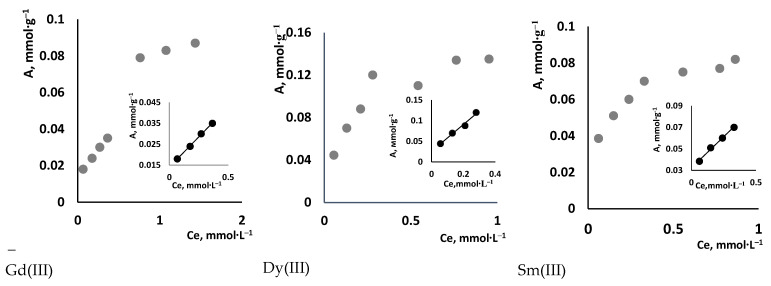 Figure 9
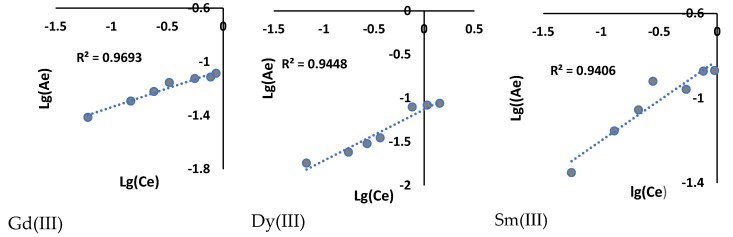 Figure 10
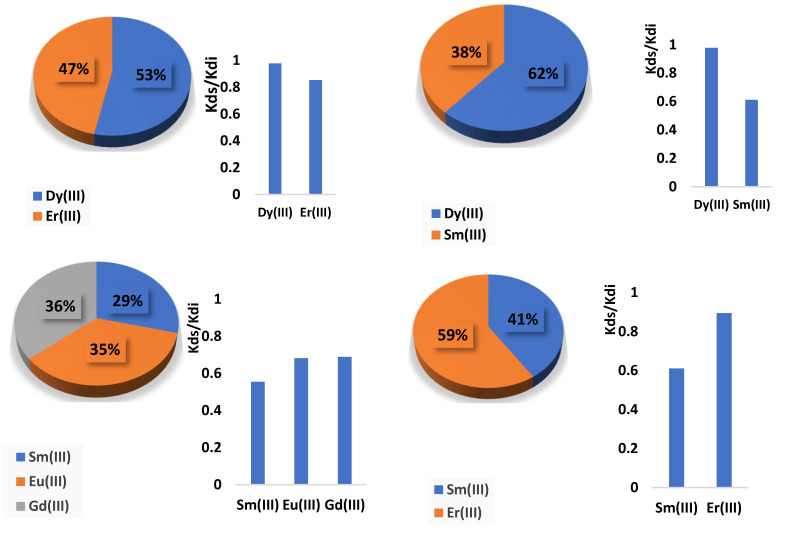 Figure 11
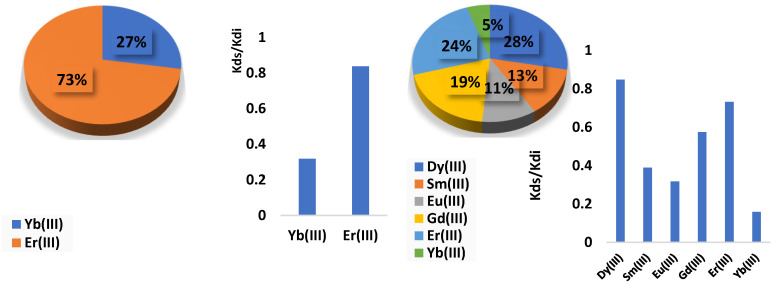 Figure 12
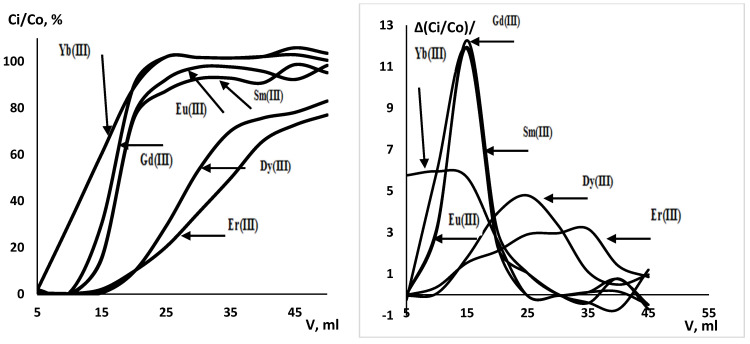 Figure 13
 Figure 14
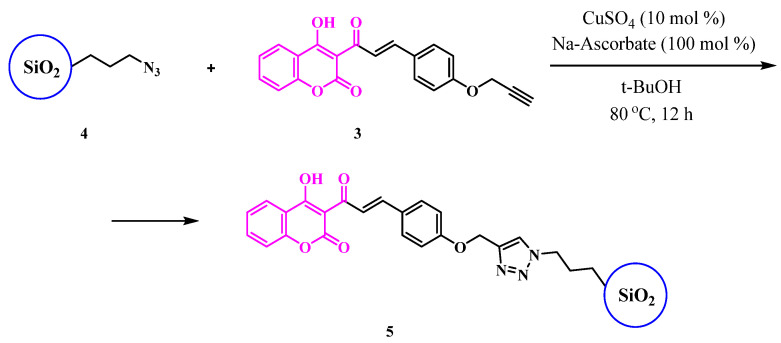 Figure 15
Peer Reviews
No public reviews on file for this paper yet. If you reviewed it on a platform where reviews are public (OpenReview, ICLR, NeurIPS, ICML), you can paste yours below so the community can read it here.
Videos
No videos yet. Explain this paper in a talk, walkthrough, or lecture? Add one.
Taxonomy
TopicsAnalytical chemistry methods development · Extraction and Separation Processes · Radioactive element chemistry and processing