Reverse Osmosis Membrane Cleaning Optimization from Textile Dyeing Wastewater Reuse Applications
Zhengwei Wang, Rulu Ouyang, Guorui Zhang, Chunhai Wei, Shiming Ji, Qixuan Li, Chunyang Tao, Hongwei Rong

TL;DR
This paper studies how to clean reverse osmosis membranes used in treating textile dyeing wastewater, finding that a specific cleaning method restores membrane performance effectively.
Contribution
The study introduces an optimized cleaning protocol combining alkaline flushing and pure water backwashing for RO membranes fouled by textile wastewater.
Findings
Fouled RO membrane permeability was restored to 96% of new membranes using optimized backwashing at 0.125 MPa TMP and 0.5 m/s CFV.
Combined acid and alkaline flushing followed by pure water backwashing improved permeability but reduced rejection capability.
Economic analysis showed chemical costs of 0.763 CNY/m³, reducible by eliminating acid cleaning.
Abstract
Reverse osmosis (RO) is the key process for textile dyeing wastewater reuse applications. Membrane fouling reduces both permeability and rejection capability, negatively affecting the technological economy of RO process. Membrane cleaning is critical to recovery of the permeability of fouled RO membranes. Based on multi-batch filtration and cleaning experiments, this study systematically evaluated the RO membrane fouling potential of pre-treated textile dyeing wastewater by a membrane bioreactor and the recovery performance of fouled RO membranes after different cleaning methods. A significant decline (more than 15%) in RO membrane permeability occurred after RO membrane permeate production of 625 L/m2 at a water recovery ratio of 60%. Protein-like substances and soluble microbial products were identified as the primary organic foulants via three-dimensional fluorescence…
Genes, proteins, chemicals, diseases, species, mutations and cell lines named across the full text — each resolved to its canonical identifier and authoritative record.
Click any figure to enlarge with its caption.
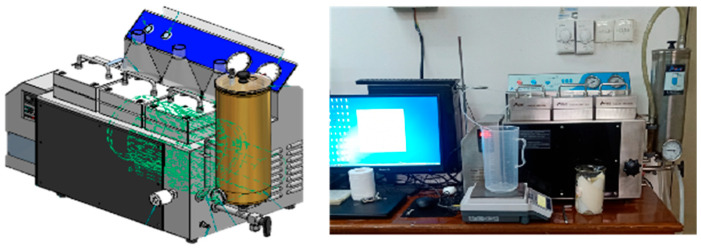 Figure 1
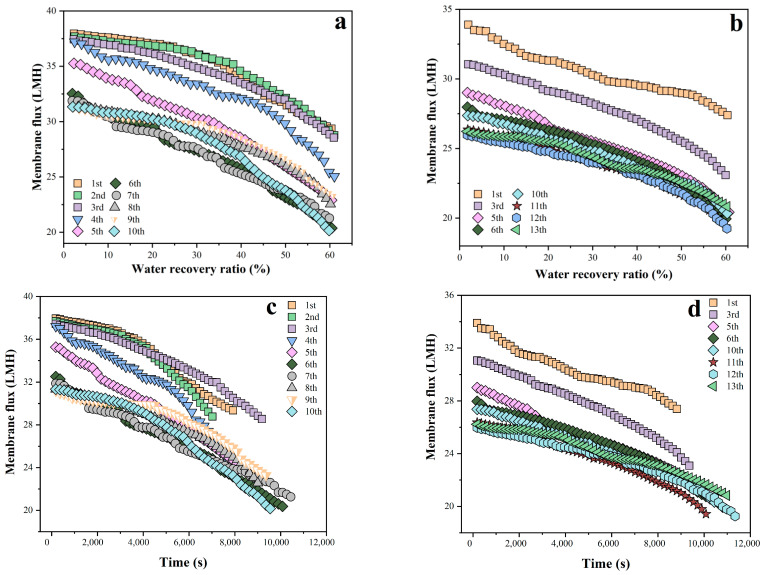 Figure 2
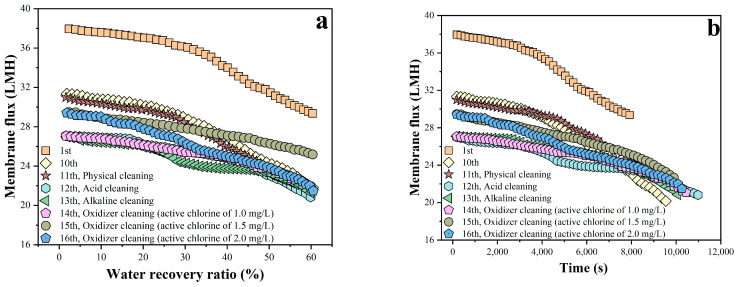 Figure 3
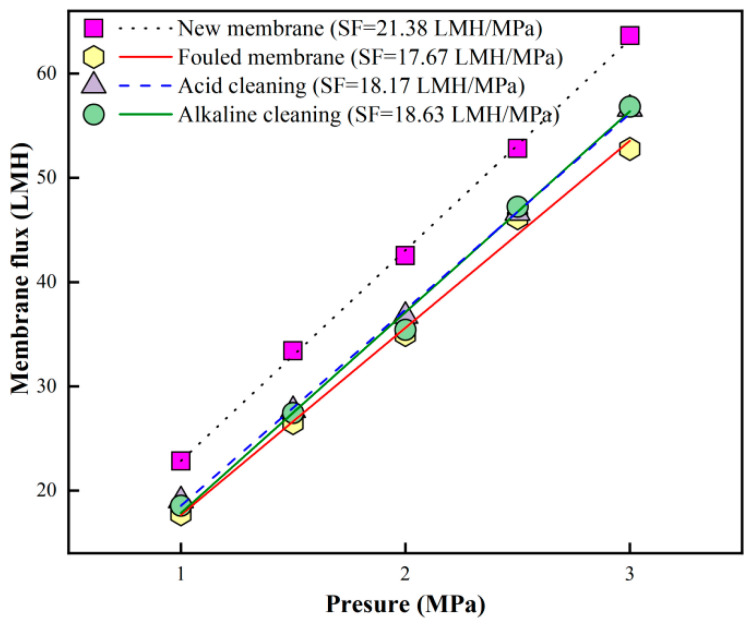 Figure 4
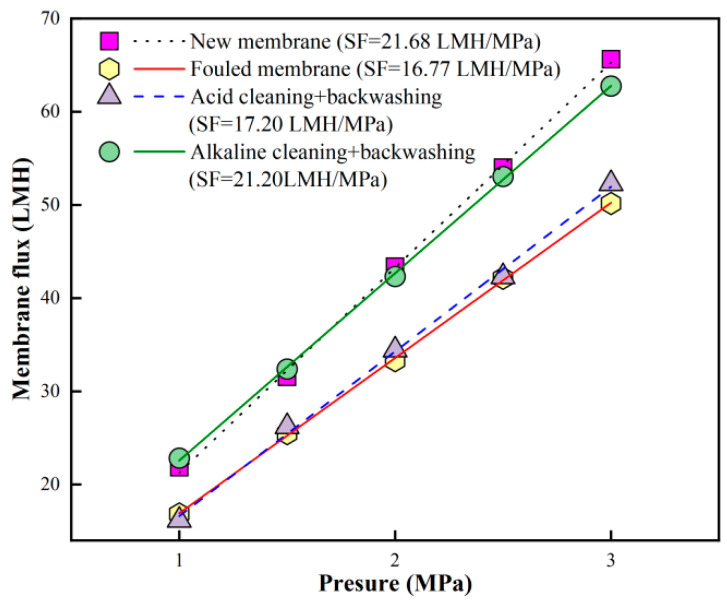 Figure 5
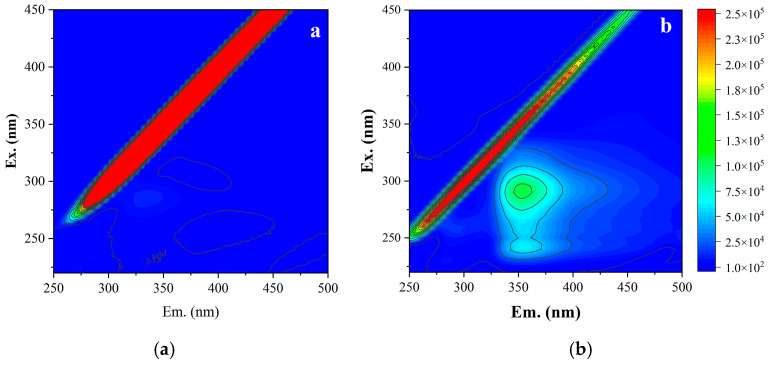 Figure 6
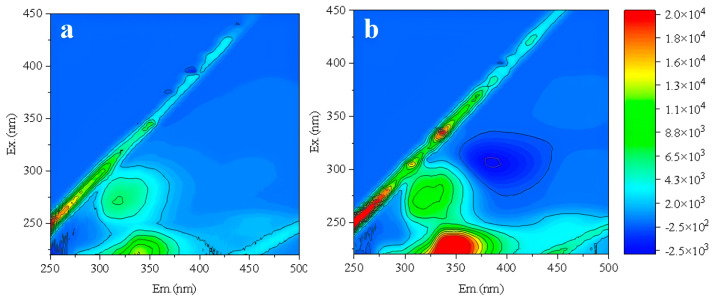 Figure 7
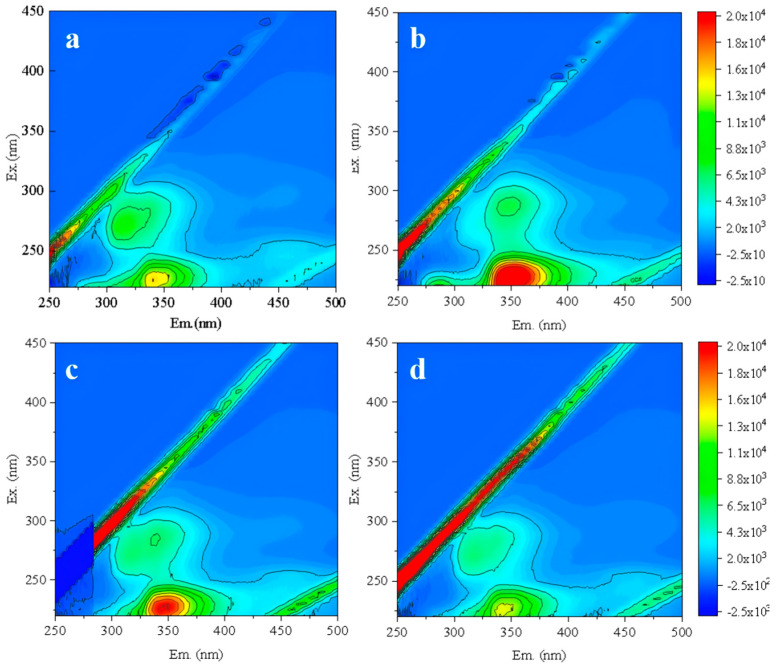 Figure 8
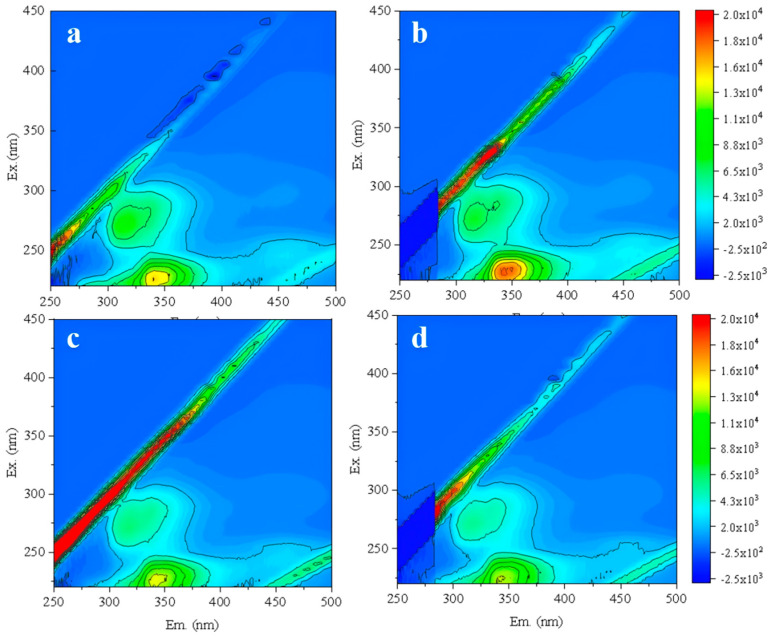 Figure 9
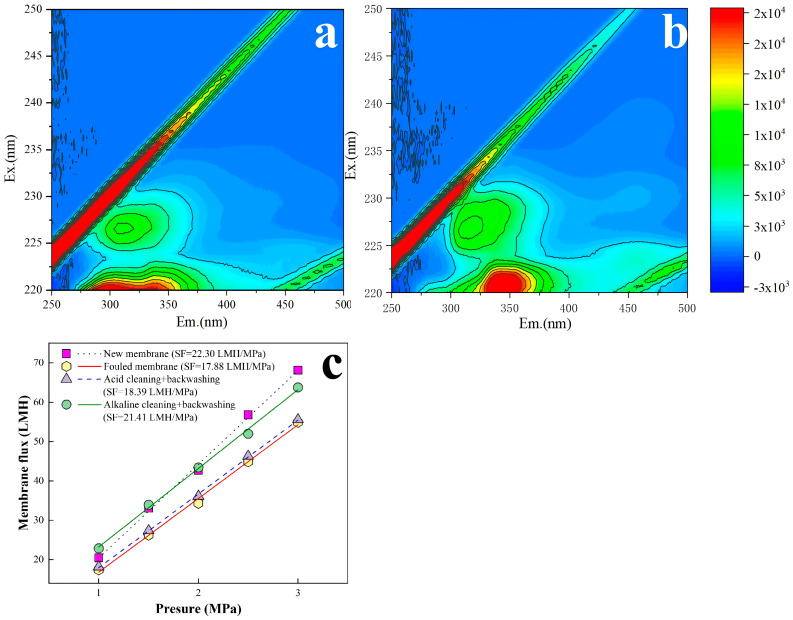 Figure 10
Peer Reviews
No public reviews on file for this paper yet. If you reviewed it on a platform where reviews are public (OpenReview, ICLR, NeurIPS, ICML), you can paste yours below so the community can read it here.
Videos
No videos yet. Explain this paper in a talk, walkthrough, or lecture? Add one.
Taxonomy
TopicsMembrane Separation Technologies · Membrane-based Ion Separation Techniques · Extraction and Separation Processes