A Deep Reinforcement Learning-Optimized Blood Flow Profile for Enhanced Oxygenation Efficiency in Membrane Oxygenators
Junwen Yu, Yuan Liu, Huaiyuan Guo, Qingyang Cheng, Junlong Meng, Ming Yang

TL;DR
This paper introduces a new method using deep reinforcement learning to optimize blood flow in membrane oxygenators, improving oxygen transfer efficiency.
Contribution
The study presents a novel active pulsatile flow control method optimized via deep reinforcement learning to enhance oxygenator performance.
Findings
The optimized pulsatile flow profile increased oxygen transfer rate by 20.64%.
The method did not compromise hemocompatibility.
A simplified stacked-plate oxygenator design minimized flow path interference.
Abstract
The membrane oxygenator serves as the core component of extracorporeal life support systems, and its gas exchange efficiency critically influences clinical outcomes. However, gas transfer is predominantly limited by the diffusion barrier within the blood-side boundary layer, where saturated red blood cells accumulate. Current research focuses mainly on static approaches such as optimizing fiber bundle configuration to promote passive blood mixing or modifying material properties, which are fixed after fabrication. In contrast, dynamic blood flow control remains an underexplored avenue for enhancing oxygenator performance. This study proposes an active pulsatile flow control method that disrupts the boundary layer barrier by optimizing periodic flow profiles, thereby directly improving gas exchange. A deep reinforcement learning framework integrating proximal policy optimization and long…
Genes, proteins, chemicals, diseases, species, mutations and cell lines named across the full text — each resolved to its canonical identifier and authoritative record.
Click any figure to enlarge with its caption.
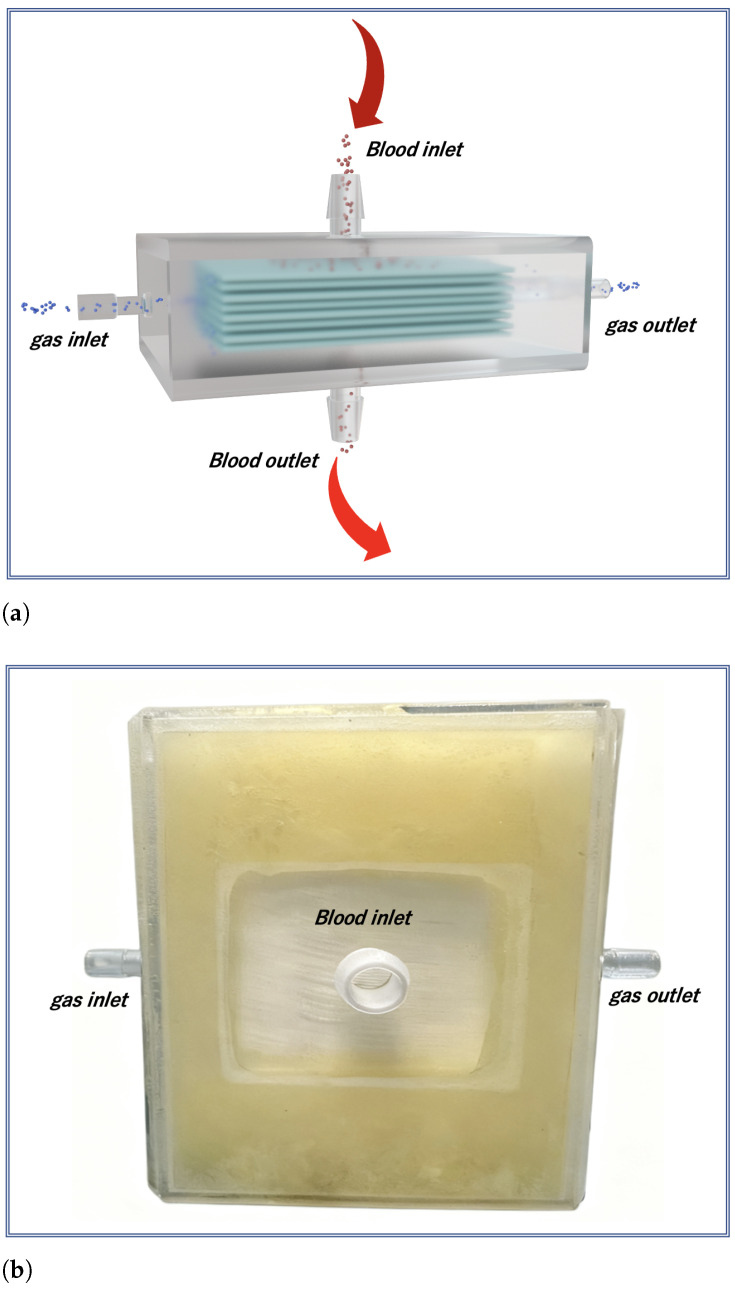 Figure 1
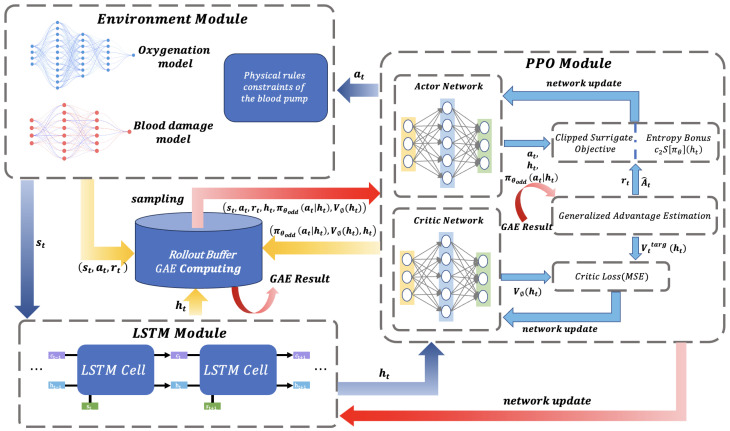 Figure 2
 Figure 3
 Figure 4
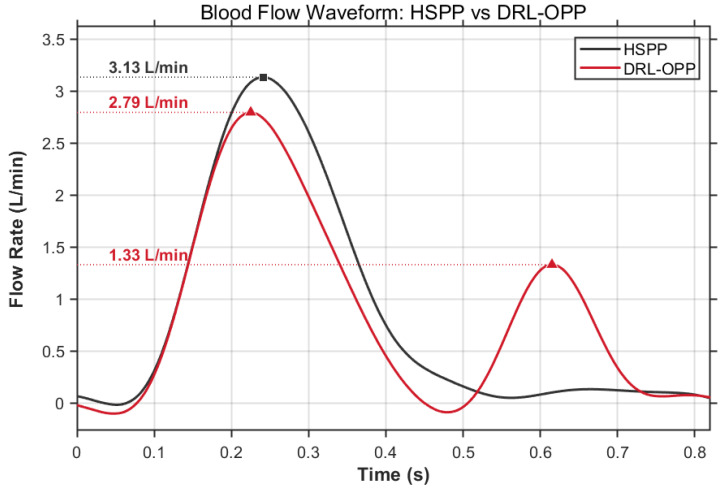 Figure 5
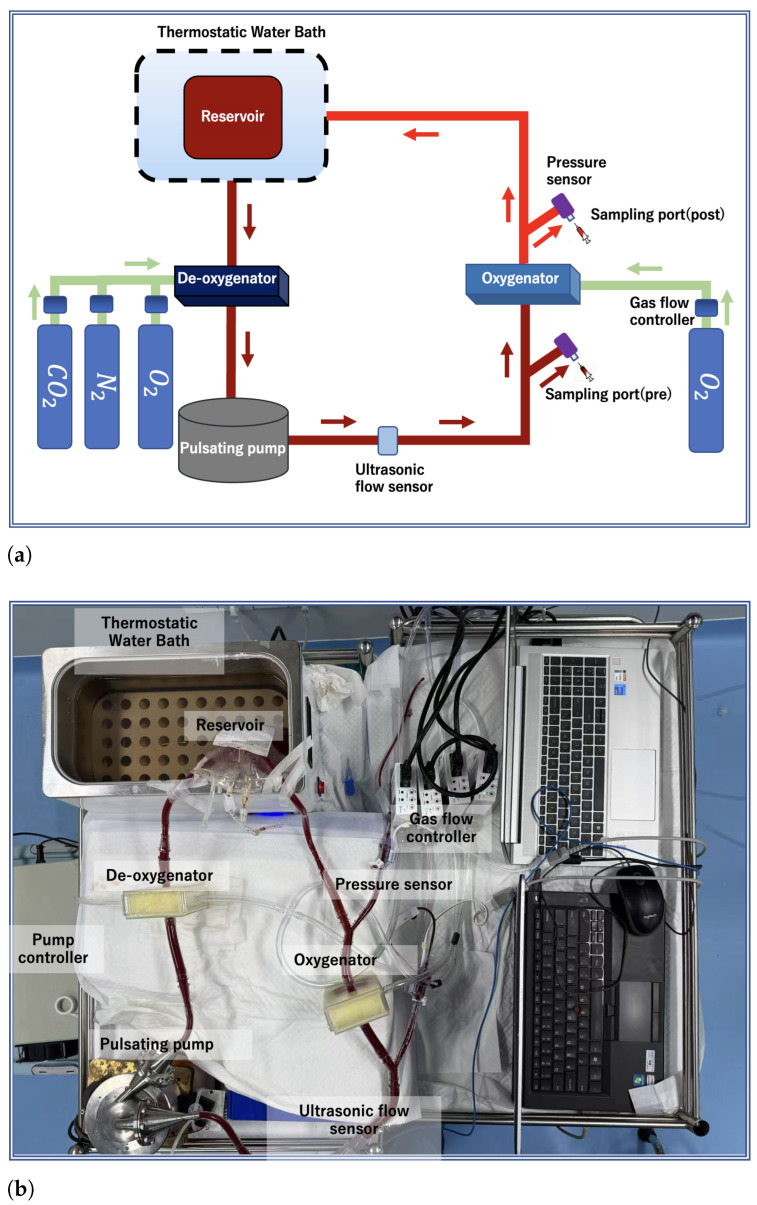 Figure 6
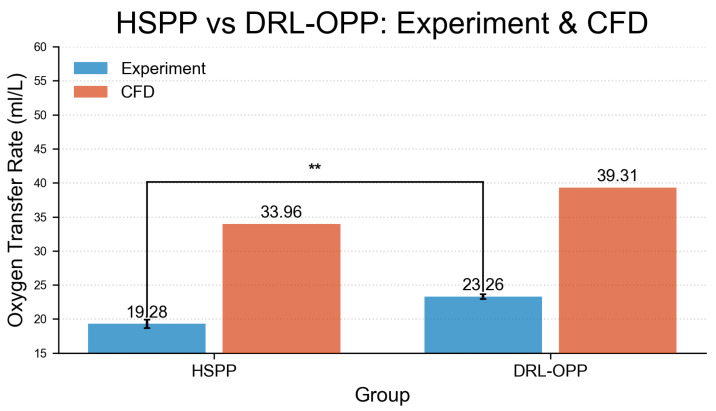 Figure 7
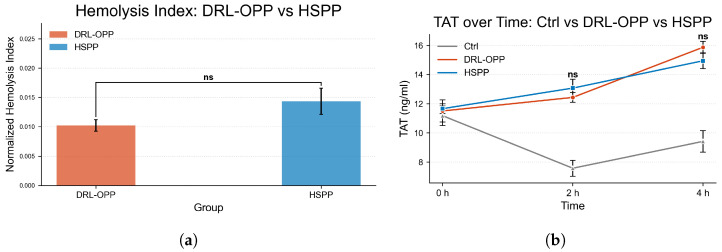 Figure 8
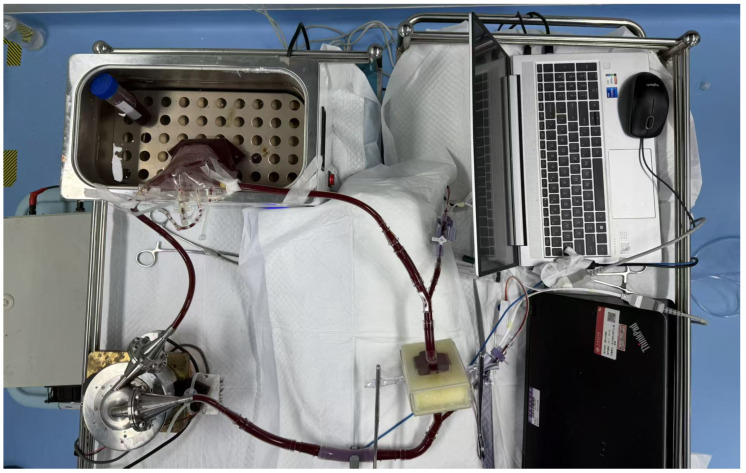 Figure 9
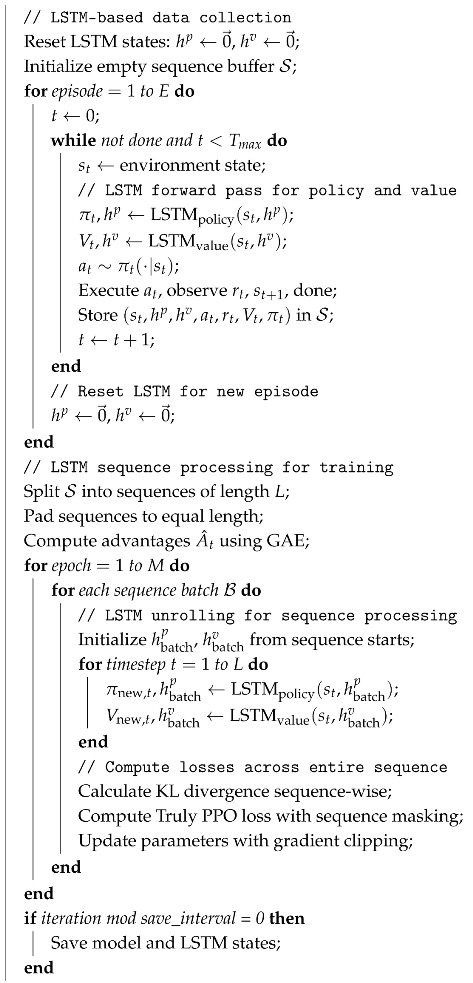 Figure 10
Peer Reviews
No public reviews on file for this paper yet. If you reviewed it on a platform where reviews are public (OpenReview, ICLR, NeurIPS, ICML), you can paste yours below so the community can read it here.
Videos
No videos yet. Explain this paper in a talk, walkthrough, or lecture? Add one.
Taxonomy
TopicsMechanical Circulatory Support Devices · Hemoglobin structure and function · Blood properties and coagulation