Scaffold Simplification Yields Potent Antibacterial Agents That Target Bacterial Topoisomerases
Lyubov Khudiakova, Kristina Komarova, Maxim Zhuravlev, Dmitry Deniskin, Alexey Golovanov, Artemiy Nichugovskiy, Kirill Babkin, Maria Zakharova, Mikhail Chudinov, Elizaveta Rogacheva, Lyudmila Kraeva, Olga Shevtsova, Daria Ipatova, Dmitry Skvortsov, Dmitrii Lukianov

TL;DR
Scientists simplified a compound's structure to create powerful antibacterial agents that target DNA replication enzymes in bacteria.
Contribution
A novel series of simplified antibacterial compounds with potent activity and a defined DNA-targeting mechanism was developed.
Findings
Simplified analogs showed 10-100 times better antibacterial activity than ciprofloxacin against ESKAPE pathogens.
Compounds inhibit bacterial topoisomerase I and DNA gyrase, disrupting DNA replication.
Moderate human cell toxicity was observed, but with sufficient selectivity for further drug development.
Abstract
This work describes the lead optimization of a promising class of antibacterial compounds, derived from a previously reported N-[4-(4-fluorophenoxy)phenyl]-6-(methylsulfonyl)-2,6-diazaspiro [3.4]octane-8-carboxamide (LK1819), through systematic scaffold simplification. A novel series of amide derivatives were designed and synthesized, exploring key structural variations, including the replacement of the diphenyl ether core with a biphenyl system. All compounds were evaluated for in vitro antibacterial activity against the ESKAPE panel of pathogens. The most potent simplified analogs demonstrated exceptional, broad-spectrum activity, with minimum inhibitory concentrations (MICs) that were 10 to 100 times lower than the control antibiotic ciprofloxacin against many strains. Mechanistic studies using a reporter system and enzymatic assays revealed that the compounds do not inhibit protein…
Genes, proteins, chemicals, diseases, species, mutations and cell lines named across the full text — each resolved to its canonical identifier and authoritative record.
Click any figure to enlarge with its caption.
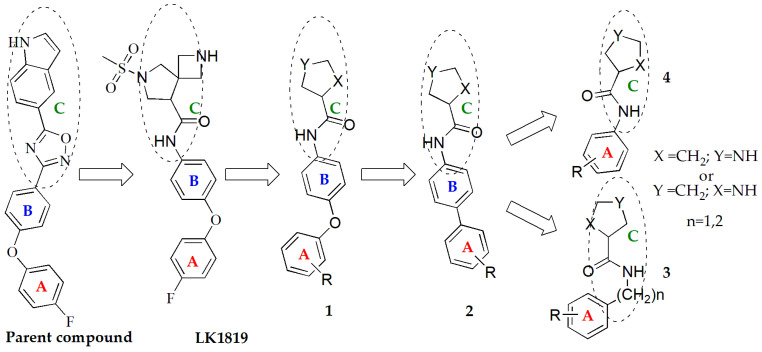 Figure 1
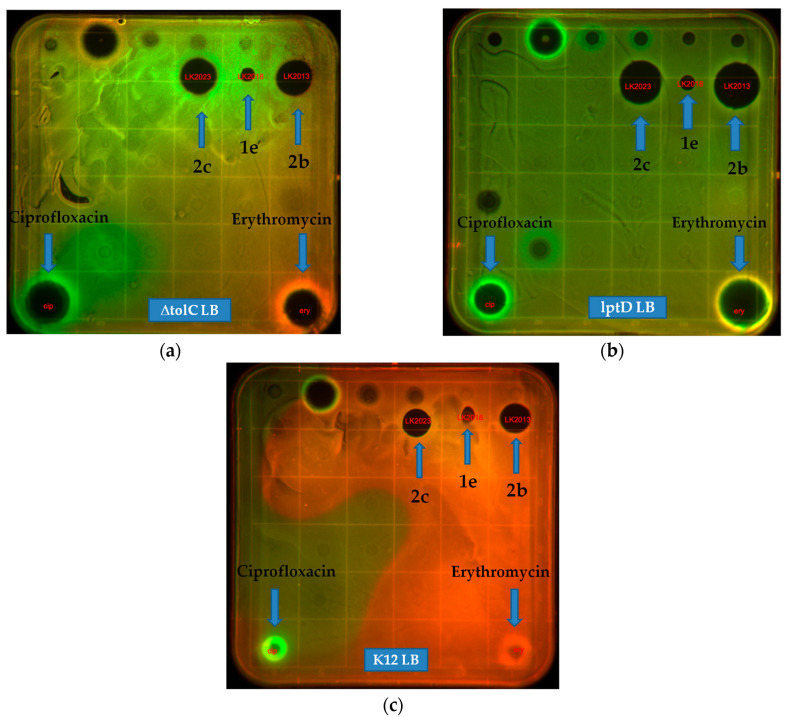 Figure 2
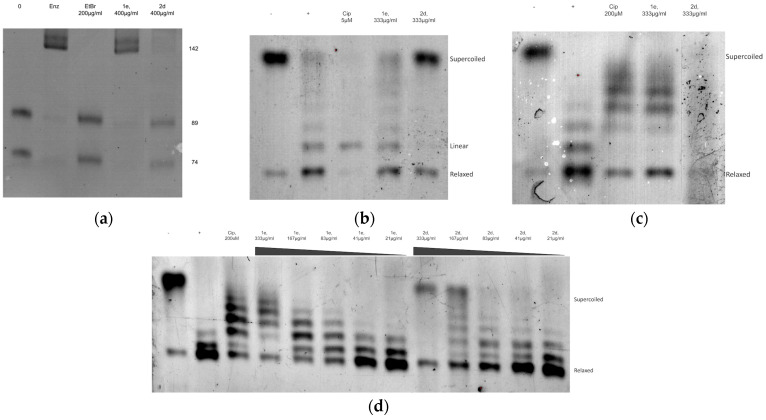 Figure 3
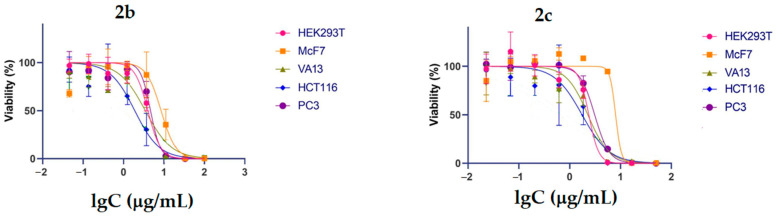 Figure 4
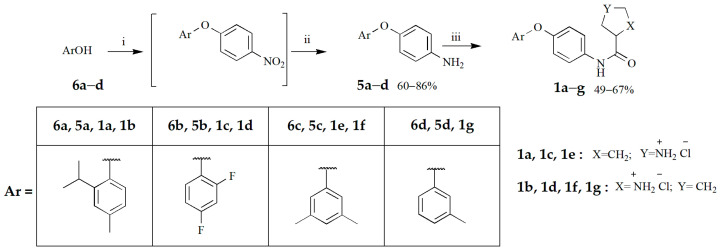 Figure 5
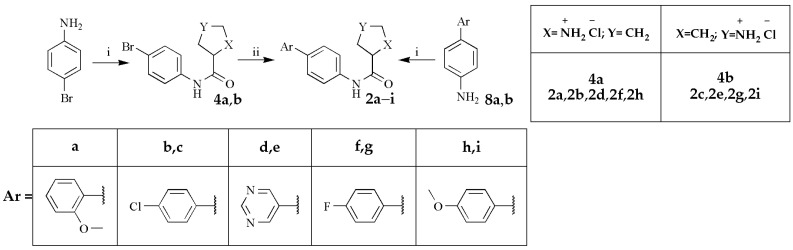 Figure 6
Peer Reviews
No public reviews on file for this paper yet. If you reviewed it on a platform where reviews are public (OpenReview, ICLR, NeurIPS, ICML), you can paste yours below so the community can read it here.
Videos
No videos yet. Explain this paper in a talk, walkthrough, or lecture? Add one.
Taxonomy
TopicsCancer therapeutics and mechanisms · Synthesis and biological activity · Biochemical and Molecular Research