Study on the Efficiency and Mechanism of a Novel Copper-Based Composite Material Activated by Supramolecular Self-Assembly for Degrading Reactive Red 3BS
Jiangming Dai, Xinrong Wang, Bo Chen, Liang Chen

TL;DR
A new copper-based material efficiently degrades a tough textile dye using a hydrogen peroxide system, offering a green solution for wastewater treatment.
Contribution
The first application of a supramolecular self-assembled CuO/Cu2O(SO4)2 composite material for dye degradation in a sodium bicarbonate-activated hydrogen peroxide system.
Findings
MEL-Cu-6HNA achieved 95% decolorization of Reactive Red 3BS within 30 minutes.
The material's three-dimensional sulfate framework and dual Cu2+ sites enhanced degradation efficiency.
Hydroxyl radicals were the primary reactive species, with sulfate and other radicals contributing to sustained degradation.
Abstract
To address the challenge of treating refractory organic dyes in textile wastewater, this study synthesized a novel copper-based composite material (designated MEL-Cu-6HNA) via a supramolecular self-assembly–pyrolysis pathway. Its core component consists of CuO/Cu2O(SO4), which was applied to efficiently degrade the Reactive Red 3BS dye within a sodium bicarbonate-activated hydrogen peroxide (BAP) system. This material was applied to degrade the Reactive Red 3BS dye using a sodium bicarbonate-activated hydrogen peroxide system. The morphology, crystal structure, and surface chemistry of the material were systematically characterized using scanning electron microscopy (SEM), X-ray diffraction (XRD), Fourier transform infrared spectroscopy (FTIR), and X-ray photoelectron spectroscopy (XPS). Electron paramagnetic resonance (EPR) was employed to identify reactive species generated during the…
Genes, proteins, chemicals, diseases, species, mutations and cell lines named across the full text — each resolved to its canonical identifier and authoritative record.
Click any figure to enlarge with its caption.
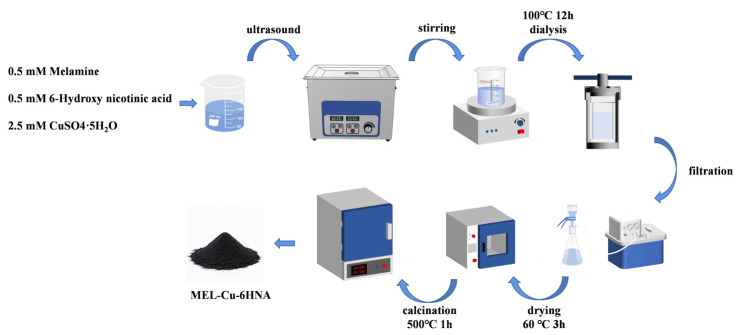 Figure 1
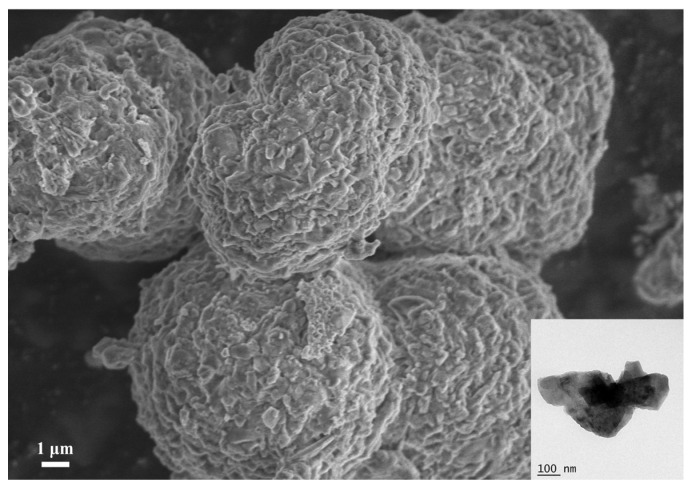 Figure 2
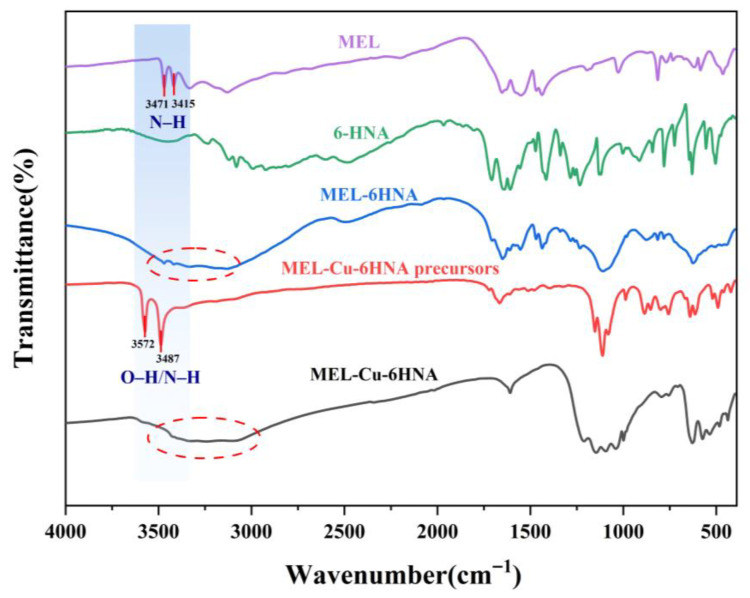 Figure 3
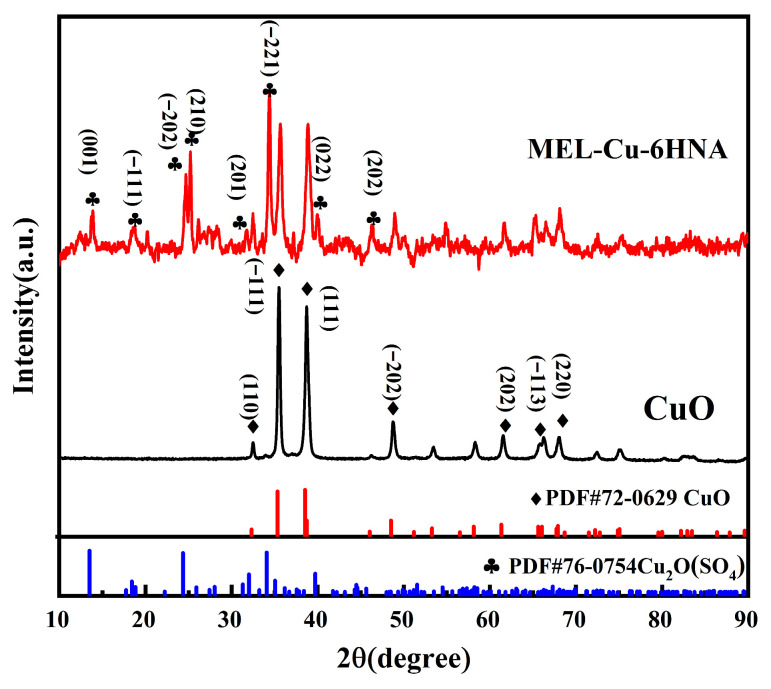 Figure 4
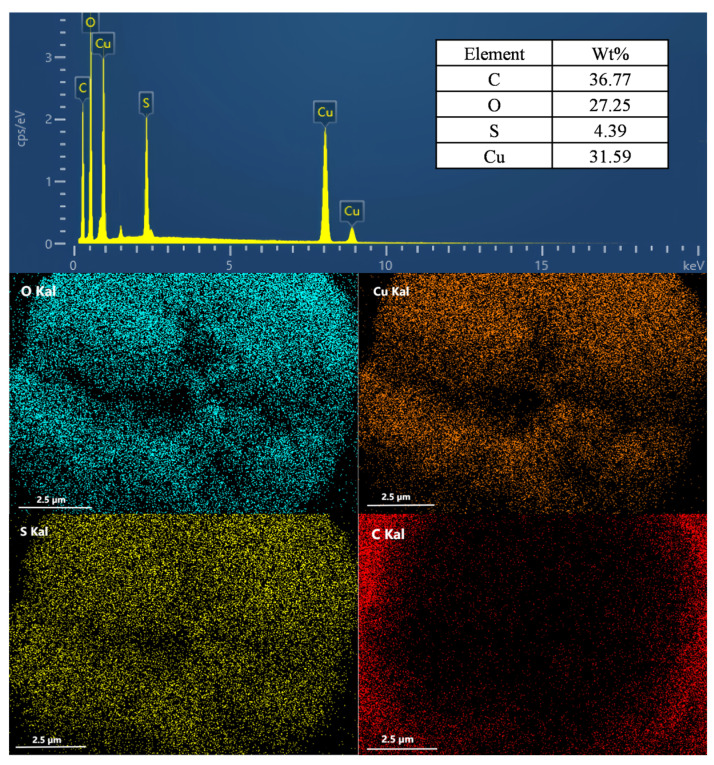 Figure 5
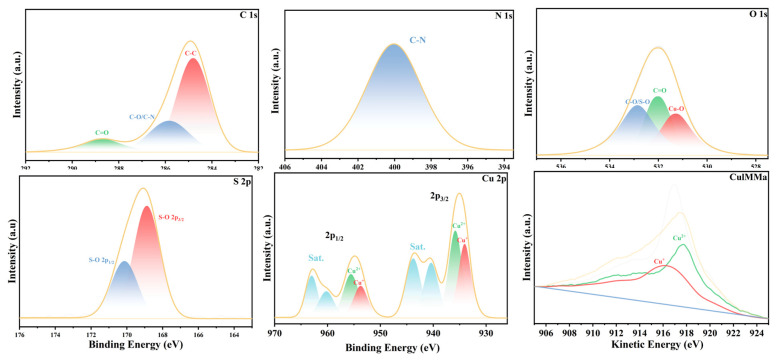 Figure 6
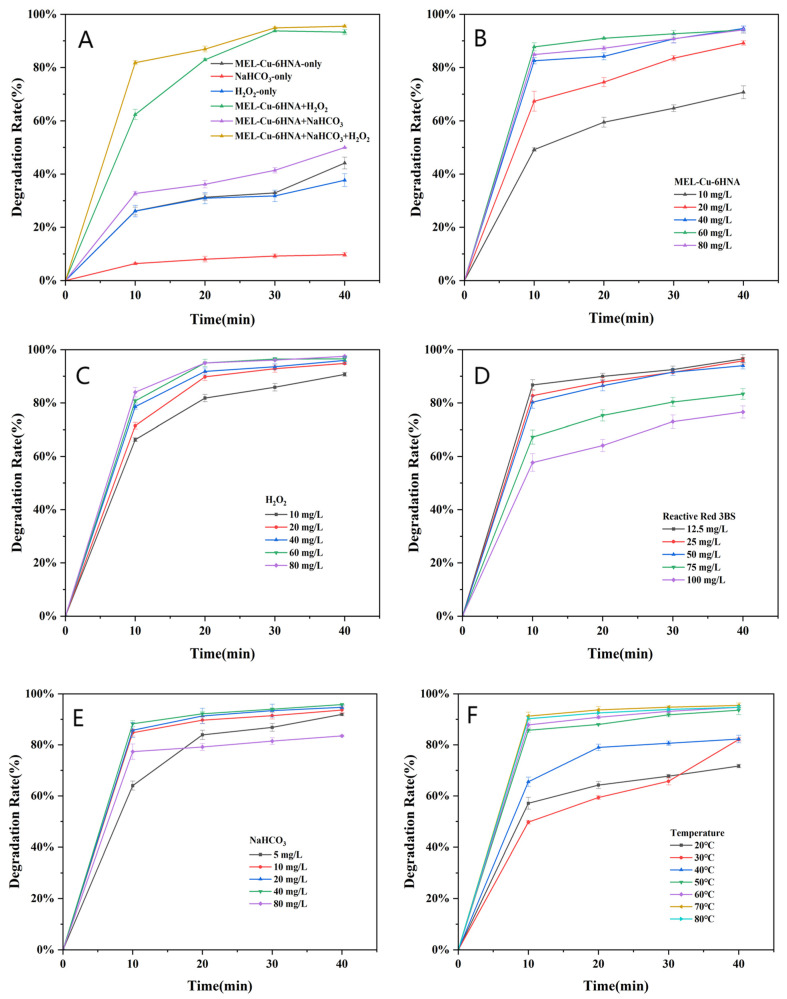 Figure 7
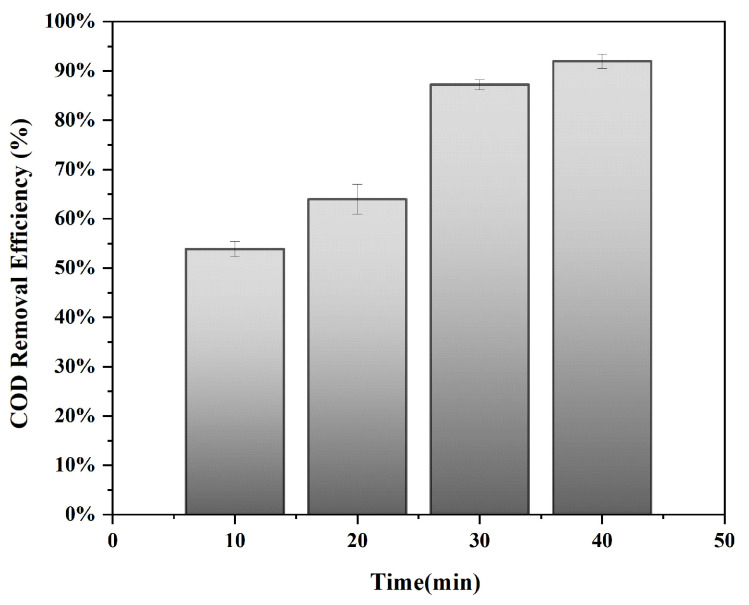 Figure 8
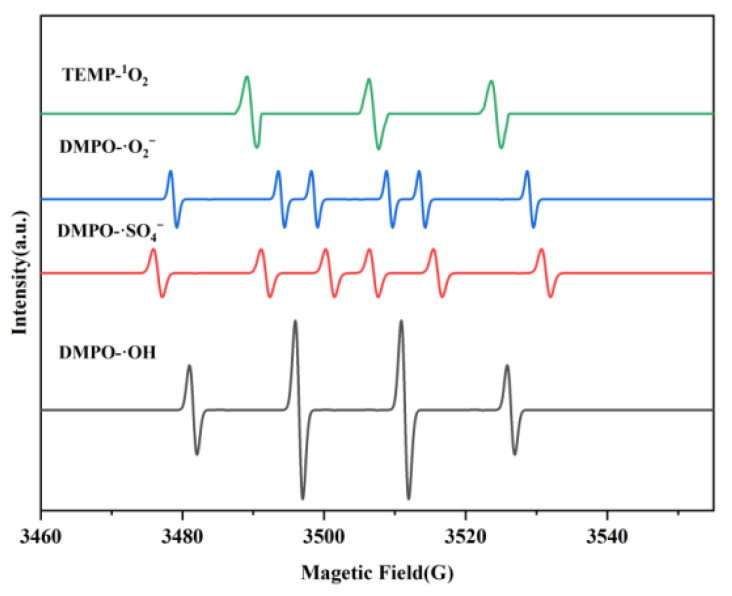 Figure 9
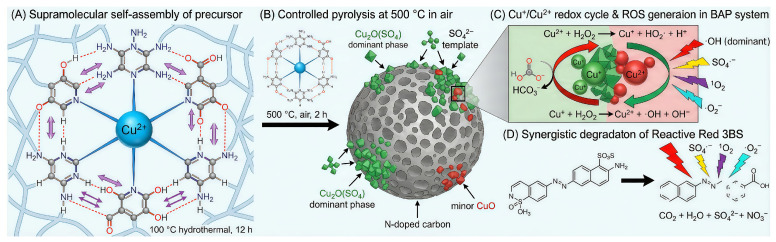 Figure 10
Peer Reviews
No public reviews on file for this paper yet. If you reviewed it on a platform where reviews are public (OpenReview, ICLR, NeurIPS, ICML), you can paste yours below so the community can read it here.
Videos
No videos yet. Explain this paper in a talk, walkthrough, or lecture? Add one.
Taxonomy
TopicsEnvironmental remediation with nanomaterials · Advanced oxidation water treatment · Metal-Organic Frameworks: Synthesis and Applications