Ammonia Recovery from Animal Manure via Hollow Fibre Membrane Contactors: Impact of Filtration Pre-Treatment and Organic Foulants on Mass Transfer and Performance
Niloufar Azizi, Shaun Connolly, Dominika Krol, Eoin Syron

TL;DR
This paper studies how to recover ammonia from animal manure using membrane technology, focusing on how pre-treatment and organic substances affect performance.
Contribution
The study introduces a penalty function approach to separately model resistances from solids and proteins, improving predictions for real-world ammonia recovery.
Findings
Total suspended solids mainly affect shell-side film resistance in hollow fibre membrane contactors.
Residual proteins on the membrane surface reduce the effective mass transfer coefficient by causing partial wetting.
A penalty function approach successfully models TSS- and protein-related resistances for better performance prediction.
Abstract
Ammonia (NH3) recovery from animal manure offers both environmental and economic benefits by reducing nitrogen emissions and producing valuable fertilisers. Hollow fibre membrane contactors (HFMCs) are a promising technology for this purpose, yet their performance is strongly influenced by the complex composition of manure. In this study, the effects of solids concentration and organic foulants concentration on the mass transfer coefficients governing NH3 recovery were systematically investigated. Total suspended solids (TSS) were reduced through graded filtration, and protein concentrations in the ammonium solutions were quantified to assess their role in limiting mass transfer. Results showed that TSS concentration primarily affected the shell-side film resistance. After extensive filtration, residual proteins attached to the membrane surface induced partial wetting, thereby reducing…
Genes, proteins, chemicals, diseases, species, mutations and cell lines named across the full text — each resolved to its canonical identifier and authoritative record.
Click any figure to enlarge with its caption.
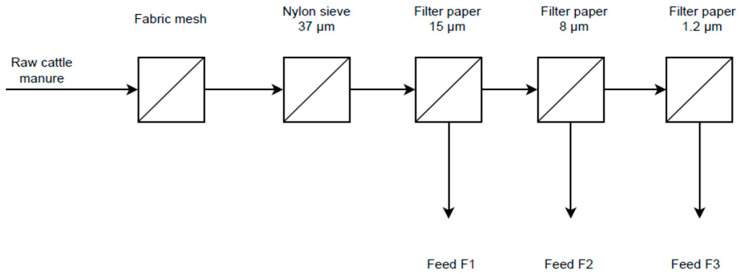 Figure 1
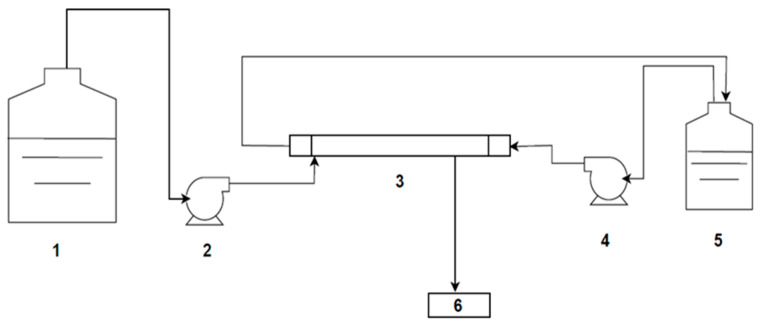 Figure 2
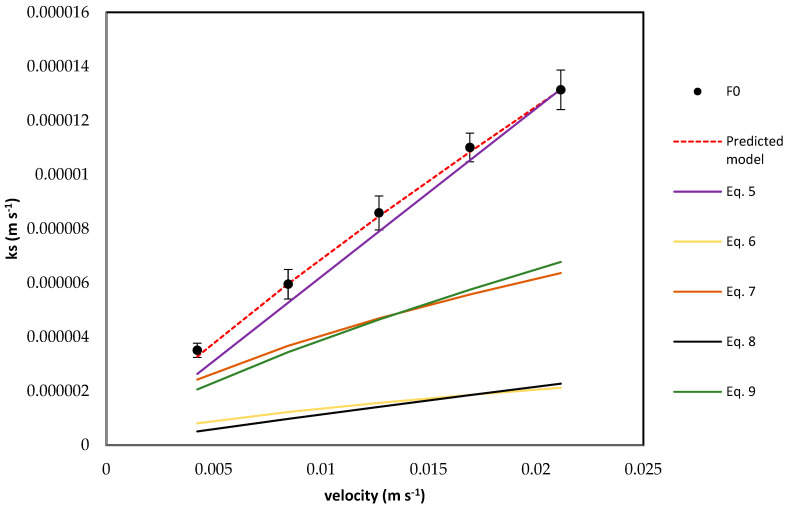 Figure 3
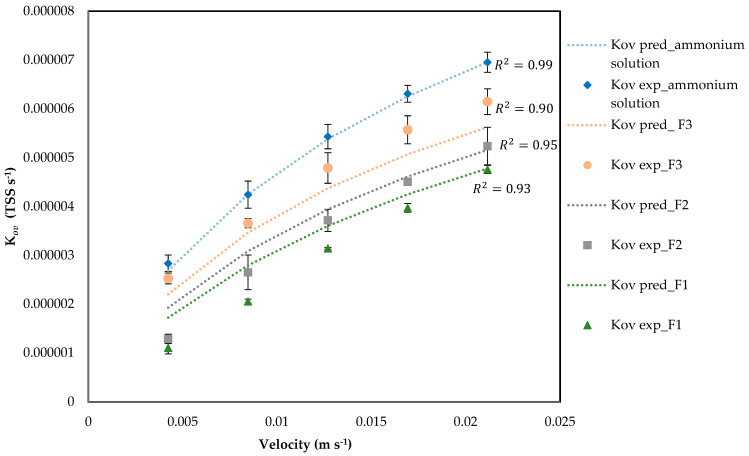 Figure 4
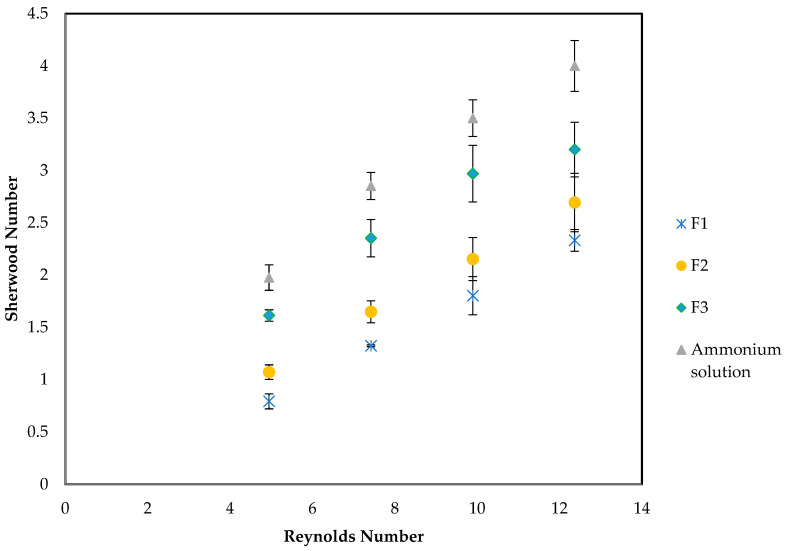 Figure 5
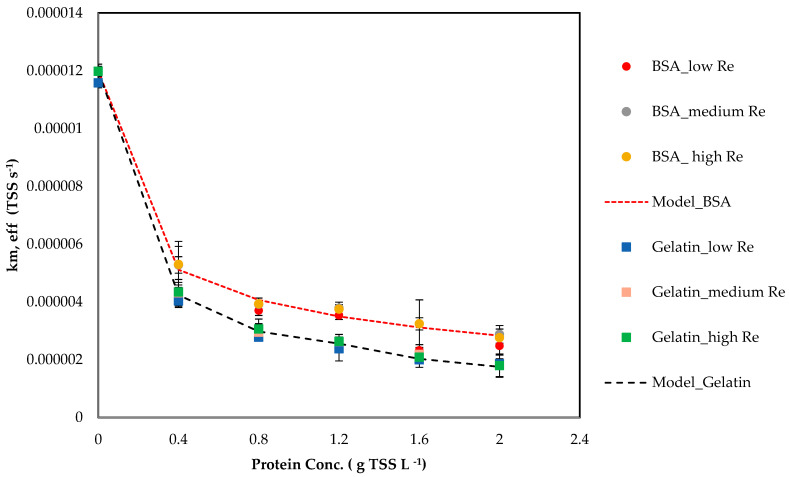 Figure 6
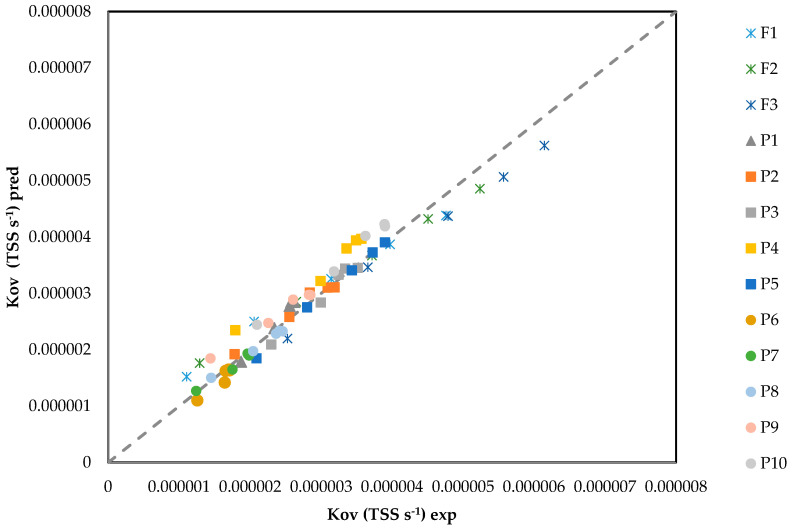 Figure 7
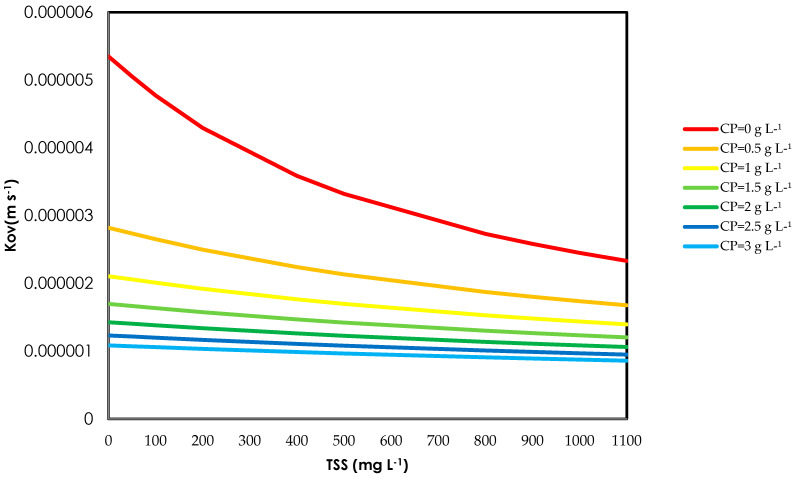 Figure 8
Peer Reviews
No public reviews on file for this paper yet. If you reviewed it on a platform where reviews are public (OpenReview, ICLR, NeurIPS, ICML), you can paste yours below so the community can read it here.
Videos
No videos yet. Explain this paper in a talk, walkthrough, or lecture? Add one.
Taxonomy
TopicsMembrane Separation Technologies · Phosphorus and nutrient management · Adsorption and biosorption for pollutant removal