Changes in the Metabolome of Different Tissues in Response to Streptozotocin Diabetes and Mildronate Exposure: A Metabolomic Assessment
David Hauton, Dragana Savic, John Walsby-Tickle, Damian Tyler, James S. O. McCullagh

TL;DR
This study shows that mildronate, a carnitine synthesis inhibitor, helps reduce blood glucose and alter liver metabolism in diabetic rats without affecting the brain's glucose use.
Contribution
The study provides new insights into mildronate's effects on diabetic metabolism, particularly in the liver and blood.
Findings
Mildronate reduced plasma carnitine and glucose levels in diabetic rats.
Mildronate restored liver beta-hydroxybutyrate and succinate levels to control levels in diabetic rats.
Mildronate did not affect brain TCA intermediates or PPP metabolites in diabetic rats.
Abstract
Background: Uncontrolled diabetes is characterised by a loss of blood glucose control and increased oxidation of fatty acids to produce ATP. Use of metabolic inhibitors to blunt fatty acid oxidation and restore glucose metabolism is a poorly studied intervention for diabetes. Methods: Steptozotocin-induced diabetes was developed in Wistar male rats. A subset was supplemented with mildronate (100 mg/kg—14 days). Exploiting liquid chromatography-mass spectrometry for workflows including ion exchange-, C18-reverse phase- and HILIC-based chromatography methods, metabolite levels were quantified in plasma liver and brain tissue. Using both untargeted and targeted metabolomic analysis changes to the global tissue metabolome and individual metabolic pathways were estimated. Results: We document that an inhibitor of carnitine synthesis, mildronate, decreased plasma (50% p < 0.01) carnitine…
Genes, proteins, chemicals, diseases, species, mutations and cell lines named across the full text — each resolved to its canonical identifier and authoritative record.
Click any figure to enlarge with its caption.
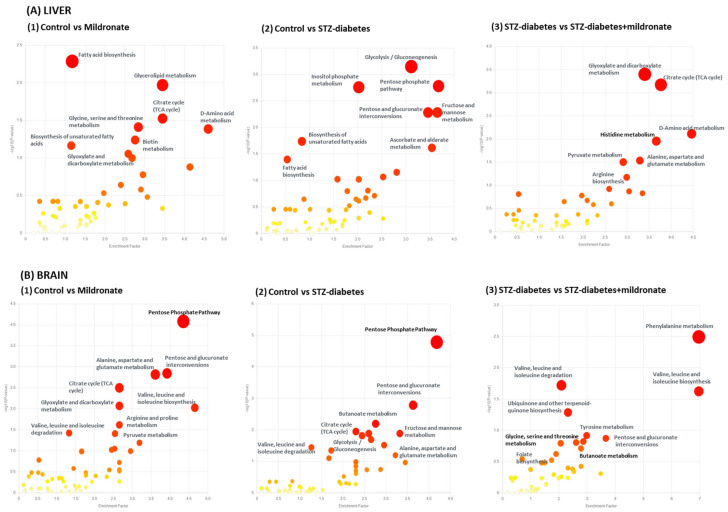 Figure 1
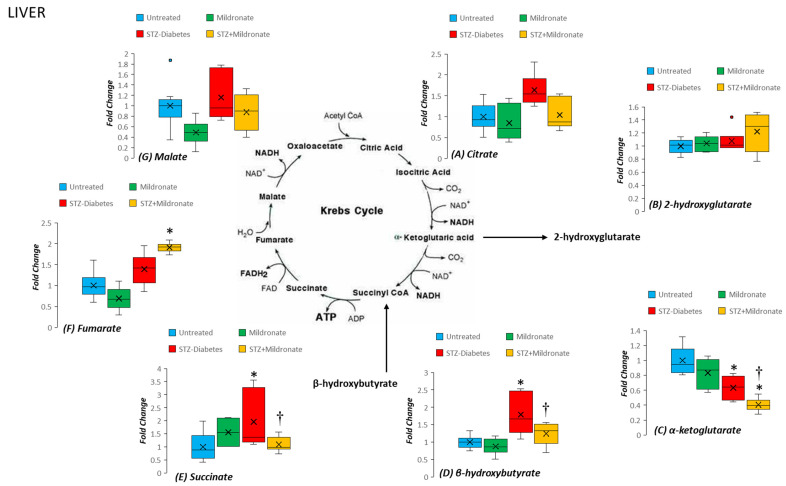 Figure 2
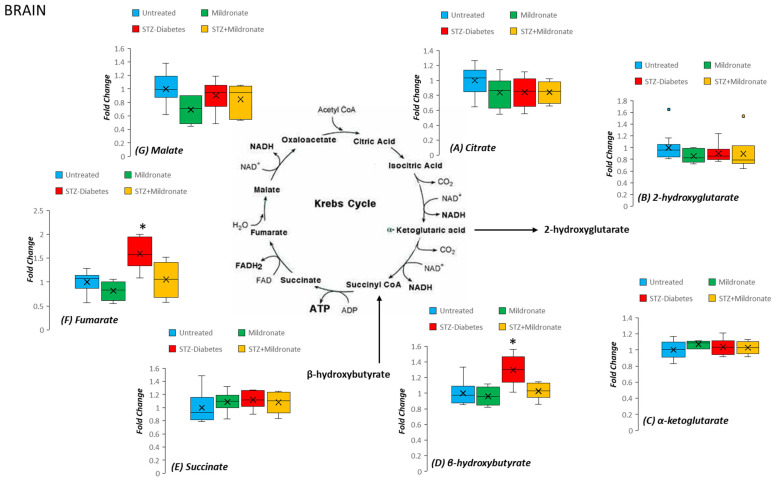 Figure 3
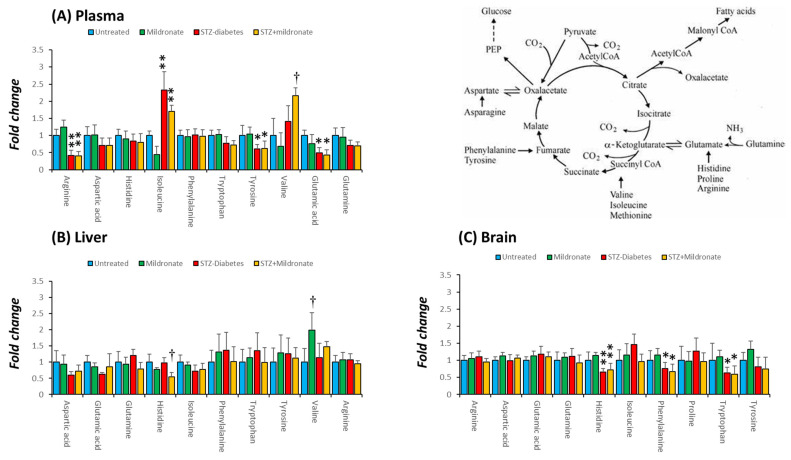 Figure 4
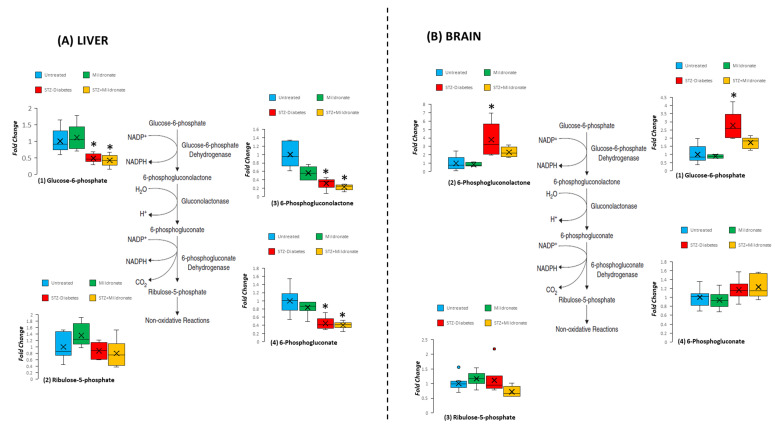 Figure 5
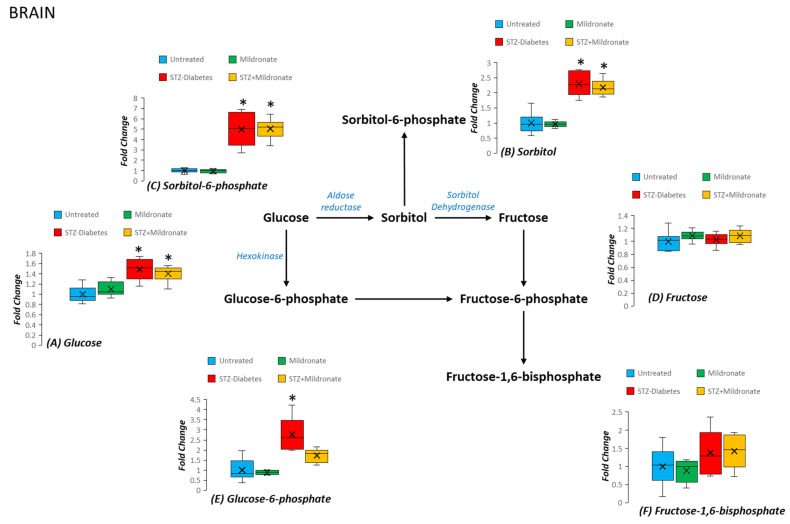 Figure 6
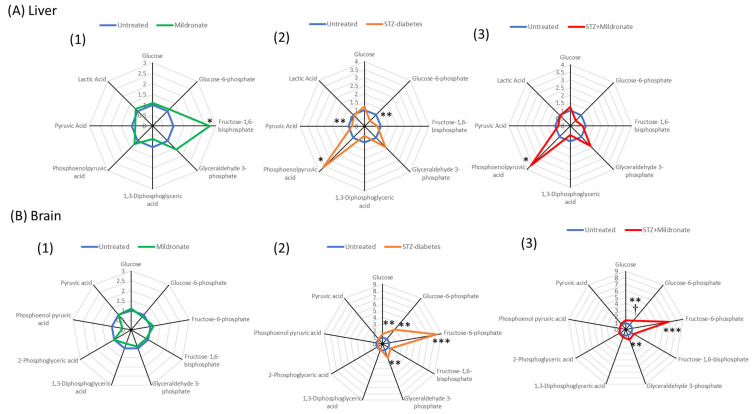 Figure 7
Peer Reviews
No public reviews on file for this paper yet. If you reviewed it on a platform where reviews are public (OpenReview, ICLR, NeurIPS, ICML), you can paste yours below so the community can read it here.
Videos
No videos yet. Explain this paper in a talk, walkthrough, or lecture? Add one.
Taxonomy
TopicsMetabolomics and Mass Spectrometry Studies · Metabolism and Genetic Disorders · Peroxisome Proliferator-Activated Receptors