Integrative Transcriptomic and Systems Biology Analyses Identify TCB1 as a Calcium-Responsive Gene in Cryptococcus neoformans
Andrea Gomes Tavanti, Júlia Catarina Vieira Reuwsaat, Heryk Motta, Eamim Daidrê Squizani, Rodrigo Silva Araujo Streit, Patrícia Aline Gröhs Ferrareze, Matheus da Silva Camargo, Bruno Cesar Feltes, Marilene Henning Vainstein, Charley Christian Staats, Lívia Kmetzsch

TL;DR
This study identifies TCB1 as a calcium-responsive gene in Cryptococcus neoformans, linking it to stress adaptation and capsule regulation.
Contribution
The novel contribution is the identification of TCB1 as a new regulator in the calcium-calcineurin pathway of Cryptococcus neoformans.
Findings
TCB1 is regulated by Cna1 and Pmc1 and contains conserved C2 domains.
TCB1 expression is temperature and calcium-responsive, affecting capsule size and GXM shedding.
TCB1 deletion does not impact virulence or sensitivity to stressors in larval models.
Abstract
Cryptococcus neoformans is a pathogenic yeast and the leading cause of cryptococcosis in humans. The calcium-calcineurin signaling pathway plays a central role in stress adaptation and virulence. To identify the uncharacterized regulators of fungal adaptation, we utilized an integrative systems biology approach, combining differential gene expression and network analysis using transcriptomic data from three key components of the calcium-calcineurin pathway (Cna1, Crz1, and Pmc1). Our workflow identified the CNAG_00522 gene product, which we designated tricalbin 1 (TCB1) due to its conserved calcium and lipid-binding C2 domains. TCB1 expression was found to be regulated by both Cna1 and Pmc1. Network analyses positioned Tcb1 as a bottleneck linking general stress response and cellular processes. Further molecular characterization confirmed that TCB1 expression is temperature and…
Genes, proteins, chemicals, diseases, species, mutations and cell lines named across the full text — each resolved to its canonical identifier and authoritative record.
Click any figure to enlarge with its caption.
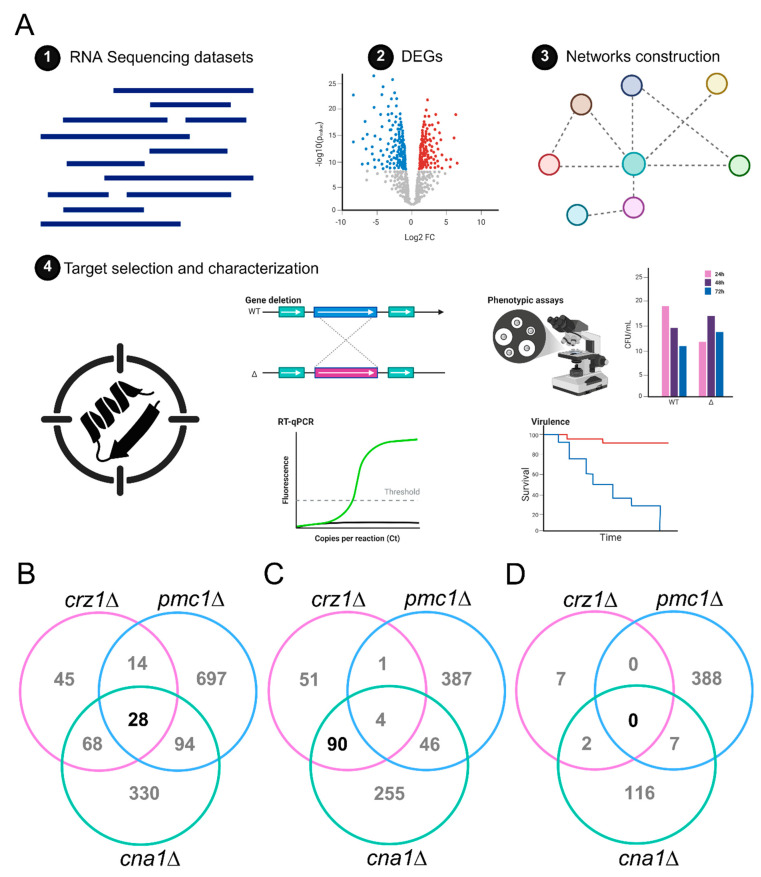 Figure 1
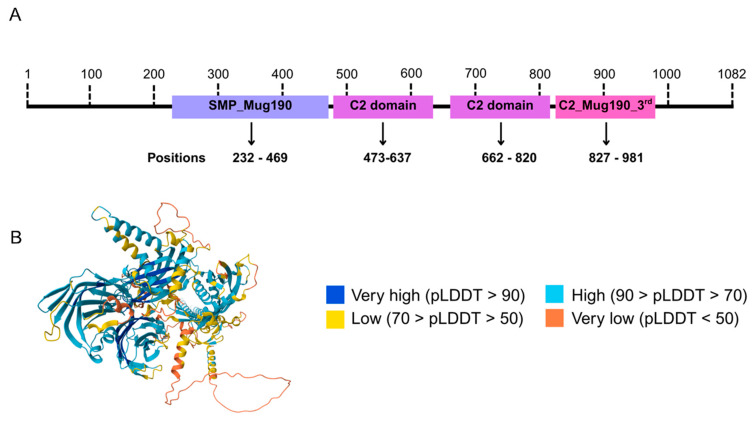 Figure 2
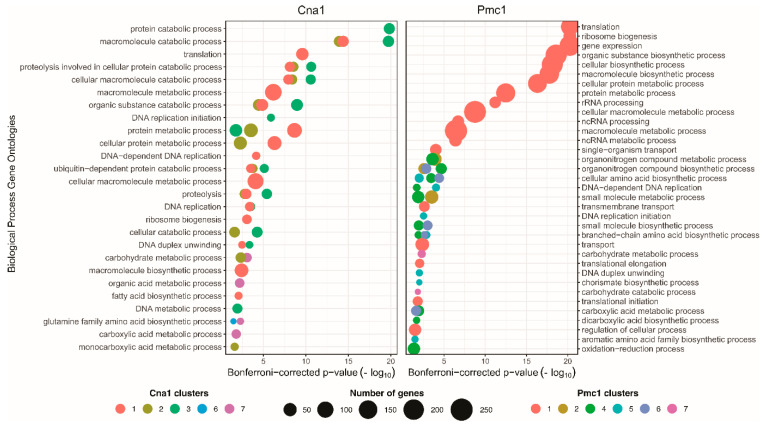 Figure 3
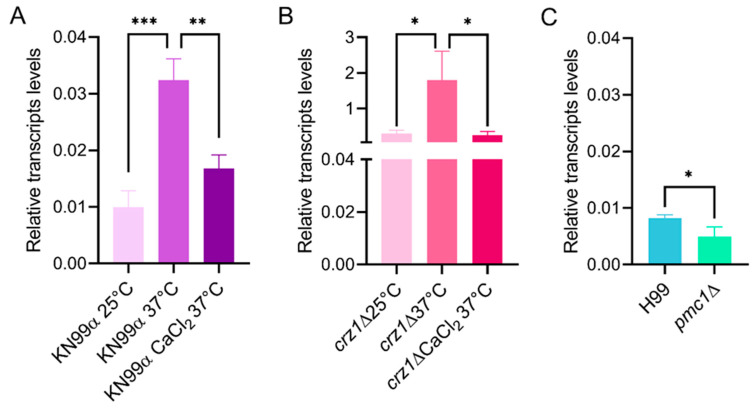 Figure 4
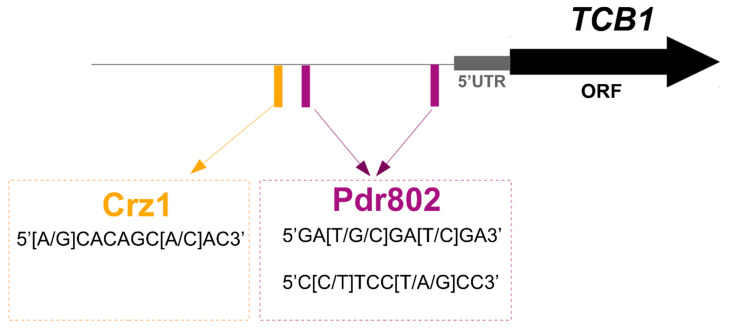 Figure 5
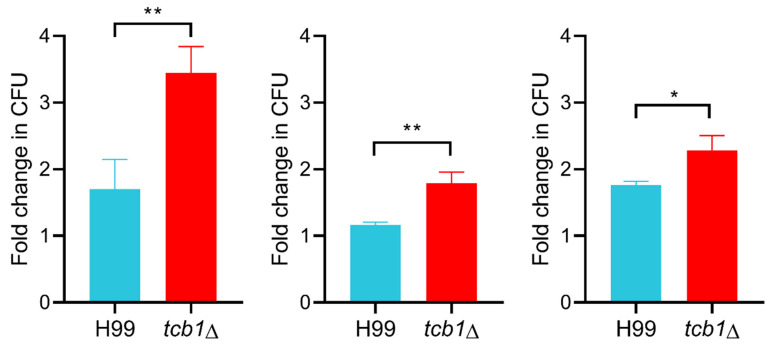 Figure 6
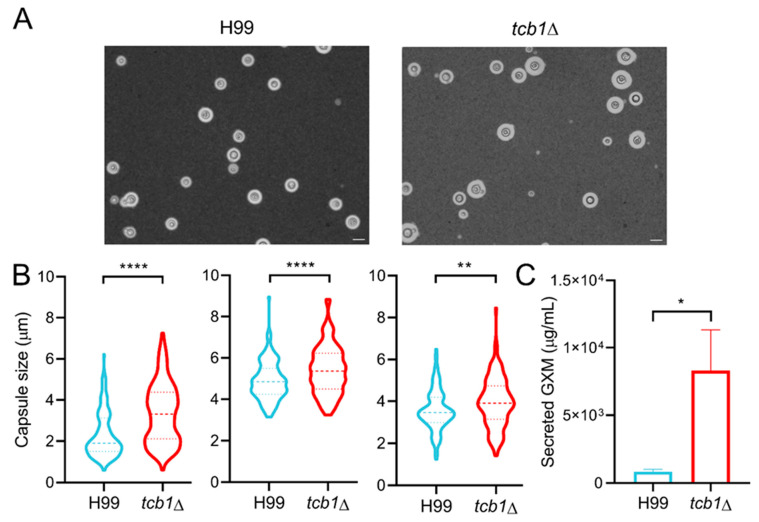 Figure 7
Peer Reviews
No public reviews on file for this paper yet. If you reviewed it on a platform where reviews are public (OpenReview, ICLR, NeurIPS, ICML), you can paste yours below so the community can read it here.
Videos
No videos yet. Explain this paper in a talk, walkthrough, or lecture? Add one.
Taxonomy
TopicsFungal Infections and Studies · Nail Diseases and Treatments · Antifungal resistance and susceptibility