Prebiotic Treatment During Pregnancy Prevents Social Deficits Associated with Autism Spectrum Disorder-like Behavior Induced by Maternal Immune Activation
Frederico Rogério Ferreira, Guilherme Araujo Rouvier, Lucas Hassib, Raphael de Andrade Morraye, Yago Soares Pereira da Silva, Luís Fernando Saldanha da Gama, Iuri Souza Pereira, Angelica Oliveira Gomes, Maria Julia Granero Rosa, Ana Carolina de Morais-Scussel

TL;DR
This study shows that prebiotic inulin during pregnancy can reduce autism-like social deficits in offspring caused by maternal immune activation.
Contribution
The study demonstrates inulin's protective effect on offspring neurodevelopment through microbiome modulation during maternal immune activation.
Findings
Inulin treatment during pregnancy reduced social deficits in offspring exposed to maternal immune activation.
Inulin mitigated anhedonia in female offspring of the maternal immune activation group.
Fecal microbiota analysis revealed significant differences between inulin and antigen treatments.
Abstract
Maternal exposure to infectious agents has been associated with an increased risk of mental disorders in offspring, such as autism spectrum disorder. Evidence suggests that maternal immune responses during infection can significantly impact the neurodevelopment of the offspring, potentially affecting central nervous system functions in the future. Inulin is an indigestible soluble fiber that acts as a prebiotic. It promotes the production of short-chain fatty acids, such as butyrate, which can help inhibit the production of pro-inflammatory cytokines. Thus, this study aims to investigate whether inulin treatment during pregnancy can mitigate or reduce the impact of maternal immune activation (MIA) on the neurodevelopment of the offspring. Swiss mice were used in a dose–response study to evaluate the protective effects of inulin against maternal exposure to soluble Toxoplasma gondii…
Genes, proteins, chemicals, diseases, species, mutations and cell lines named across the full text — each resolved to its canonical identifier and authoritative record.
Click any figure to enlarge with its caption.
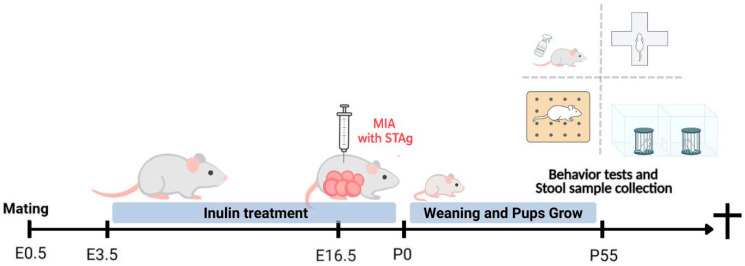 Figure 1
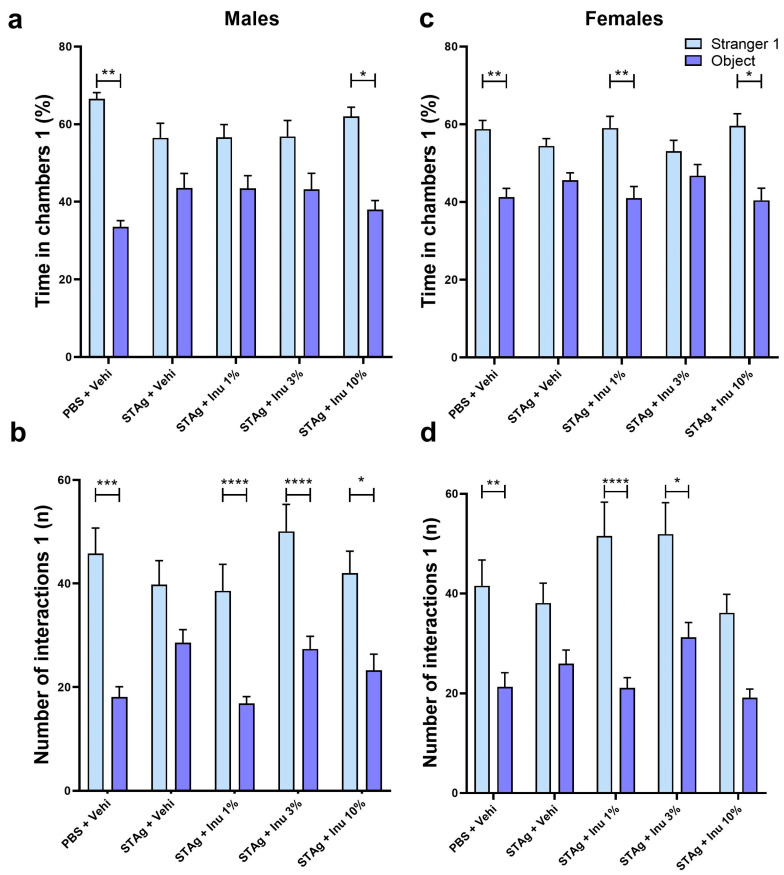 Figure 2
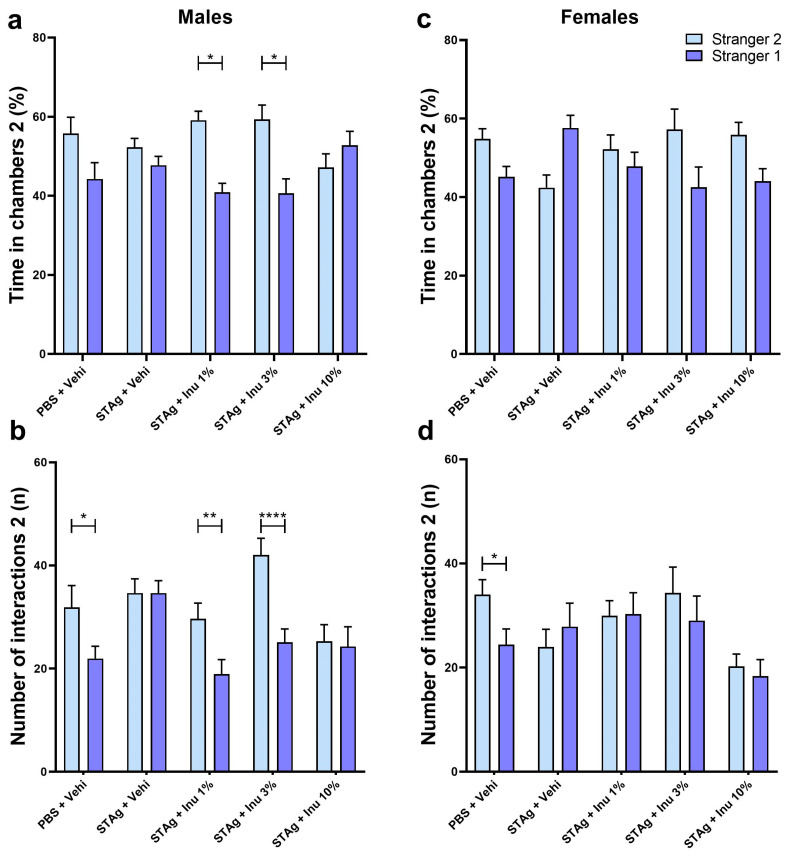 Figure 3
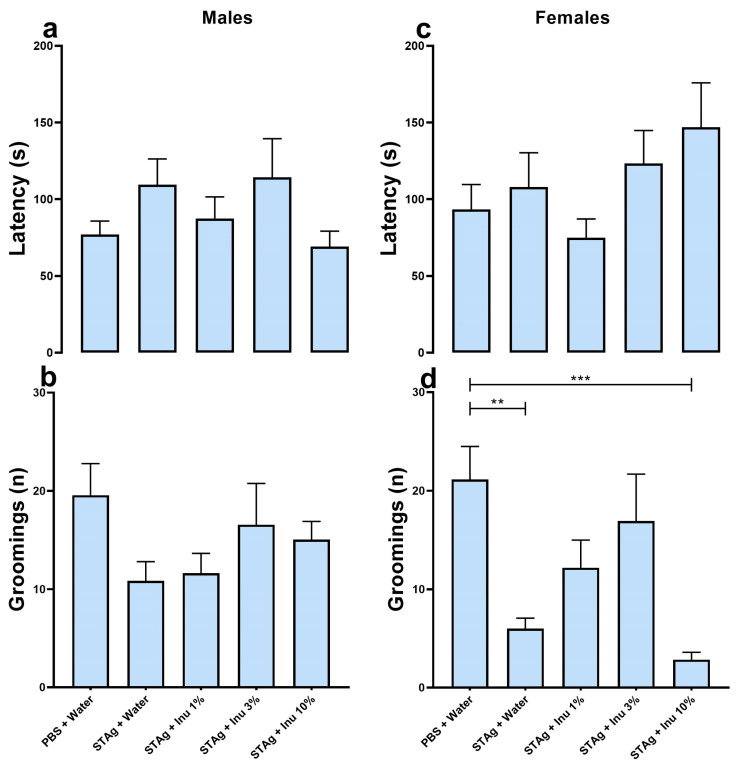 Figure 4
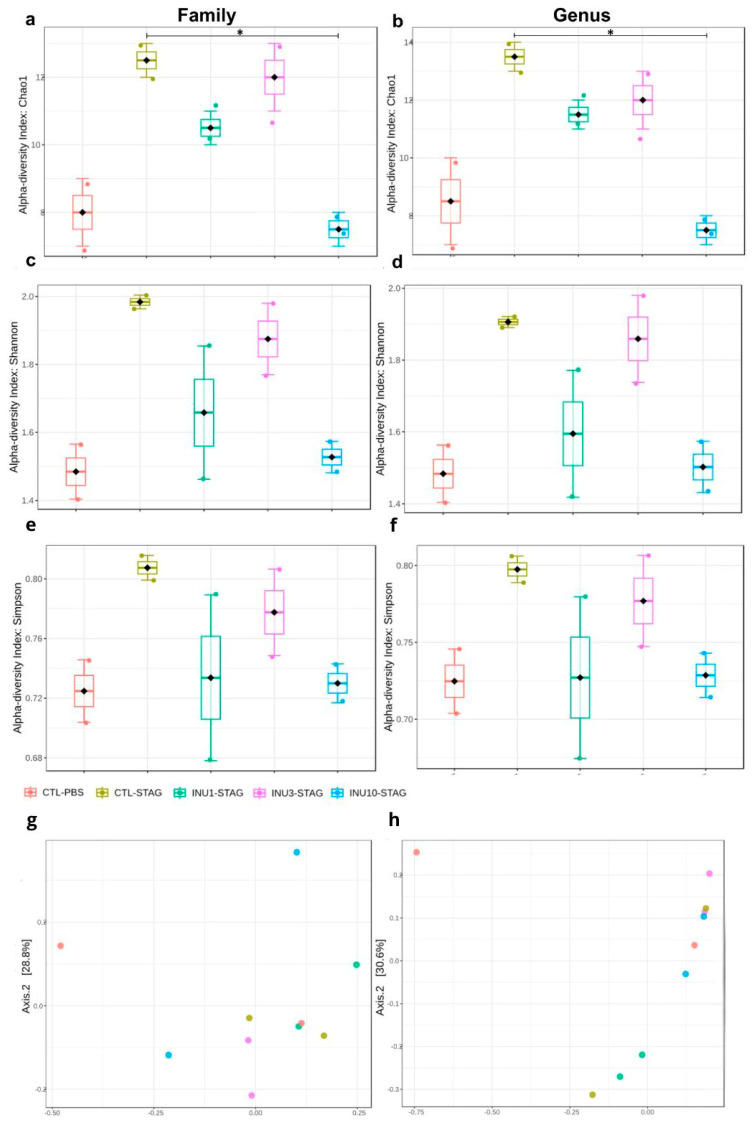 Figure 5
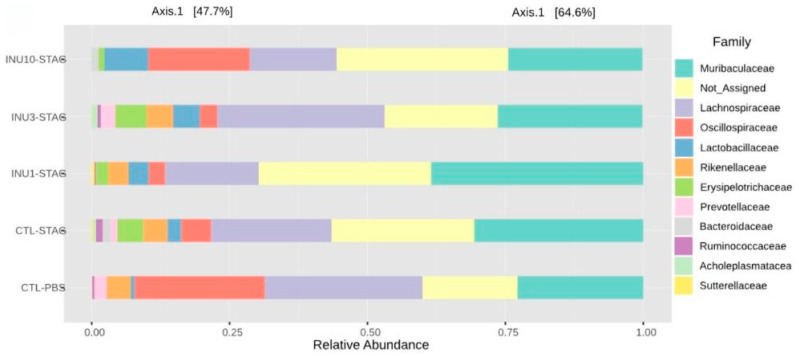 Figure 6
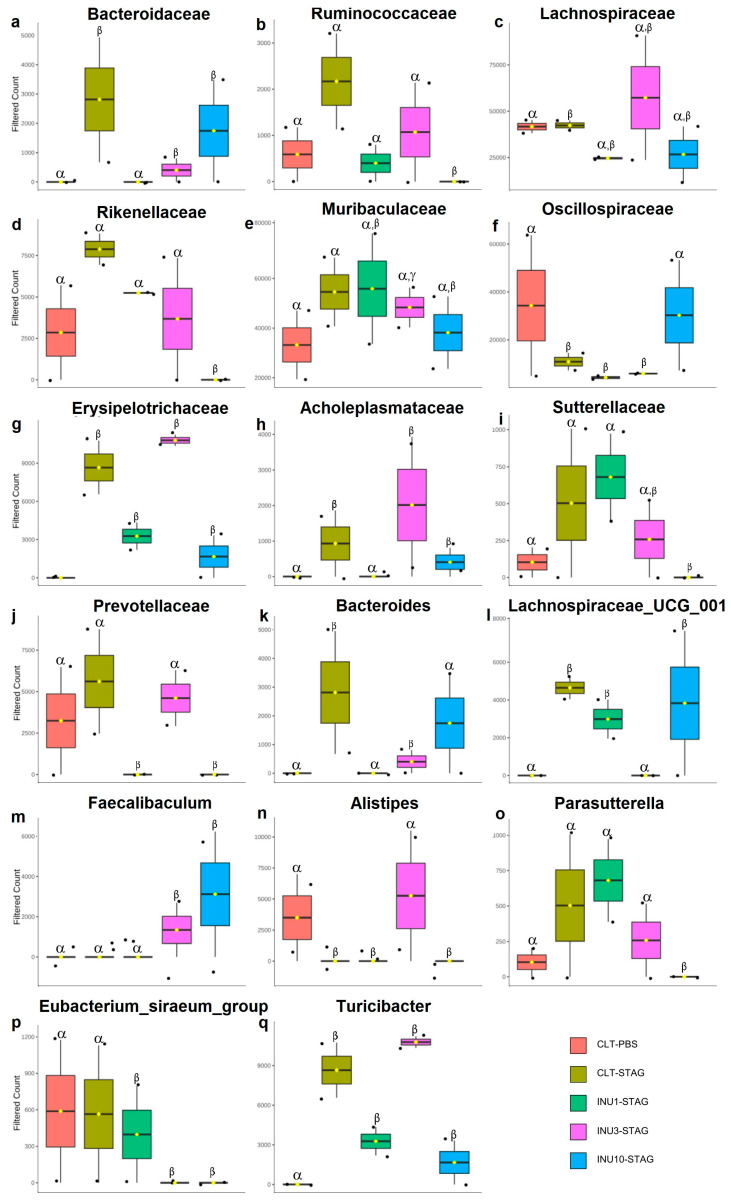 Figure 7
Peer Reviews
No public reviews on file for this paper yet. If you reviewed it on a platform where reviews are public (OpenReview, ICLR, NeurIPS, ICML), you can paste yours below so the community can read it here.
Videos
No videos yet. Explain this paper in a talk, walkthrough, or lecture? Add one.
Taxonomy
TopicsTryptophan and brain disorders · Gut microbiota and health · Toxoplasma gondii Research Studies