Optimization of Stryphnodendron adstringens (Barbatimão) Extraction: Chemical Evaluation, Cytotoxicity, Antioxidant and Anti-Inflammatory Activities
Cynthia Nara Pereira de Oliveira, Thainá Gomes Peixoto, Luiz Gustavo Modesto Lobo Teixeira, Samuel Beiral Alves Pessoa, Nicole Maia Pedrosa, Viviane Flores Xavier, Paula Melo de Abreu Vieira, Cristina Duarte Vianna Soares, André Augusto Gomes Faraco, Karina Barbosa de Queiroz

TL;DR
This study optimizes the extraction of Stryphnodendron adstringens, finding that single-step methods using water are safer, more cost-effective, and retain medicinal properties.
Contribution
The study introduces a single-step, water-based extraction method for S. adstringens that balances safety, cost, and efficacy for industrial use.
Findings
Single-step extraction with water produced safe, effective, and high-yield polyphenol-rich extracts.
All extracts showed over 70% cell viability and reduced inflammatory cytokine production.
Two-step organic extraction was less practical due to higher costs and use of toxic solvents.
Abstract
Extracts from the stem bark of Stryphnodendron adstringens (barbatimão) exhibit relevant medicinal properties, such as anti-inflammatory, antioxidant, antimicrobial, and wound-healing activities, which reinforce their potential for developing herbal medicines. The $550 billion plant bioactive market (by 2030) demands safer, green-chemistry-aligned extraction methods for responsible industrial scaling. In this study, dry extracts obtained from the stem bark of S. adstringens were obtained by ultrasound-assisted maceration in one- and two-step extraction systems. Parameters such as yield, solvent evaporation time, cost, acute toxicity, epigallocatechin gallate (EGCG) concentration, cell viability, antioxidant potential, and anti-inflammatory activity were evaluated. High-EGCG two-step organic extracts were industrially difficult, needing more raw material and toxic solvents. In contrast,…
Genes, proteins, chemicals, diseases, species, mutations and cell lines named across the full text — each resolved to its canonical identifier and authoritative record.
Click any figure to enlarge with its caption.
 Figure 1
 Figure 2
 Figure 3
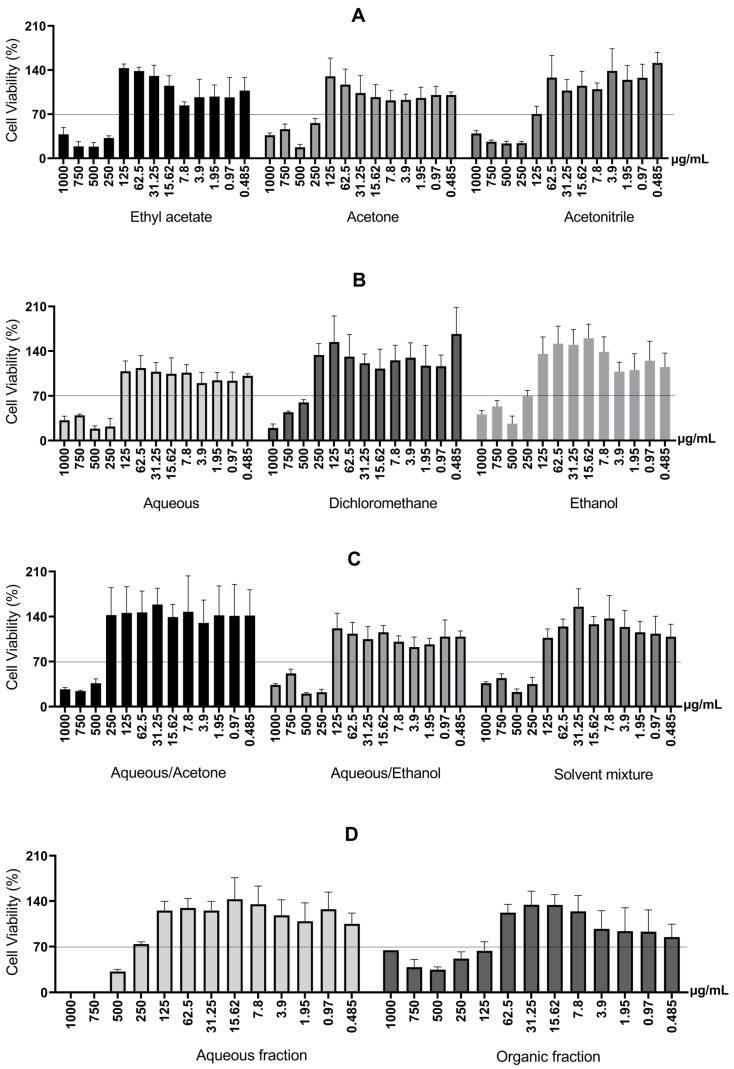 Figure 4
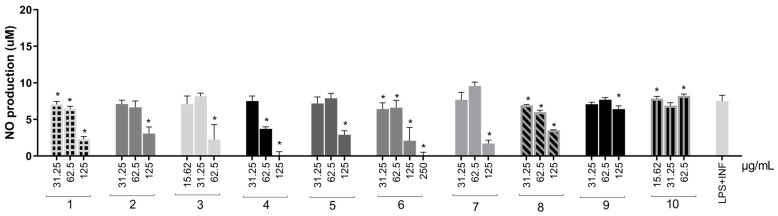 Figure 5
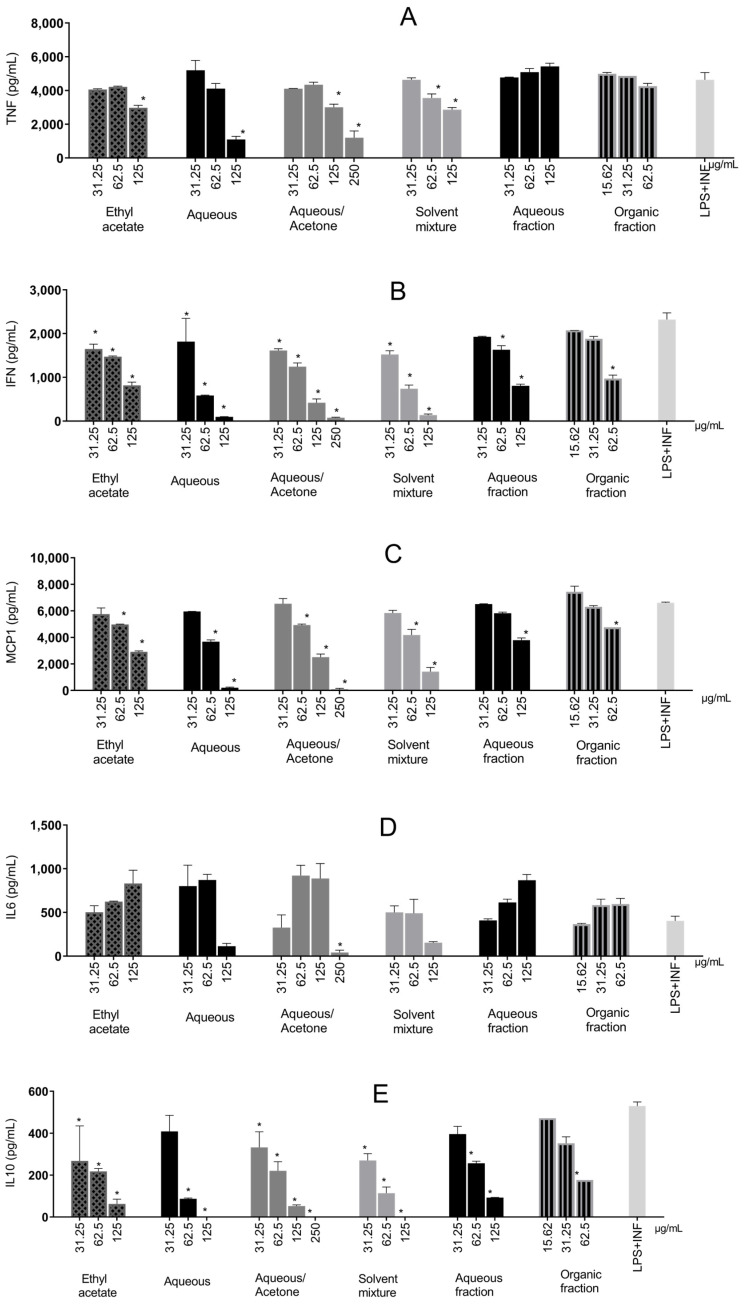 Figure 6
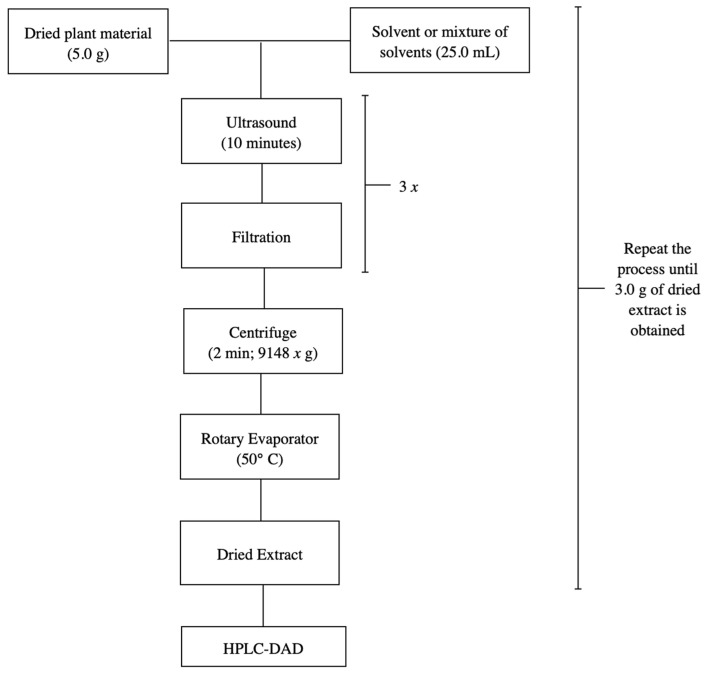 Figure 7
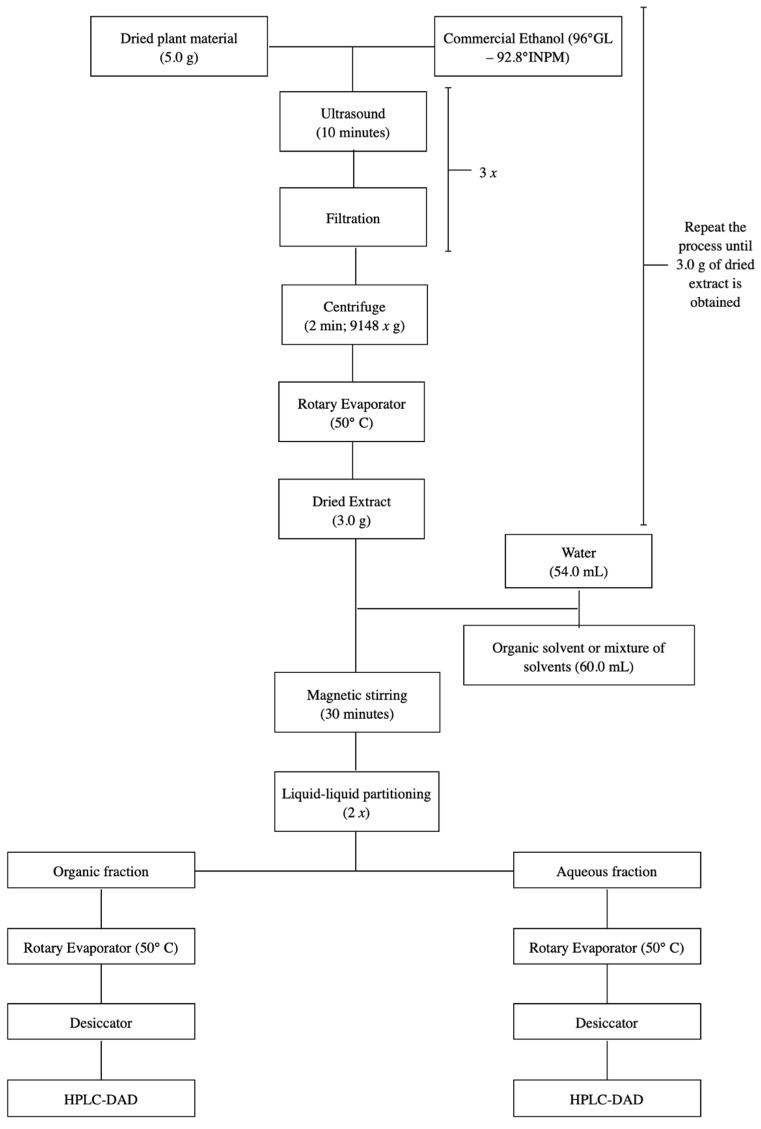 Figure 8
Peer Reviews
No public reviews on file for this paper yet. If you reviewed it on a platform where reviews are public (OpenReview, ICLR, NeurIPS, ICML), you can paste yours below so the community can read it here.
Videos
No videos yet. Explain this paper in a talk, walkthrough, or lecture? Add one.
Taxonomy
TopicsPhytochemistry Medicinal Plant Applications · Phytochemicals and Antioxidant Activities · Plant-Derived Bioactive Compounds