Cytotoxic Effects of a Triorganotin Derivative on HTLV-1-Infected Cells at Different Immortalization/Transformation Stages In Vitro
Valeria Stefanizzi, Antonella Minutolo, Evariste Molimbou, Emanuela Balestrieri, Martina Giudice, Franca M. Cordero, Claudia Mosca, Antonio Mastino, Beatrice Macchi, Claudia Matteucci, Sandro Grelli, Francesca Marino-Merlo

TL;DR
This study shows that a tin-based compound has strong cytotoxic effects on HTLV-1-infected cells in different transformation stages, suggesting potential as an anti-cancer agent.
Contribution
The study is the first to demonstrate the cytotoxic effects of a tin-based compound on HTLV-1-infected cells at various transformation stages.
Findings
TBT induced dose-dependent inhibition of metabolic activity and viability in HTLV-1-infected cells.
Apoptotic cell death was involved in the cytotoxic effects of TBT, though other forms of cell death may also be involved.
C91/PL cells showed resistance to TBT, indicating cell-type-dependent effects.
Abstract
Among the metal-derived complexes, recently, tin derivatives have been investigated as promising anti-cancer drug candidates. Our previous study showed that the tin-based compound Bu3SnOCOCF3 (TBT) exerts cytotoxic activity on solid tumor cell lines. In the present study, the effects of TBT were evaluated in vitro on HTLV-1-infected human lymphocytic cell lines at different stages of viral transformation, consisting of IL-2-dependent (PB2/IL-2) and IL-2-independent (PB2/NO-IL-2) cells, generated in our laboratory by HTLV-1 in vitro infection of lymphocytes from the same donor, and the C91/PL cell line established by co-cultivation with T cells from a patient with HTLV-1-positive leukemia. TBT induced a reliable and reproducible dose-dependent inhibition of metabolic activity and viability in the HTLV-1-infected cells. The effect was cell-type-dependent, with C91/PL cells being quite…
Genes, proteins, chemicals, diseases, species, mutations and cell lines named across the full text — each resolved to its canonical identifier and authoritative record.
Click any figure to enlarge with its caption.
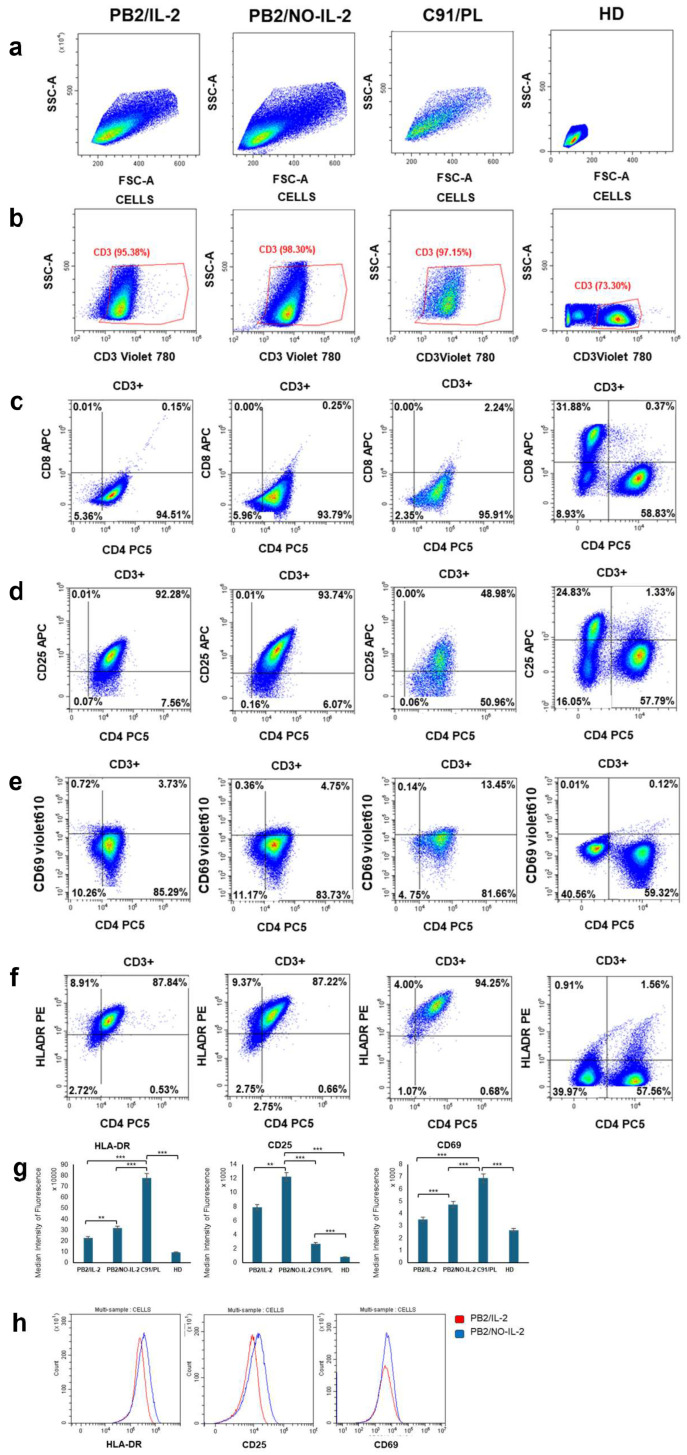 Figure 1
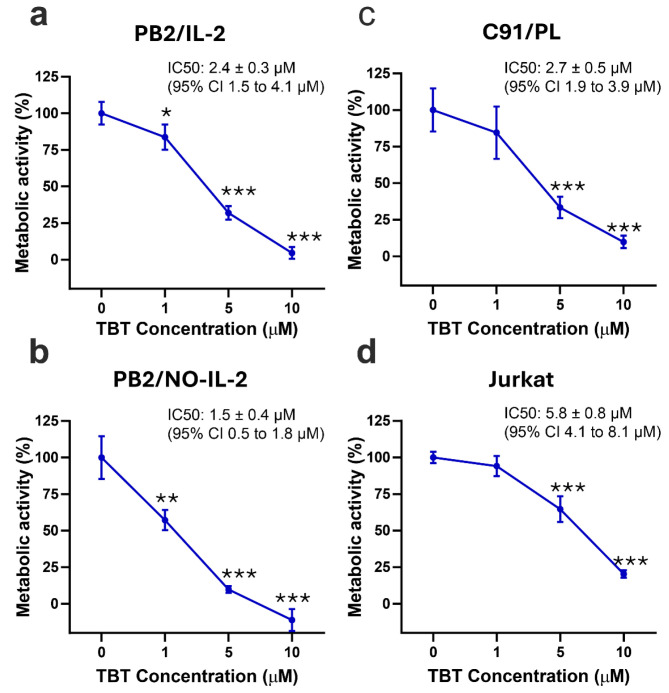 Figure 2
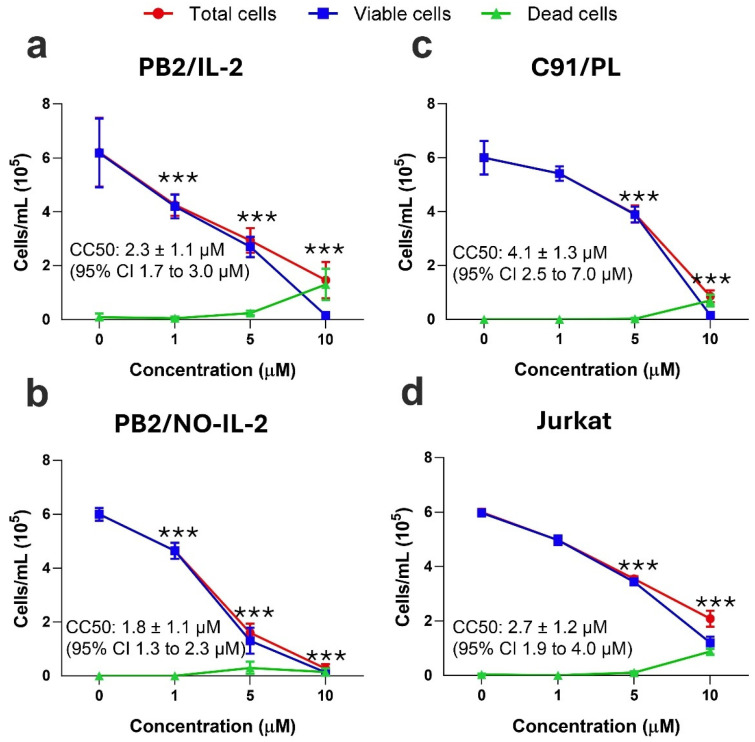 Figure 3
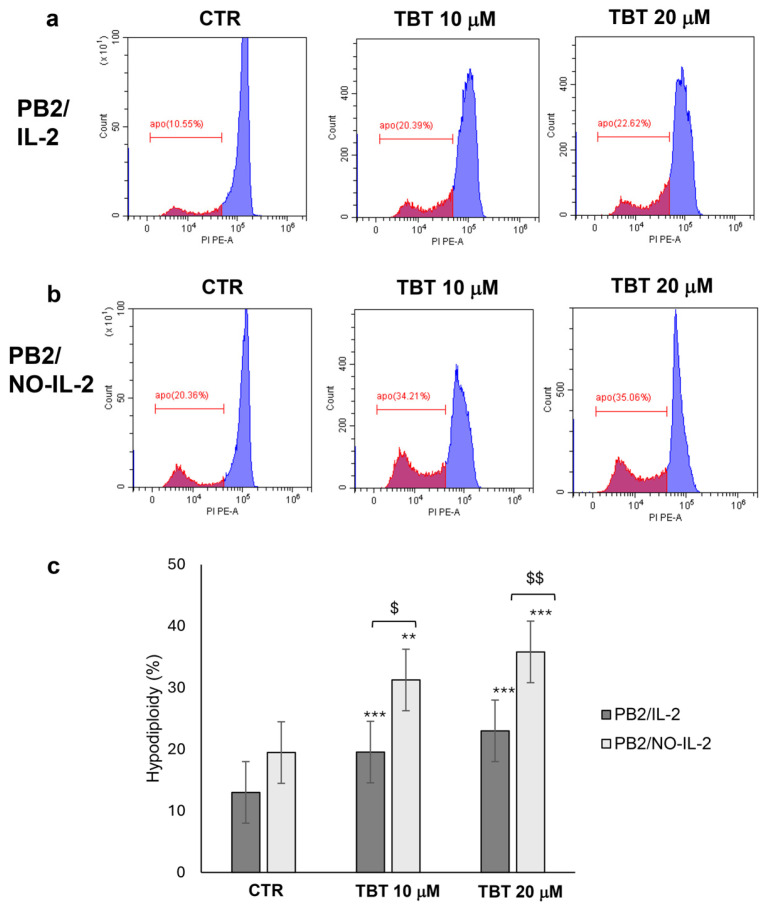 Figure 4
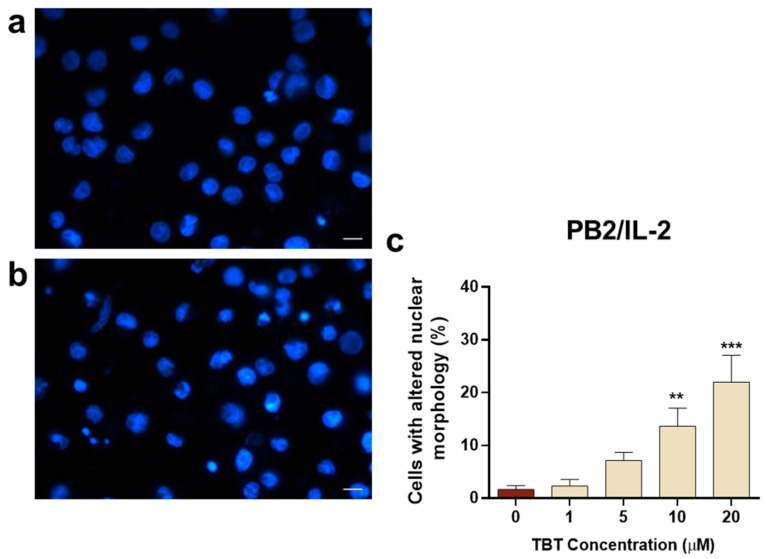 Figure 5
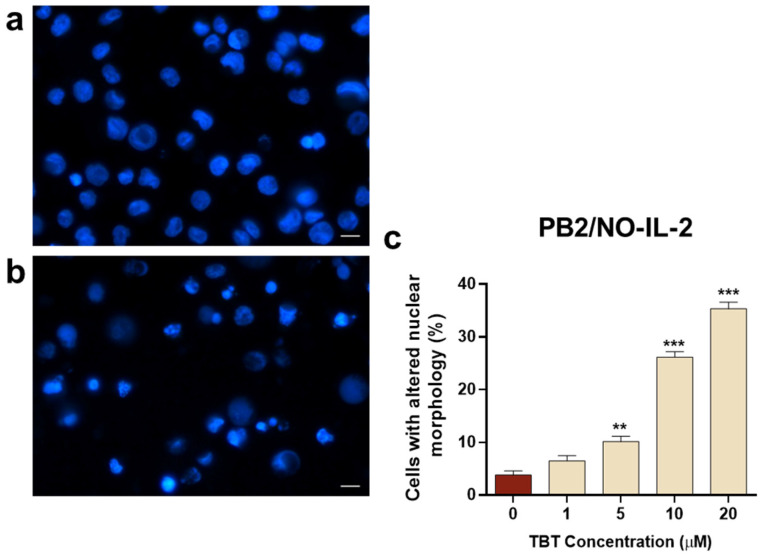 Figure 6
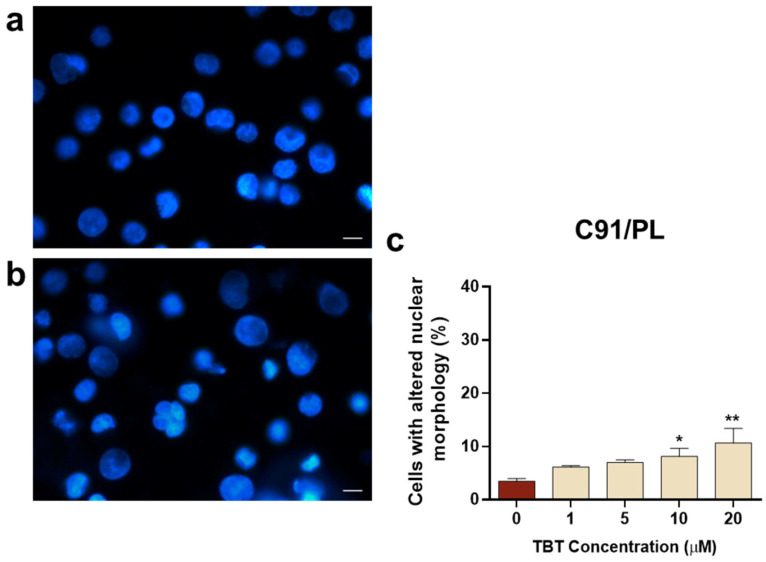 Figure 7
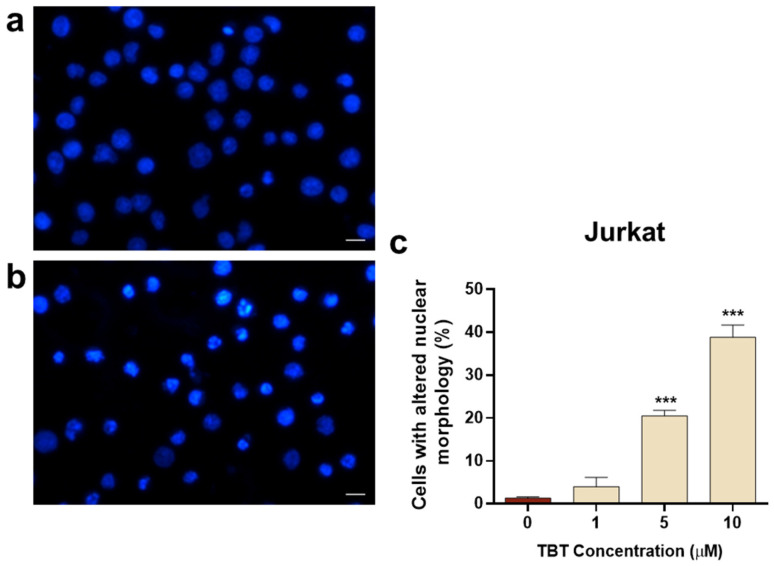 Figure 8
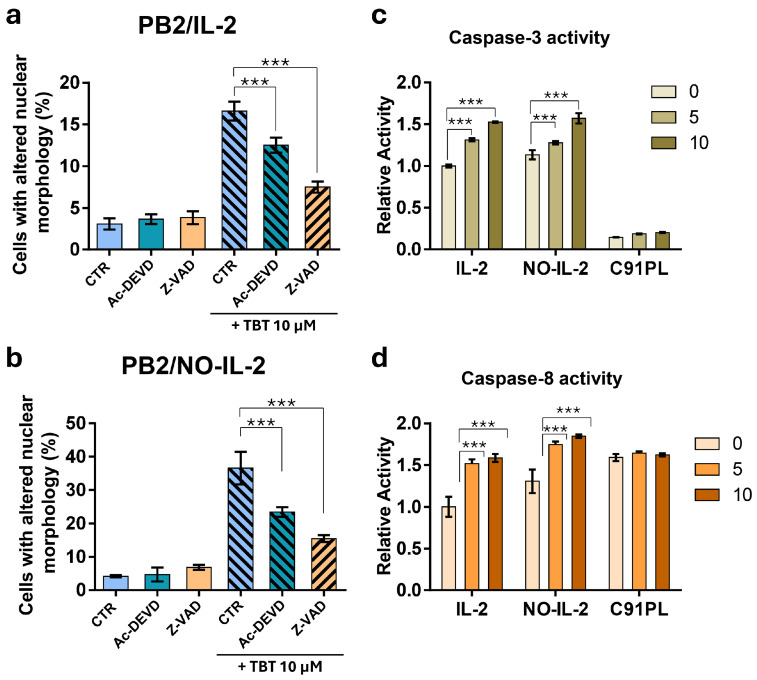 Figure 9
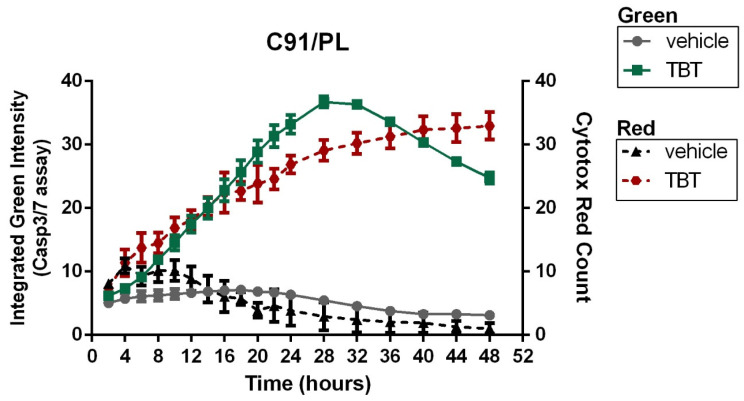 Figure 10
Peer Reviews
No public reviews on file for this paper yet. If you reviewed it on a platform where reviews are public (OpenReview, ICLR, NeurIPS, ICML), you can paste yours below so the community can read it here.
Videos
No videos yet. Explain this paper in a talk, walkthrough, or lecture? Add one.
Taxonomy
TopicsOrganometallic Compounds Synthesis and Characterization · Metal complexes synthesis and properties · Polyoxometalates: Synthesis and Applications