Discrimination of Bipolar Disorder and Schizophrenia Patients Based on LC-HRMS Lipidomics
Milan R. Janković, Nataša Avramović, Zoran Miladinović, Milka B. Jadranin, Marija Takić, Gordana Krstić, Aleksandra Gavrilović, Čedo Miljević, Maja Pantović, Zorana Andrić, Savvas Radević, Danica Savić, Stefan Lekić, Vele Tešević, Boris Mandić

TL;DR
This study identifies lipid biomarkers in blood that can help distinguish bipolar disorder from schizophrenia, potentially improving diagnosis accuracy.
Contribution
The study introduces gender-specific lipid biomarkers that differentiate bipolar disorder and schizophrenia patients using LC-HRMS lipidomics.
Findings
Five key lipid biomarkers were identified to distinguish bipolar disorder from schizophrenia.
Gender-specific models revealed distinct biomarkers for males and females.
Elevated glycerophospholipids and sphingophospholipids suggest lipid metabolism differences in schizophrenia.
Abstract
Background/Objectives: Schizophrenia (SCH) and bipolar disorder (BD) share overlapping symptoms and genetic factors, making differential diagnosis challenging and often leading to misdiagnosis. This study aimed to identify potential lipid biomarkers of serum capable of distinguishing BD from SCH. Methods: Lipid profiles of serum from 30 SCH and 31 BD patients were analyzed in triplicates using liquid chromatography–high-resolution mass spectrometry (LC-HRMS). Chemometric analysis was applied, including class and gender identifiers. Orthogonal partial least squares (OPLS) models with 1000 cross-validations were used to validate feature subsets. Results: The chemometric analysis included the most relevant metabolites in the comparison between all samples of SCH and BD patients, identifying five key biomarkers (LPC 16:0, SM 33:1, SM 32:1, compound C30H58O3, and PC 30:0) with VIP scores > 1…
Genes, proteins, chemicals, diseases, species, mutations and cell lines named across the full text — each resolved to its canonical identifier and authoritative record.
Click any figure to enlarge with its caption.
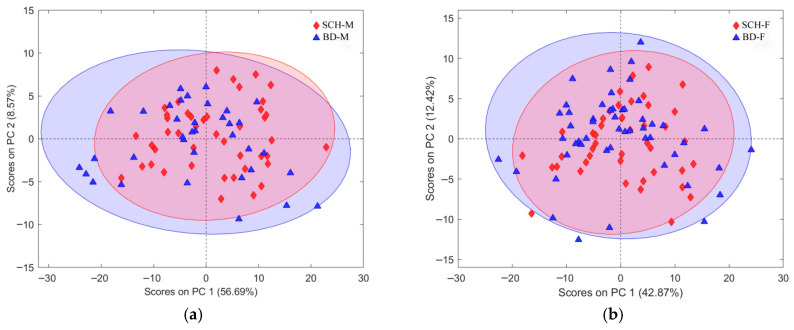 Figure 1
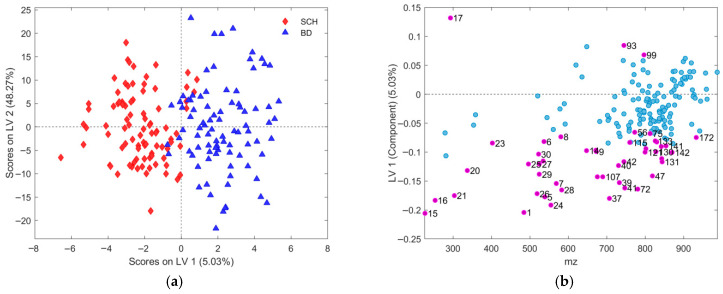 Figure 2
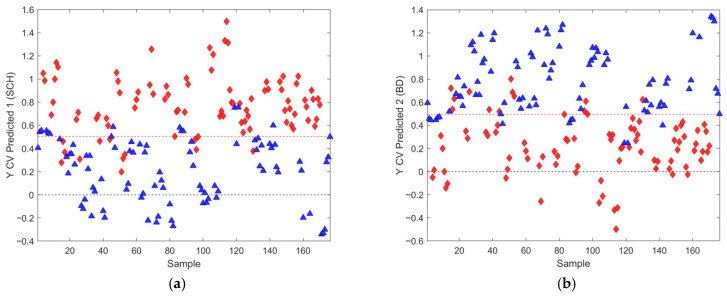 Figure 3
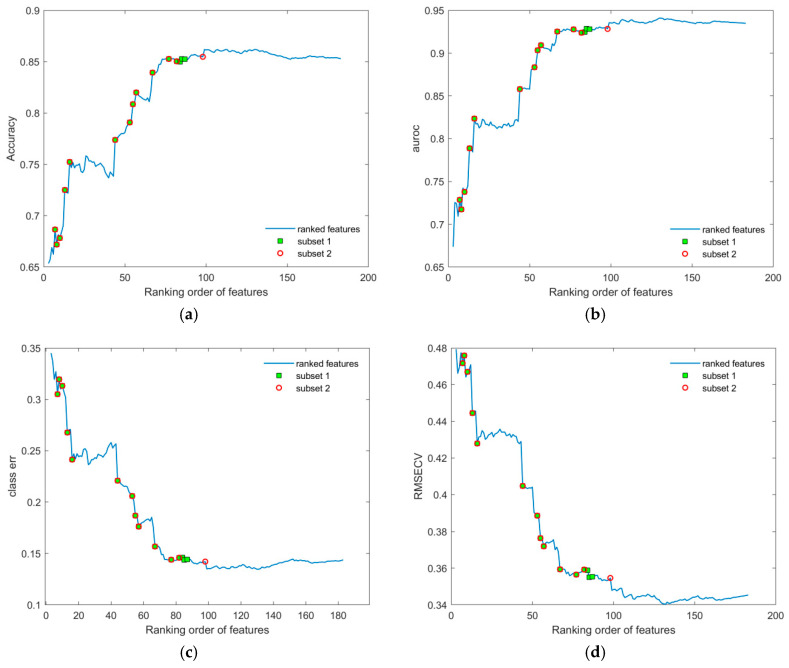 Figure 4
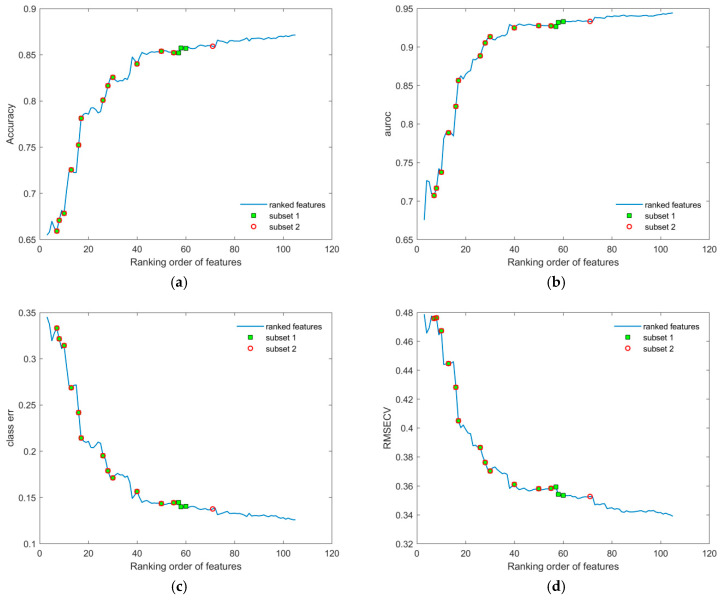 Figure 5
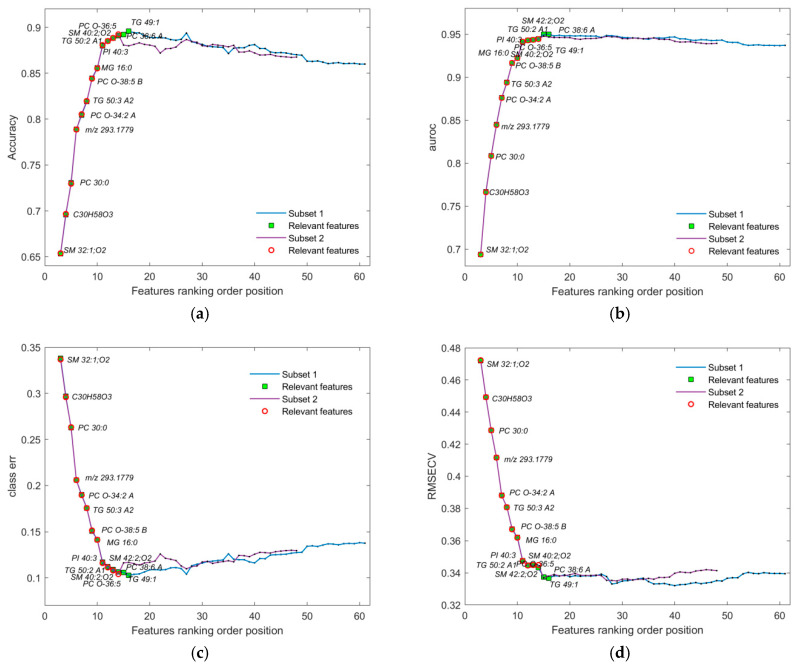 Figure 6
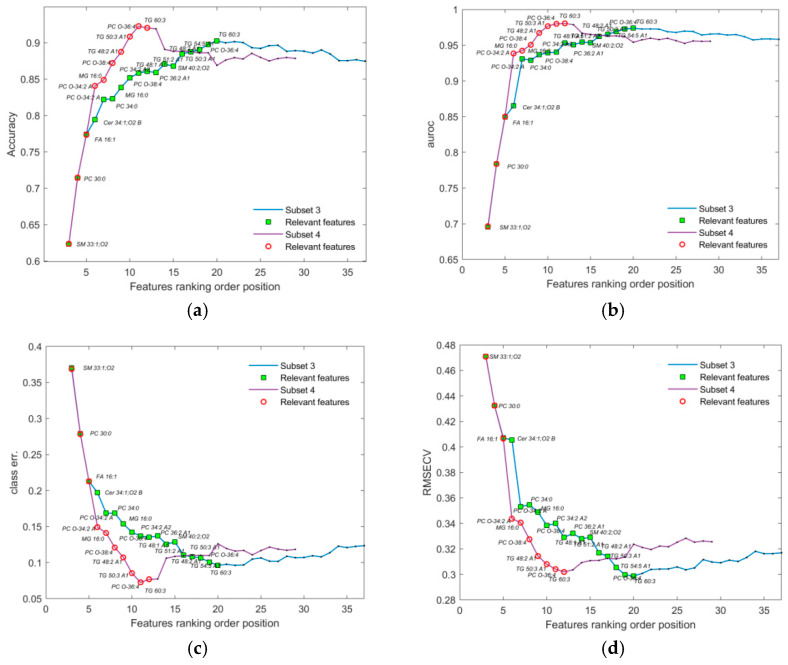 Figure 7
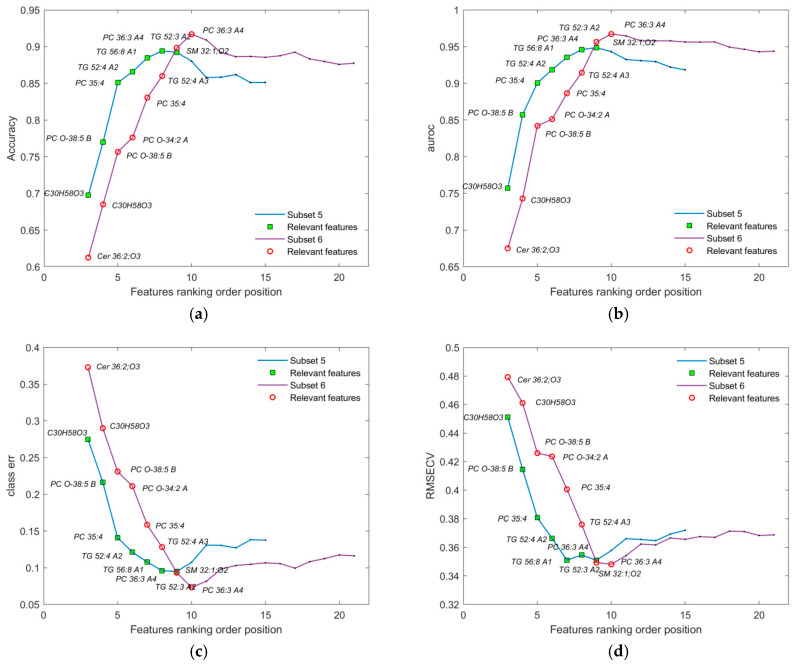 Figure 8
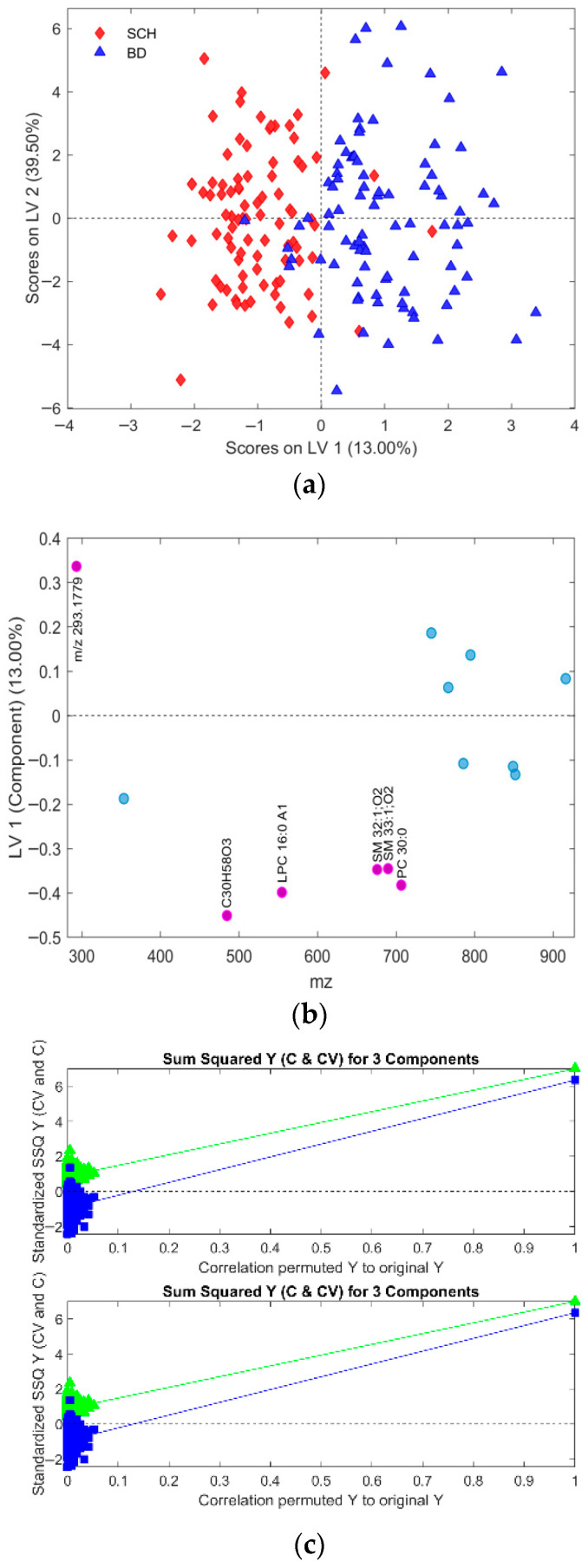 Figure 9
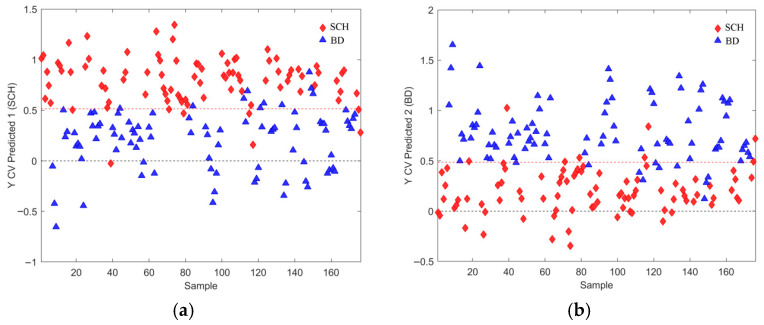 Figure 10
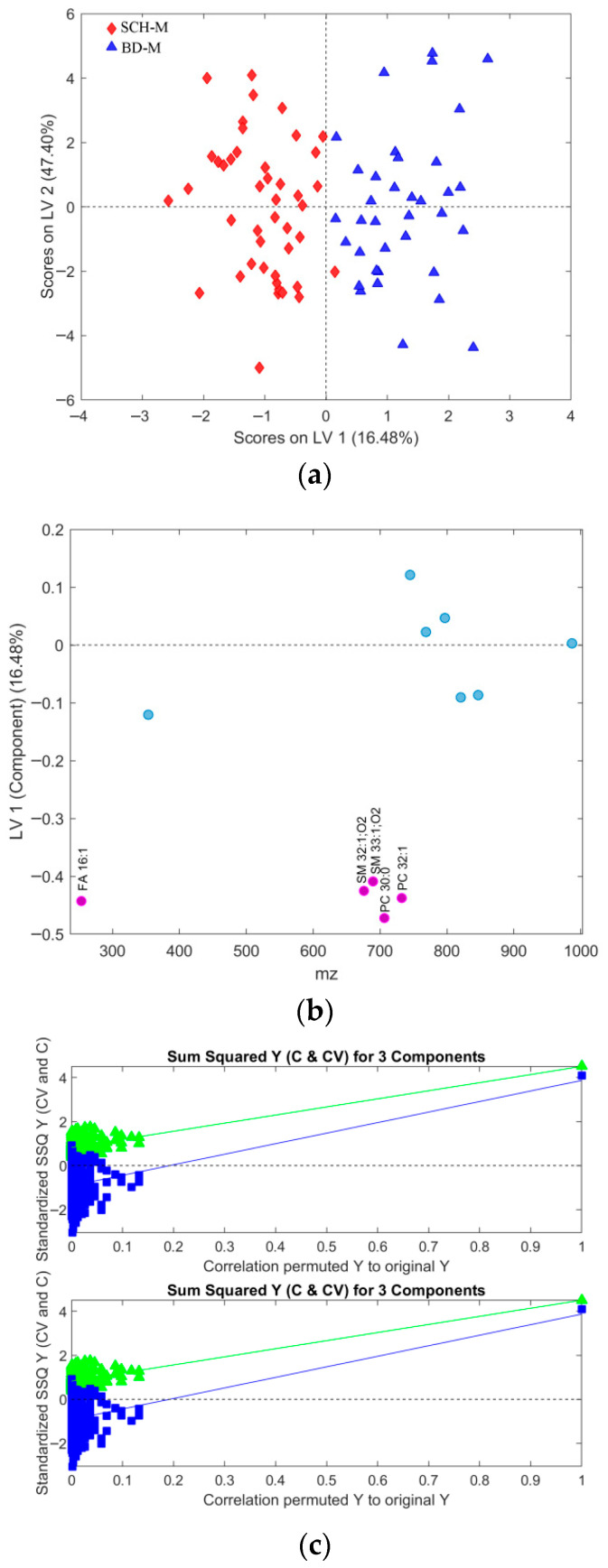 Figure 11
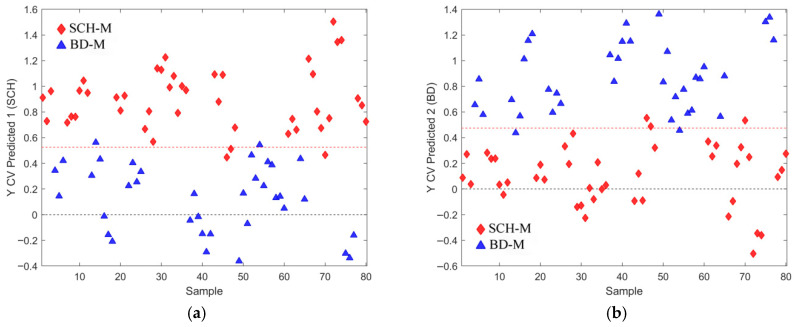 Figure 12
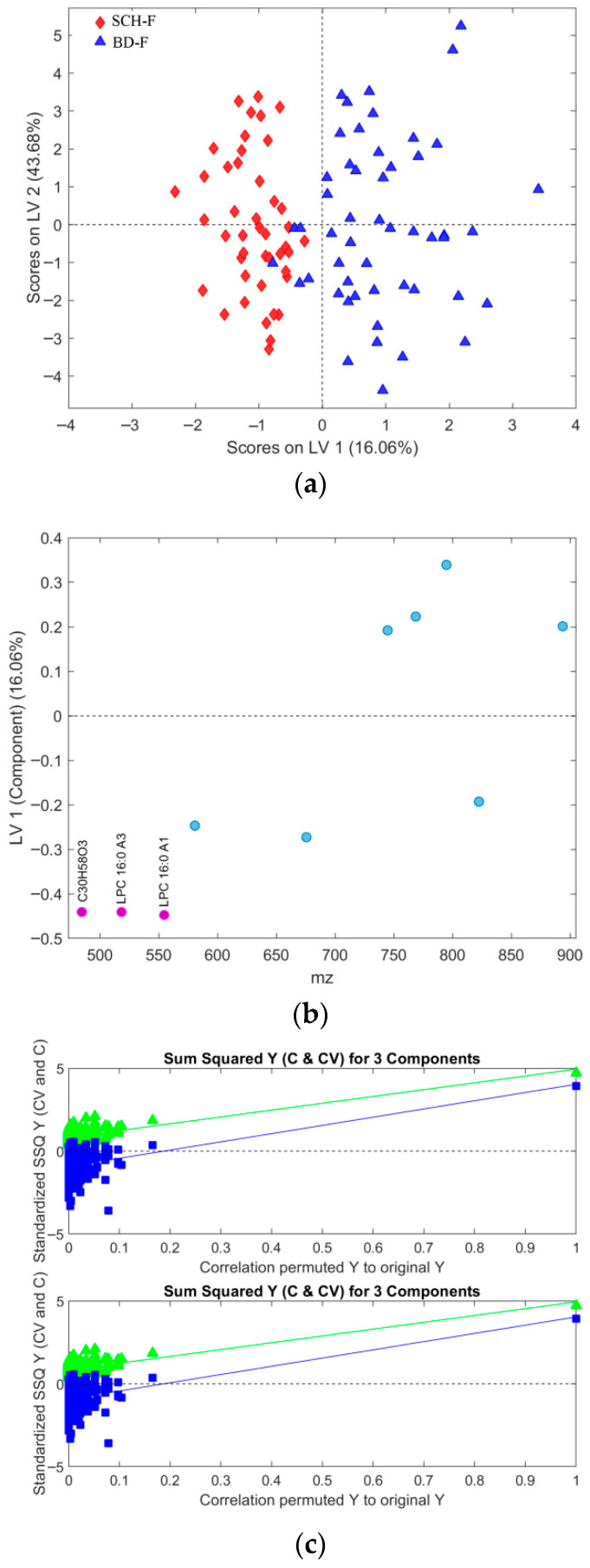 Figure 13
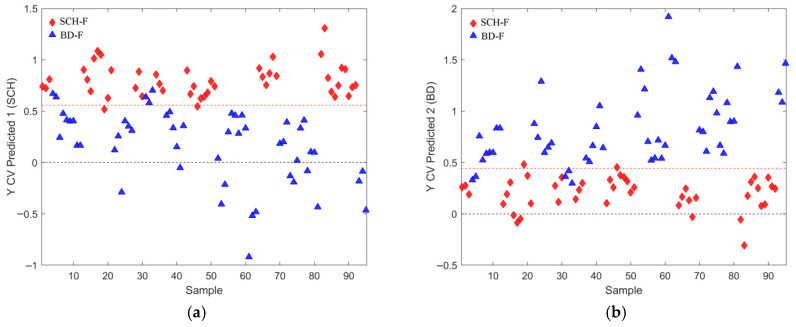 Figure 14
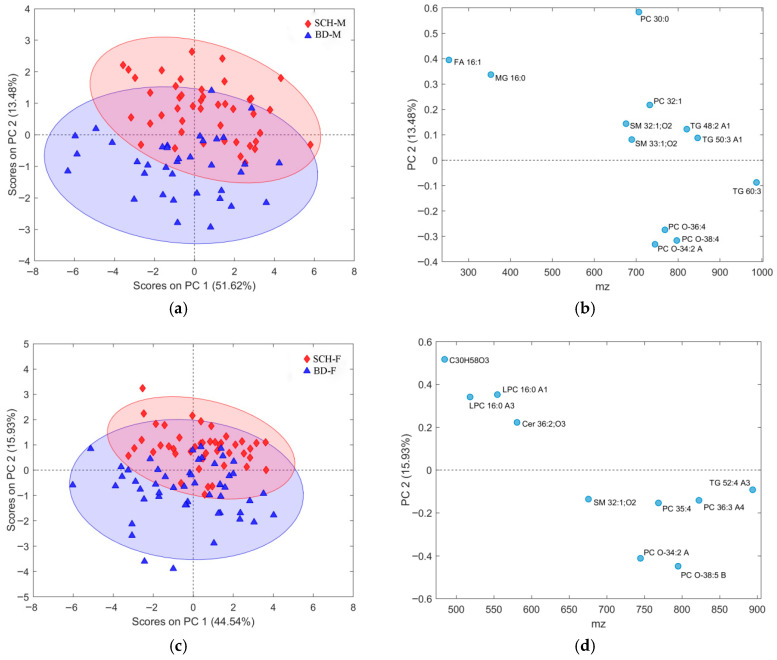 Figure 15
Peer Reviews
No public reviews on file for this paper yet. If you reviewed it on a platform where reviews are public (OpenReview, ICLR, NeurIPS, ICML), you can paste yours below so the community can read it here.
Videos
No videos yet. Explain this paper in a talk, walkthrough, or lecture? Add one.
Taxonomy
TopicsMetabolomics and Mass Spectrometry Studies · Advanced Proteomics Techniques and Applications · Tryptophan and brain disorders