Whole-Genome Analysis and Lignin Degradation Characterization of Termite-Derived Bacillus cereus BC-8
Xingbo Zhang, Jingtao Li, Yue Hu, Zhanbo Cai, Nan Li, Runsen Xue, Zexuan Mo, Chenghao Yang, Yuhui Yang

TL;DR
This study identifies a termite gut bacterium, Bacillus cereus BC-8, that efficiently degrades lignin and explores its genetic basis for this ability.
Contribution
The study provides a whole-genome analysis of B. cereus BC-8 and identifies specific genes and metabolic pathways involved in lignin degradation.
Findings
Bacillus cereus BC-8 degrades lignin with a 33.66% degradation rate in 7 days.
Genome analysis reveals genes encoding lignin-degrading enzymes like laccase and cytochrome P450.
The bacterium disrupts lignin's β-O-4 ether bonds and aromatic structures.
Abstract
Lignin is one of the primary biomass resources in nature; however, its highly stable structure makes it difficult to degrade and utilise. As efficient decomposers of lignocellulosic biomass, termites rely on their gut microbiota for digestion. Consequently, termite guts harbour abundant and specialized lignin-degrading microorganisms. In this study, we isolated a bacterium from the termite gut and identified it as Bacillus cereus BC-8. The laccase activity of B. cereus BC-8 reached the maximum of 87.8 U/L at 72 h, and the lignin degradation rate reached 33.66% within 7 days. Furthermore, we analyzed the structural changes in lignin after treatment with this bacterial strain. Field emission scanning electron microscopy observations revealed that the surface structural integrity of lignin was significantly disrupted after treatment. Fourier transform infrared spectroscopy analysis…
Genes, proteins, chemicals, diseases, species, mutations and cell lines named across the full text — each resolved to its canonical identifier and authoritative record.
Click any figure to enlarge with its caption.
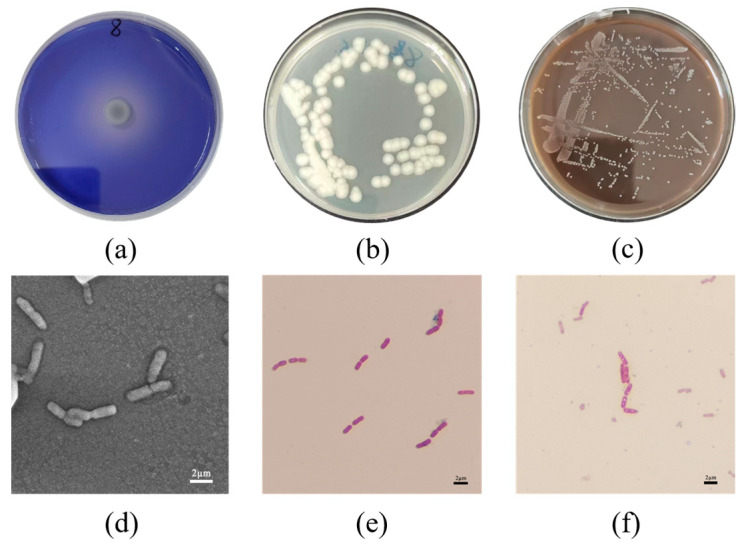 Figure 1
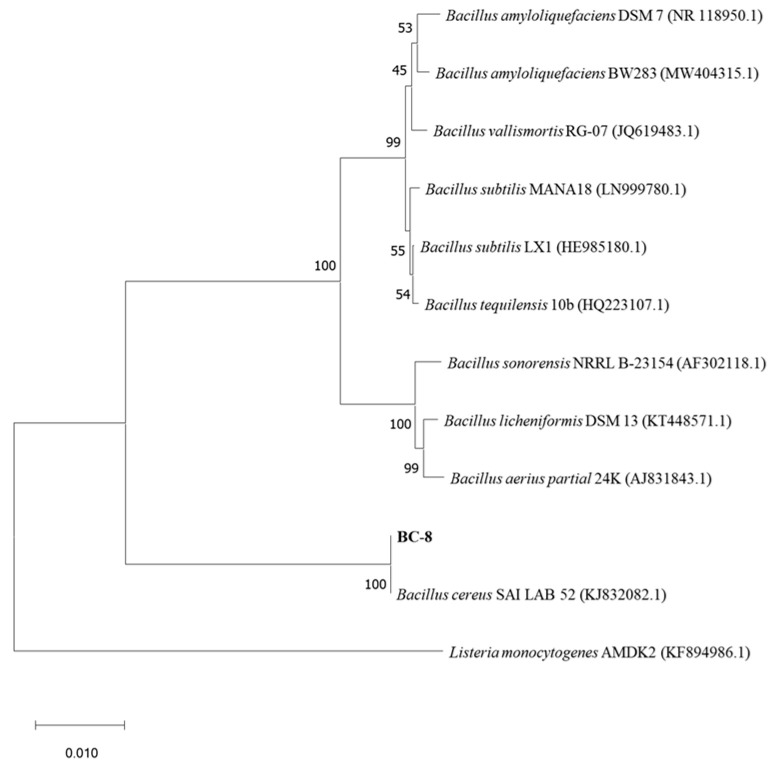 Figure 2
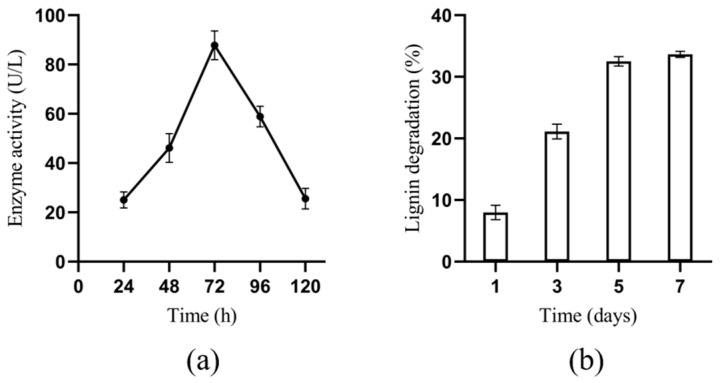 Figure 3
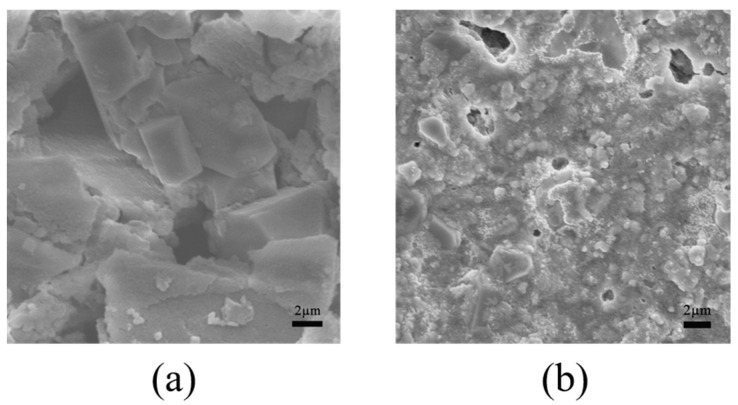 Figure 4
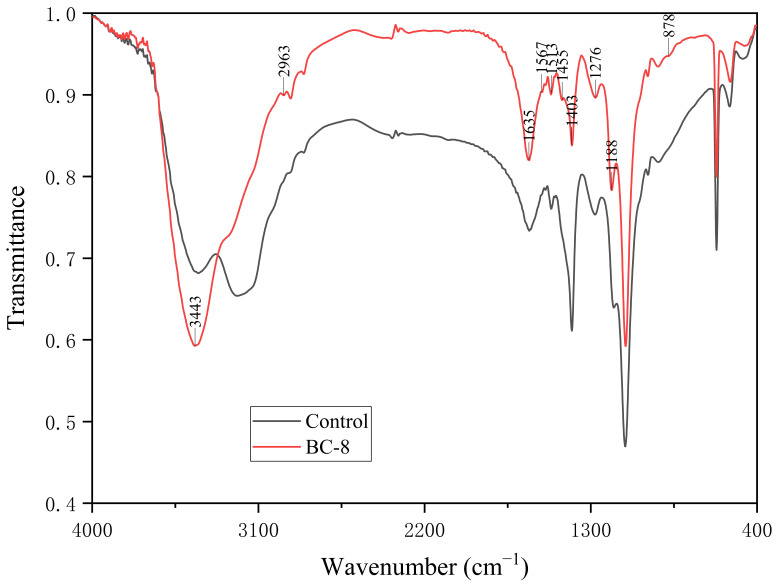 Figure 5
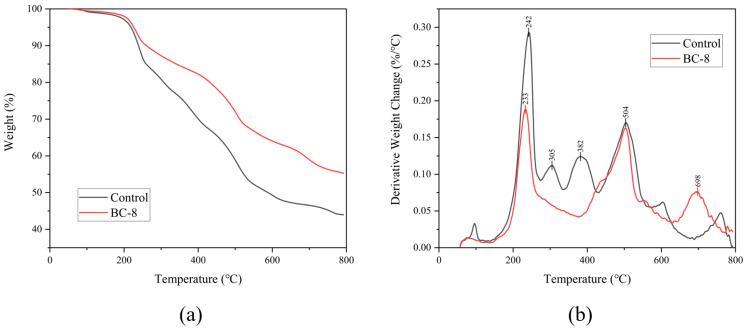 Figure 6
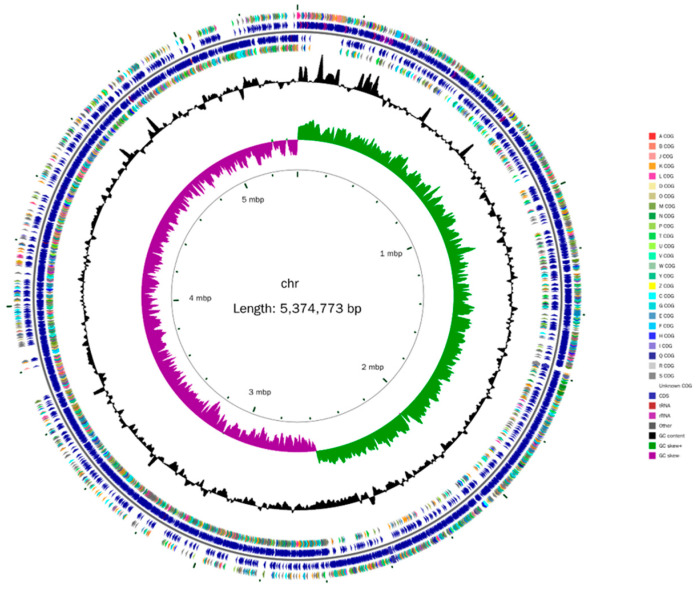 Figure 7
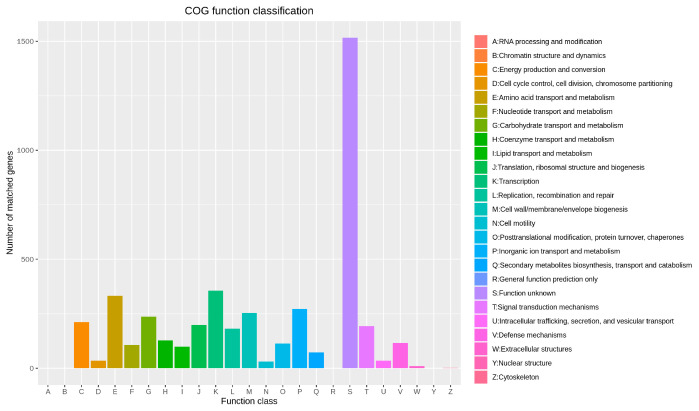 Figure 8
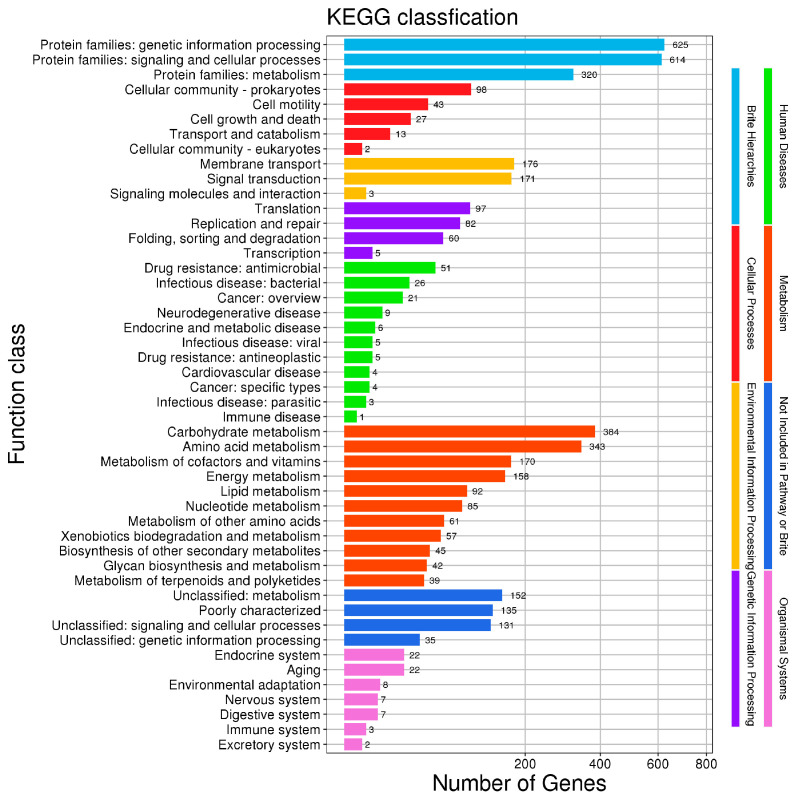 Figure 9
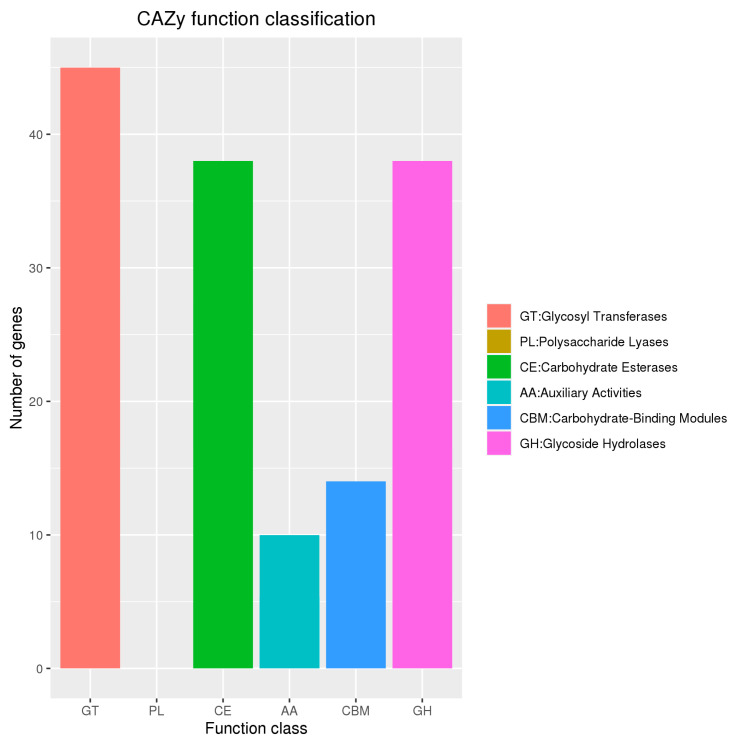 Figure 10
Peer Reviews
No public reviews on file for this paper yet. If you reviewed it on a platform where reviews are public (OpenReview, ICLR, NeurIPS, ICML), you can paste yours below so the community can read it here.
Videos
No videos yet. Explain this paper in a talk, walkthrough, or lecture? Add one.
Taxonomy
TopicsInsect and Arachnid Ecology and Behavior · Insect symbiosis and bacterial influences · Studies on Chitinases and Chitosanases