GLP-1 Receptor Agonist Exenatide Protects Against Doxorubicin-Induced Cardiotoxicity Through the SIRT1 Pathway: An Electrocardiographic, 99mTc-PYP Scintigraphic, and Biochemical Study
Musa Salmanoglu, Gulcin Ercan, Hanife Seyda Genç, Serdar Savaş Gül, Hatice Aygün

TL;DR
Exenatide, a GLP-1 receptor agonist, protects against heart damage caused by doxorubicin in rats by reducing inflammation and oxidative stress.
Contribution
This study demonstrates Exenatide's cardioprotective effect via the SIRT1 pathway against doxorubicin-induced toxicity.
Findings
Exenatide improved ECG changes and reduced myocardial radiotracer uptake in doxorubicin-treated rats.
Exenatide co-treatment attenuated oxidative stress and inflammation markers caused by doxorubicin.
Exenatide partially restored the SIRT-1/Nrf2/NF-κB pathway in doxorubicin-induced cardiotoxicity.
Abstract
Background and Objectives: This study was designed to evaluate the potential cardioprotective effect of Exenatide against doxorubicin (DOX)-induced myocardial injury in rats by assessing scintigraphic alterations together with oxidative stress and inflammation. Materials and Methods: This study included 28 adult male Wistar albino rats that were randomized to 4 groups (n = 7): control, Exenatide alone, DOX (receiving DOX (18 mg/kg, i.p) on days 5–7; Exenatide + DOX (treated with Exenatide together with the DOX). On day 8, ECG, 99mTc-PYP scintigraphy, and biochemical parameters were evaluated. Results: DOX caused ECG abnormalities—bradycardia, significant QT prolongation, and elevated ST-segment amplitude—along with increased myocardial PYP uptake. Exenatide + DOX group significantly improved ECG changes. Biochemically, DOX markedly increased cardiac injury biomarkers (cTnT, CK, CK-MB),…
Genes, proteins, chemicals, diseases, species, mutations and cell lines named across the full text — each resolved to its canonical identifier and authoritative record.
Click any figure to enlarge with its caption.
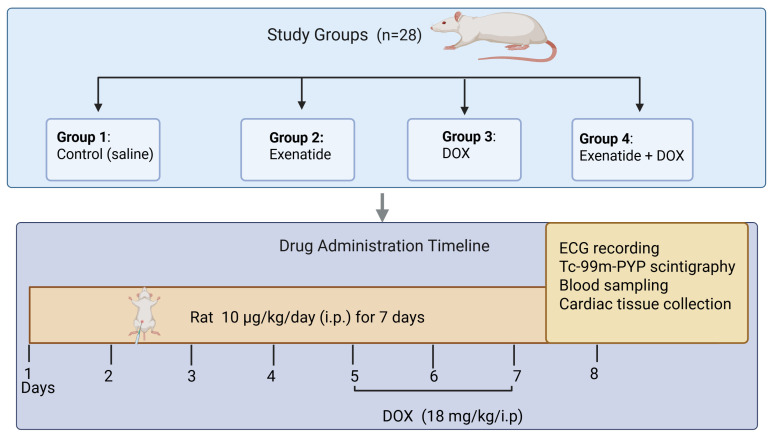 Figure 1
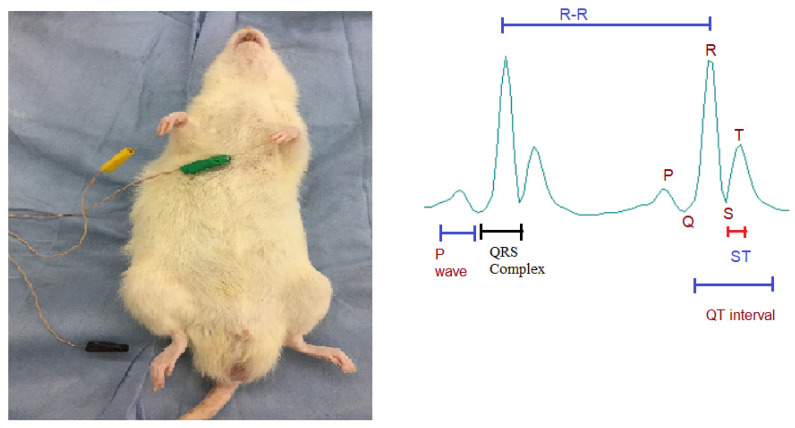 Figure 2
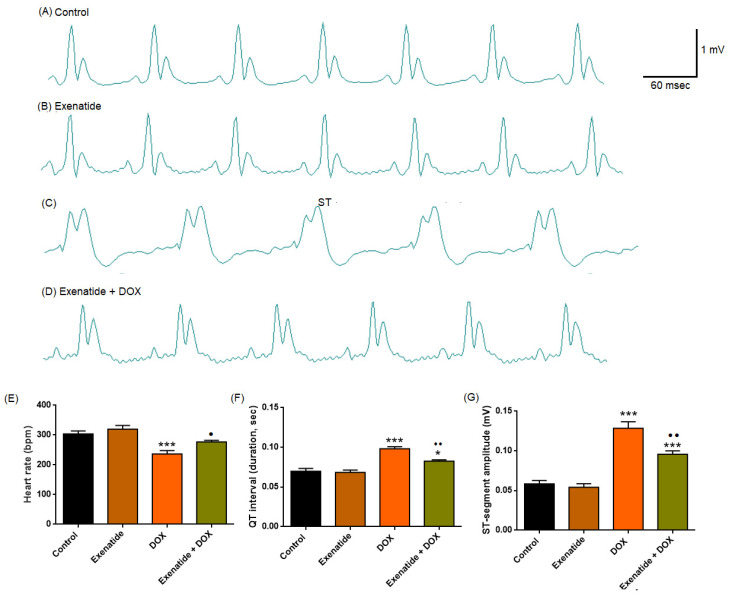 Figure 3
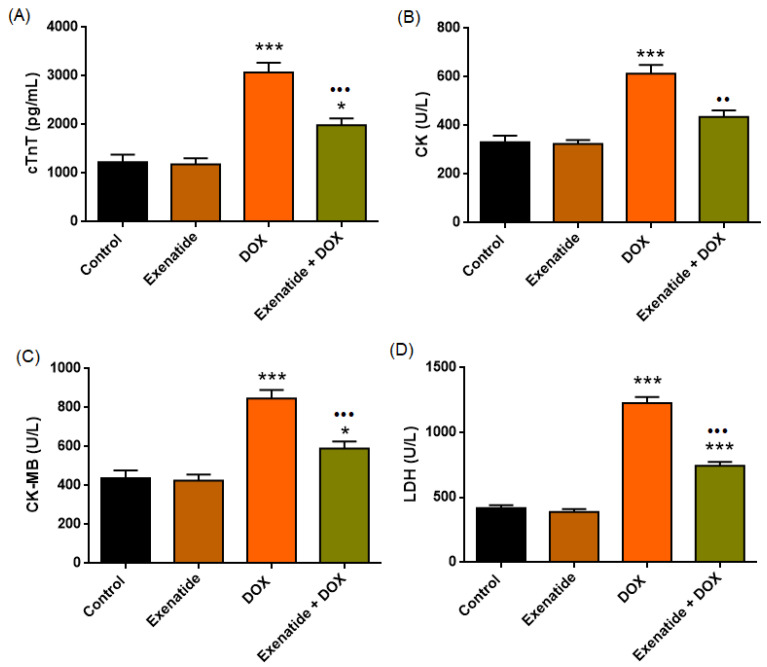 Figure 4
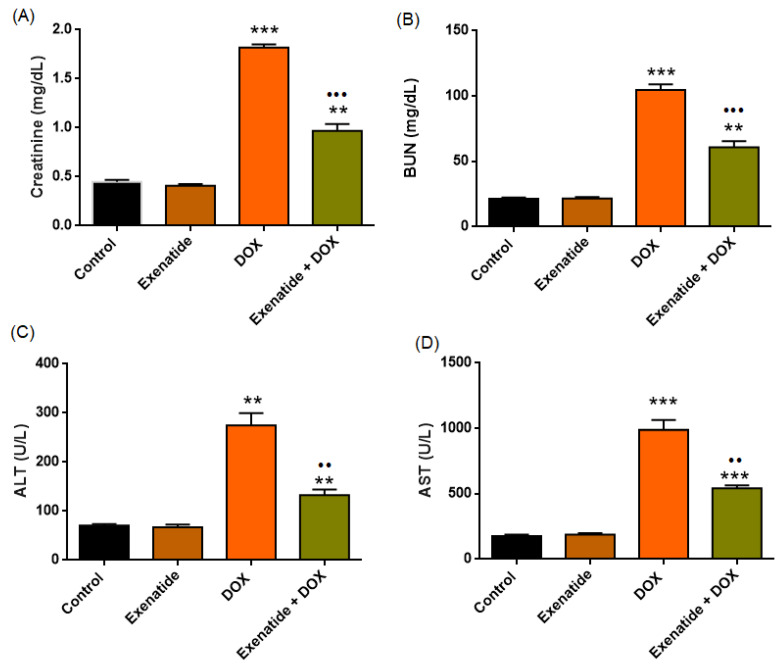 Figure 5
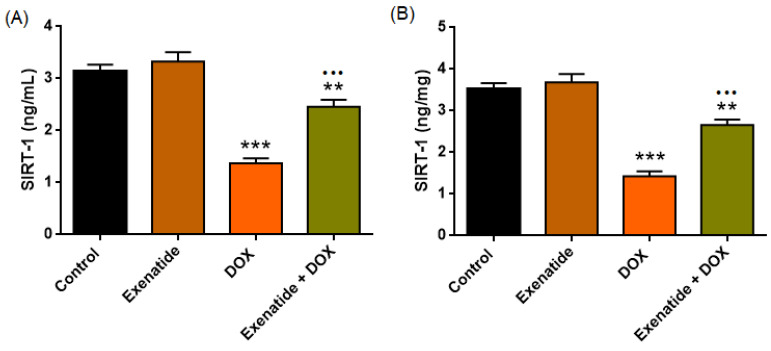 Figure 6
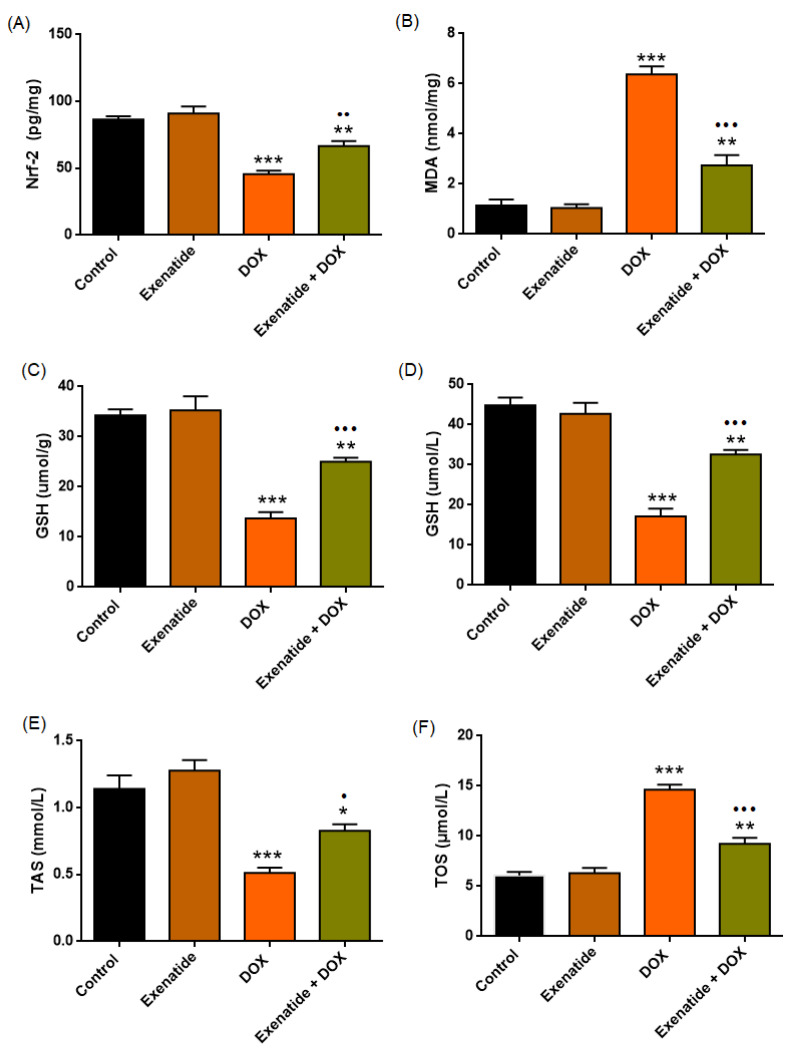 Figure 7
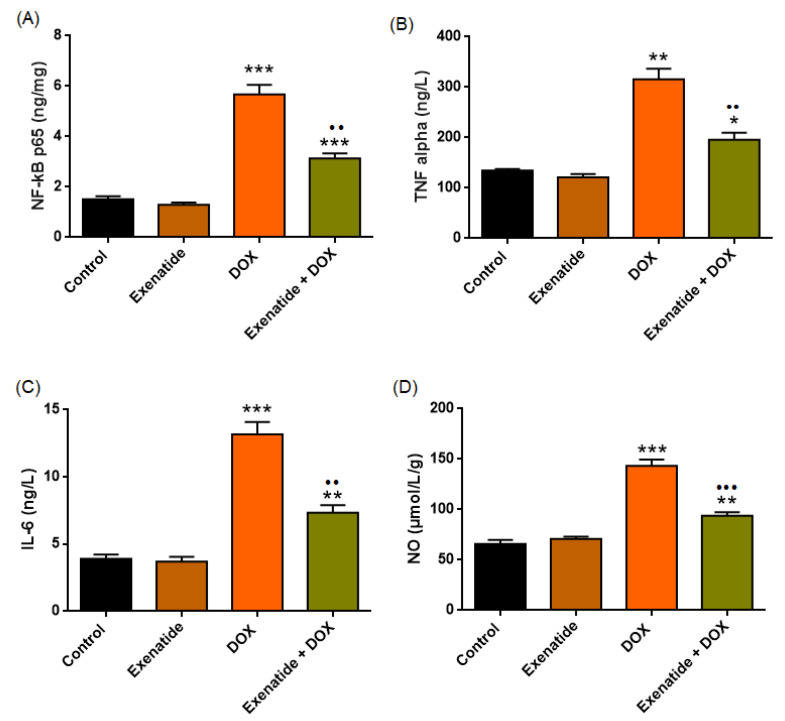 Figure 8
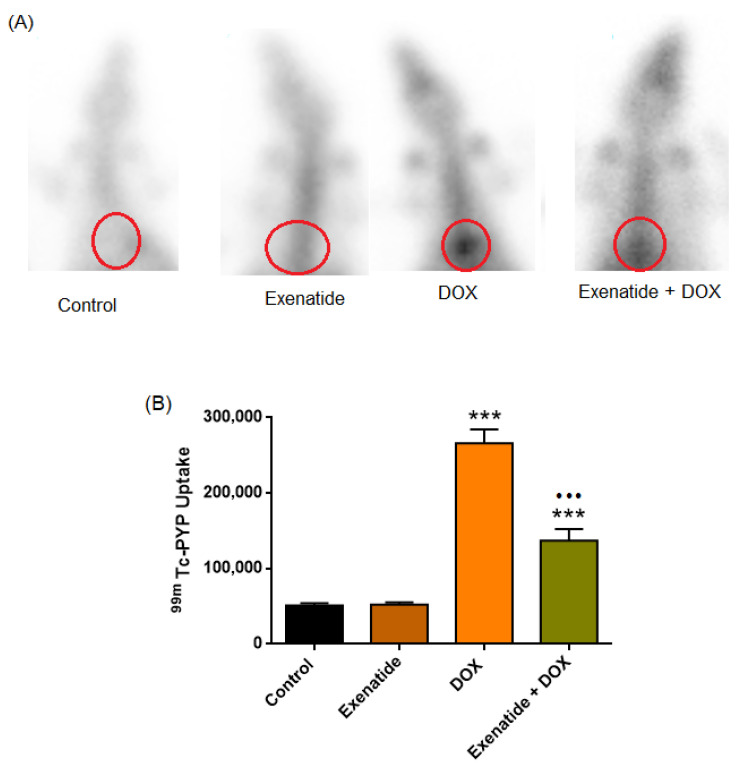 Figure 9
Peer Reviews
No public reviews on file for this paper yet. If you reviewed it on a platform where reviews are public (OpenReview, ICLR, NeurIPS, ICML), you can paste yours below so the community can read it here.
Videos
No videos yet. Explain this paper in a talk, walkthrough, or lecture? Add one.
Taxonomy
TopicsChemotherapy-induced cardiotoxicity and mitigation · Lung Cancer Research Studies · Advanced Breast Cancer Therapies