A Dual-Band Bandpass Filter with Wide Upper Stopband Using Stepped-Impedance Resonators and an Integrated Low-Pass Filter
Liqin Liu, Yuanmo Lin, Qun Chen, Li Zhang, Minhang Weng

TL;DR
This paper presents a dual-band filter that operates at 2.5 GHz and 5.35 GHz with a wide upper stopband to suppress high-frequency interference.
Contribution
The novelty lies in integrating stepped-impedance resonators and a low-pass filter to achieve a wide upper stopband.
Findings
The filter achieves insertion losses of 0.12 dB at 2.5 GHz and 0.6 dB at 5.35 GHz.
It provides a wide upper stopband from 6.1 GHz to 25 GHz to suppress interference.
Simulation and measurement results show good agreement.
Abstract
In this paper, a dual-band bandpass filter with a wide upper stopband is proposed and designed by integrating stepped-impedance resonators (SIRs) and a low-pass filter. The operating center frequencies of the designed dual-band filter are targeted at 2.5 GHz and 5.35 GHz, respectively, to meet the frequency requirements of typical wireless communication scenarios. Notably, the filter achieves a wide upper stopband ranging from 6.1 GHz to 25 GHz, which can effectively suppress unwanted high-frequency interference signals within this frequency range and avoid mutual interference with other high-frequency communication systems. And it exhibits insertion losses of 0.12 dB (2.5 GHz) and 0.6 dB (5.35 GHz) in its two passbands to ensure minimal useful signal attenuation. The simulation results agree well with the measured results.
Click any figure to enlarge with its caption.
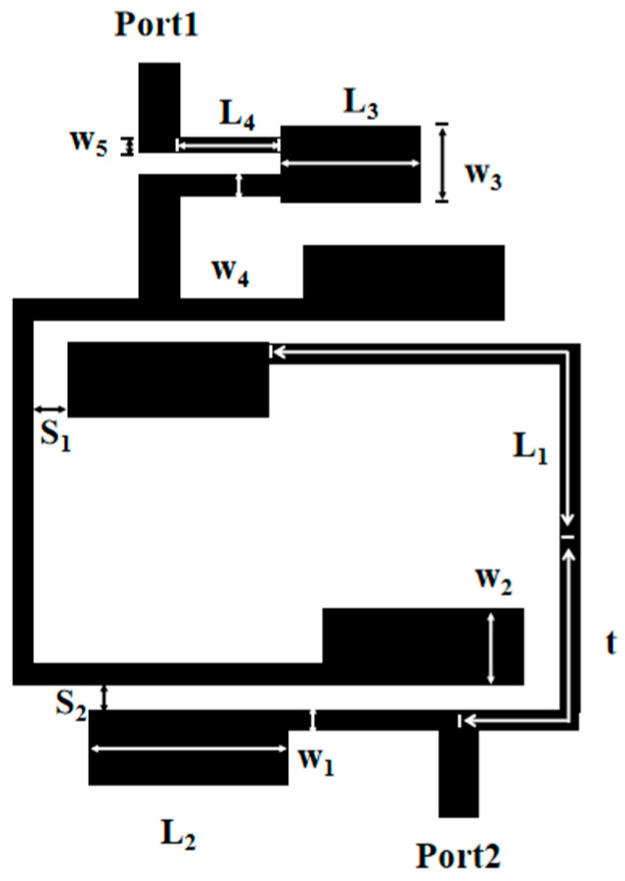 Figure 1
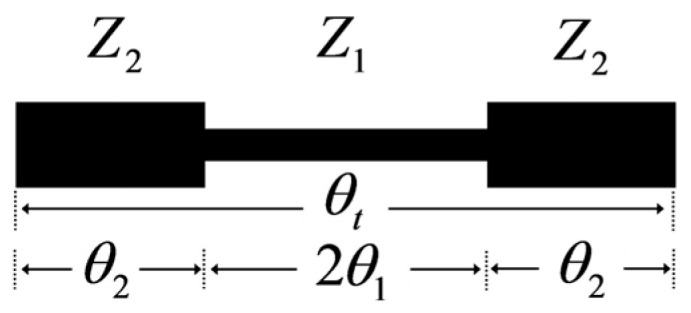 Figure 2
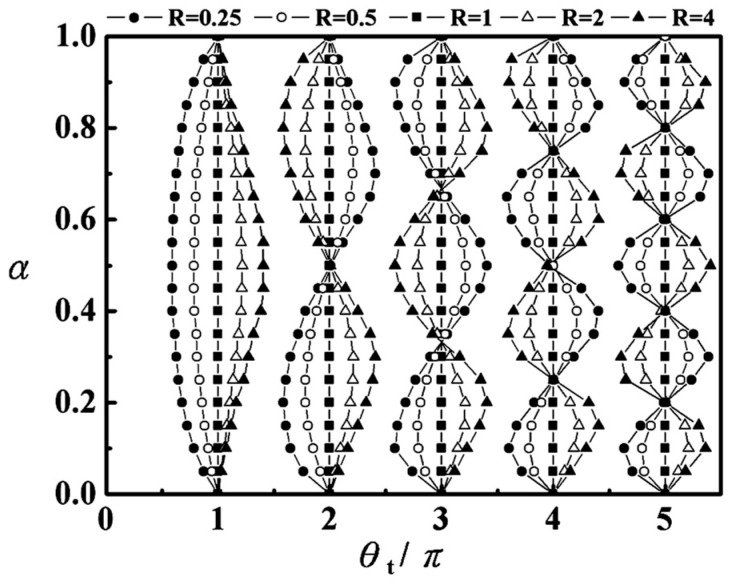 Figure 3
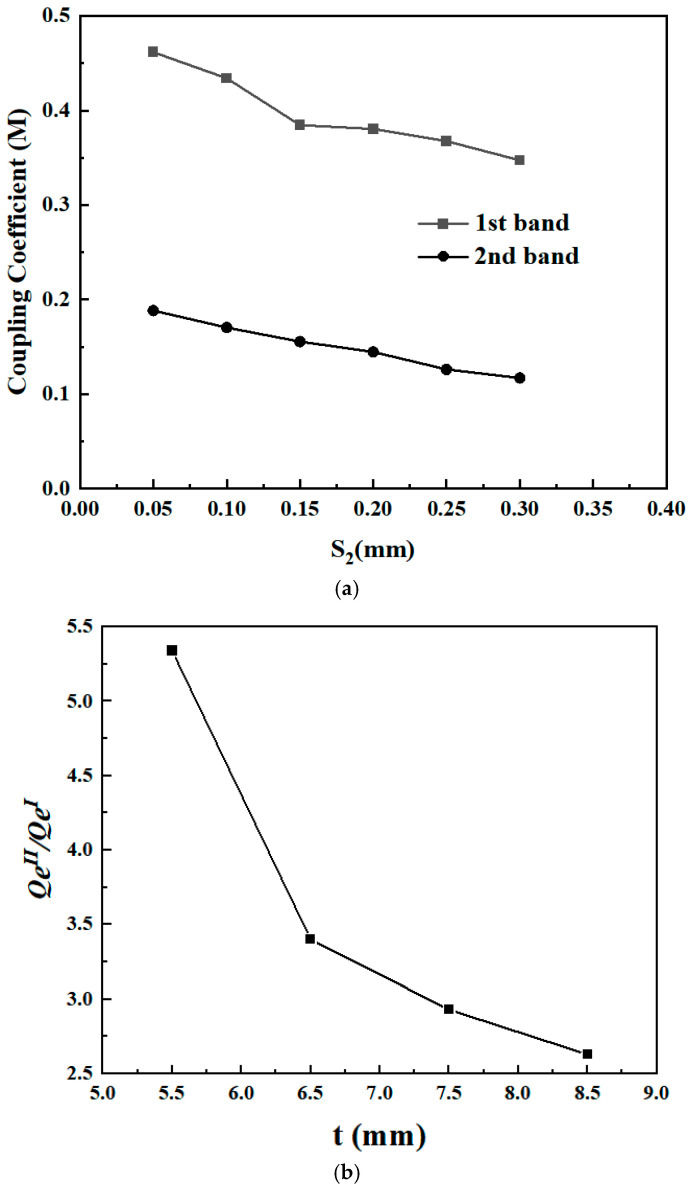 Figure 4
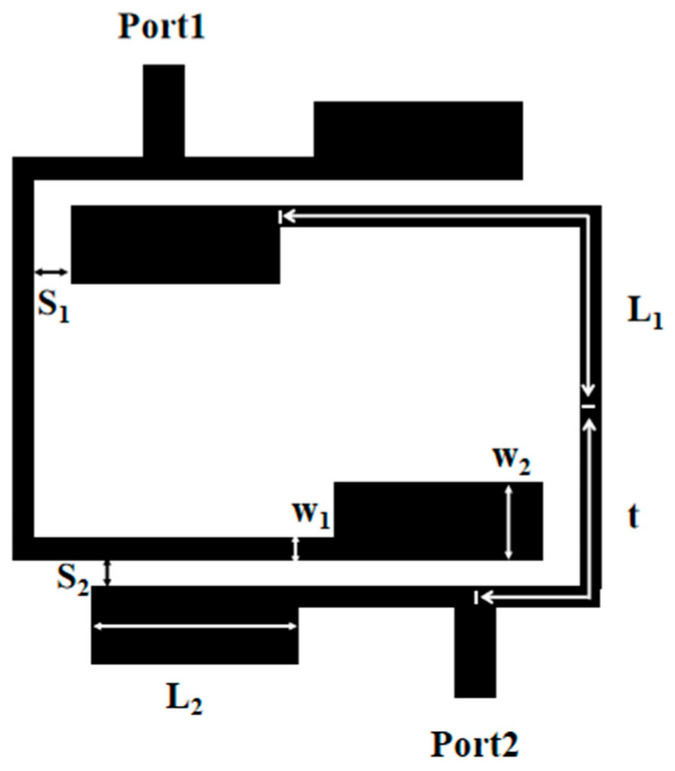 Figure 5
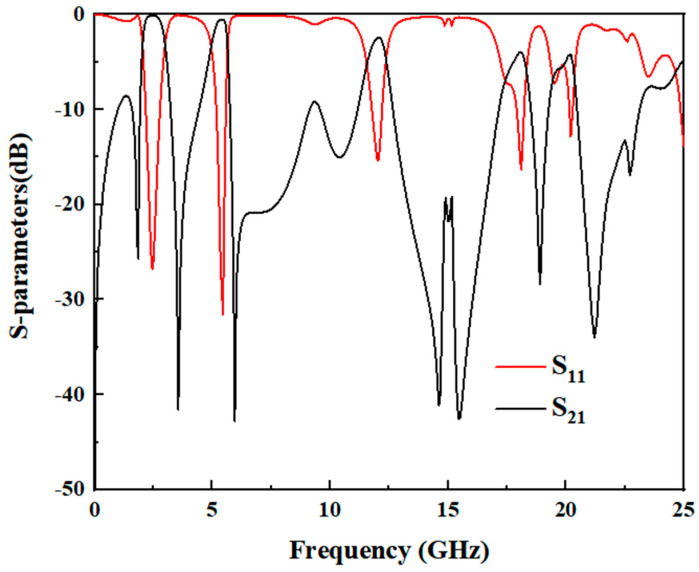 Figure 6
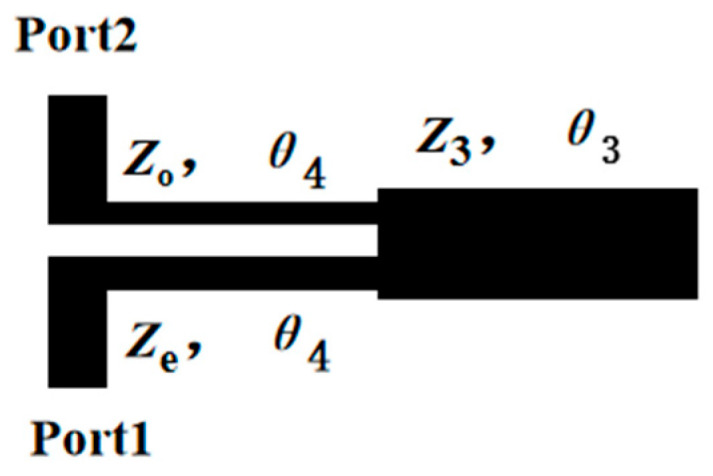 Figure 7
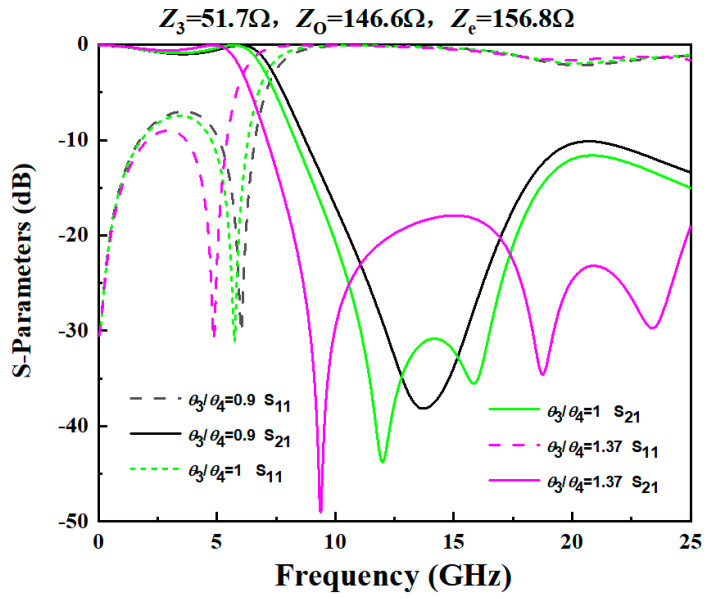 Figure 8
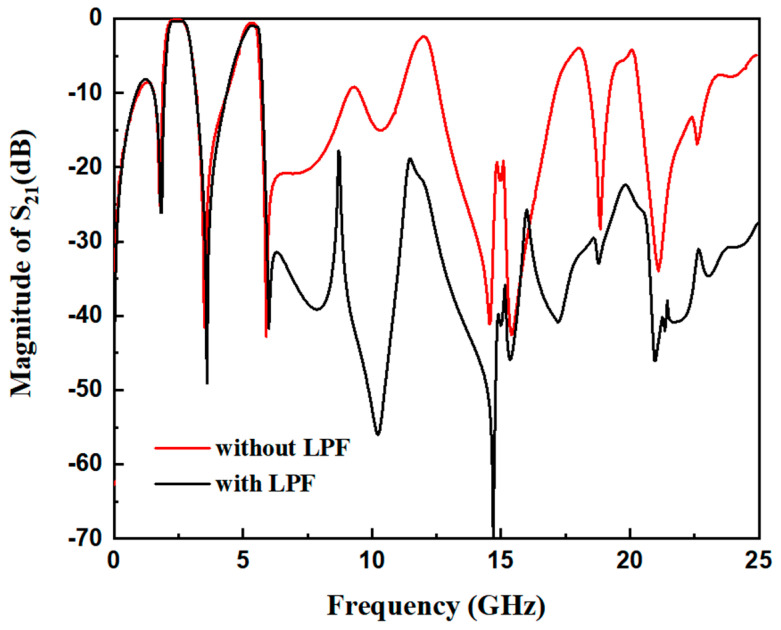 Figure 9
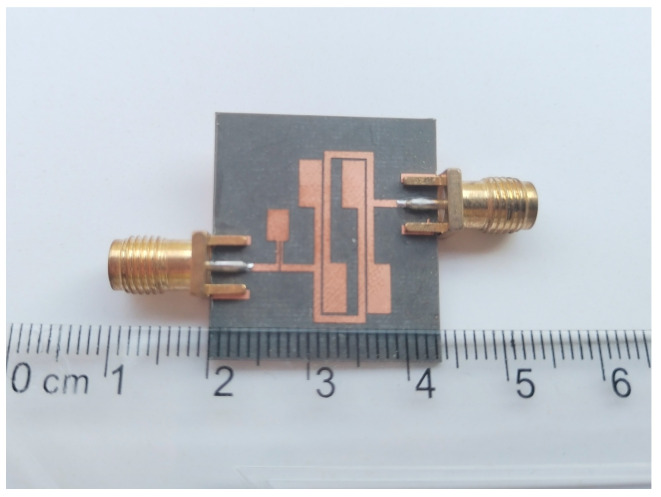 Figure 10
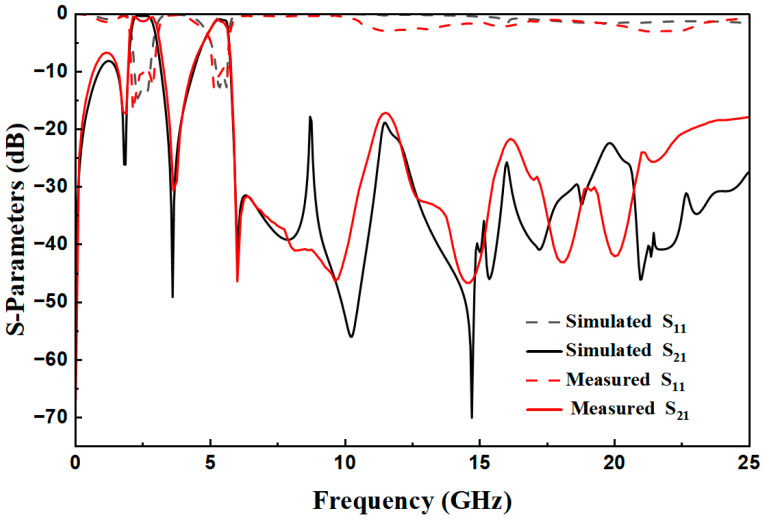 Figure 11
Peer Reviews
No public reviews on file for this paper yet. If you reviewed it on a platform where reviews are public (OpenReview, ICLR, NeurIPS, ICML), you can paste yours below so the community can read it here.
Videos
No videos yet. Explain this paper in a talk, walkthrough, or lecture? Add one.
Taxonomy
TopicsMicrowave Engineering and Waveguides · Antenna Design and Analysis · Full-Duplex Wireless Communications