Ultrasound Treatment in Berry Puree Production: Effects on Sensory, Rheological, and Chemical Properties
Jan Piecko, Monika Mieszczakowska-Frąc, Niall J. Dickinson, Anna Wrzodak, Karolina Celejewska, Michael Bom Frøst, Belinda Lange, Charlotte Dandanell, Jacek Lewandowicz, Patrycja Jankowska

TL;DR
This study explores how ultrasound treatment during berry puree production can improve sensory and texture qualities without harming healthful compounds.
Contribution
The study identifies the optimal timing for ultrasound application in puree processing and demonstrates its benefits on sensory and rheological properties.
Findings
Ultrasound-treated purees showed significantly higher pectin levels and improved rheological properties.
The content of anthocyanins and L-ascorbic acid remained largely unchanged after ultrasound treatment.
Ultrasound treatment enhanced sensory quality without degrading health-promoting compounds.
Abstract
Berries are a valuable source of health-promoting substances, including vitamins, microelements, and polyphenols. Optimising the extraction efficiency of these compounds during processing is crucial to minimise their loss into the waste stream. Ultrasound technology is recognised as a sustainable and promising tool for improving extraction; however, previous literature has not sufficiently addressed the optimal point of its application in fruit puree processing, and its impact on the sensory properties of the final product has only occasionally been explored. As one of the first reports, this study aimed to determine the optimal moment for ultrasound application within a puree production scheme. In the second stage of the experiment, four recipes based on strawberry and haskap berry were tested. The results demonstrated the potential for enhancing sensory quality of puree by using an…
Genes, proteins, chemicals, diseases, species, mutations and cell lines named across the full text — each resolved to its canonical identifier and authoritative record.
Click any figure to enlarge with its caption.
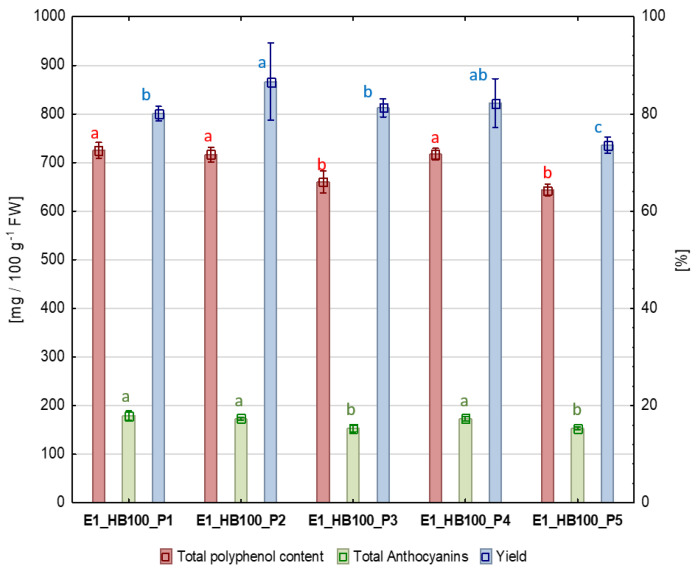 Figure 1
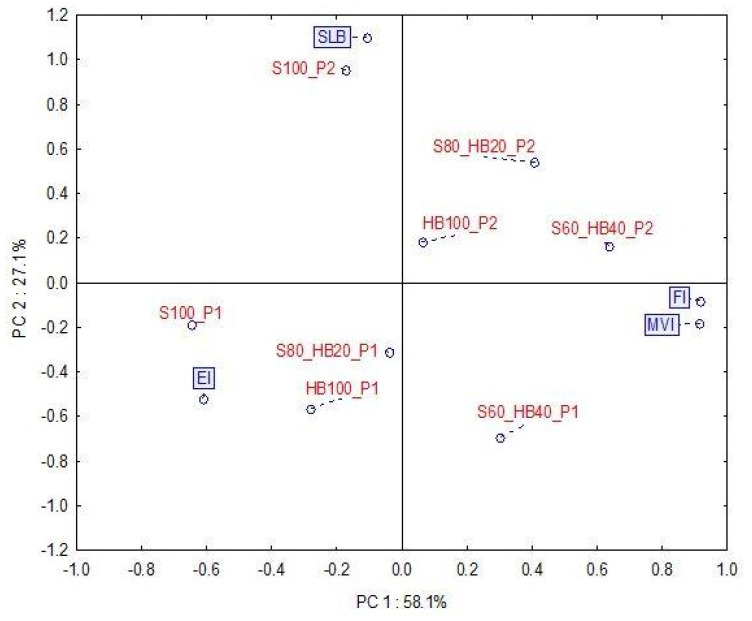 Figure 2
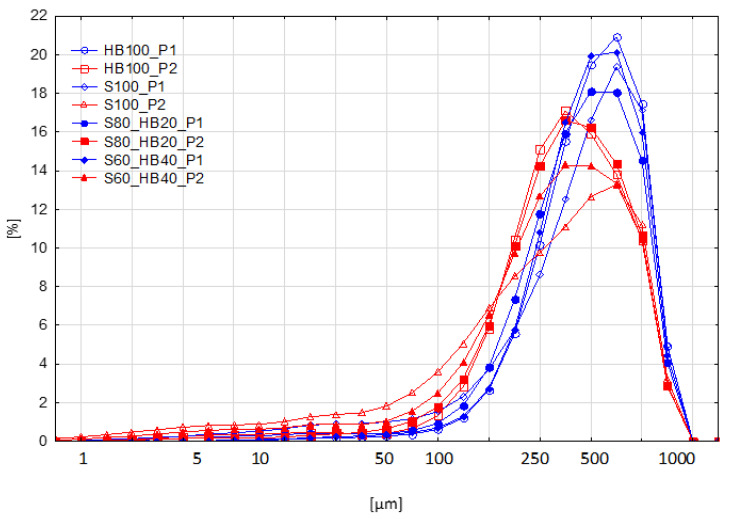 Figure 3
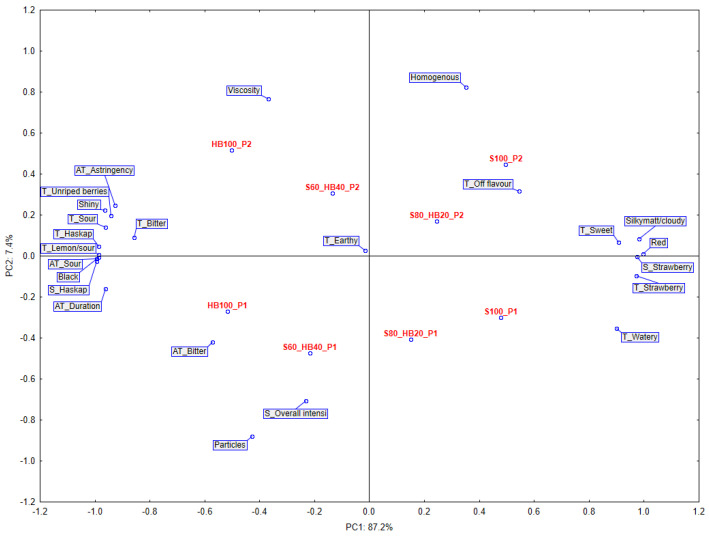 Figure 4
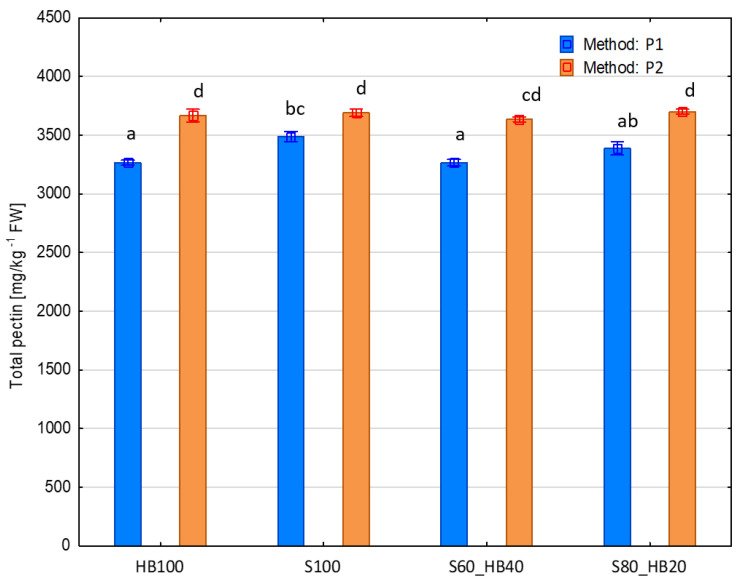 Figure 5
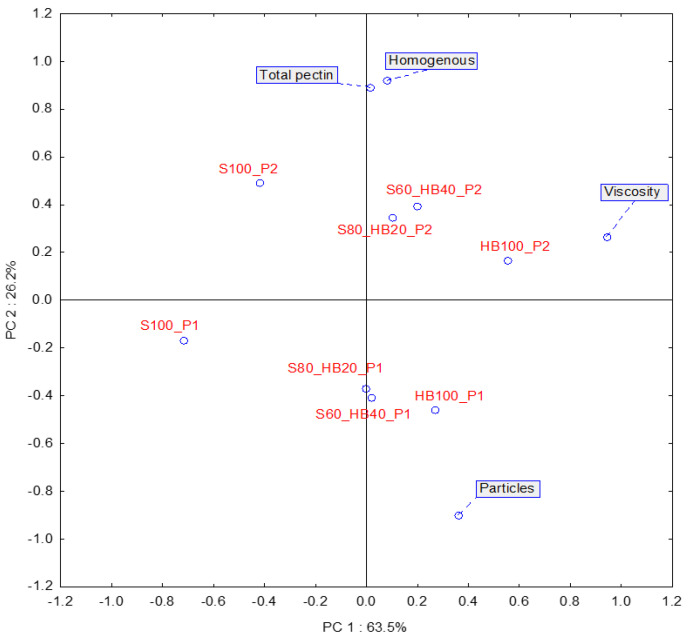 Figure 6
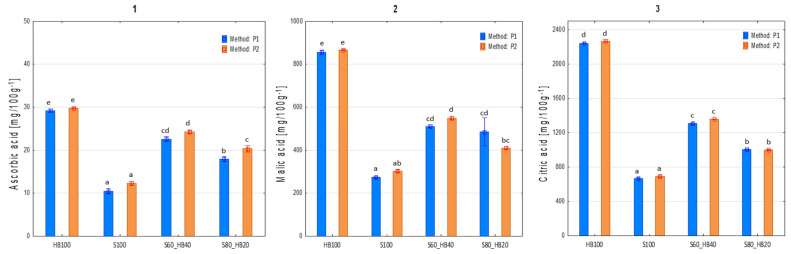 Figure 7
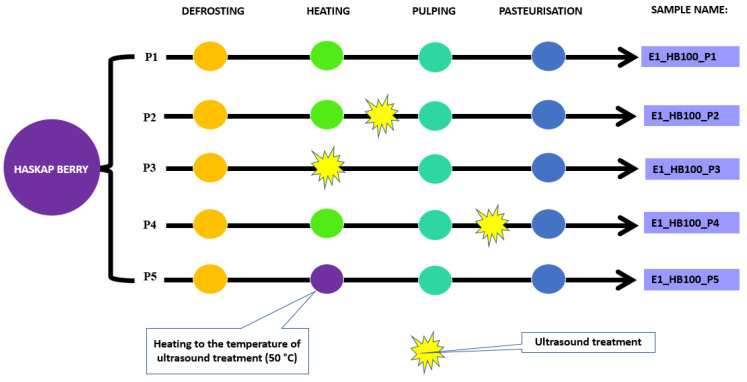 Figure 8
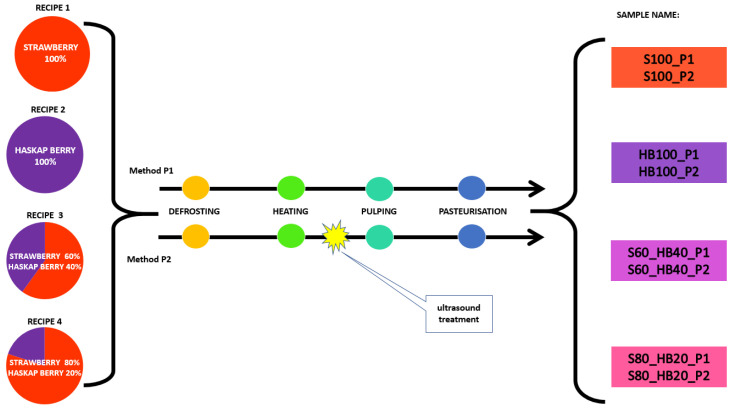 Figure 9
Peer Reviews
No public reviews on file for this paper yet. If you reviewed it on a platform where reviews are public (OpenReview, ICLR, NeurIPS, ICML), you can paste yours below so the community can read it here.
Videos
No videos yet. Explain this paper in a talk, walkthrough, or lecture? Add one.
Taxonomy
TopicsMicrobial Inactivation Methods · Food Drying and Modeling · Phytochemicals and Antioxidant Activities