Simultaneous Quantitative Analysis of Polymorphic Impurities in Canagliflozin Tablets Utilizing Near-Infrared Spectroscopy and Partial Least Squares Regression
Mingdi Liu, Rui Fu, Guiyu Xu, Weibing Dong, Huizhi Qi, Peiran Dong, Ping Song

TL;DR
This paper introduces a fast and non-destructive method using near-infrared spectroscopy and statistical modeling to measure impurities in diabetes drug tablets.
Contribution
A novel method combining near-infrared spectroscopy and partial least squares regression for simultaneous quantification of polymorphic impurities in canagliflozin tablets.
Findings
A PLSR model achieved an R2 value of 0.9919 for quantifying An-CFZ and Mono-CFZ in CFZ tablets.
The NIR-PLSR approach was validated for reliability and feasibility in monitoring polymorphic impurities.
The study explains the quantitative analysis mechanism through variance contributions and correlations in latent variables.
Abstract
Canagliflozin (CFZ), a sodium–glucose cotransporter 2 (SGLT2) inhibitor, is extensively utilized in the management of type 2 diabetes. Among its various polymorphic forms, the hemi-hydrate (Hemi-CFZ) has been selected as the active pharmaceutical ingredient (API) for CFZ tablets due to its superior solubility. However, during the production, storage, and transportation of CFZ tablets, Hemi-CFZ can undergo transformations into anhydrous (An-CFZ) and monohydrate (Mono-CFZ) forms under the influence of environmental factors such as temperature, humidity, and pressure, which may adversely impact the bioavailability and clinical efficacy of CFZ tablets. Therefore, it is imperative to develop rapid, accurate, non-destructive, and non-contact methods for quantifying An-CFZ and Mono-CFZ content in CFZ tablets to control polymorphic impurity levels and ensure product quality. This research…
Genes, proteins, chemicals, diseases, species, mutations and cell lines named across the full text — each resolved to its canonical identifier and authoritative record.
Click any figure to enlarge with its caption.
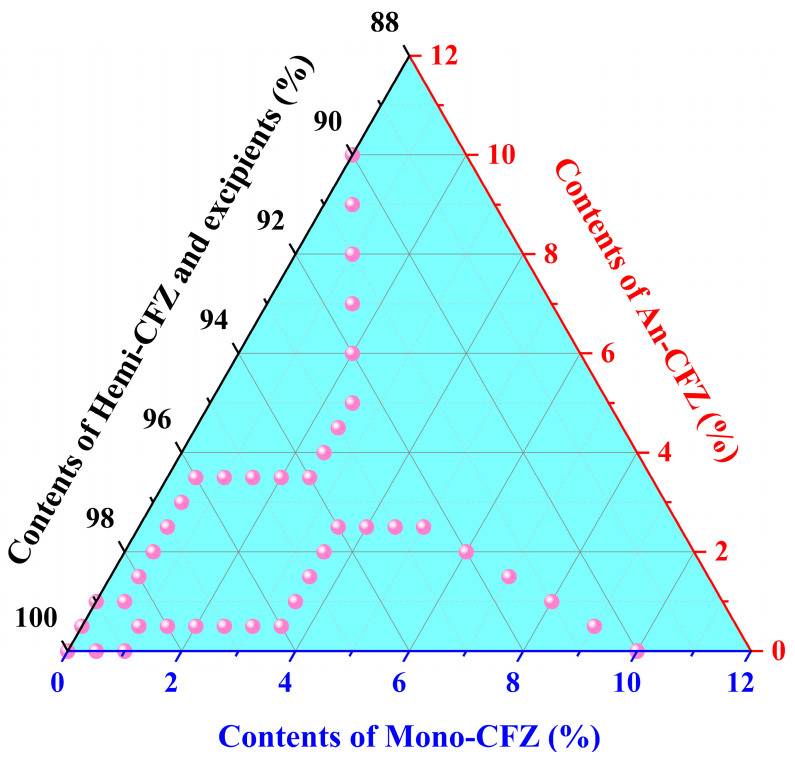 Figure 1
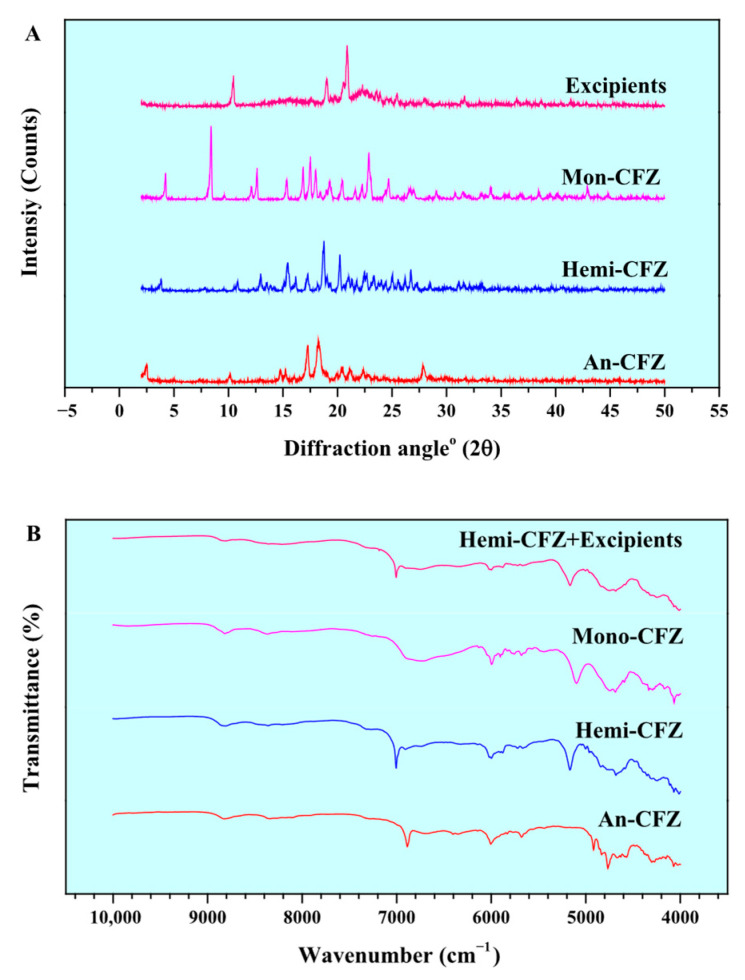 Figure 2
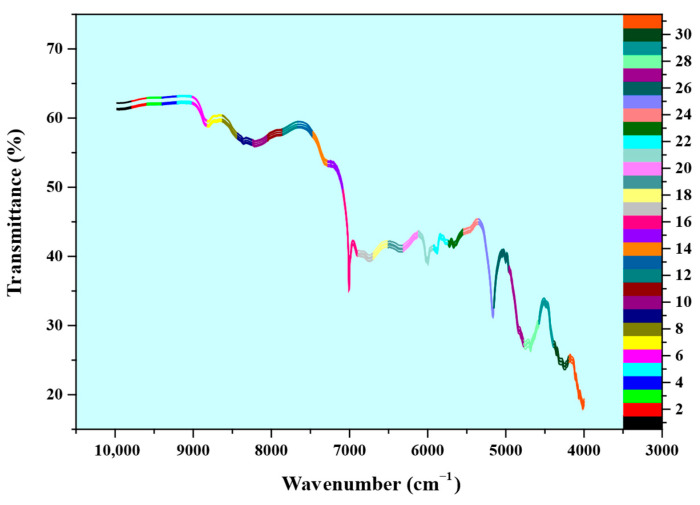 Figure 3
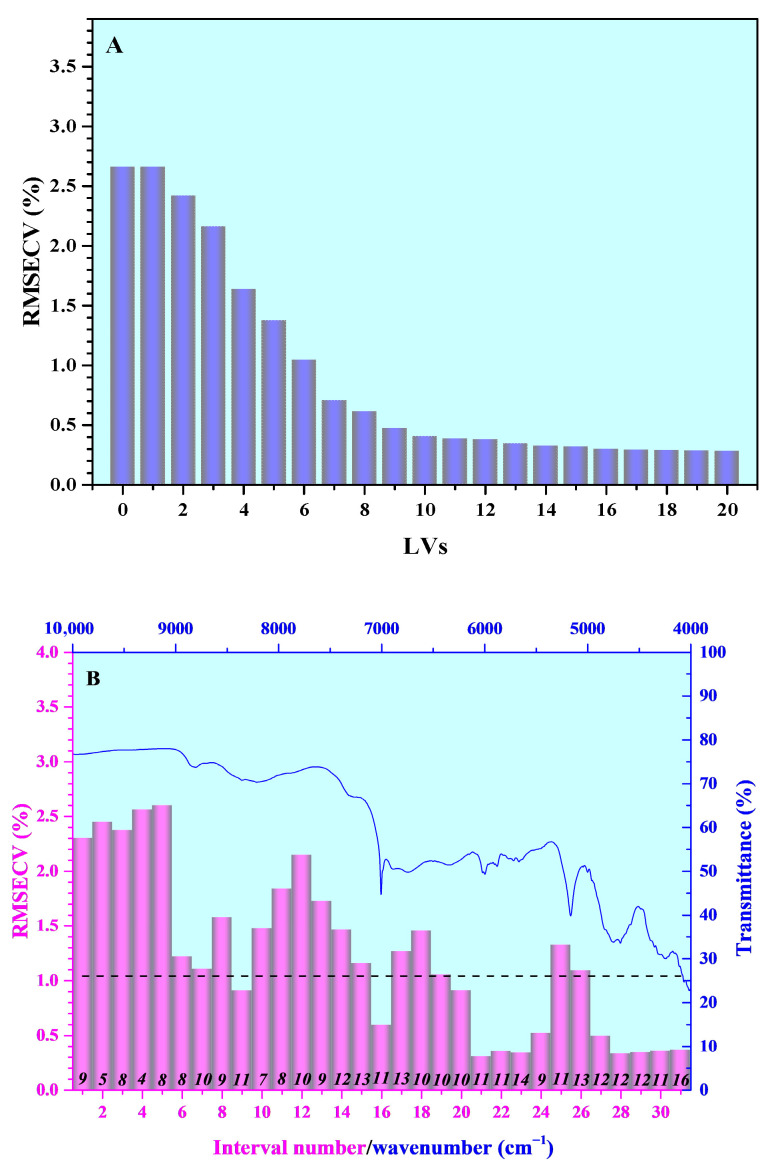 Figure 4
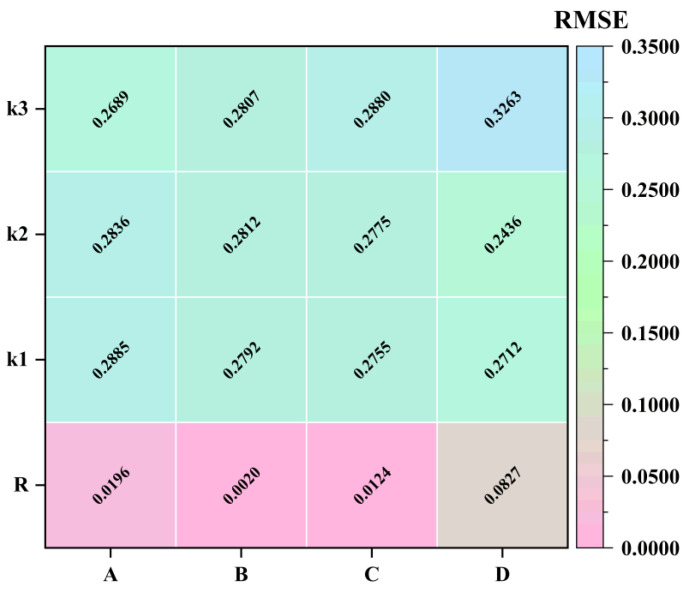 Figure 5
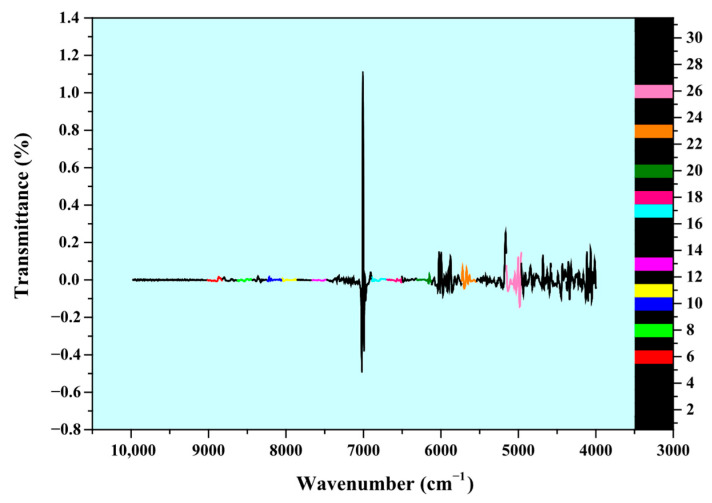 Figure 6
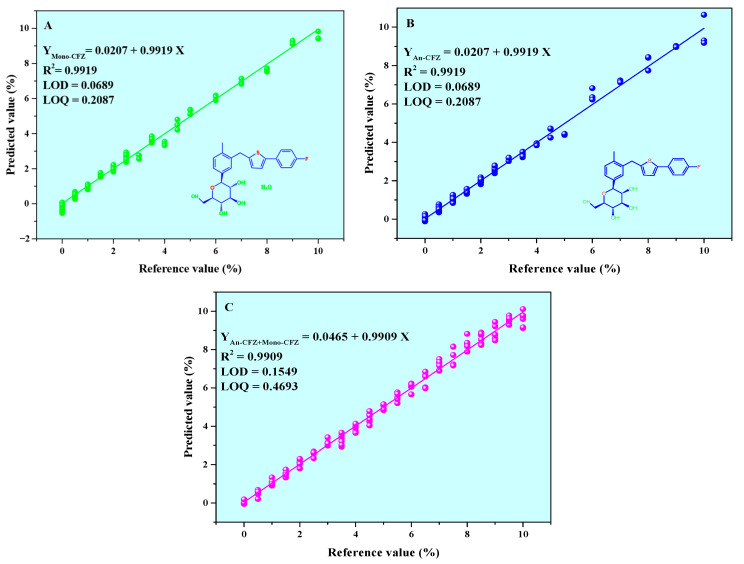 Figure 7
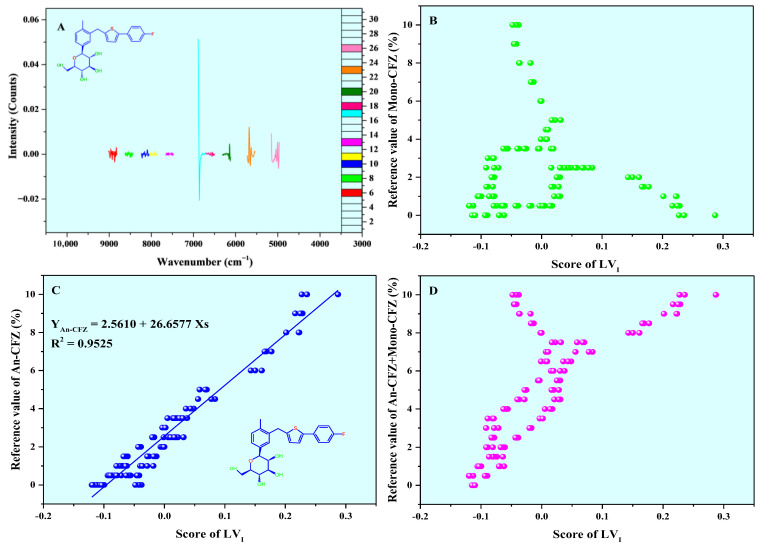 Figure 8
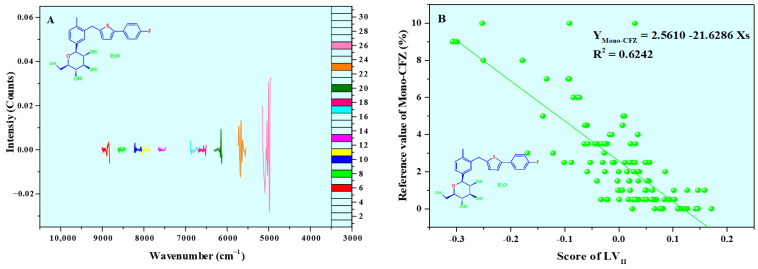 Figure 9
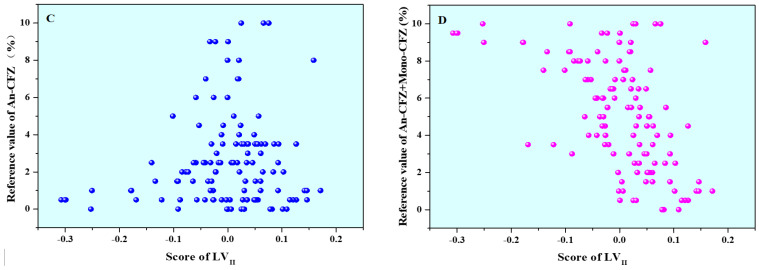 Figure 10
Peer Reviews
No public reviews on file for this paper yet. If you reviewed it on a platform where reviews are public (OpenReview, ICLR, NeurIPS, ICML), you can paste yours below so the community can read it here.
Videos
No videos yet. Explain this paper in a talk, walkthrough, or lecture? Add one.
Taxonomy
TopicsSpectroscopy and Chemometric Analyses · Analytical Methods in Pharmaceuticals · Spectroscopy Techniques in Biomedical and Chemical Research