Phylogenetic Analyses and Biological Characterization of H9N2 Avian Influenza Virus Isolated from Chickens in China from 2022 to 2023
Yafen Song, Aoyang Yan, Shengyao Song, Hongxuan Gong, Ling Chen, Bofan Fu, Min Zhang, Jie Zhang, Ji Liu, Yitong Guo, Guanlong Xu, Chenghuai Yang, Qianyi Zhang

TL;DR
This study tracks the evolution of H9N2 avian influenza in Chinese chickens, finding new genetic diversity and varying virulence that could pose public health risks.
Contribution
The study identifies new subbranches within the h9.4.2.5 lineage of H9N2 and reveals differences in pathogenicity and transmission among isolates.
Findings
H9N2 isolates from 2022-2023 belong to the h9.4.2.5 lineage but show distinct subbranches.
FS22 and JM14 isolates differ in replication efficiency and transmission in mice and chickens.
Antibody responses in chickens peak at 7 days post-infection for both isolates.
Abstract
The continued diversification of the H9N2 avian influenza virus (AIV) into multiple antigenically and phylogenetically distinct lineages is promoting the emergence of strains with pandemic potential. Constant monitoring of the genetic evolution and changes in biological characteristics of the H9N2 viruses is therefore essential. In this study, we analyzed the genetic evolution of the H9N2 viruses isolated from poultry farms between 2022 and 2023 and evaluated their pathogenicity in chickens and mice. The HA genes of all ten isolates belonged to the h9.4.2.5 lineage, which is currently the predominant evolutionary lineage in China. Yet, their HA genes further divided into distinct subbranches within the h9.4.2.5 lineage. The NA genes of these viruses shared high homology with the prevalent H9N2 AIVs in recent years. However, these viruses were located in different evolutionary groups.…
Genes, proteins, chemicals, diseases, species, mutations and cell lines named across the full text — each resolved to its canonical identifier and authoritative record.
Click any figure to enlarge with its caption.
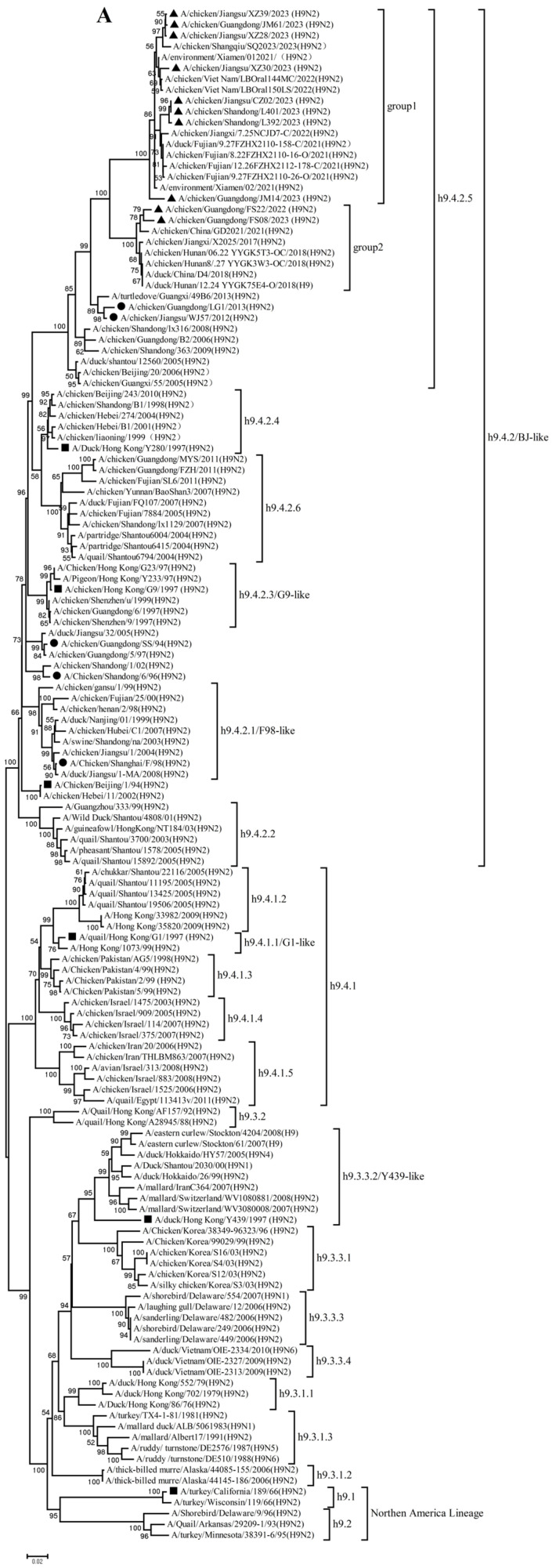 Figure 1
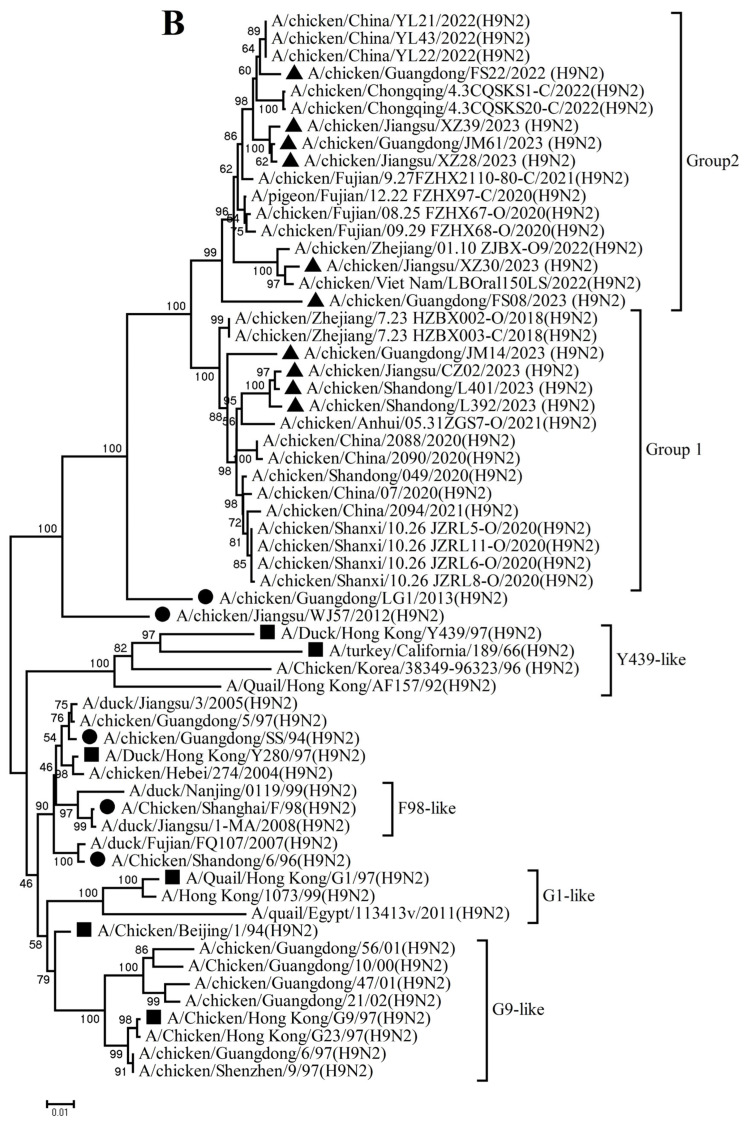 Figure 2
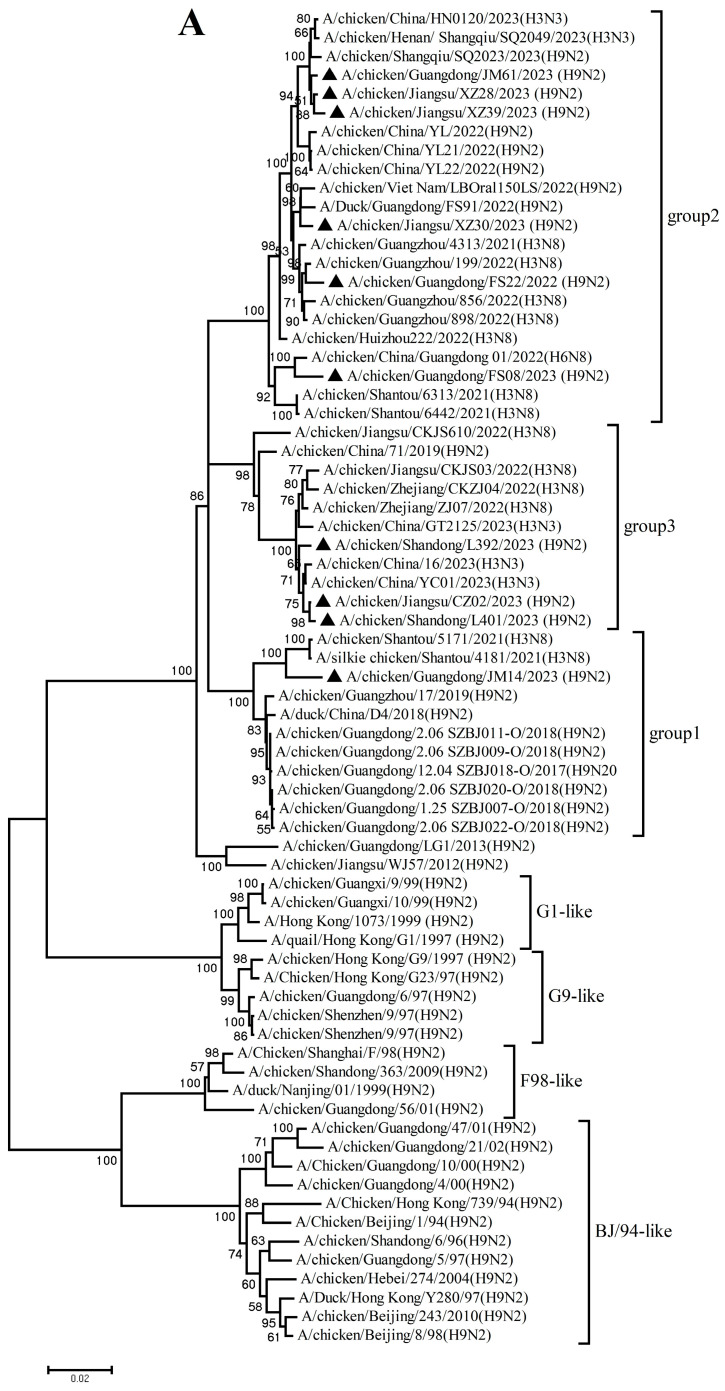 Figure 3
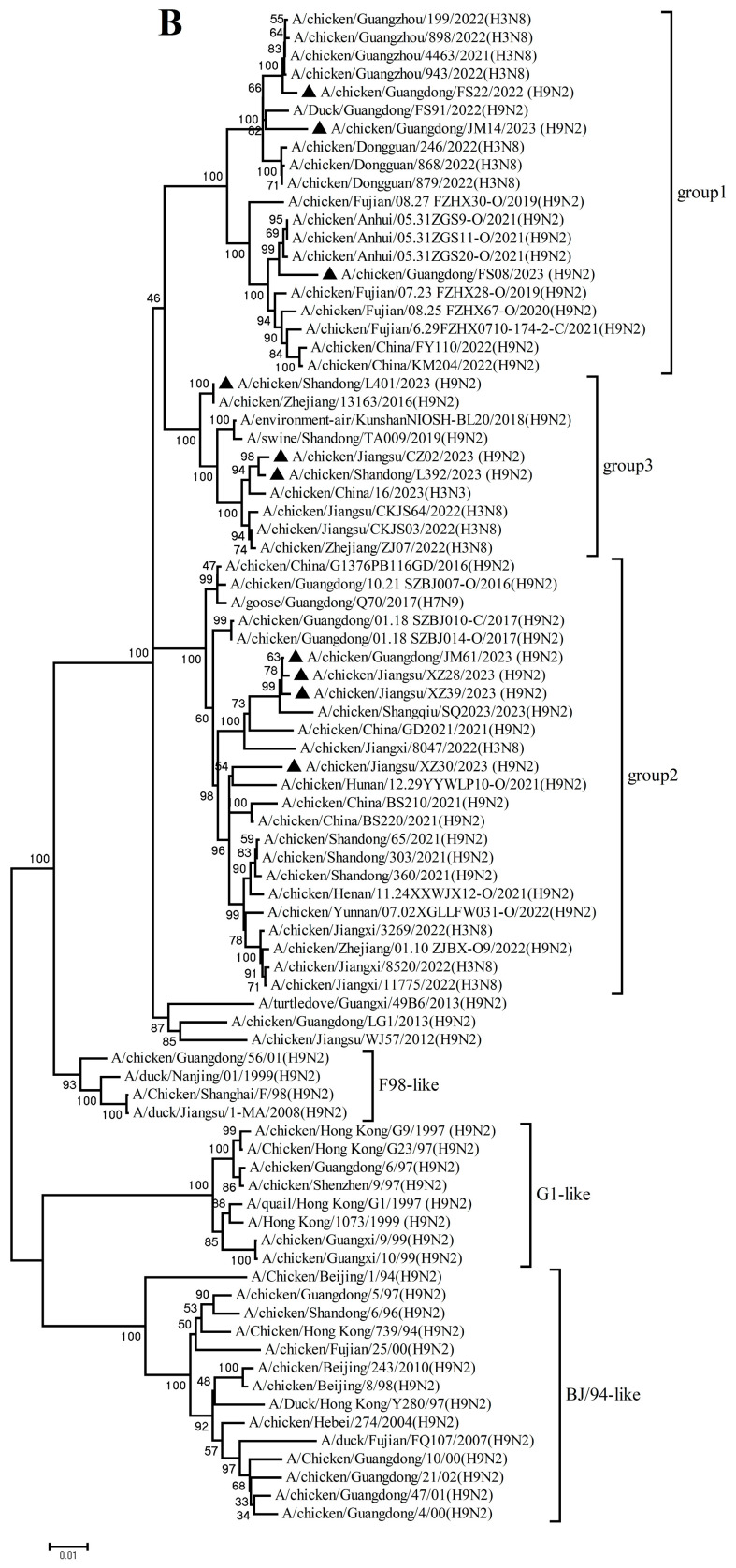 Figure 4
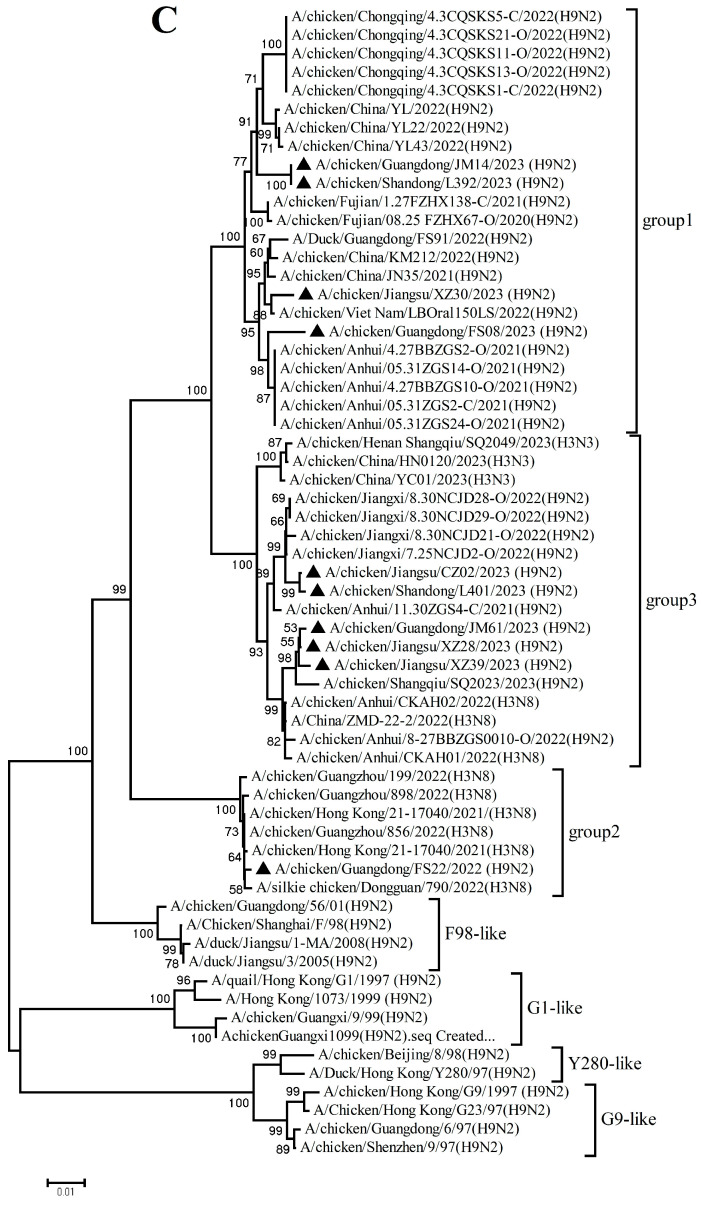 Figure 5
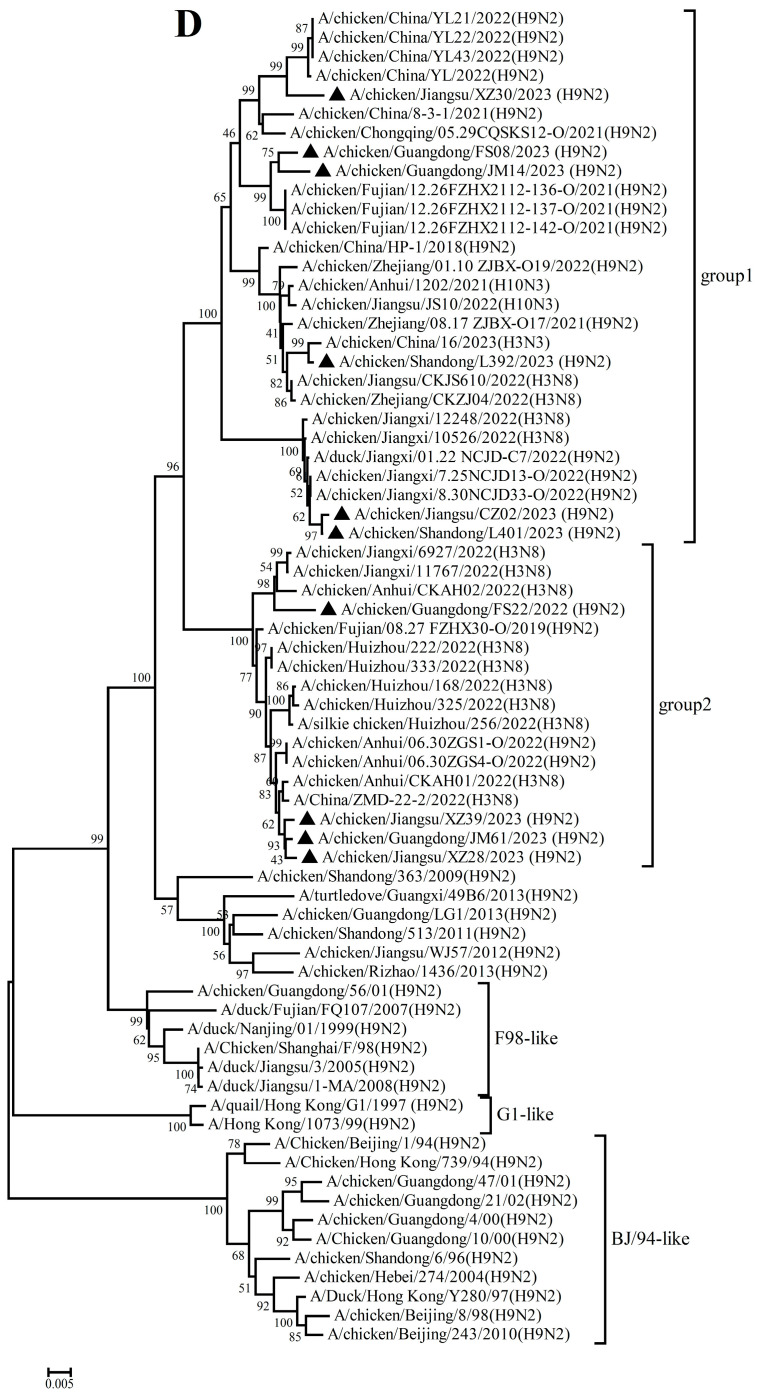 Figure 6
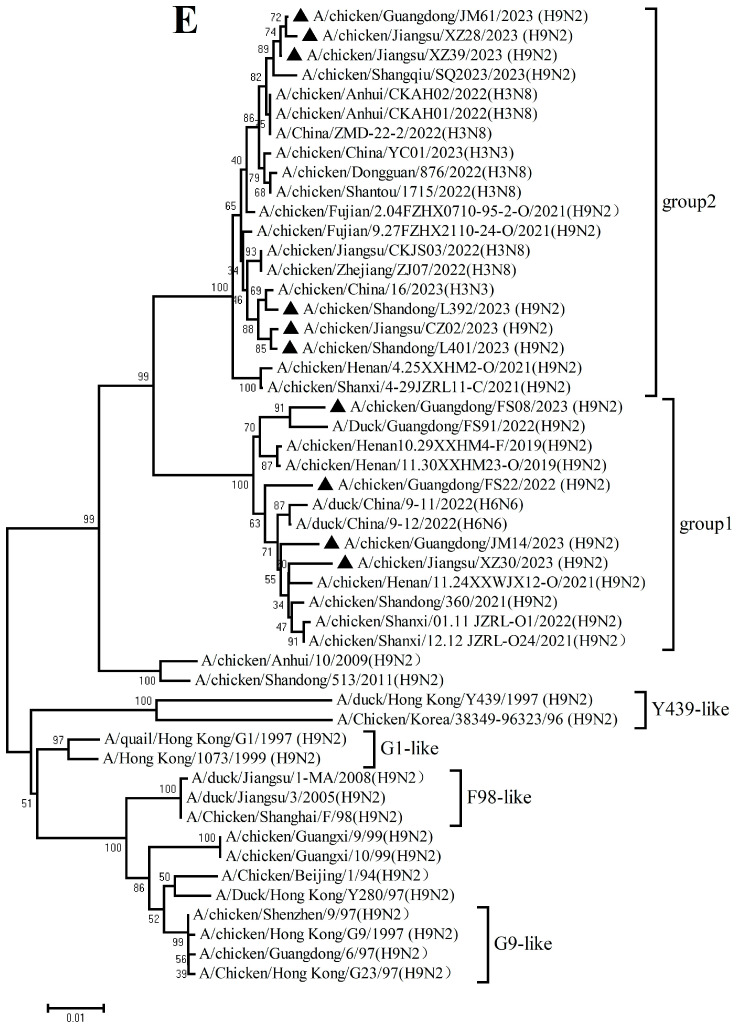 Figure 7
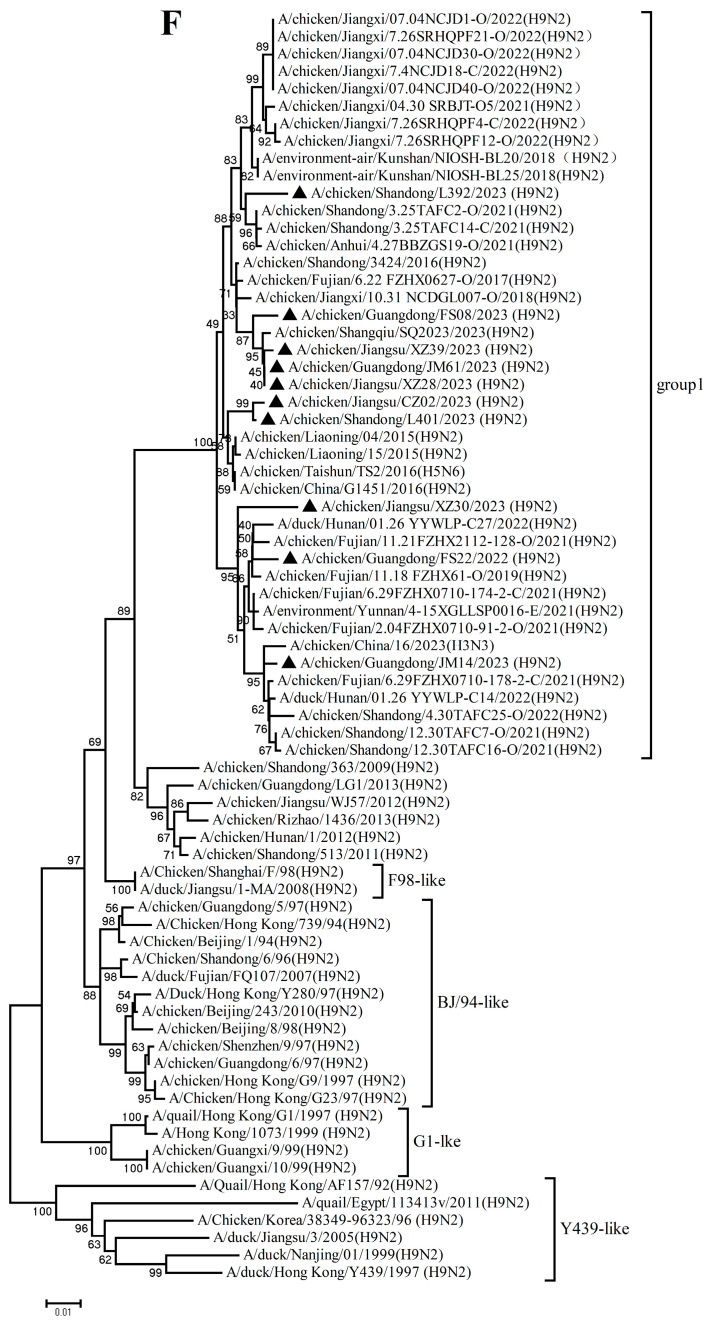 Figure 8
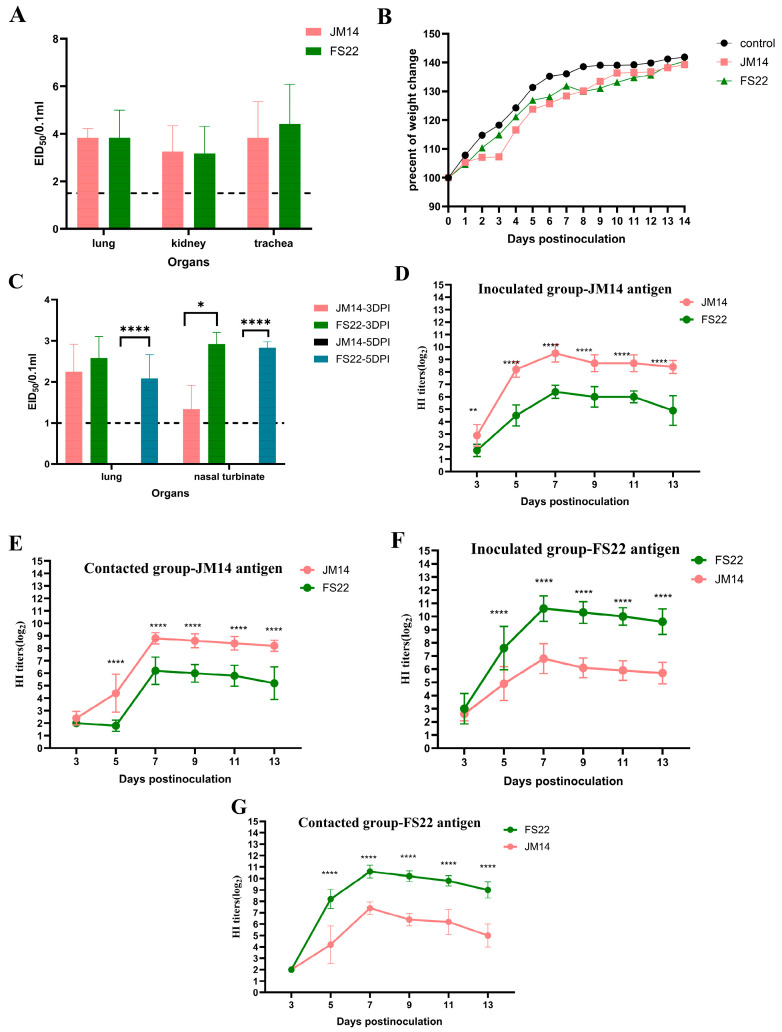 Figure 9
Peer Reviews
No public reviews on file for this paper yet. If you reviewed it on a platform where reviews are public (OpenReview, ICLR, NeurIPS, ICML), you can paste yours below so the community can read it here.
Videos
No videos yet. Explain this paper in a talk, walkthrough, or lecture? Add one.
Taxonomy
TopicsInfluenza Virus Research Studies · Respiratory viral infections research · Poxvirus research and outbreaks