Metamaterial Incident Photon Reconstruction Theory Based on Resonant Dipole Phase
Boli Xu, Renbin Zhong

TL;DR
This paper introduces a new theory explaining how metamaterials modulate photons through interference rather than absorption.
Contribution
The novel MIPRT theory explains photon modulation via coherent destructive interference and resonant phase.
Findings
Metamaterials modulate photons through coherent destructive interference, not absorption.
A unique relationship between resonant phase and amplitude is derived and confirmed.
MIPRT provides new insights into metamaterial electromagnetic response characteristics.
Abstract
In this study, a Metamaterial Incident Photon Reconstruction Theory (MIPRT) is developed to describe the modulation process of metamaterials on incident photons. The theory includes the Invariant Incident Photon Hypothesis and Resonant Phase Deconstruction and Quantification; it reveals the modulation characteristics of metamaterials on incident photons, not by first absorption and then re-emission but by inducing coherent destructive interference, which brings about redistribution of the spatial probability of photon occurrence. This theory is validated in a single-layer metamaterial, and a unique relationship between the resonant phase and amplitude is derived and confirmed by simulation. The proposed MIPRT brings a comprehensive understanding of the electromagnetic (EM) response characteristics of metamaterials and provides a new idea for metamaterial theory from another perspective.
Click any figure to enlarge with its caption.
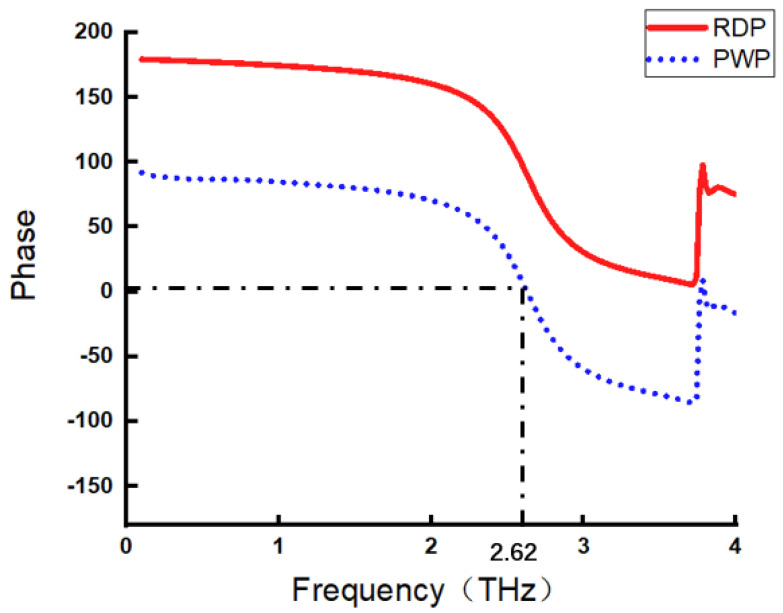 Figure 1
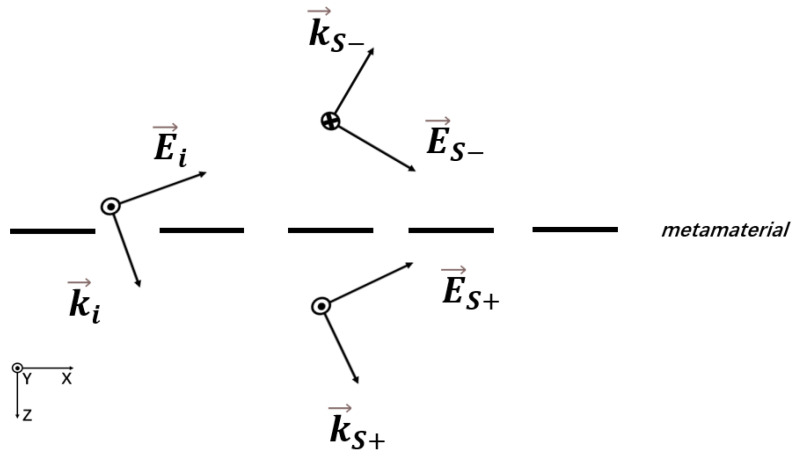 Figure 2
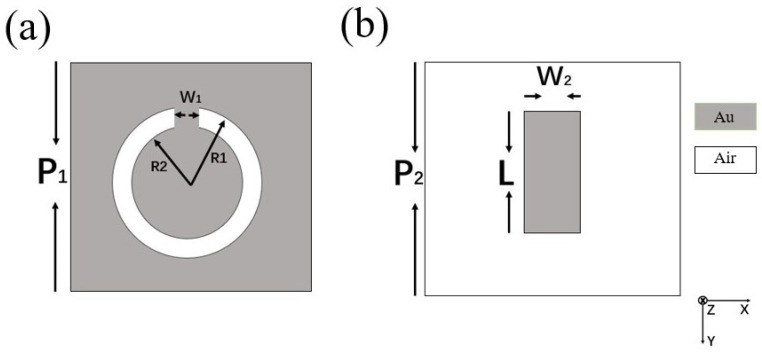 Figure 3
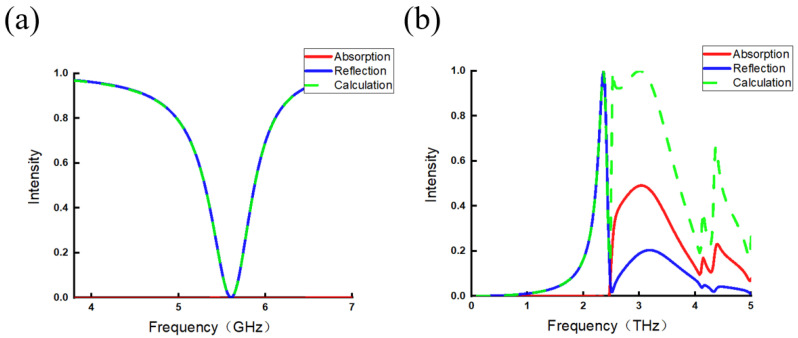 Figure 4
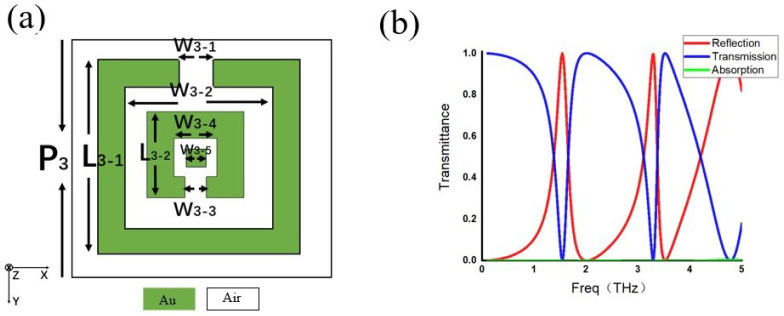 Figure 5
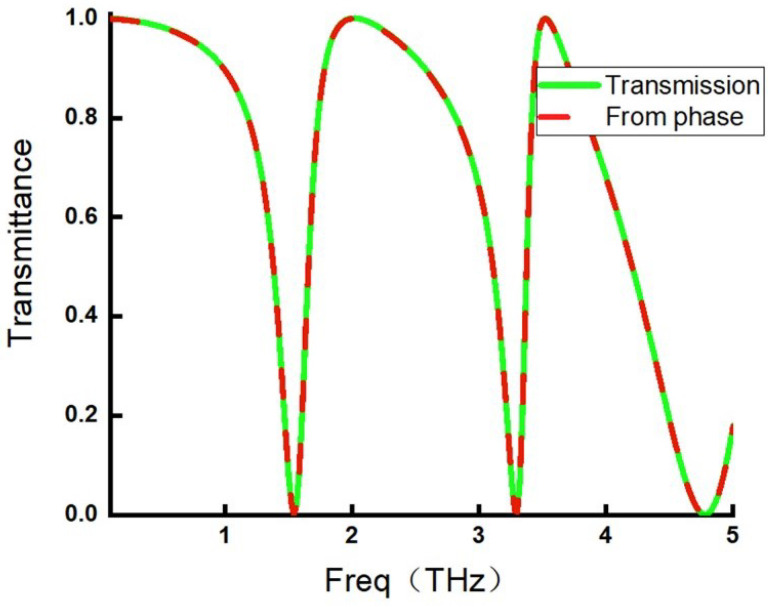 Figure 6
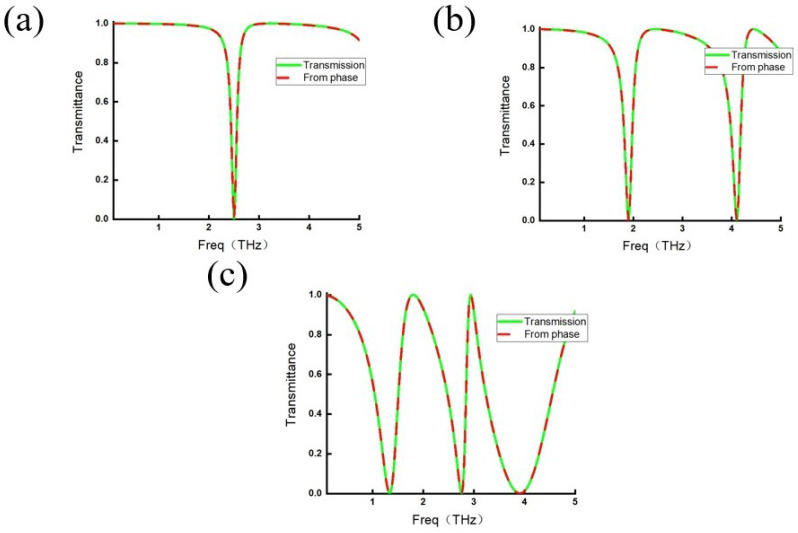 Figure 7
Peer Reviews
No public reviews on file for this paper yet. If you reviewed it on a platform where reviews are public (OpenReview, ICLR, NeurIPS, ICML), you can paste yours below so the community can read it here.
Videos
No videos yet. Explain this paper in a talk, walkthrough, or lecture? Add one.
Taxonomy
TopicsMetamaterials and Metasurfaces Applications · Quantum optics and atomic interactions · Plasmonic and Surface Plasmon Research