Electrochemical Oxidation of Ti-Grad 23 Alloy for Biomedical Applications: Influence of TiO2 Formation on Their Morphology, Composition, Wettability, and Chemical Corrosion
Lidia Benea, Nicoleta Bogatu, Veaceslav Neaga, Elena Roxana Axente

TL;DR
This paper studies how electrochemical oxidation affects the properties of a titanium alloy used in biomedical applications, focusing on the formation of TiO2 layers and their performance in simulated body conditions.
Contribution
The study identifies optimal electrochemical oxidation conditions for Ti-Grad 23 alloy to enhance its biomedical suitability through controlled TiO2 layer formation.
Findings
Electrochemical oxidation increases the crystallite size and intensifies anatase and brookite TiO2 phases.
Oxidized surfaces show enhanced hydrophilicity and structural stability in physiological media.
Optimal oxidation occurs at 200 V for 1 min, producing uniform pores suitable for biomedical use.
Abstract
In this study, the influence of the electrochemical oxidation process on Ti-Grad 23 alloy (Ti6Al4V ELI) in 1 M H3PO4, under applied voltages between 200 and 275 V, at a constant time of 1 min, is analyzed. The structural, morphological, and wettability properties of the TiO2 anodic layers obtained were investigated by X-ray diffraction (XRD), energy dispersive electron microscopy (SEM-EDS), contact angle measurements, and chemical corrosion. XRD analysis showed the development and intensification of anatase and brookite phases, with increased crystallite size after electrochemical oxidation. SEM/EDS characterization confirmed the formation of an inhomogeneous porous TiO2 layer, with pore diameters ranging from 98 to 139 nm and a significant increase in oxygen content. Contact angle measurements demonstrate enhanced hydrophilicity for all oxidized samples, with progressively lower values…
Genes, proteins, chemicals, diseases, species, mutations and cell lines named across the full text — each resolved to its canonical identifier and authoritative record.
Click any figure to enlarge with its caption.
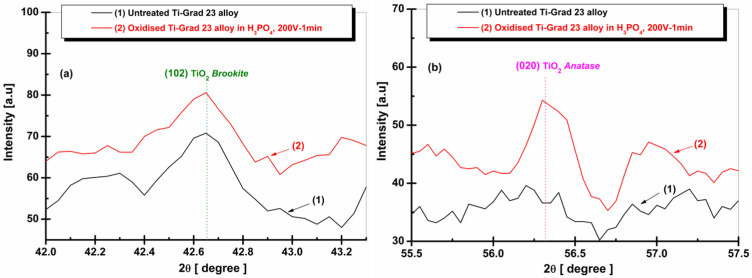 Figure 1
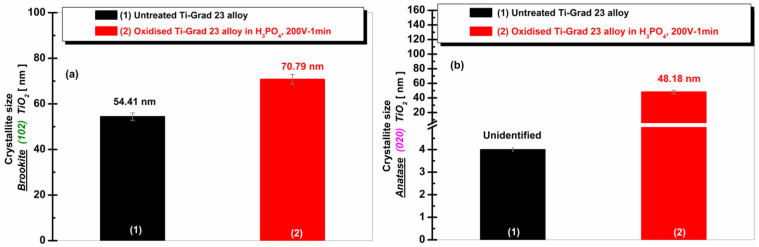 Figure 2
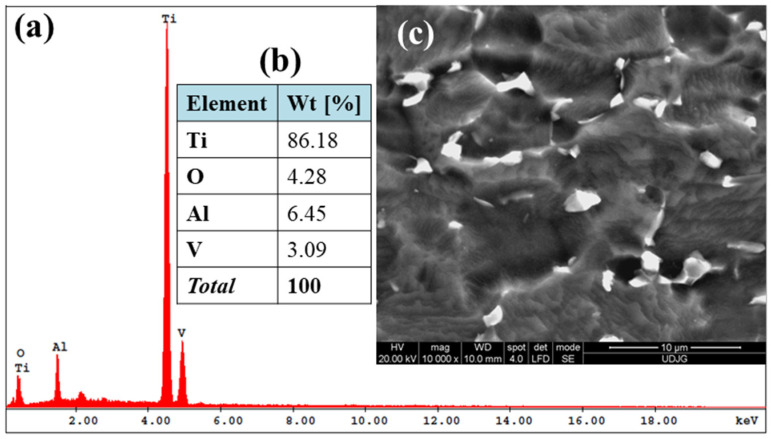 Figure 3
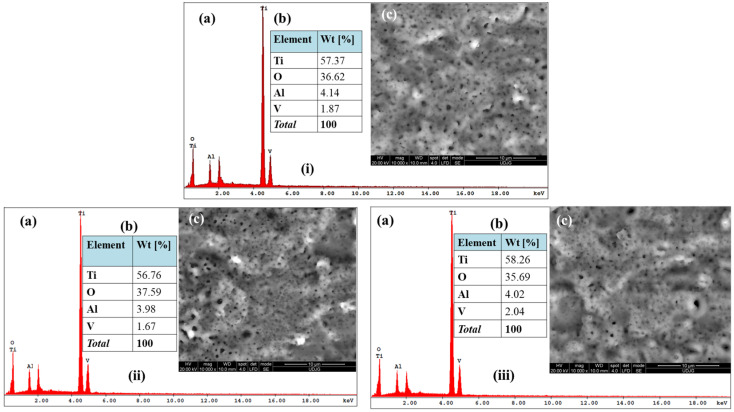 Figure 4
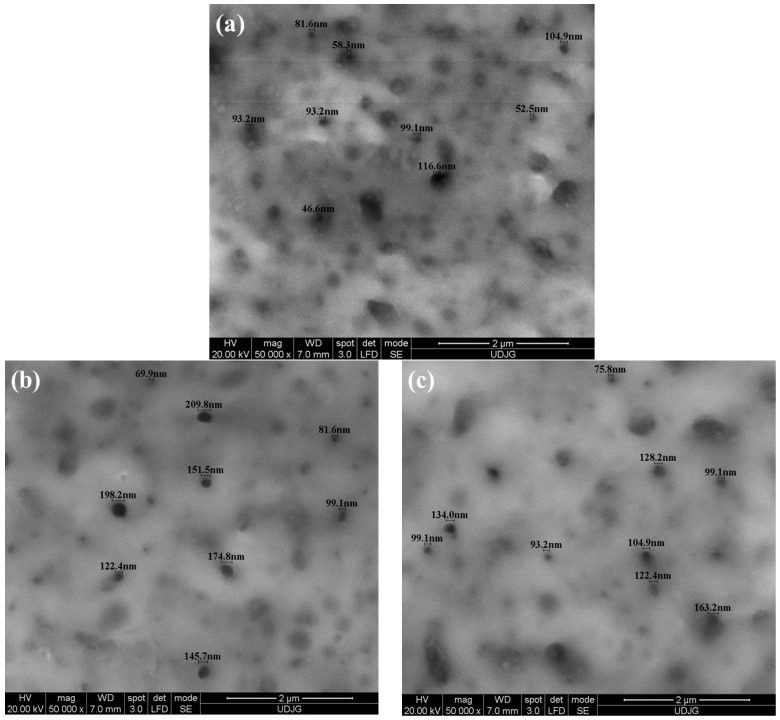 Figure 5
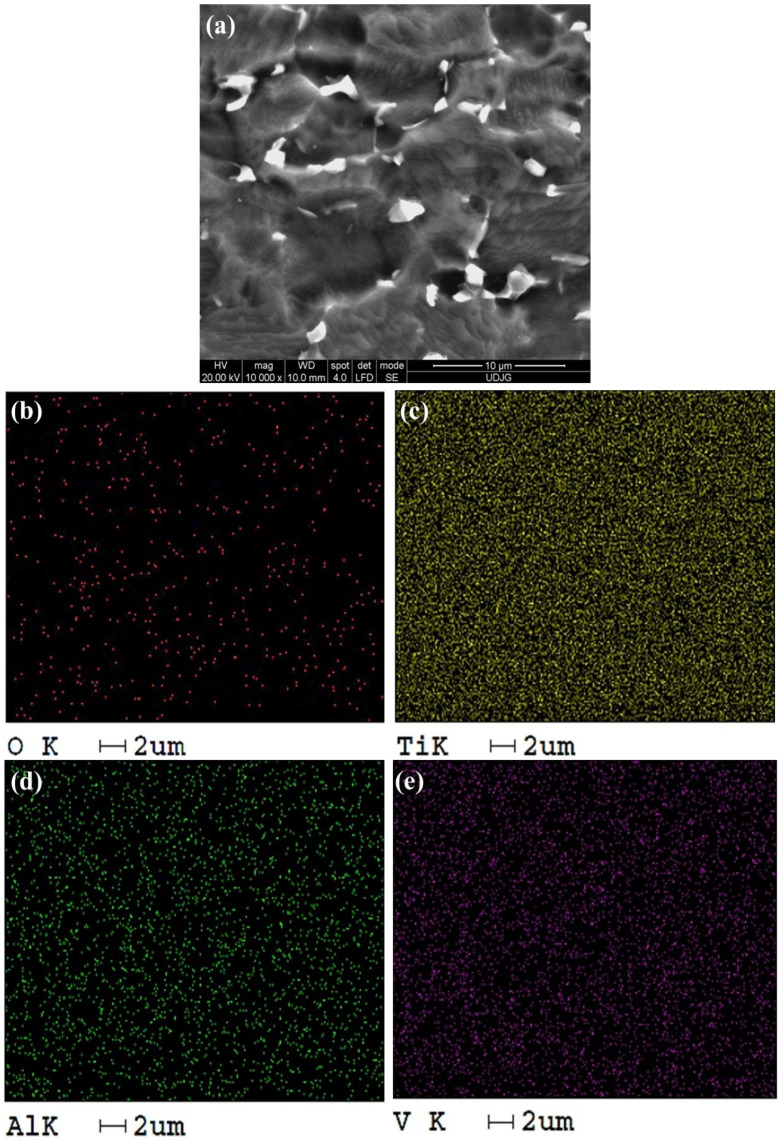 Figure 6
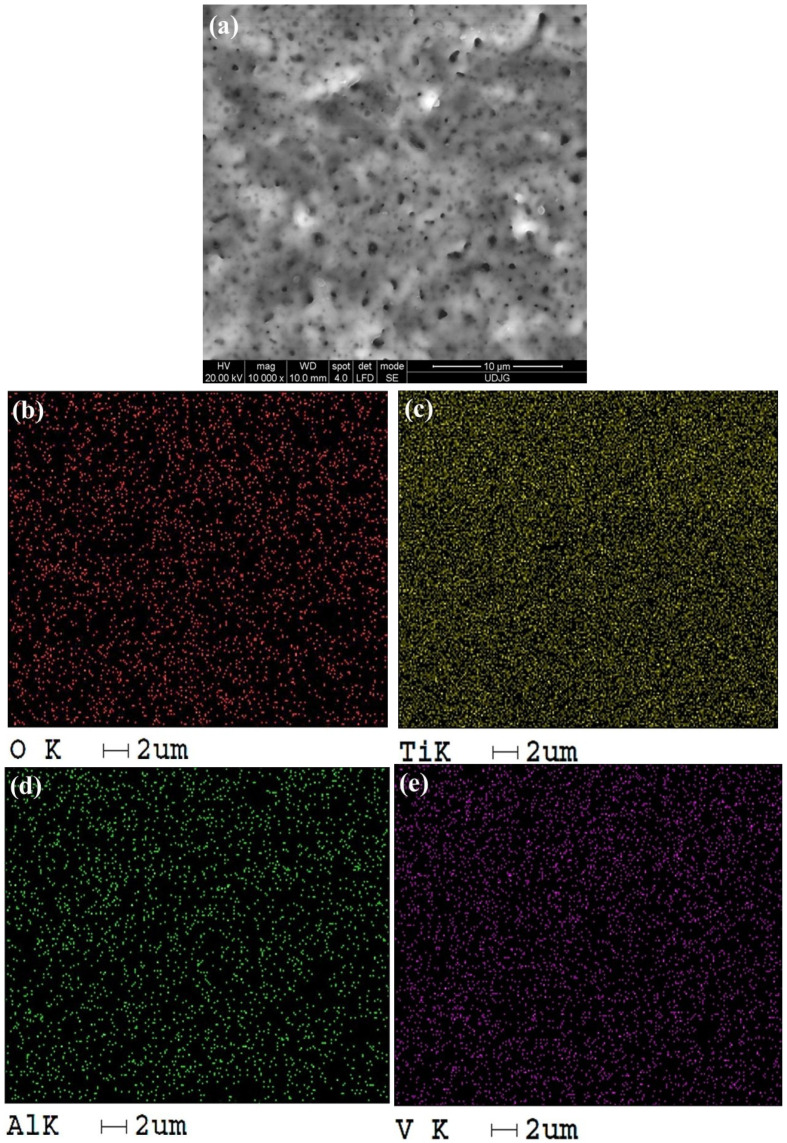 Figure 7
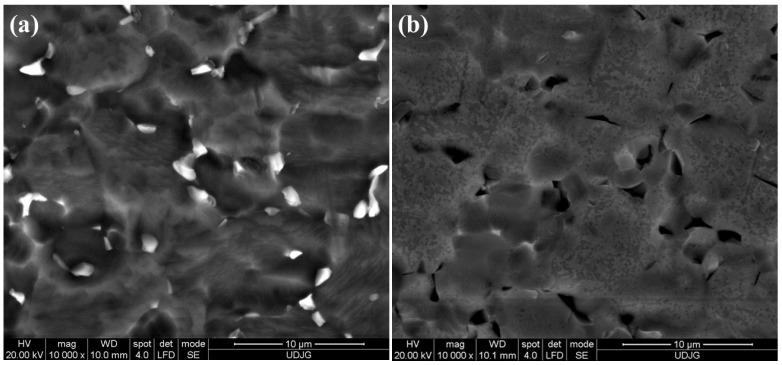 Figure 8
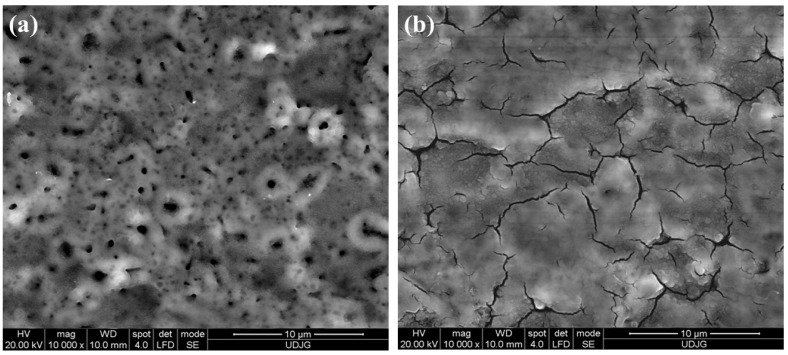 Figure 9
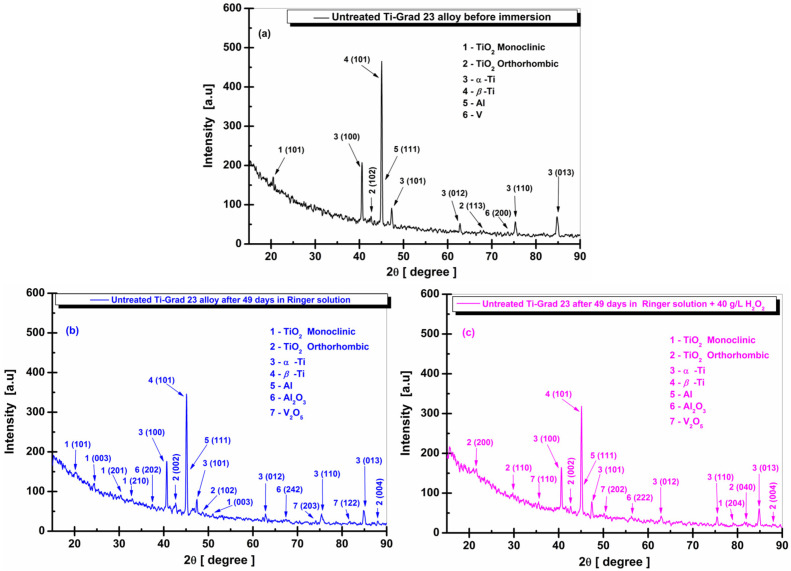 Figure 10
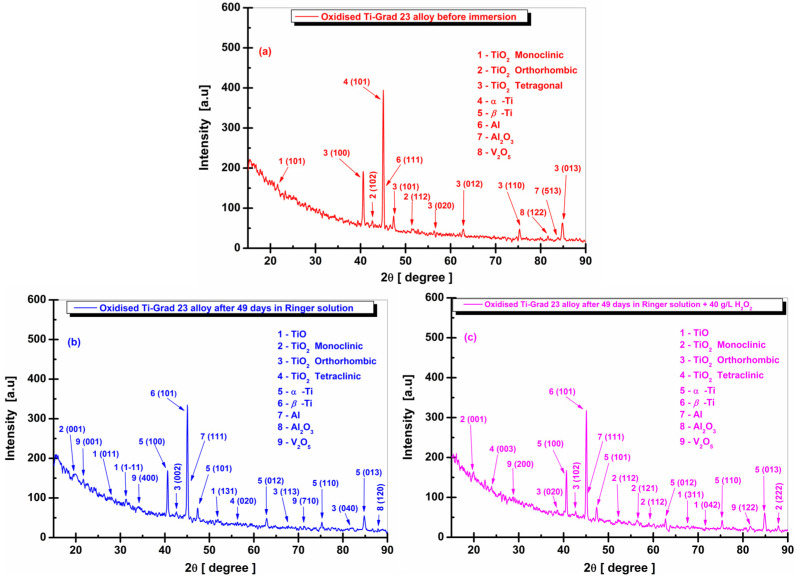 Figure 11
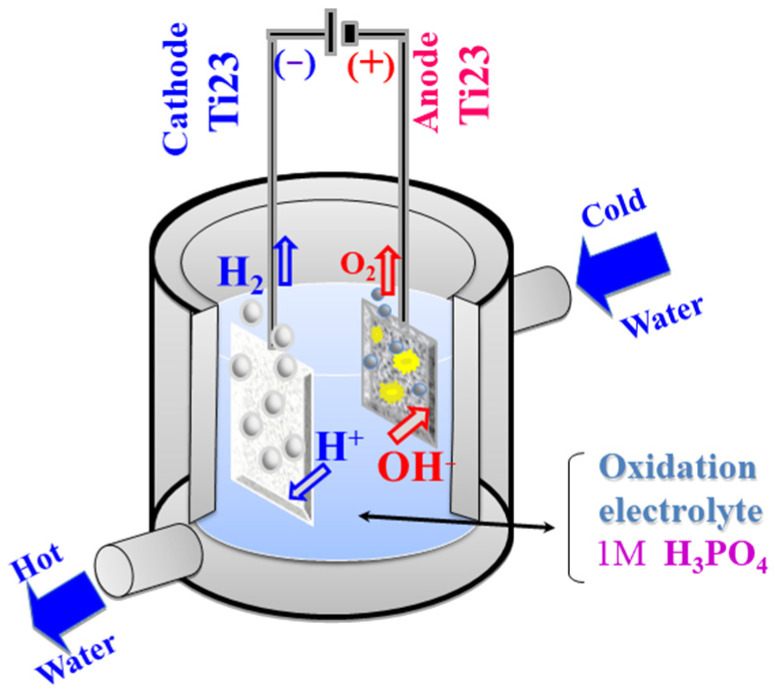 Figure 12
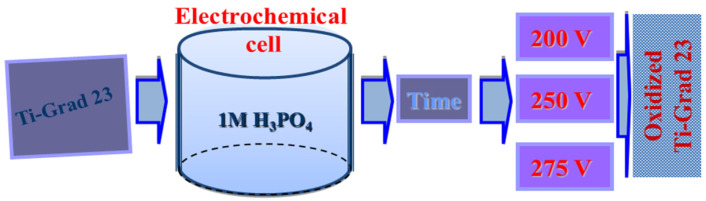 Figure 13
 Figure 14
 Figure 15
 Figure 16
 Figure 17
Peer Reviews
No public reviews on file for this paper yet. If you reviewed it on a platform where reviews are public (OpenReview, ICLR, NeurIPS, ICML), you can paste yours below so the community can read it here.
Videos
No videos yet. Explain this paper in a talk, walkthrough, or lecture? Add one.
Taxonomy
TopicsTitanium Alloys Microstructure and Properties · Magnesium Alloys: Properties and Applications · Bone Tissue Engineering Materials