Clostridium perfringens Type A Isolated from Intestinal Contents of Alpaca
Hongrui Ren, Qiong Jia, Shuaipeng Gao, Haoyu Yang, Shuyin Zhang, Ruiwen Fan

TL;DR
A Clostridium perfringens type A strain from an alpaca's intestine caused severe intestinal and immune damage in mice, suggesting its potential role in disease.
Contribution
The study identifies a C. perfringens type A strain from alpaca and demonstrates its pathogenic effects in mice, including immune activation and mucosal damage.
Findings
C. perfringens type A caused severe duodenal pathology and immune cell infiltration in mice.
The toxin triggered CD8+ T cell activation and disrupted intestinal barrier proteins like ZO-1 and Occludin.
The strain's pathogenicity was confirmed through laboratory identification and in vivo experiments.
Abstract
A Clostridium perfringens (C. perfringens) type A strain was isolated and identified from a dead alpaca’s intestine. The pathogenicity of C. perfringens in mice was then determined using the intragastric method with a bacterial supernatant and showed severe duodenal pathology, including epithelial basement membrane detachment and splenic white pulp dilation with the dominant distribution of CD8+ T cells. Furthermore, the intestinal barrier was disrupted by the decreased expressions of ZO-1 and Occludin in the duodenal mucosa. The results indicate that the α toxin produced by the type A strain triggers CD8+ T cell activation, aggravating immune response and mucosal damage. C. perfringens is a Gram-positive, anaerobic, spore-forming bacterium that causes serious diseases in humans and animals. In this study, C. perfringens was isolated from the intestinal content of an alpaca, cultured,…
Genes, proteins, chemicals, diseases, species, mutations and cell lines named across the full text — each resolved to its canonical identifier and authoritative record.
Click any figure to enlarge with its caption.
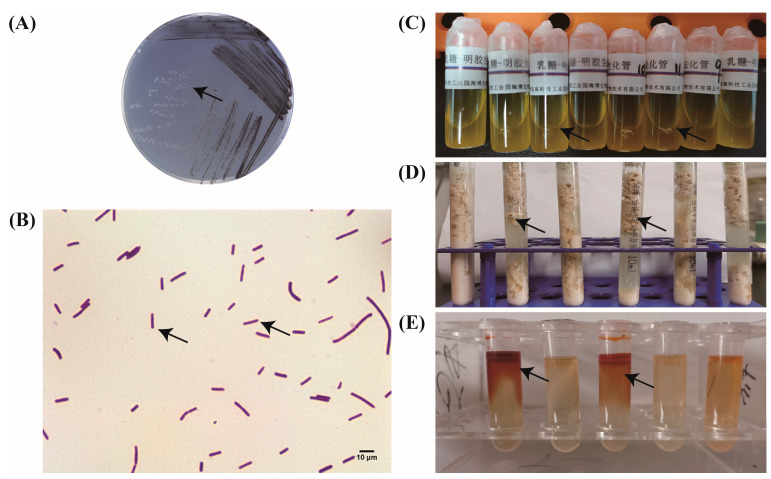 Figure 1
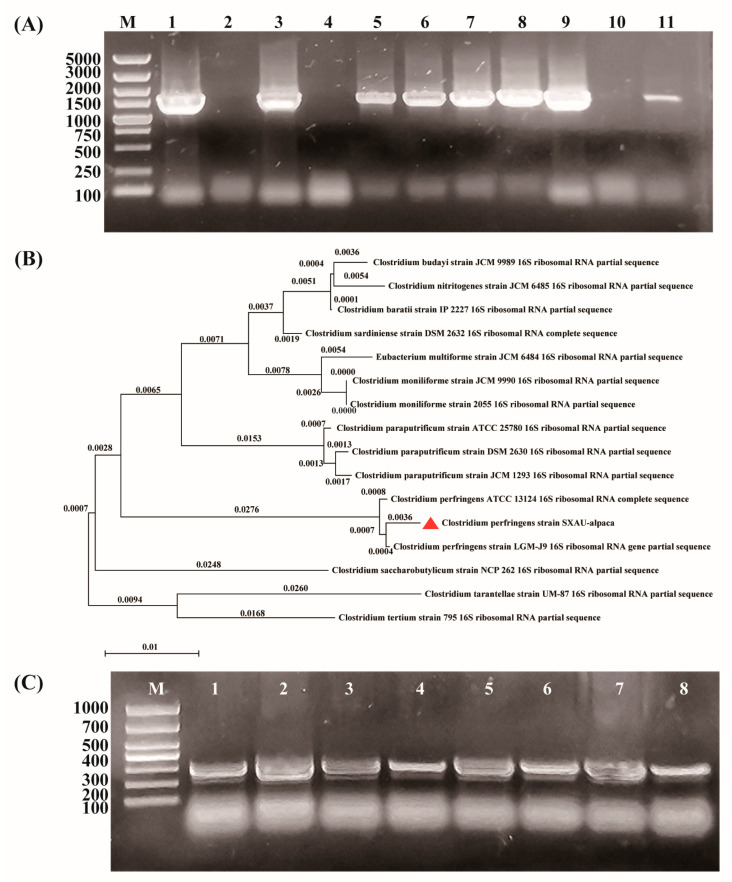 Figure 2
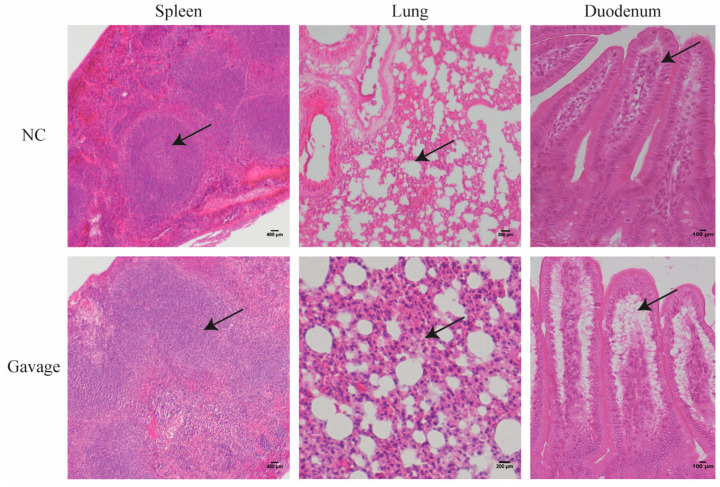 Figure 3
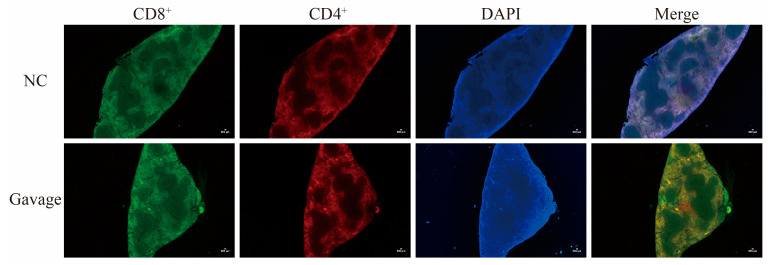 Figure 4
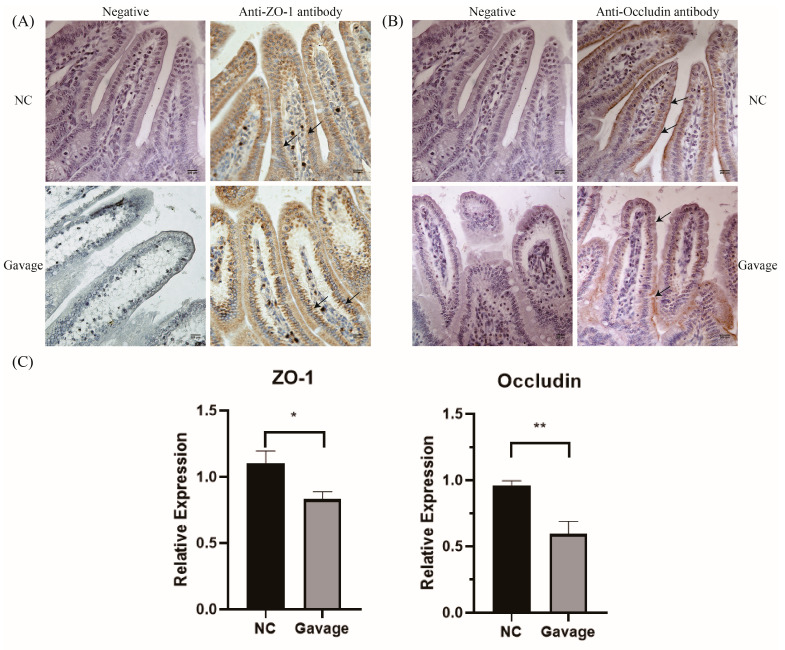 Figure 5
Peer Reviews
No public reviews on file for this paper yet. If you reviewed it on a platform where reviews are public (OpenReview, ICLR, NeurIPS, ICML), you can paste yours below so the community can read it here.
Videos
No videos yet. Explain this paper in a talk, walkthrough, or lecture? Add one.
Taxonomy
TopicsClostridium difficile and Clostridium perfringens research · Probiotics and Fermented Foods · Streptococcal Infections and Treatments