Polystyrene Nanoplastics Increase Macrophage Bactericidal Activity Through a Mechanism Involving Reactive Oxygen Species and Itaconate
Seyedeh Safoora Moosavi, Hamlet Acevedo Ospina, Albert Descoteaux

TL;DR
Polystyrene nanoplastics boost macrophage ability to kill bacteria by increasing reactive oxygen species and itaconate production.
Contribution
The study reveals a novel mechanism by which nanoplastics enhance macrophage bactericidal activity through ROS and itaconate.
Findings
Polystyrene nanoplastics are internalized into macrophage organelles like endosomes and lysosomes.
Nanoplastics increase macrophage bactericidal activity via reactive oxygen species production.
Itaconate, produced via aconitate decarboxylase 1, plays a key role in enhanced bacterial killing.
Abstract
Nanoplastics are persistent environmental pollutants with potential risks to human health. Due to their small size, nanoplastics are internalized by macrophages, potentially altering their function. In this study we found that, in macrophages, 50 nm polystyrene nanoplastics were predominantly present in endosomes, lysosomes, and in the endoplasmic reticulum. Internalization of polystyrene nanoplastics increased the bactericidal activity of macrophages, which was inhibited by the NADPH oxidase inhibitor diphenyleneiodonium. Consistently, measurements of cellular and mitochondrial reactive oxygen species by flow cytometry revealed that polystyrene nanoplastics induced reactive oxygen species production in macrophages. In contrast, internalization of polystyrene nanoplastics reduced the levels of nitric oxide released by macrophages in response to E. coli. Internalization of polystyrene…
Genes, proteins, chemicals, diseases, species, mutations and cell lines named across the full text — each resolved to its canonical identifier and authoritative record.
Click any figure to enlarge with its caption.
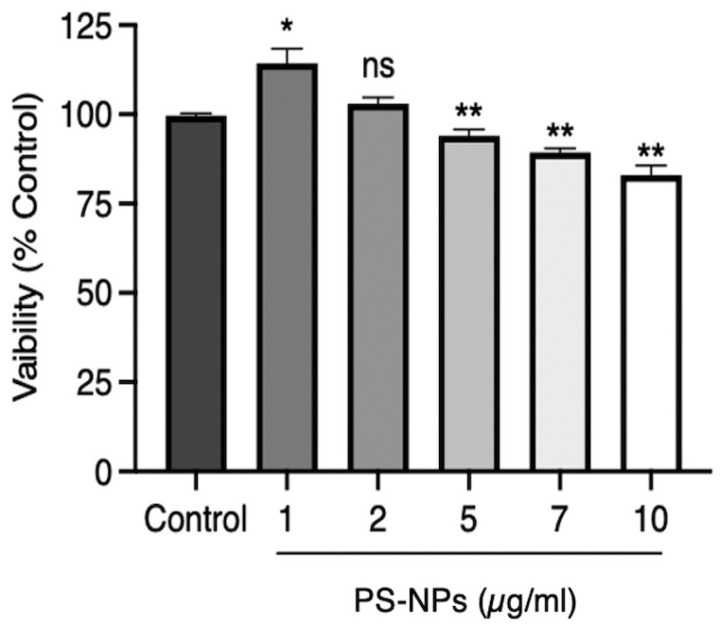 Figure 1
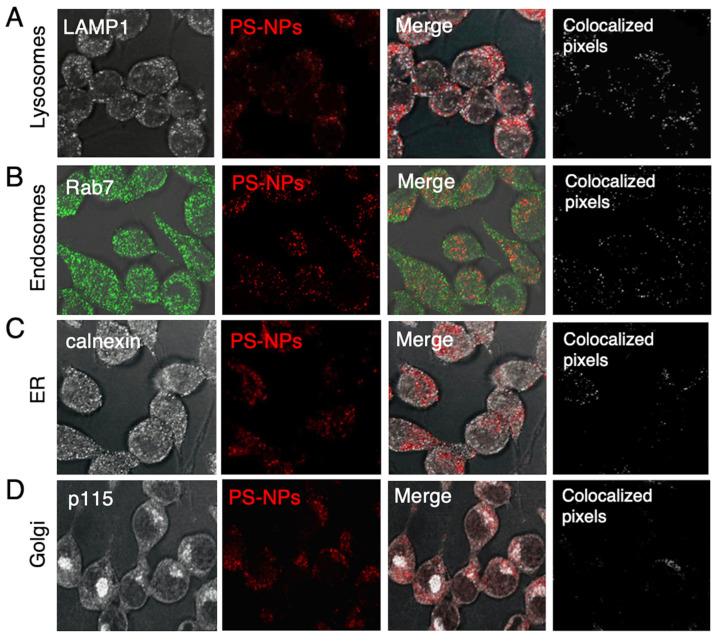 Figure 2
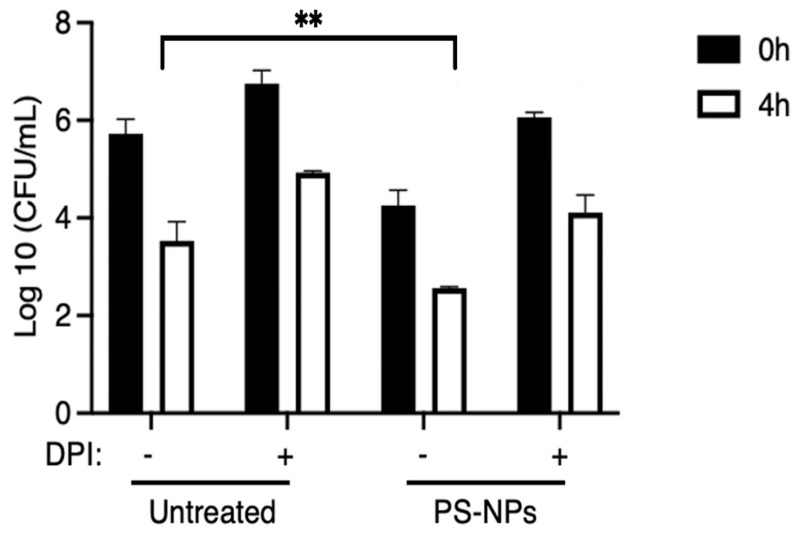 Figure 3
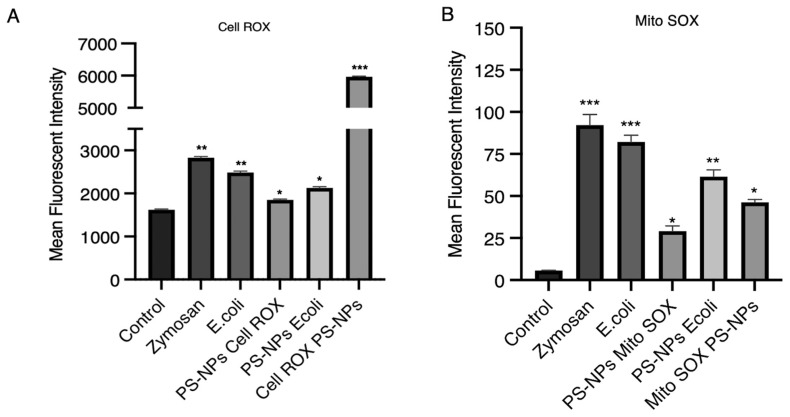 Figure 4
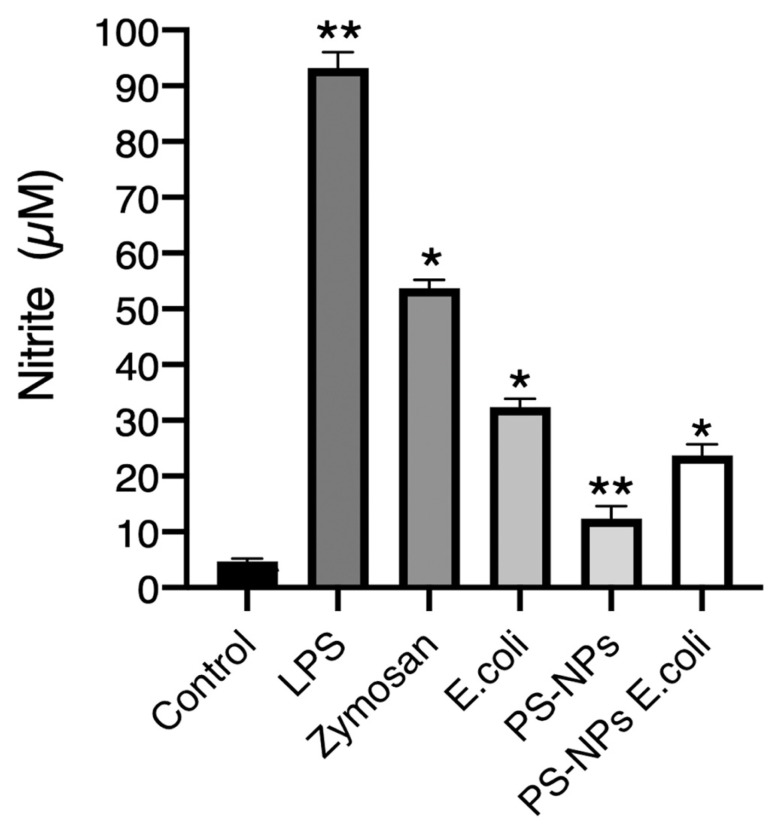 Figure 5
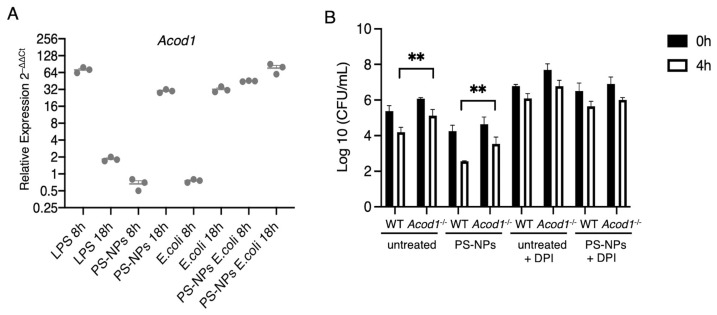 Figure 6
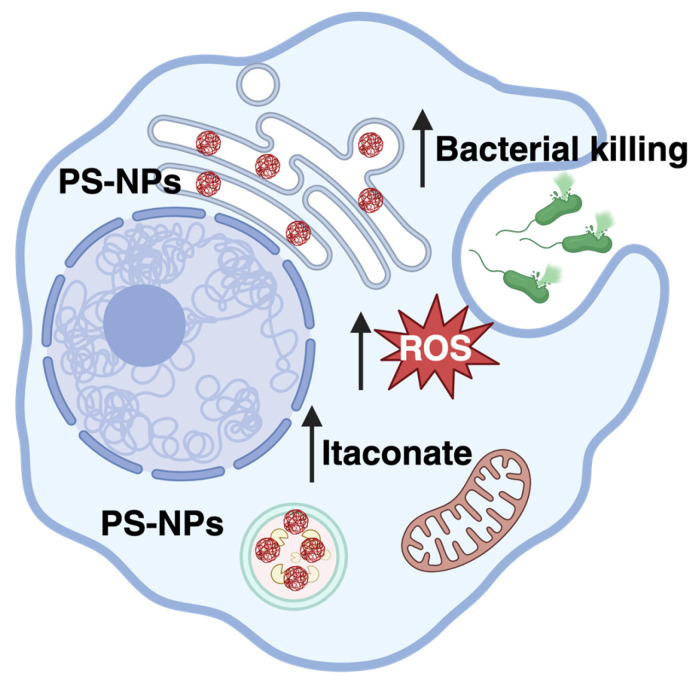 Figure 7
Peer Reviews
No public reviews on file for this paper yet. If you reviewed it on a platform where reviews are public (OpenReview, ICLR, NeurIPS, ICML), you can paste yours below so the community can read it here.
Videos
No videos yet. Explain this paper in a talk, walkthrough, or lecture? Add one.
Taxonomy
TopicsMicroplastics and Plastic Pollution · biodegradable polymer synthesis and properties · Antimicrobial agents and applications