Nitroxide Hormesis in Yeast: 4-Hydroxy-TEMPO Modulates Aging, and Cell Cycle
Mateusz Mołoń, Patrycja Kielar, Eliza Molestak, Agnieszka Mołoń, Ewelina Kuna, Marek Biesiadecki, Przemysław Grela, Alan González-Ibarra, Sabina Galiniak

TL;DR
This study explores how 4-hydroxy-TEMPO, a nitroxide radical, affects yeast aging and cell cycle, showing a hormetic effect depending on genetic background.
Contribution
The study reveals a novel hormetic effect of 4-hydroxy-TEMPO on yeast aging and identifies a non-canonical redox-dependent transcriptional response.
Findings
4-hydroxy-TEMPO induces a strain-dependent hormetic response in chronological aging.
It triggers a non-canonical transcriptional program involving stress-response and ribosomal genes.
The compound preserves polysome structure and shows genoprotective effects at low concentrations.
Abstract
4-hydroxy-TEMPO is a water-soluble nitroxide radical with potent antioxidant and redox-modulating properties. Its small molecular weight and membrane permeability enable it to act as a superoxide dismutase mimetic, efficiently scavenging reactive oxygen species and mitigating oxidative damage. In this study, we investigated the physiological and transcriptomic effects of 4-hydroxy-TEMPO in Saccharomyces cerevisiae, using wild-type and mutant strains deficient in key redox and DNA repair pathways (sod1Δ, sod2Δ, yap1Δ, rad52Δ). RNA-Seq analysis revealed widespread transcriptional reprogramming. Treatment with 4-hydroxy-TEMPO impaired cell growth, induced accumulation of cells with 1C (G1 phase) DNA content, and modulated chronological aging in a strain-dependent manner. Notably, low concentrations delayed aging in wild-type, yap1Δ, and rad52Δ strains, while accelerating it in sod1Δ…
Genes, proteins, chemicals, diseases, species, mutations and cell lines named across the full text — each resolved to its canonical identifier and authoritative record.
Click any figure to enlarge with its caption.
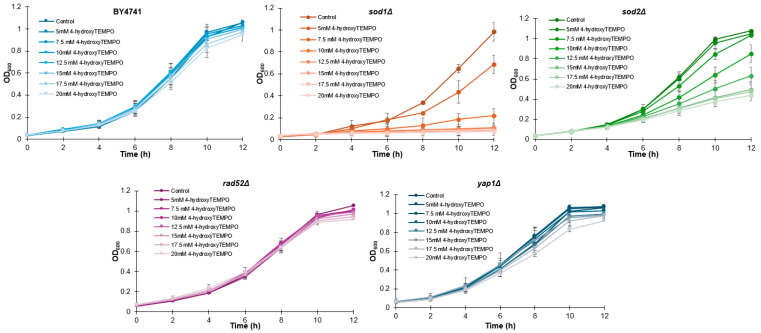 Figure 1
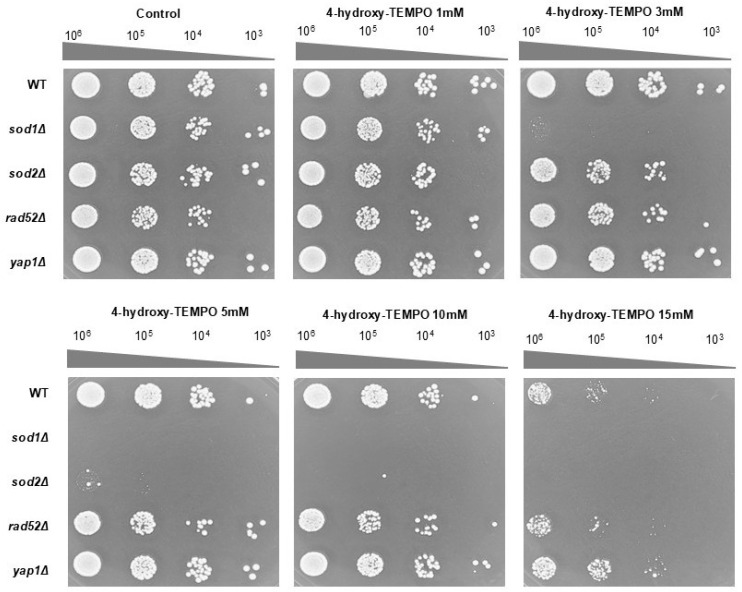 Figure 2
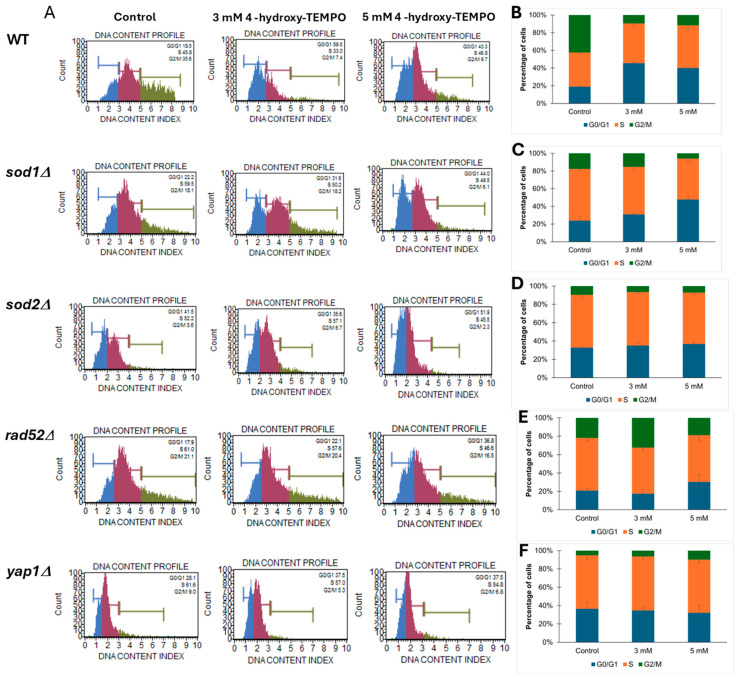 Figure 3
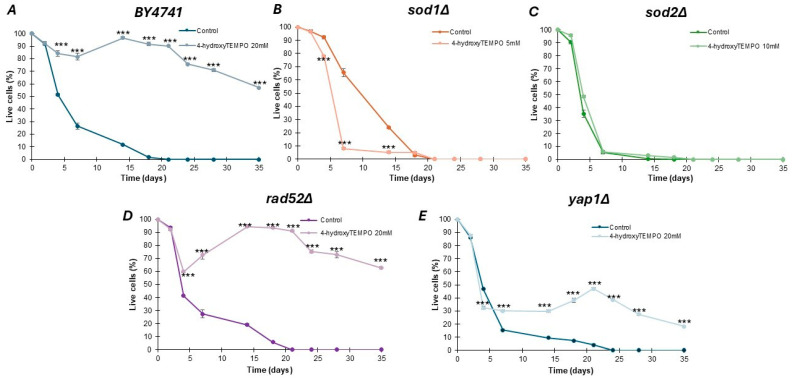 Figure 4
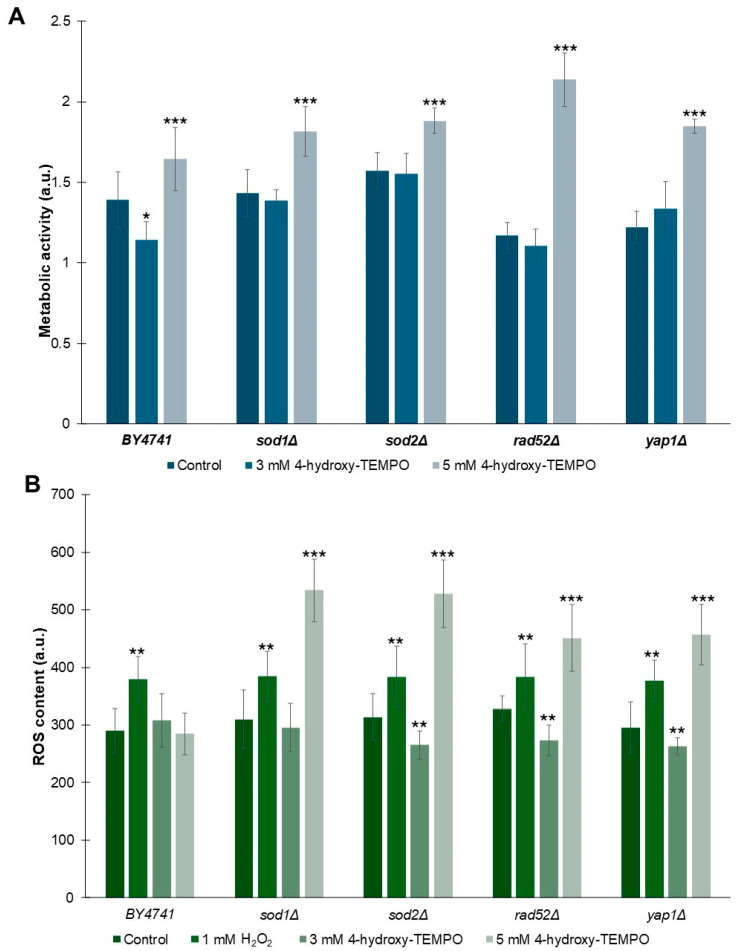 Figure 5
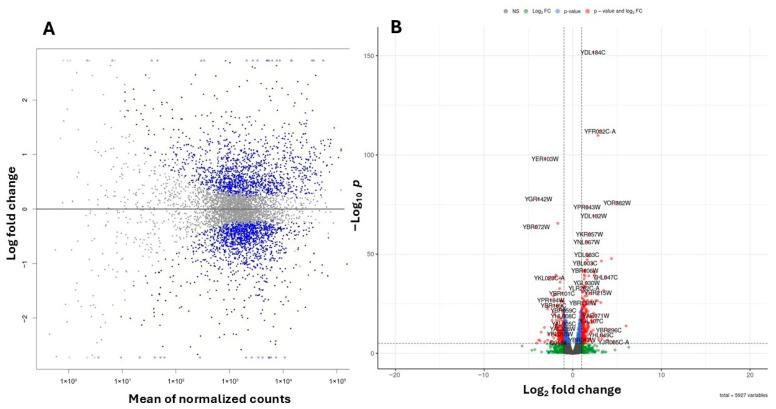 Figure 6
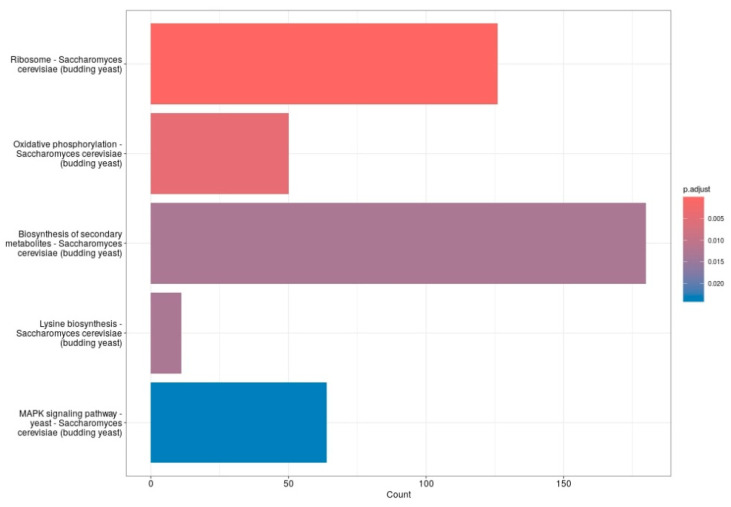 Figure 7
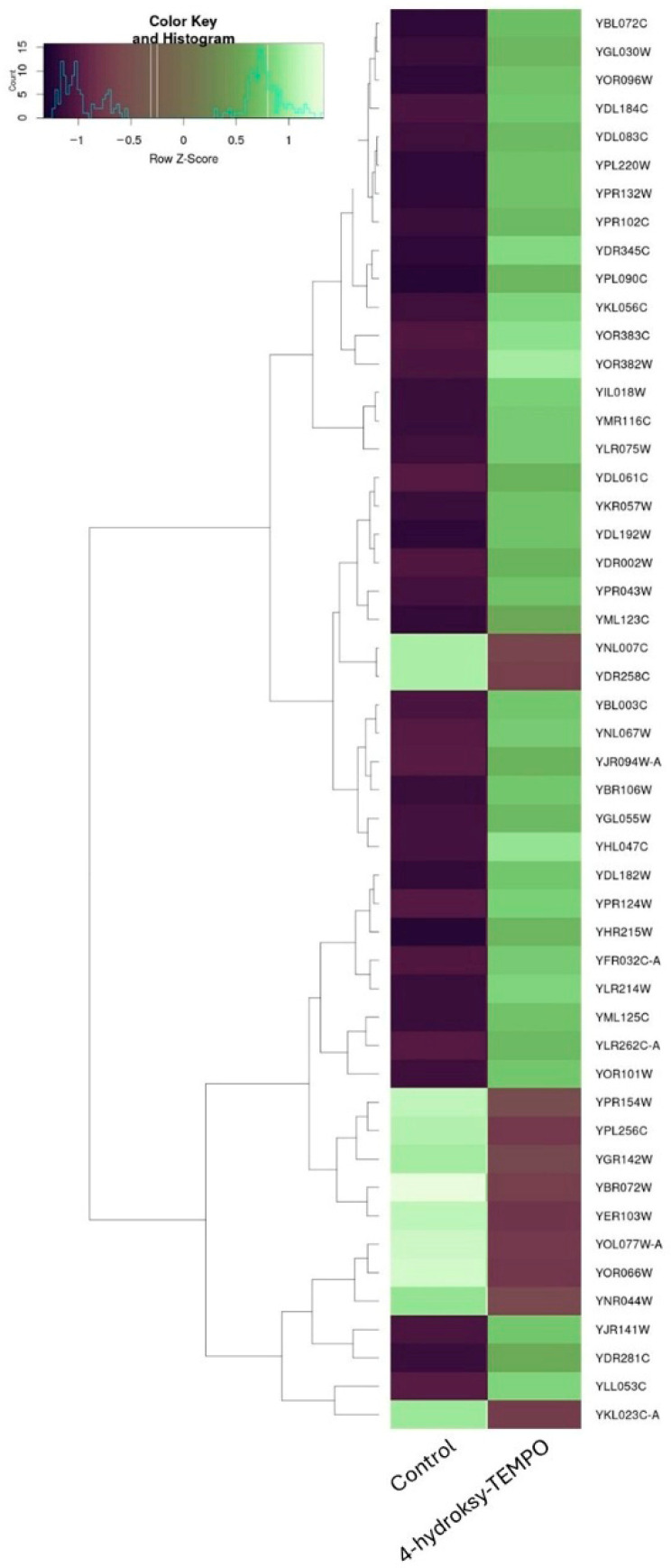 Figure 8
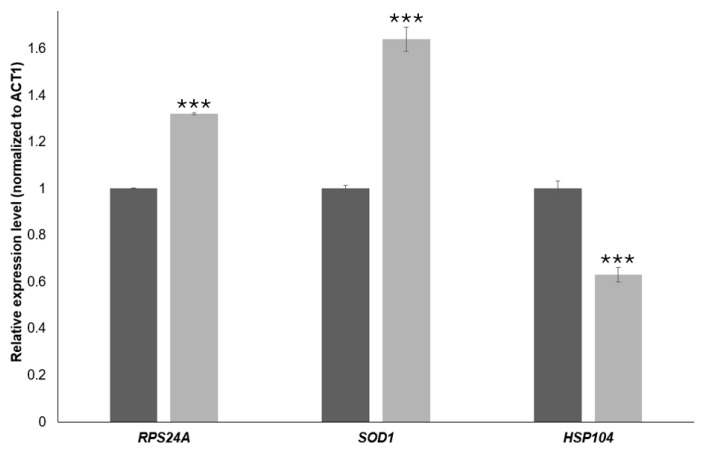 Figure 9
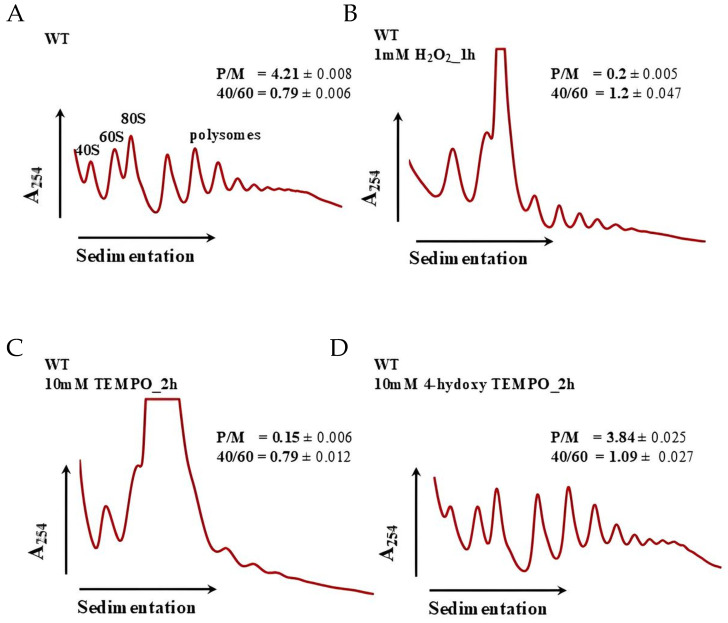 Figure 10
Peer Reviews
No public reviews on file for this paper yet. If you reviewed it on a platform where reviews are public (OpenReview, ICLR, NeurIPS, ICML), you can paste yours below so the community can read it here.
Videos
No videos yet. Explain this paper in a talk, walkthrough, or lecture? Add one.
Taxonomy
TopicsElectron Spin Resonance Studies · Genetics, Aging, and Longevity in Model Organisms · Redox biology and oxidative stress