Substituent and Ring-Number Effects on the Kinetics of PAH + OH Reactions: A QSAR–DOE Approach with Tunneling Corrections
Cezary Parzych, Maciej Baradyn, Artur Ratkiewicz

TL;DR
This study uses a new method to predict how polycyclic aromatic hydrocarbons react with hydroxyl radicals in the atmosphere, considering molecular structure and tunneling effects.
Contribution
The paper introduces a novel QSAR-based framework combining DOE and tunneling corrections to predict PAH + OH reaction kinetics.
Findings
A QSAR model with 22 descriptors was developed to predict PAH + OH reaction kinetics.
Substituent effects and ring numbers significantly influence tunneling and reactivity.
Statistical tools like DOE and PLS were used to identify key molecular features affecting reaction rates.
Abstract
The reactions of hydrogen transfer by hydroxyl radicals involving polycyclic aromatic hydrocarbons (PAH) are important, because these compounds contribute to environmental pollution and negatively affect human health. Hydroxyl radicals play a key role in atmospheric processes. This study analyzed the influence of the substituent and the number of aromatic rings in the compound on the kinetics of the hydrogen-transfer reaction. This work proposes for the first time a quantitative structure–activity relationship-based statistical framework combining design of experiments and tunneling corrections to predict PAH + ·OH kinetics. The main objective of this research was to identify which molecular features and substituent effects most strongly govern tunneling and reactivity, thereby enabling the rational prediction of PAH behavior in atmospheric and combustion environments. For this purpose,…
Genes, proteins, chemicals, diseases, species, mutations and cell lines named across the full text — each resolved to its canonical identifier and authoritative record.
Click any figure to enlarge with its caption.
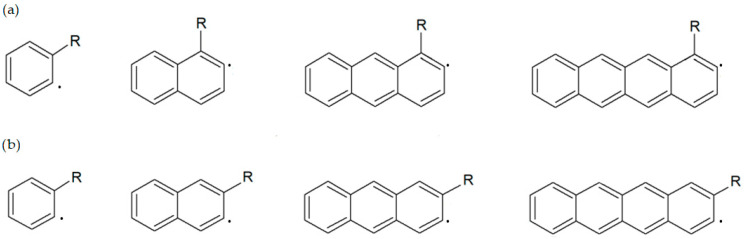 Figure 1
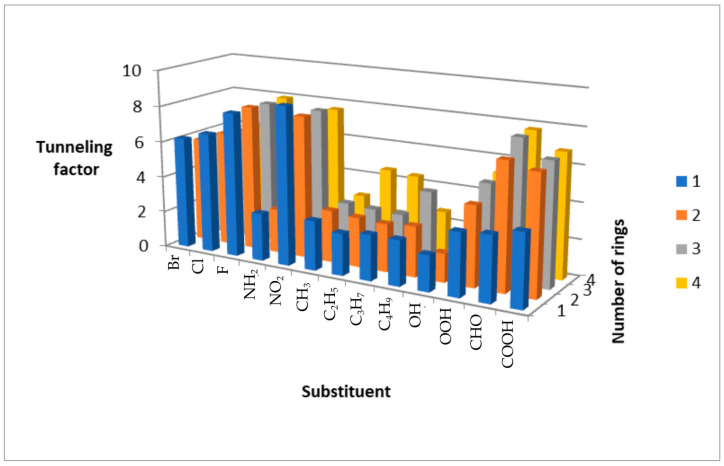 Figure 2
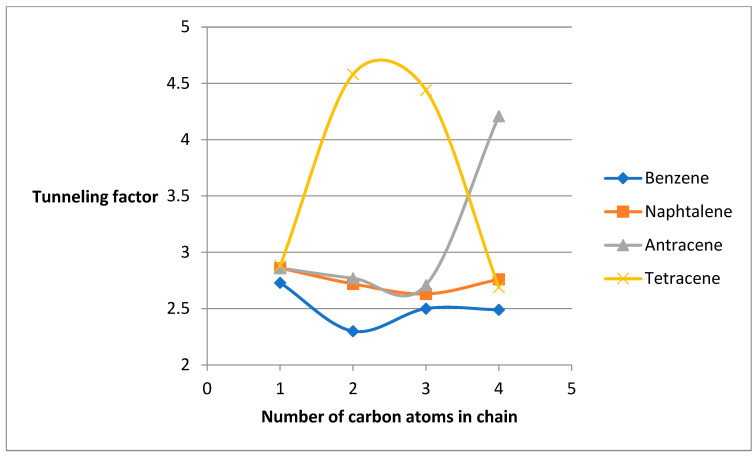 Figure 3
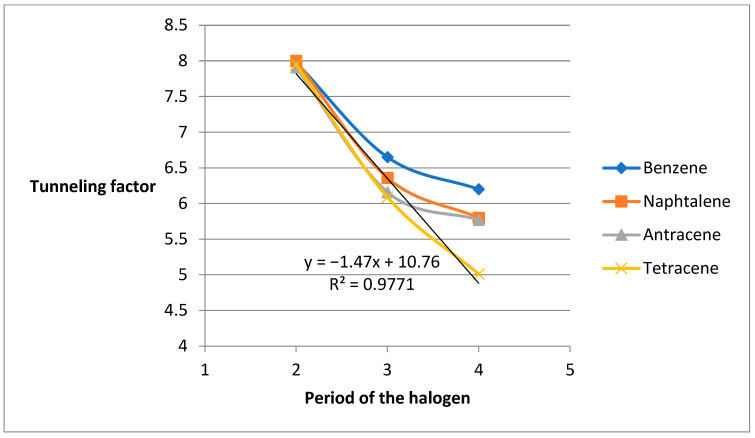 Figure 4
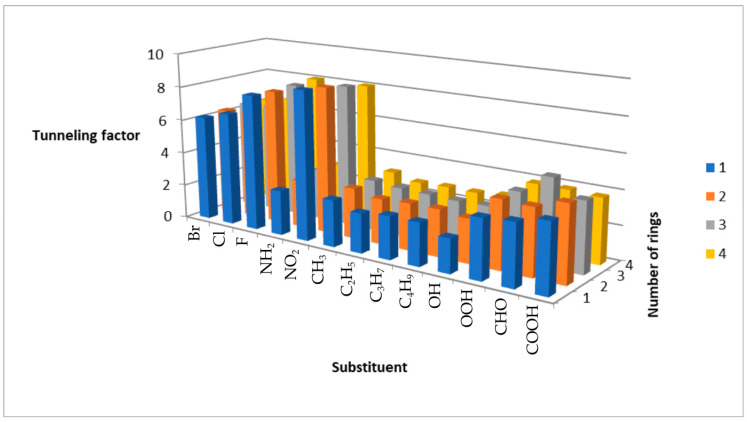 Figure 5
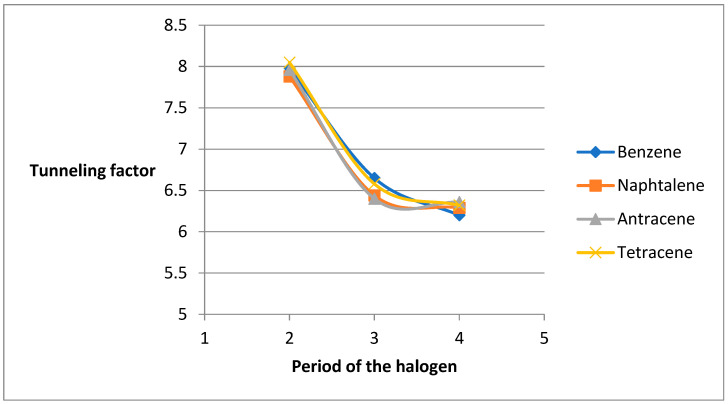 Figure 6
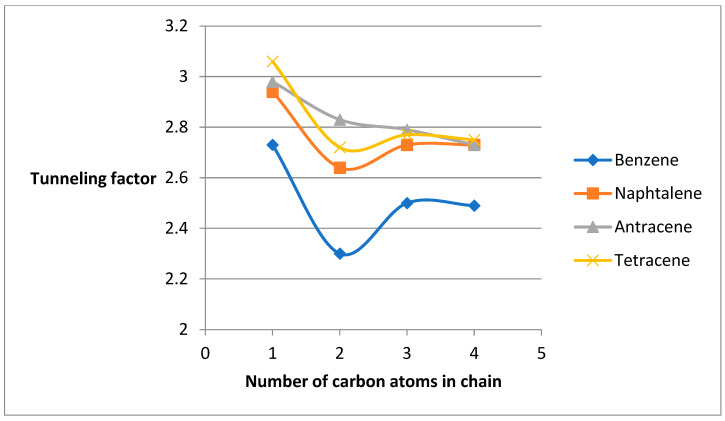 Figure 7
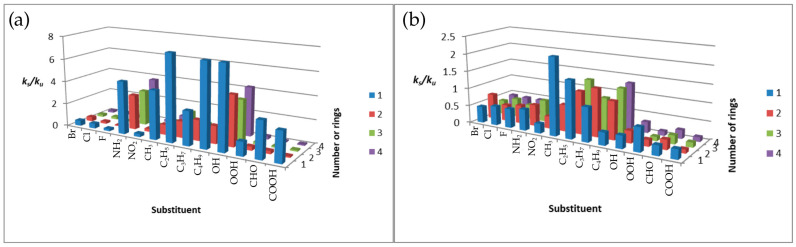 Figure 8
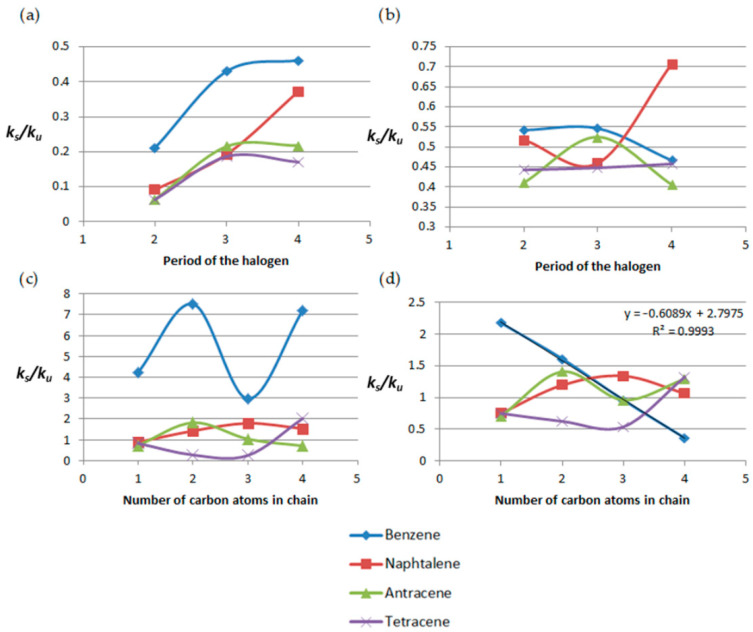 Figure 9
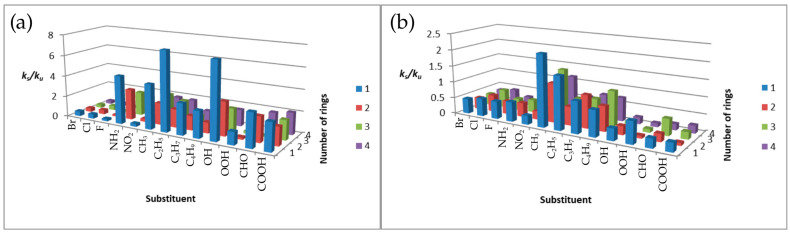 Figure 10
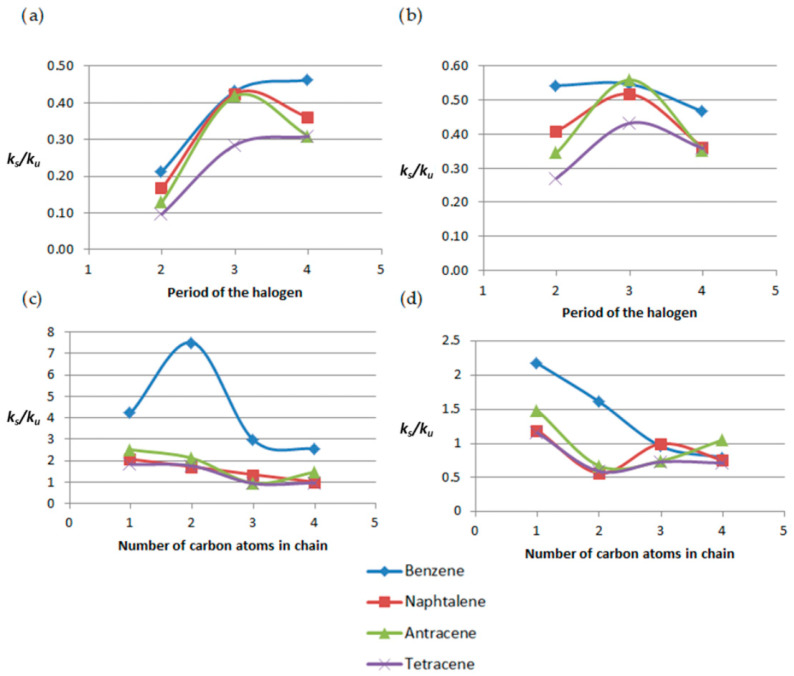 Figure 11
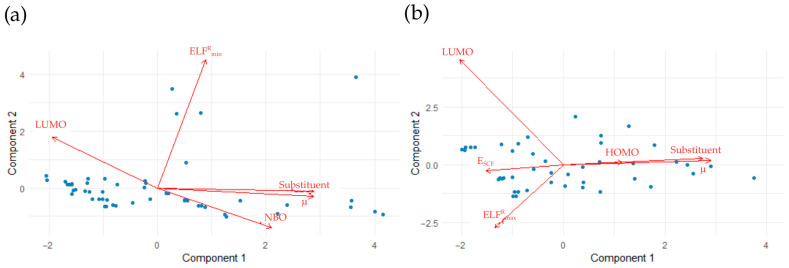 Figure 12
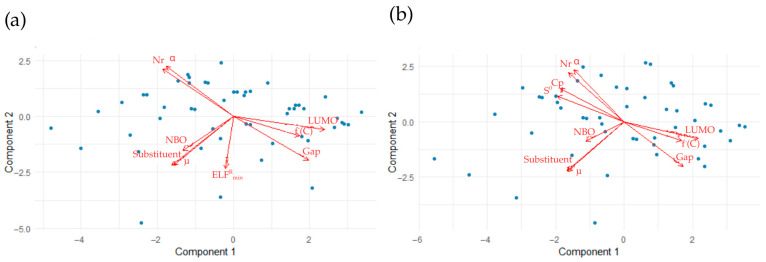 Figure 13
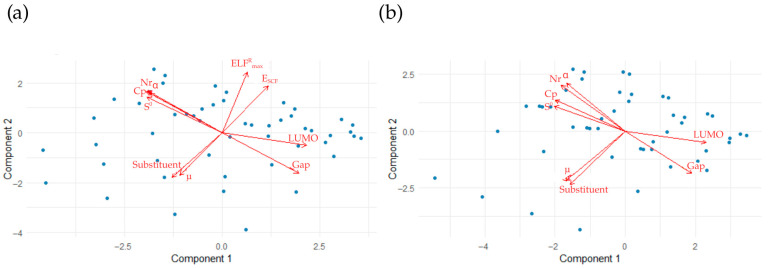 Figure 14
Peer Reviews
No public reviews on file for this paper yet. If you reviewed it on a platform where reviews are public (OpenReview, ICLR, NeurIPS, ICML), you can paste yours below so the community can read it here.
Videos
No videos yet. Explain this paper in a talk, walkthrough, or lecture? Add one.
Taxonomy
TopicsAdvanced Combustion Engine Technologies · Chemical Reactions and Mechanisms · Atmospheric chemistry and aerosols