Enhancing Caffeic Acid Production in Escherichia coli Through Heterologous Enzyme Combinations and Semi-Rational Design
Qing Luo, Weihao Wang, Qingjing Huang, Chuan Wang, Lixiu Yan, Jun Kang, Jiamin Zhang, Jie Cheng

TL;DR
This study improves the production of caffeic acid in E. coli by combining different enzymes and using a semi-rational design approach.
Contribution
A semi-rational design of HpaB and optimized fermentation significantly increased caffeic acid yield in E. coli.
Findings
The highest caffeic acid yield in shake-flask culture was 75.88 mg/L using HpaB from E. coli.
The mutant S210G/Y117A increased caffeic acid titer by 1.68-fold through iterative saturation mutagenesis.
Caffeic acid titer reached 2335.48 mg/L in a 5 L fermenter after process optimization.
Abstract
Background/Objectives: Caffeic acid is a hydroxycinnamic acid that has a wide range of applications in the medical field. The synthesis of caffeic acid using microbial fermentation technology is an environmentally friendly method. Methods: By engaging various enzymes, specifically 4-hydroxyphenylacetate 3-monooxygenase (HpaB), sourced from diverse bacterial strains, we successfully engineered a functional version of this enzyme within Escherichia coli, enabling the production of caffeic acid. In addition to the two common tyrosine ammonia lyases (TAL) and HpaC, different combinations of HpaB demonstrated varying abilities in converting the substrate L-tyrosine into the desired product, caffeic acid. Results: Under shake-flask culture conditions, the highest yield of caffeic acid was achieved with an enzyme mixture containing HpaB from Escherichia coli, reaching 75.88 mg/L. Enhancing the…
Genes, proteins, chemicals, diseases, species, mutations and cell lines named across the full text — each resolved to its canonical identifier and authoritative record.
Click any figure to enlarge with its caption.
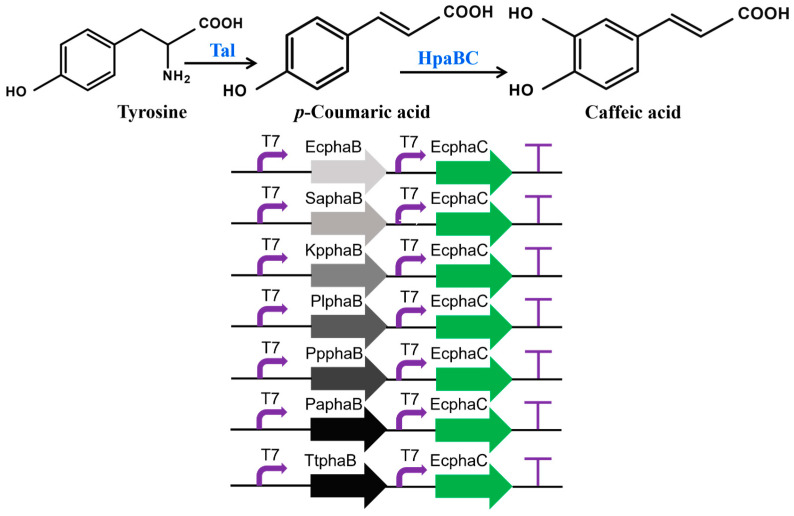 Figure 1
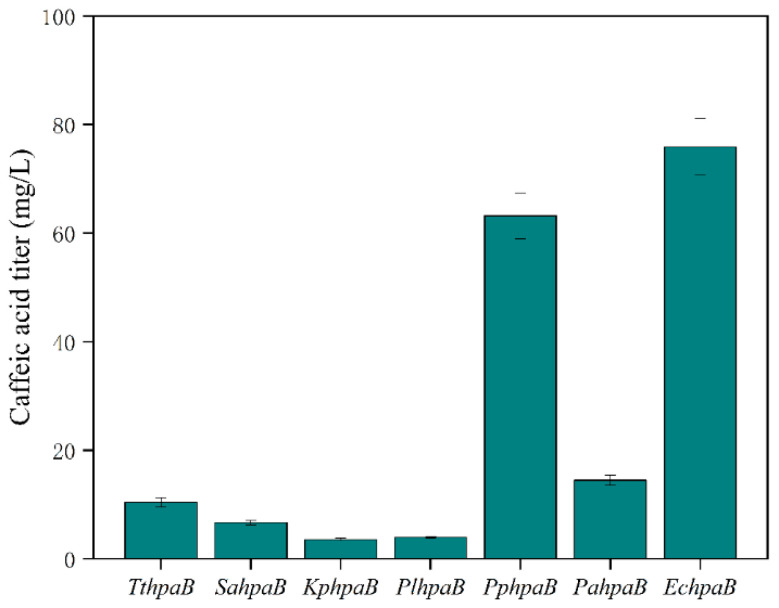 Figure 2
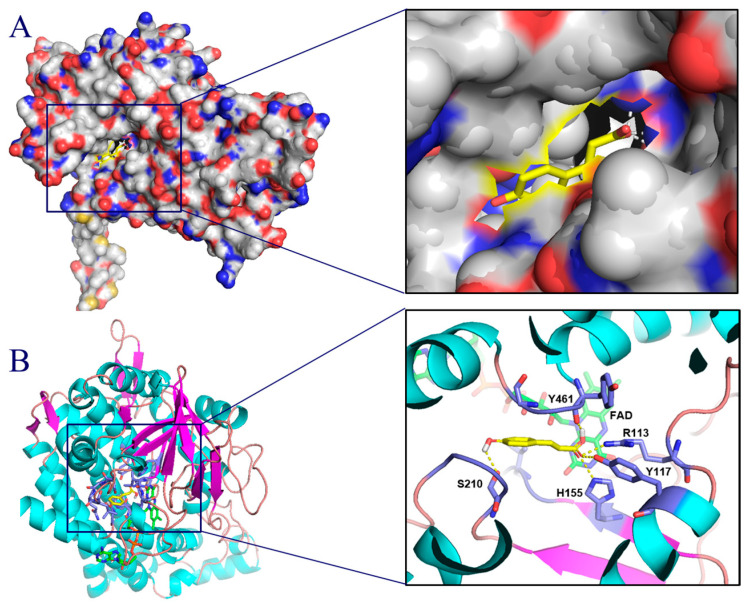 Figure 3
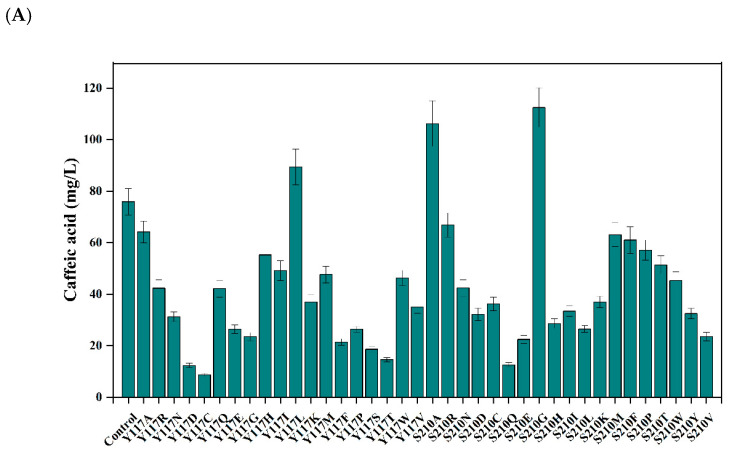 Figure 4
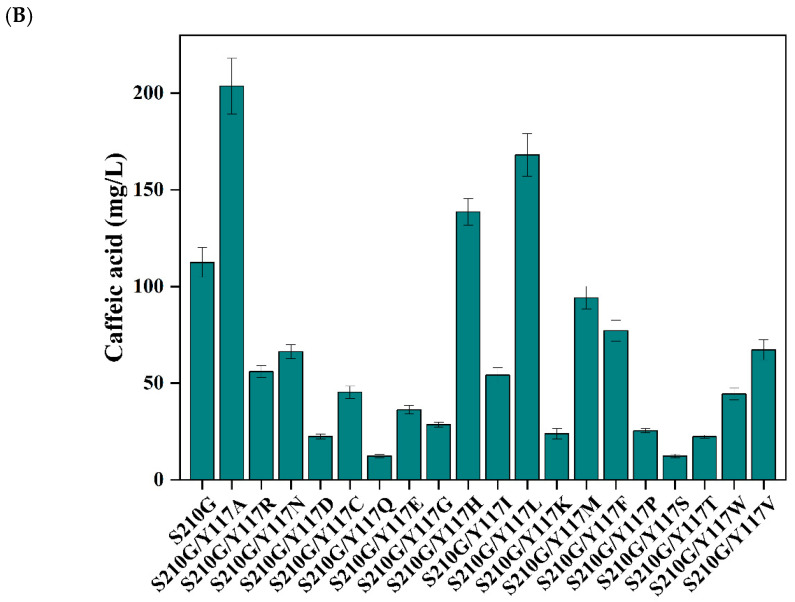 Figure 5
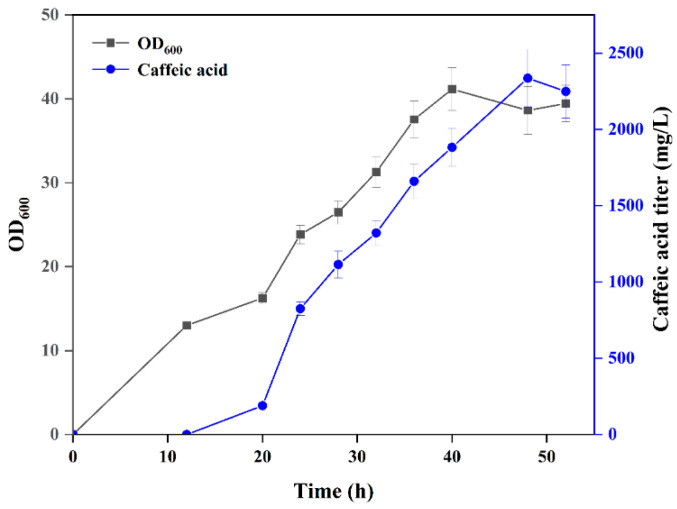 Figure 6
Peer Reviews
No public reviews on file for this paper yet. If you reviewed it on a platform where reviews are public (OpenReview, ICLR, NeurIPS, ICML), you can paste yours below so the community can read it here.
Videos
No videos yet. Explain this paper in a talk, walkthrough, or lecture? Add one.
Taxonomy
TopicsTannin, Tannase and Anticancer Activities · Enzyme-mediated dye degradation · Biochemical and Molecular Research