Evaluation of Flat Sheet UF PES Membranes Modified with a Polymerized Coating of Bicontinuous Microemulsion for Wastewater Treatment: Insights from Laboratory MBR Experiments
Sneha De, Tran Ly Quynh, Francesco Galiano, Raffaella Mancuso, Bartolo Gabriele, Jan Hoinkis, Alberto Figoli

TL;DR
This study evaluates modified PES membranes for wastewater treatment, showing that spray-coated membranes resist fouling better than commercial ones.
Contribution
The novel use of polymerized bicontinuous microemulsion coatings to enhance membrane fouling resistance in MBRs is demonstrated.
Findings
PBM spray-coated membranes showed enhanced fouling resistance compared to casting-coated and commercial PES membranes.
Spray-coated membranes had the thinnest biofouling layer due to low surface charge and high hydrophilicity.
Both commercial and spray-coated membranes had similar fouling tendencies in high-strength wastewater but differed in fouling layer thickness.
Abstract
The study investigates the performance of polyethersulfone (PES) ultrafiltration (UF) membranes modified with a coating of polymerizable bicontinuous microemulsion (PBM) for membrane bioreactor (MBR) applications. Two types of PBM-modified PES membranes—casting-coated and spray-coated—were compared with a commercial PES membrane. A laboratory side-stream MBR (ssMBR) was employed to treat model wastewater (MW) with activated sludge under aerobic conditions. The fouling propensity of the membranes in ssMBR was evaluated through the implementation of two protocols: (i) flux-step test to treat low-strength domestic model wastewater (DMW) and (ii) constant flux test to treat high-strength olive mill model wastewater (OMW). The findings indicated that both the commercial PES and PBM spray-coated PES membranes started to critically foul at 36 L m−2 h−1. The PBM spray-coated membranes showed…
Genes, proteins, chemicals, diseases, species, mutations and cell lines named across the full text — each resolved to its canonical identifier and authoritative record.
Click any figure to enlarge with its caption.
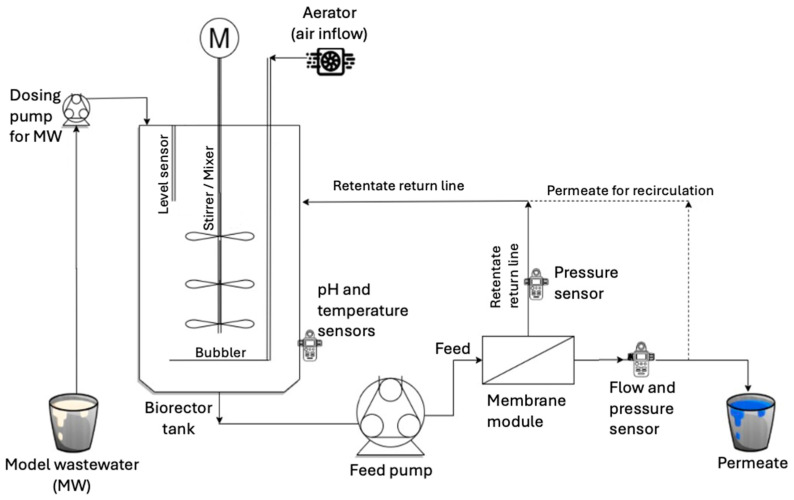 Figure 1
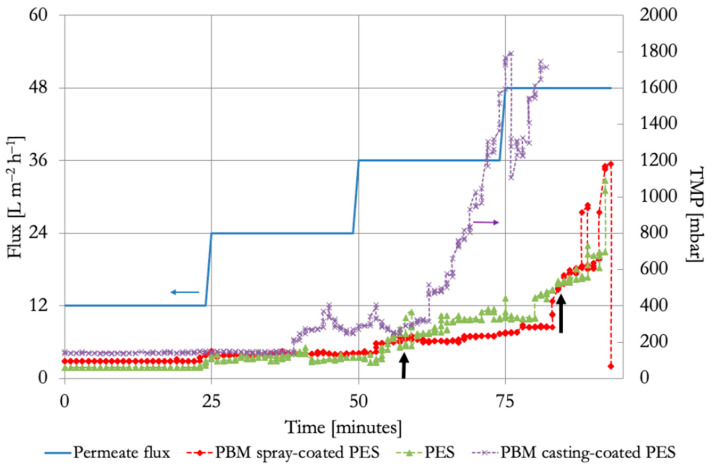 Figure 2
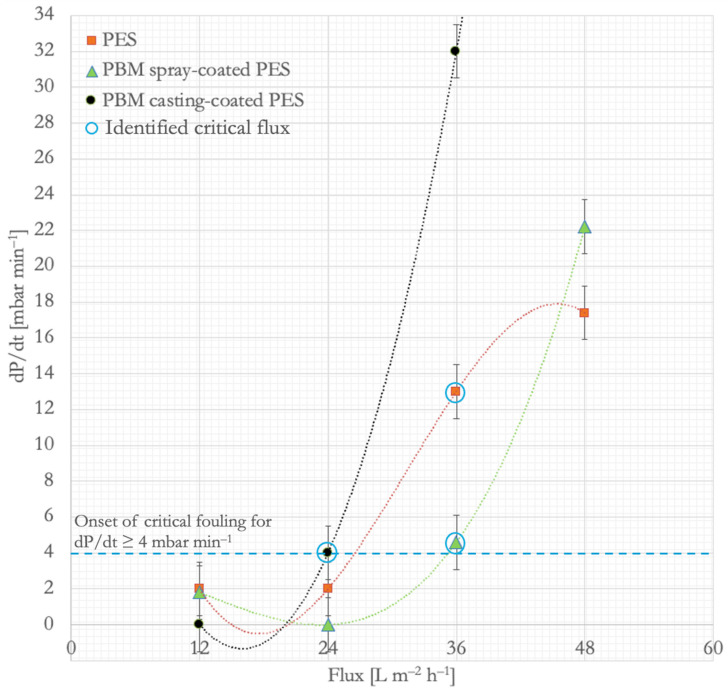 Figure 3
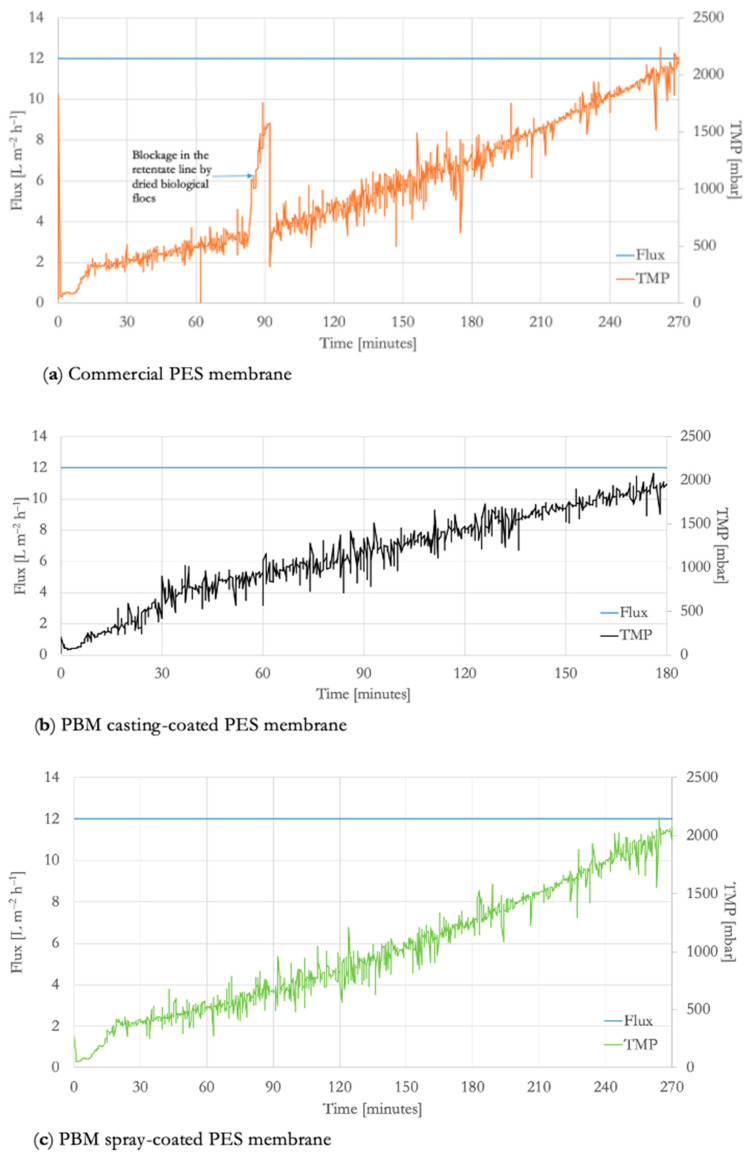 Figure 4
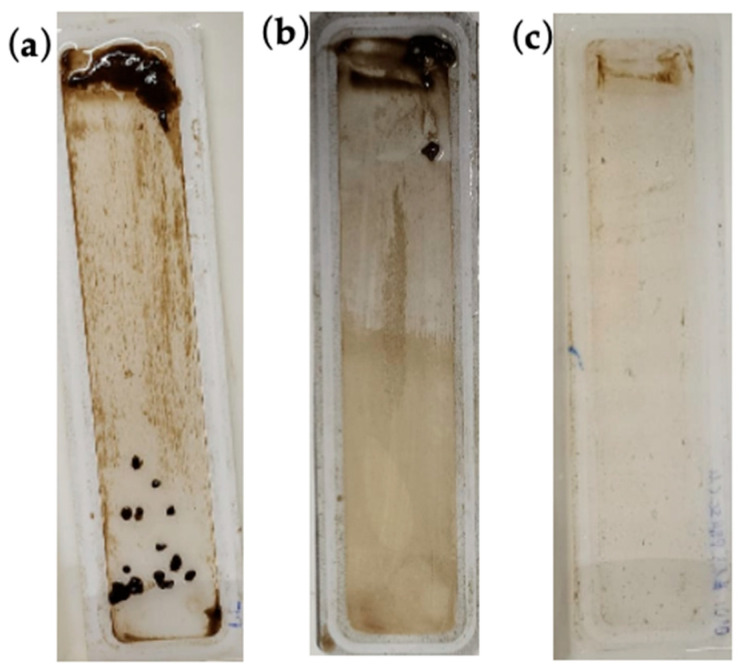 Figure 5
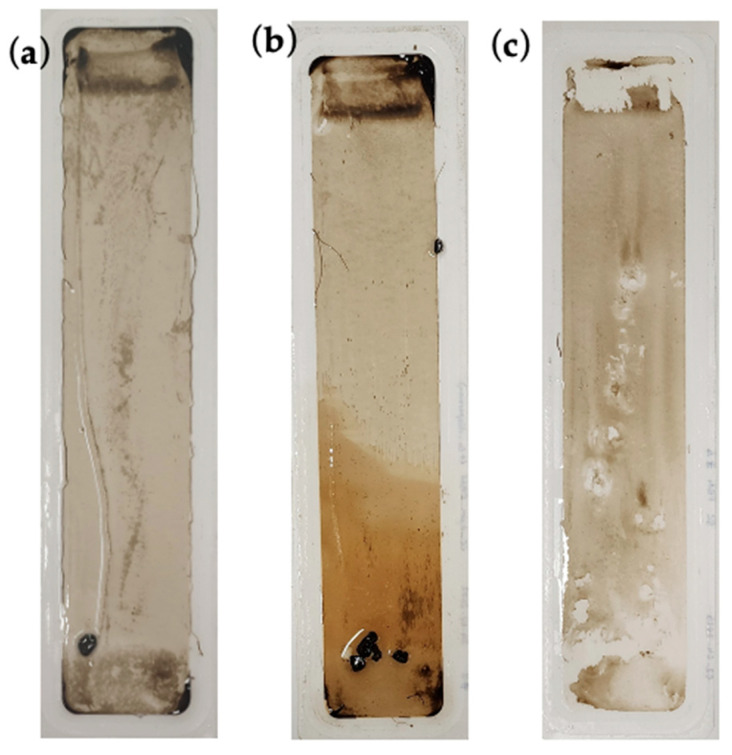 Figure 6
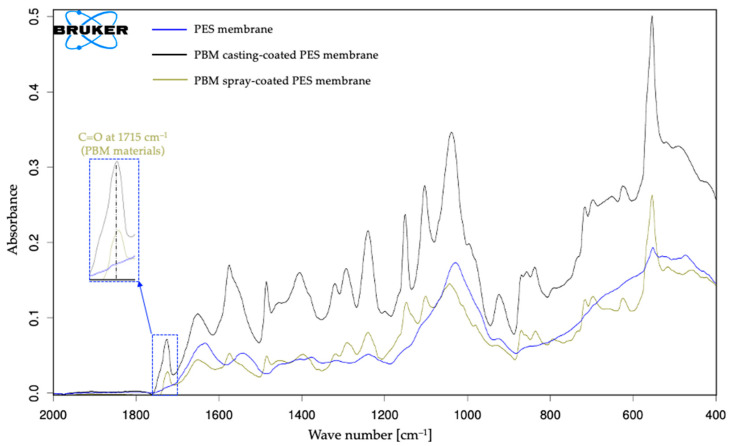 Figure 7
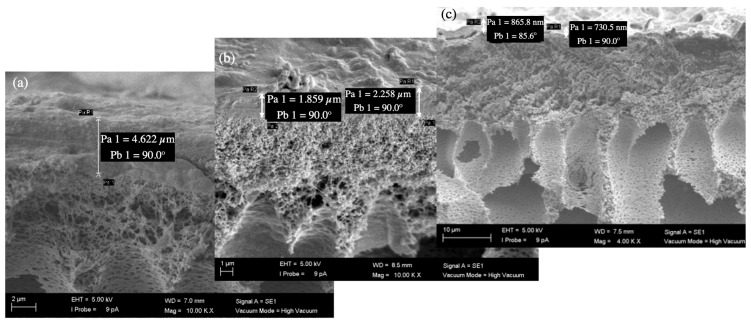 Figure 8
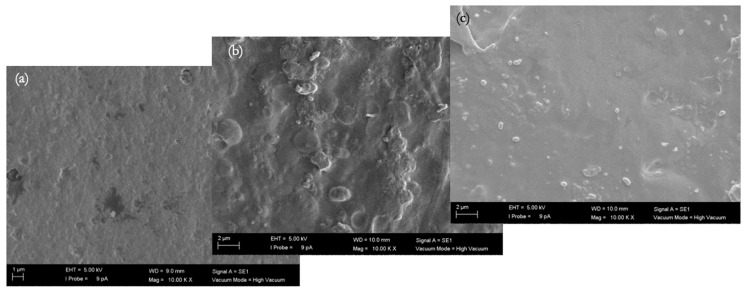 Figure 9
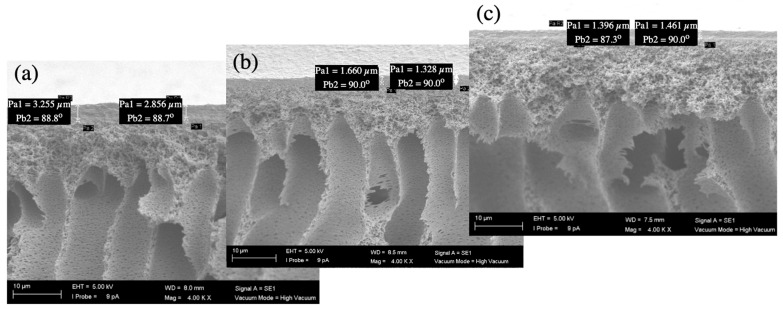 Figure 10
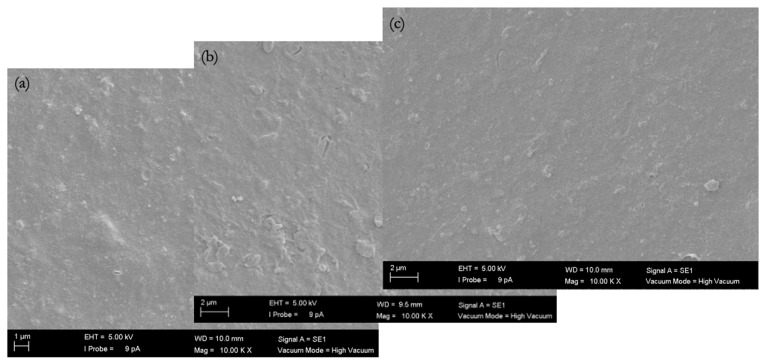 Figure 11
Peer Reviews
No public reviews on file for this paper yet. If you reviewed it on a platform where reviews are public (OpenReview, ICLR, NeurIPS, ICML), you can paste yours below so the community can read it here.
Videos
No videos yet. Explain this paper in a talk, walkthrough, or lecture? Add one.
Taxonomy
TopicsMembrane Separation Technologies · Polymer-Based Agricultural Enhancements · Surface Modification and Superhydrophobicity