Comparative Genome Analysis of 16SrXII-A ‘Candidatus Phytoplasma solani’ POT Transmitted by Hyalesthes obsoletus
Anna-Marie Ilic, Natasha Witczak, Michael Maixner, Aline Koch, Sonja Dunemann, Bruno Huettel, Michael Kube

TL;DR
This paper presents the complete genome of a German stolbur phytoplasma strain, offering insights into its evolution and potential impact on crops.
Contribution
The first reported genome of an H. obsoletus-transmissible 16SrXII-A phytoplasma from Germany, revealing unique genetic features and evolutionary divergence.
Findings
The POT genome shares highest nucleotide identity with Italian bindweed-associated genomes and shows strong synteny with the c5 strain.
The genome includes unique collagen-like proteins that may contribute to virulence and lacks organized pathogenicity islands.
Phylogenetic analyses reveal heterogeneity within the stolbur group and provide a framework for improved diagnostics and breeding assessments.
Abstract
‘Candidatus Phytoplasma solani’ of the 16SrXII group is an emerging vector-borne pathogen in European crop production. The cixiid planthopper Hyalesthes obsoletus transmits 16SrXII-A stolbur phytoplasmas that are associated with diseases in grapevine, potato, and various weeds. While 16SrXII-P genomes transmitted by Pentastiridius leporinus are available, no genome of an H. obsoletus-transmissible 16SrXII-A phytoplasma has been reported from Germany. Here, we present insights into the phylogenetic position and pathogen–host interactions through the functional reconstruction of the complete 832,614 bp genome of the H. obsoletus transmissible ‘Ca. P. solani’ 16SrXII-A strain POT from a potato field. Phylogenetic analyses highlight the heterogeneity within the stolbur group using whole-genome alignment and a BUSCO-based core gene analysis approach. The POT chromosome shares highest average…
Genes, proteins, chemicals, diseases, species, mutations and cell lines named across the full text — each resolved to its canonical identifier and authoritative record.
Click any figure to enlarge with its caption.
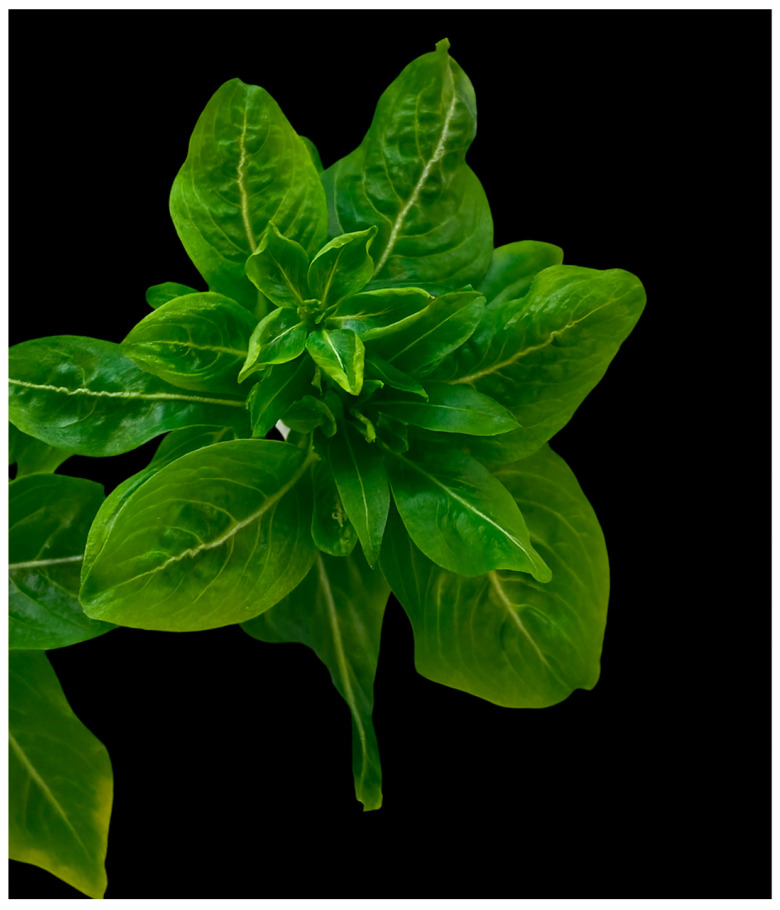 Figure 1
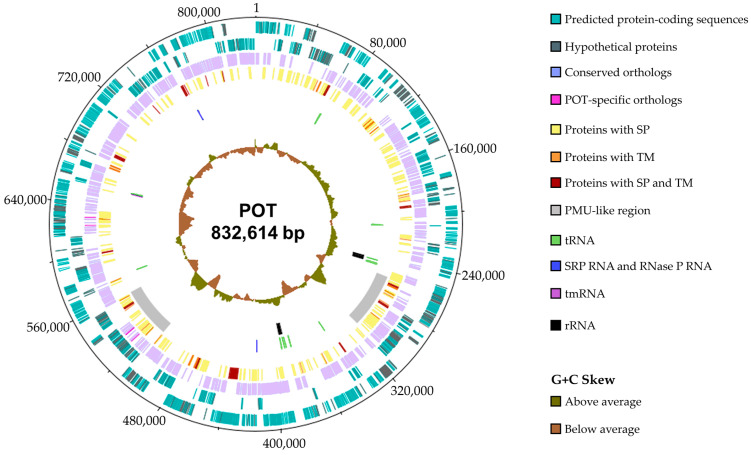 Figure 2
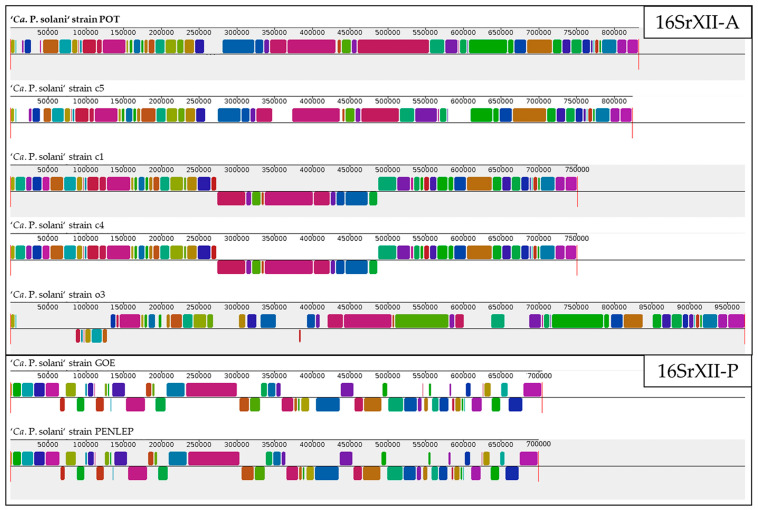 Figure 3
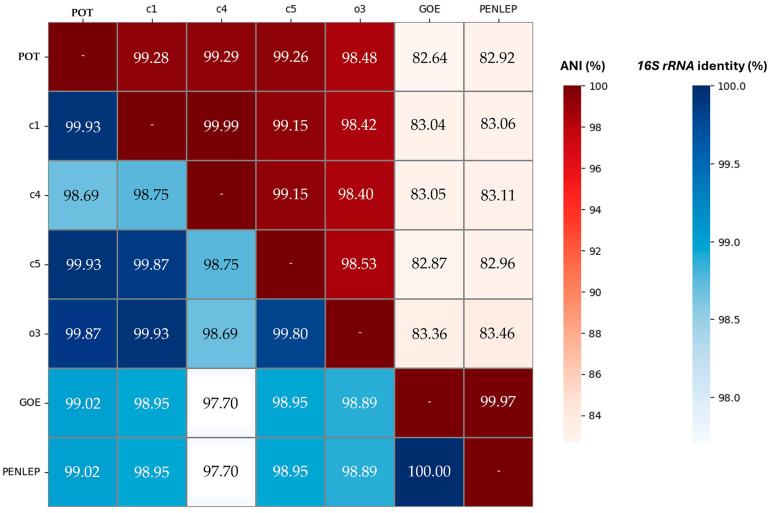 Figure 4
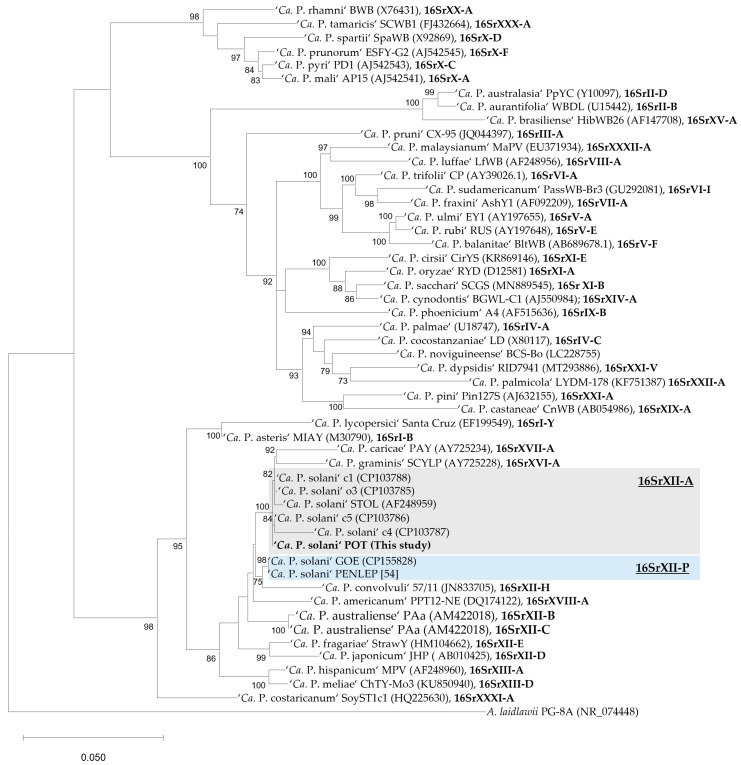 Figure 5
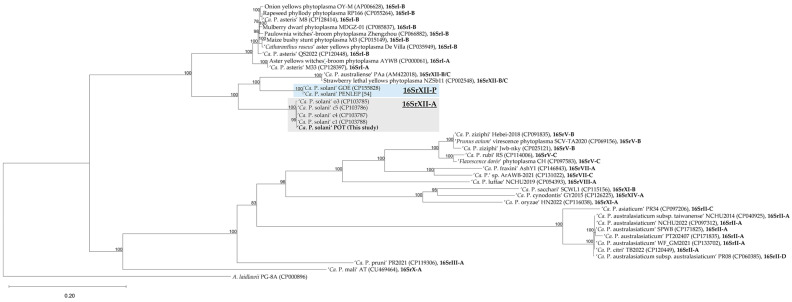 Figure 6
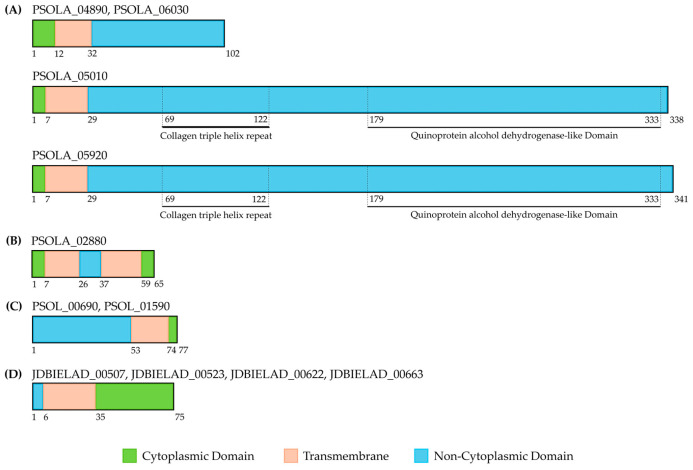 Figure 7
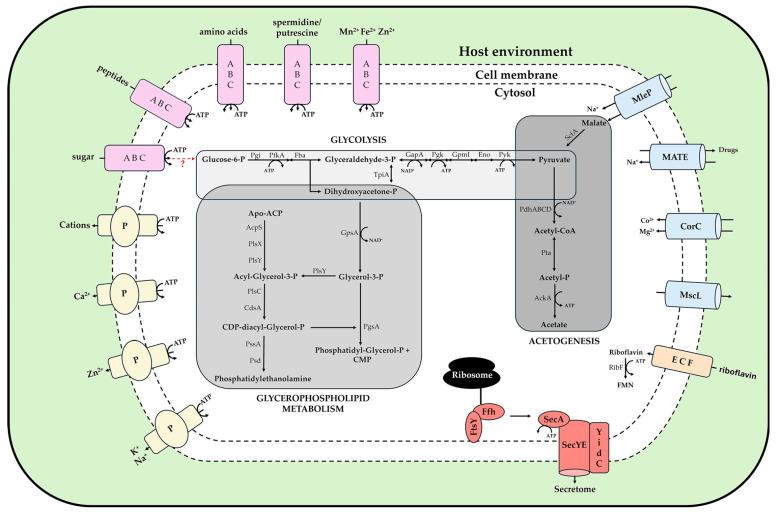 Figure 8
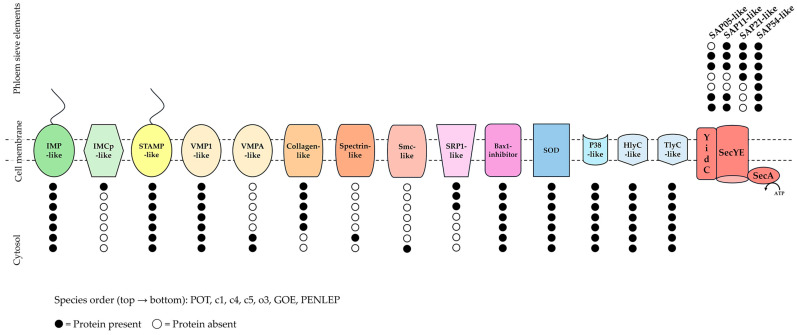 Figure 9
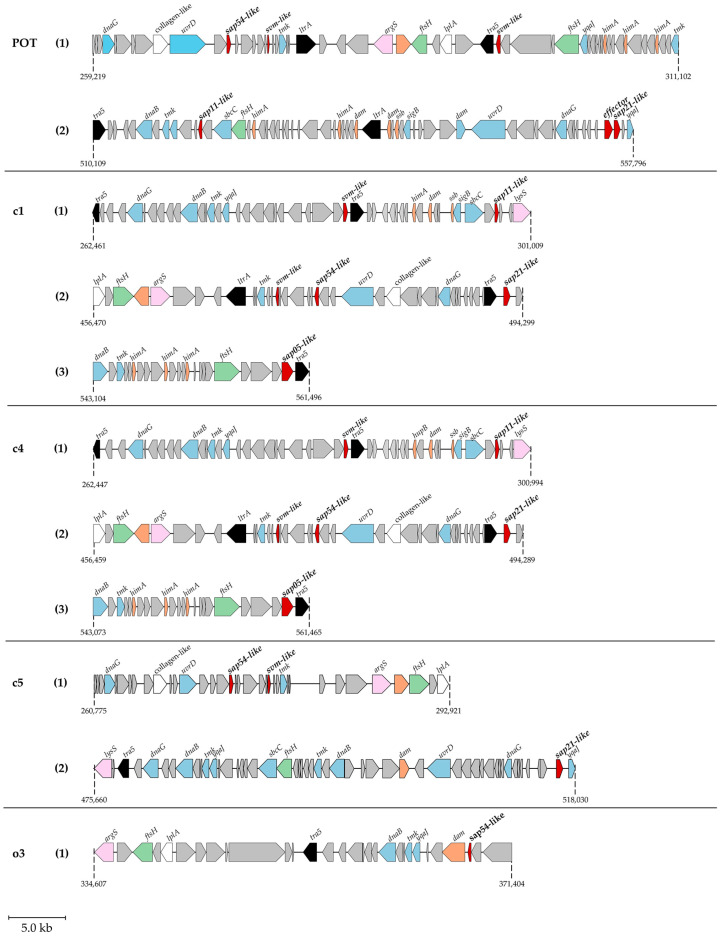 Figure 10
Peer Reviews
No public reviews on file for this paper yet. If you reviewed it on a platform where reviews are public (OpenReview, ICLR, NeurIPS, ICML), you can paste yours below so the community can read it here.
Videos
No videos yet. Explain this paper in a talk, walkthrough, or lecture? Add one.
Taxonomy
TopicsPhytoplasmas and Hemiptera pathogens · Plant Virus Research Studies · Insect symbiosis and bacterial influences