Red and White Grape Pomace Possess Cardioprotective Effects by Modulating Inflammation and Oxidative Stress in Experimental Ischemic Heart Disease
Dan Claudiu Măgureanu, Raluca Maria Pop, Veronica Sanda Chedea, Paul-Mihai Boarescu, Mădălina Luciana Gherman, Ștefan Horia Roșian, Floricuța Ranga, Ioana Sorina Giurca, Elena Mihaela Jianu, Adriana Florinela Cătoi, Anca Dana Buzoianu, Ioana Corina Bocsan

TL;DR
Red and white grape pomace may protect the heart by reducing inflammation and oxidative stress in a rat model of heart disease.
Contribution
This study demonstrates that grape pomace extracts, particularly red grape pomace, have cardioprotective effects through antioxidant and anti-inflammatory mechanisms.
Findings
Red grape pomace (RGP) showed the strongest antioxidant activity by maintaining oxidative stress markers close to control levels.
White grape pomace (WGP) exhibited superior anti-inflammatory effects by preserving cytokine levels in cardiac tissue.
Combining grape pomace extracts may offer complementary cardioprotective benefits.
Abstract
Background: Cardiac ischemia (CI) remains a leading cause of death worldwide, prompting an ongoing search for new treatment options. This study explored and compared the preventive cardioprotective effects of polyphenols extracted from red (RGP) and white grape pomace (WGP) against isoproterenol (ISO)-induced myocardial ischemia, with a focus on their antioxidant and anti-inflammatory properties. Materials and Methods: Fifty male Wistar rats were divided into five groups: I—Saline, II—Saline+ISO, III—Ramipril+ISO, IV—WGP+ISO, and V—RGP+ISO. CI was induced in Groups II–V with ISO (45 mg/kg, on day 13), a dose widely used to reproducibly induce myocardial ischemic injury in experimental models. Electrocardiographic parameters, serum oxidative markers, cytokines, and tissue homogenates from the liver and heart were analyzed on day 14. Results: ISO significantly shortened the RR interval…
Genes, proteins, chemicals, diseases, species, mutations and cell lines named across the full text — each resolved to its canonical identifier and authoritative record.
Click any figure to enlarge with its caption.
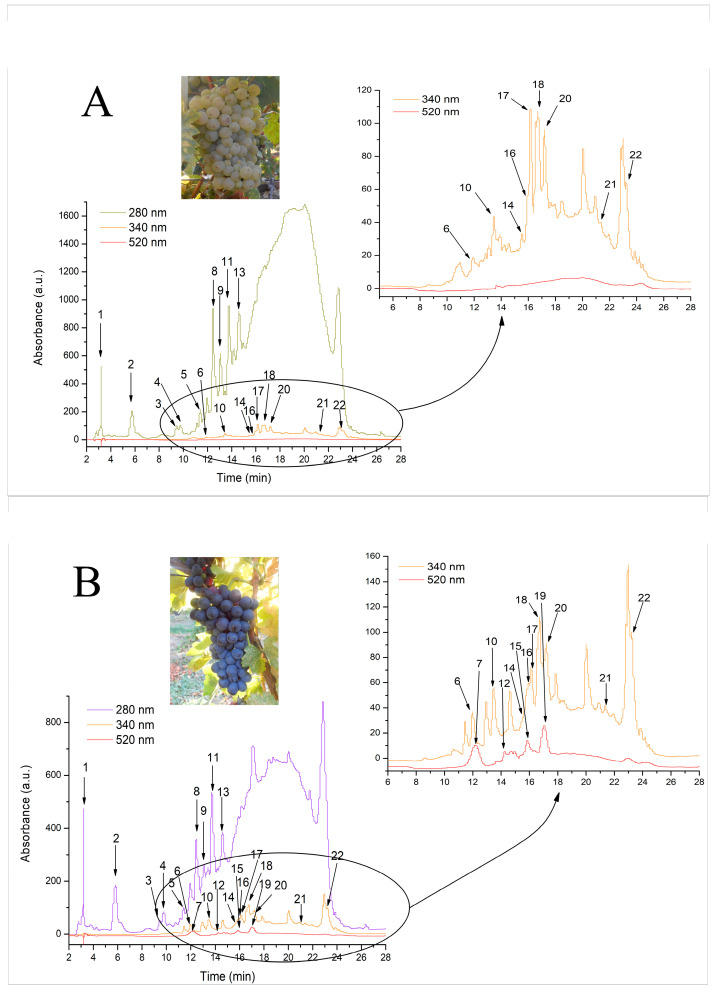 Figure 1
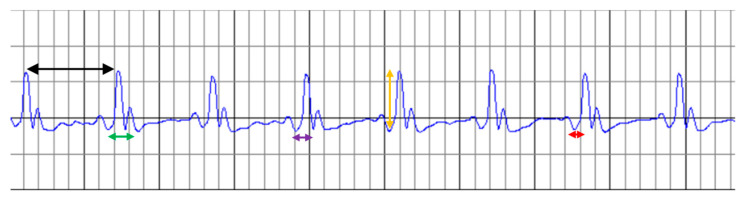 Figure 2
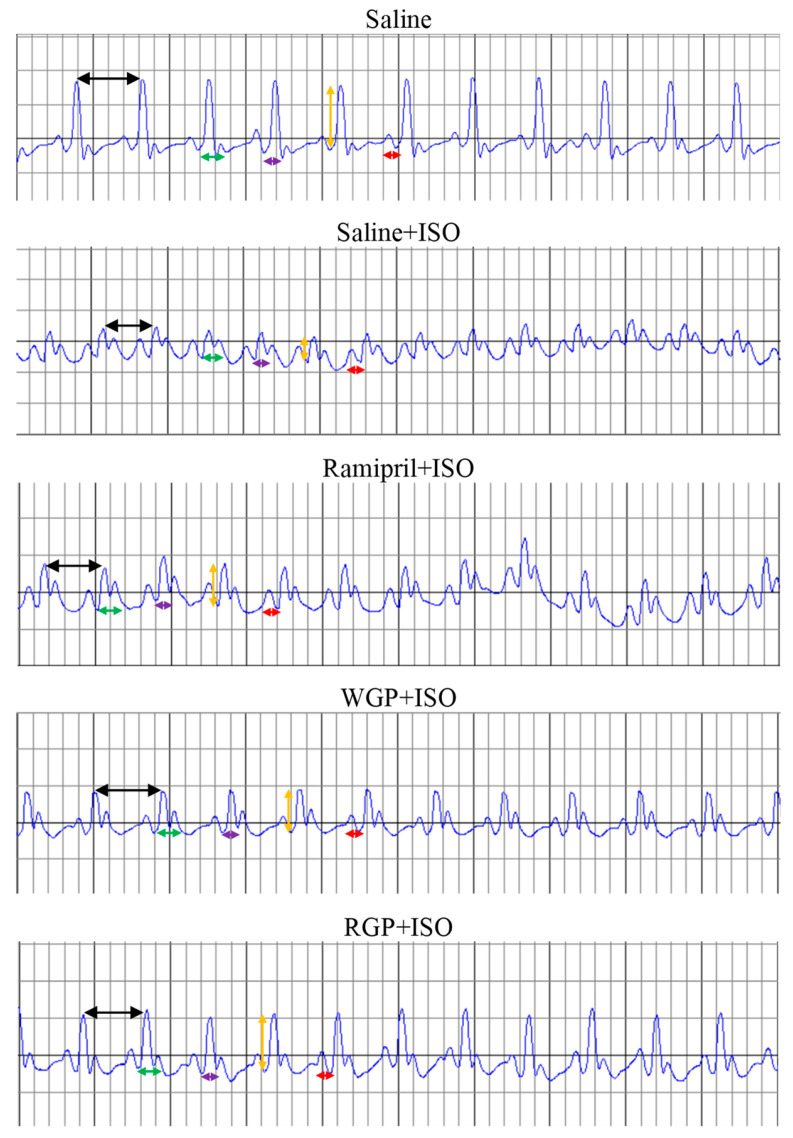 Figure 3
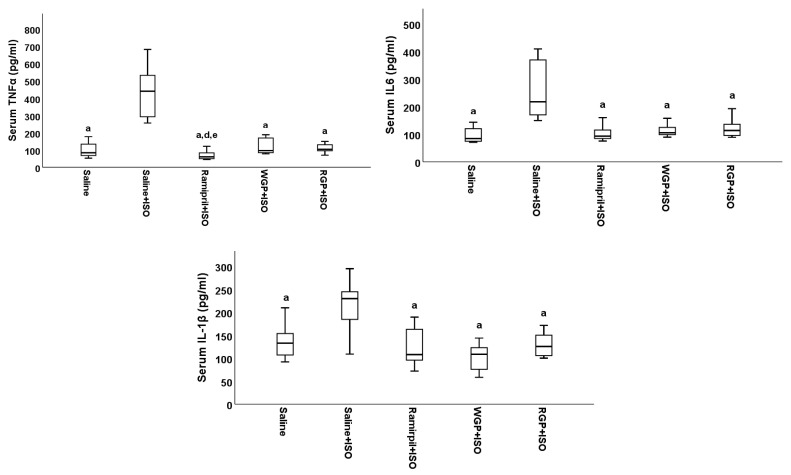 Figure 4
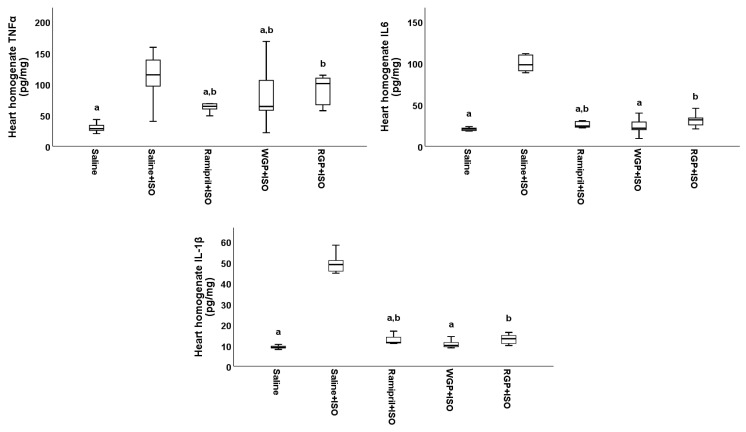 Figure 5
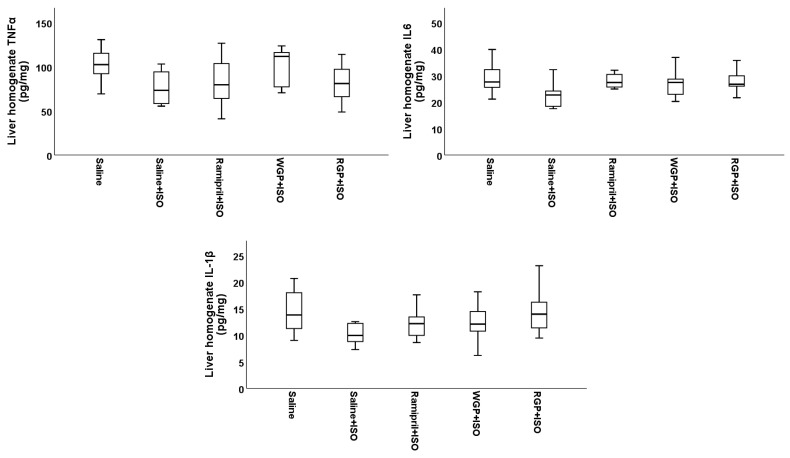 Figure 6
Peer Reviews
No public reviews on file for this paper yet. If you reviewed it on a platform where reviews are public (OpenReview, ICLR, NeurIPS, ICML), you can paste yours below so the community can read it here.
Videos
No videos yet. Explain this paper in a talk, walkthrough, or lecture? Add one.
Taxonomy
TopicsPomegranate: compositions and health benefits · Phytochemicals and Antioxidant Activities · Natural Products and Biological Research