HPV-18-Immortalised Cells Require the Downregulation of the SncmtRNA-2/Hsa-miR-620 Axis During Cell Transformation
Emanuel Jeldes, Manuel Varas-Godoy, Paulina González-Chacón, América V. Campos, Alberto J. M. Martín, Camilo Villaman, Ángel Roco-Videla, Jaime Villegas Olavarría, Claudio Villota Arcos

TL;DR
This study explores how non-coding RNA SncmtRNA-2 and miR-620 are downregulated during cell transformation by Ras, possibly linking to increased PML protein levels in HPV-immortalized cells.
Contribution
The novel finding is that SncmtRNA-2 is processed into hsa-miR-620, and their downregulation during Ras-induced transformation may influence PML expression.
Findings
Ras-induced transformation decreases SncmtRNA-2 and hsa-miR-620 expression.
Hsa-miR-620 is produced from SncmtRNA-2 processing.
Ras increases PML expression, suggesting a regulatory axis involving SncmtRNA-2/miR-620/PML.
Abstract
Background and Objectives: Non-coding RNAs (ncRNAs) are genetic transcripts that do not produce proteins but are increasingly recognised for their roles in cellular processes and disease. Specifically, ncRNAs are implicated in the landscape activation of molecular triggers for different diseases, including cancer and viral infections. The function of Sense non-coding mitochondrial RNA-2 (SncmtRNA-2) is currently unknown. This study aims to investigate the roles of SncmtRNA-2 and hsa-miR-620 in Ras-induced cellular transformation. Materials and Methods: The study utilized isoforms V, K, and H of the Ras oncogene and analysed the expression of SncmtRNA-2 and hsa-miR-620 in response to Ras activity. Additionally, both in silico and in vitro analyses were performed to assess whether PML mRNA is a putative target of hsa-miR-620 although direct binding to the PML 3′UTR was not experimentally…
Genes, proteins, chemicals, diseases, species, mutations and cell lines named across the full text — each resolved to its canonical identifier and authoritative record.
Click any figure to enlarge with its caption.
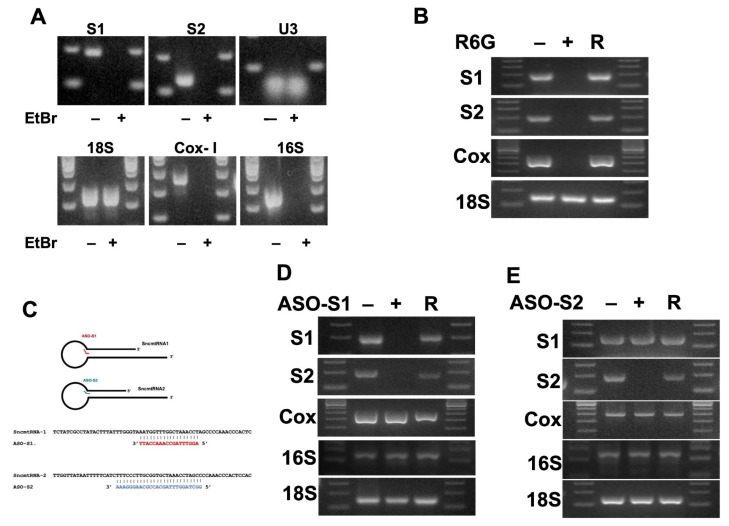 Figure 1
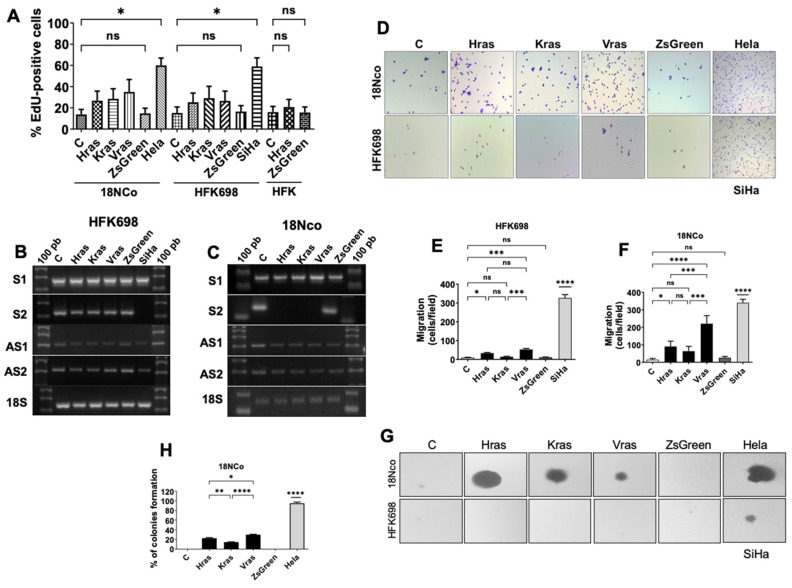 Figure 2
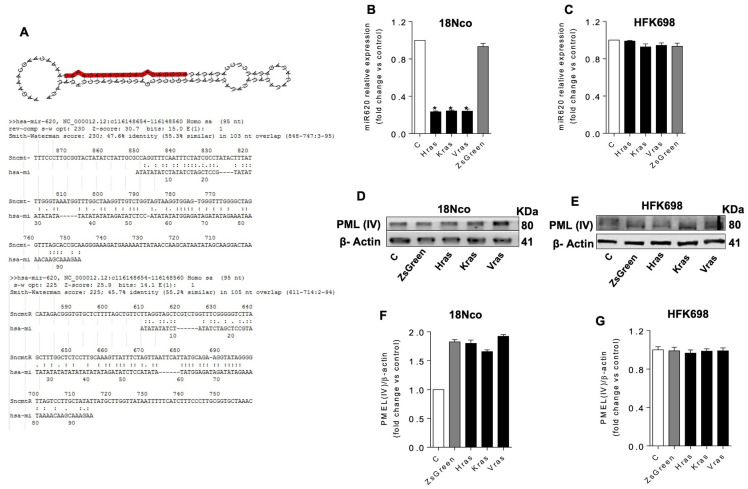 Figure 3
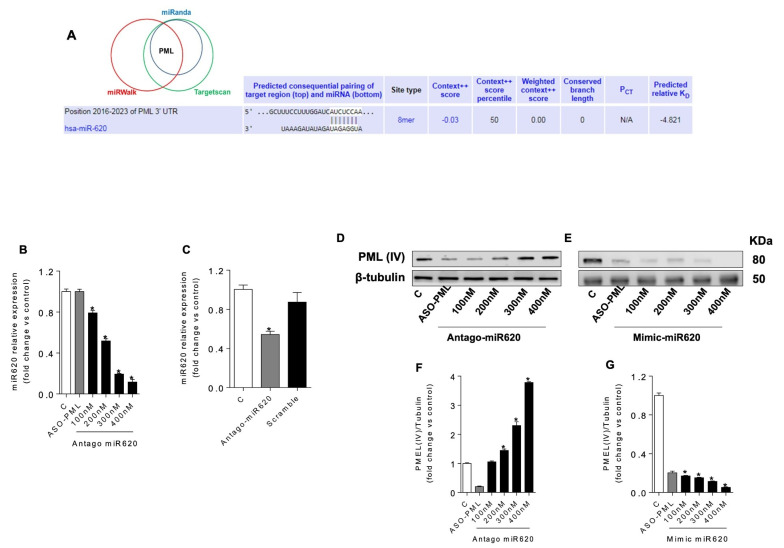 Figure 4
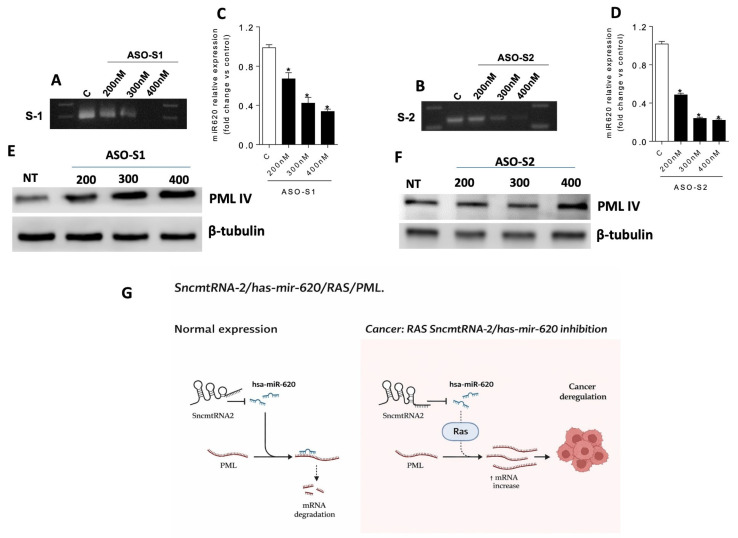 Figure 5
Peer Reviews
No public reviews on file for this paper yet. If you reviewed it on a platform where reviews are public (OpenReview, ICLR, NeurIPS, ICML), you can paste yours below so the community can read it here.
Videos
No videos yet. Explain this paper in a talk, walkthrough, or lecture? Add one.
Taxonomy
TopicsCancer-related molecular mechanisms research · Circular RNAs in diseases · MicroRNA in disease regulation