Anthropic pressure and causes of death of stranded Chelonia mydas along the northern coast of Bahia - Brazil
Danielle Nascimento Silva, José Luís Catão-Dias, Wendell Marcelo de Souza Perinotto, Thaís Pires, Gustavo Rodamilans Macedo, Priscilla Carla dos Santos Costa, Lorena Ferreira Oliveira, Paula Velozo Leal, Alessandra Estrela-Lima

TL;DR
This study examines the causes of death in 61 stranded sea turtles in Brazil, finding that most died from natural and human-related causes like respiratory failure and sepsis.
Contribution
The study provides detailed pathological data on stranded Chelonia mydas, highlighting the impact of natural and anthropogenic factors on their mortality.
Findings
Acute respiratory failure was the leading cause of death in 45.8% of the turtles.
Cachexia was observed in 49.2% of the turtles, indicating severe malnutrition.
Anthropogenic waste and fishing activities were significant contributors to mortality.
Abstract
This study describes the causes of mortality and the primary pathological findings in 61 sea turtles of the species Chelonia mydas that were stranded on the northern coast of Bahia, Brazil. Macroscopic and microscopic lesions were compiled to describe the pathological findings in turtles that were found dead on the beach or that died during treatment at the rehabilitation center of the Fundação Projeto Tamar. Among the 61 turtles evaluated, the cause of death was determined in 96.7% (59/61) of cases. These turtles were affected by natural threats (of infectious, neoplastic, and metabolic origin) and anthropogenic interactions, the latter represented by fishing and/or the presence of anthropogenic waste. 3.3% (2/61) of the cases were classified as inconclusive as to the cause of death, as they were euthanized. Acute respiratory failure was the main cause of death, affecting 45.8% (27/59)…
Genes, proteins, chemicals, diseases, species, mutations and cell lines named across the full text — each resolved to its canonical identifier and authoritative record.
Click any figure to enlarge with its caption.
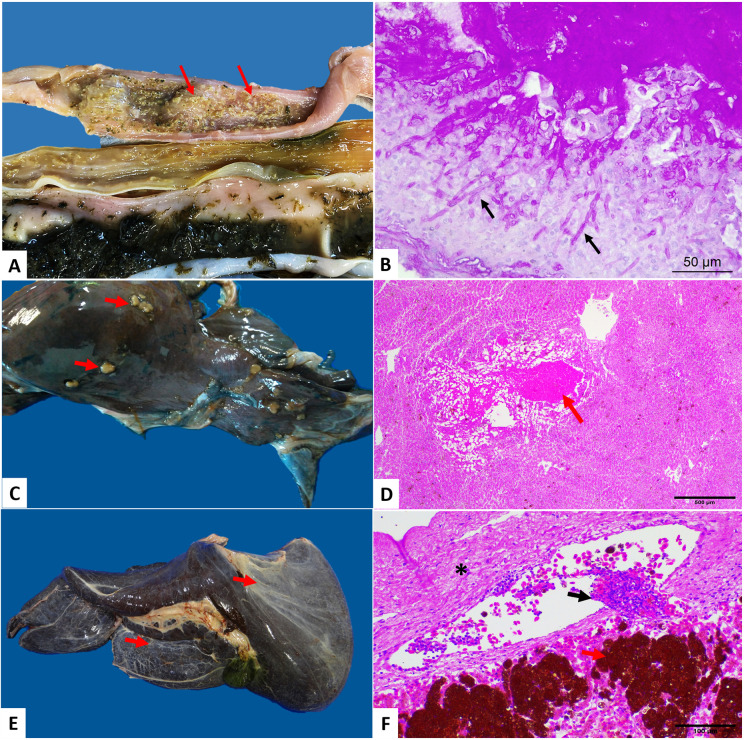 Figure 1
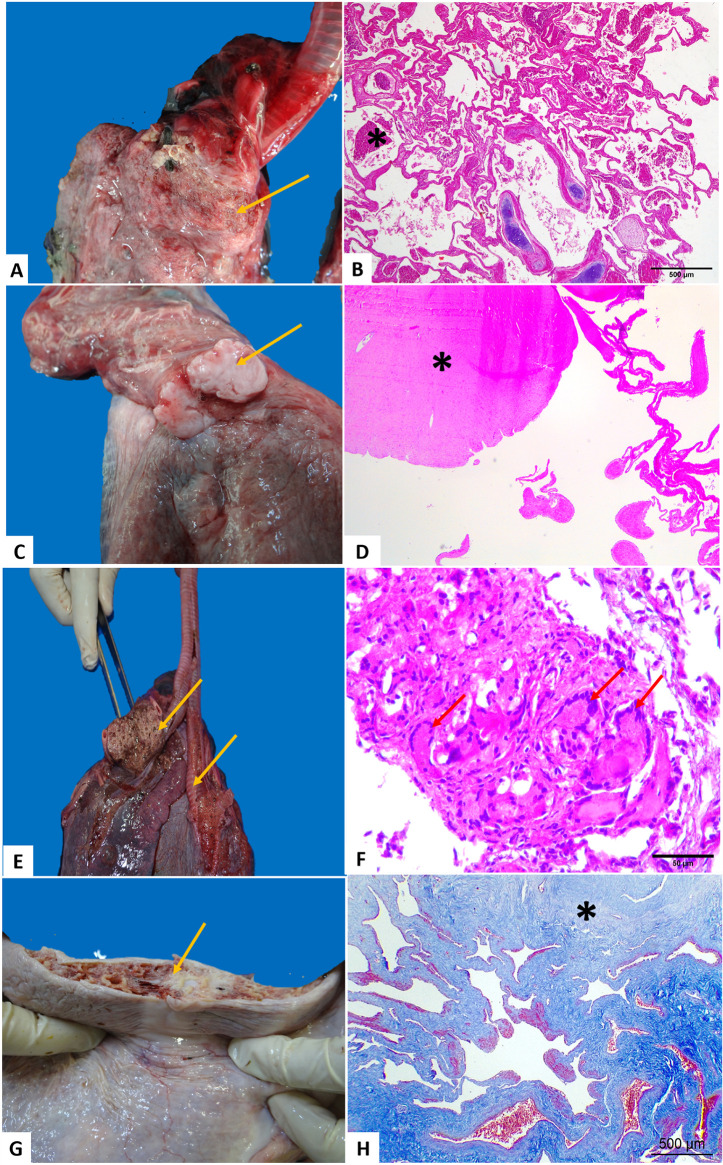 Figure 2
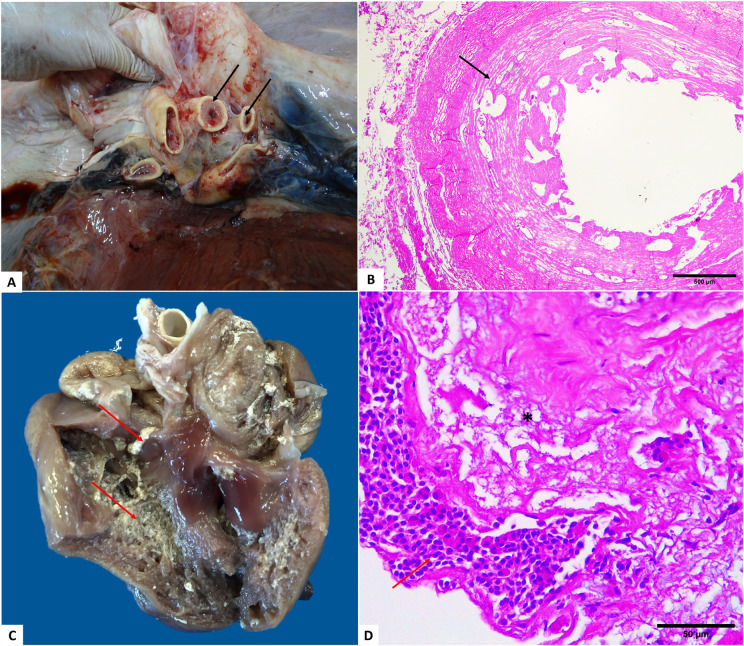 Figure 3
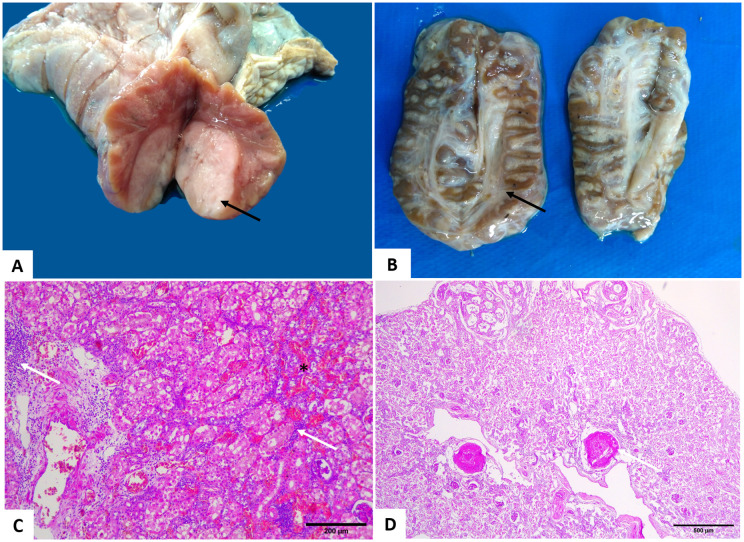 Figure 4
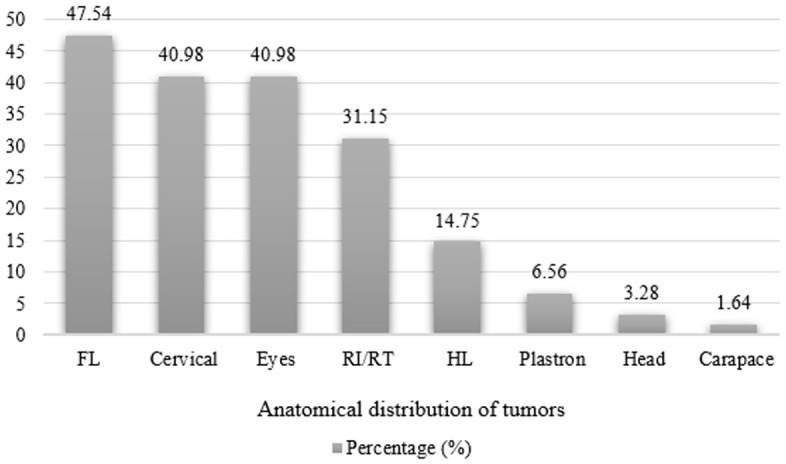 Figure 5
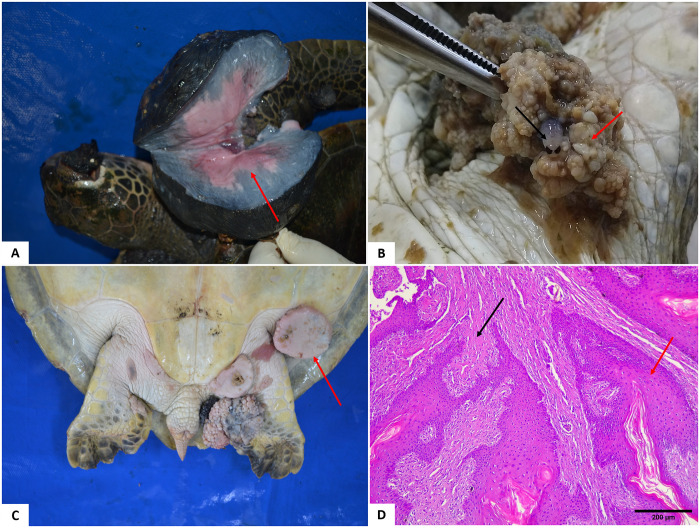 Figure 6
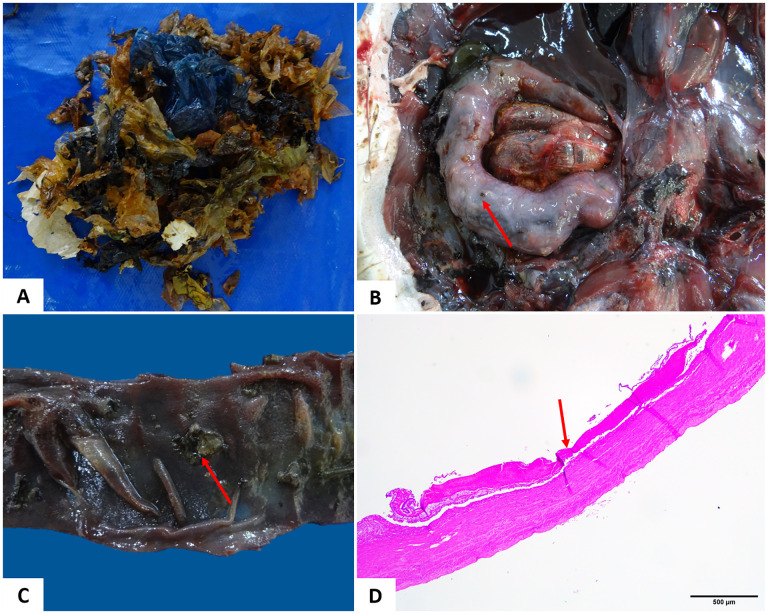 Figure 7
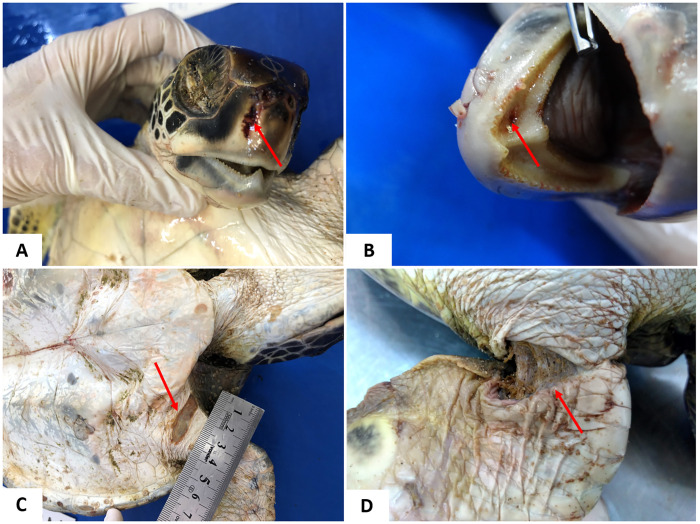 Figure 8
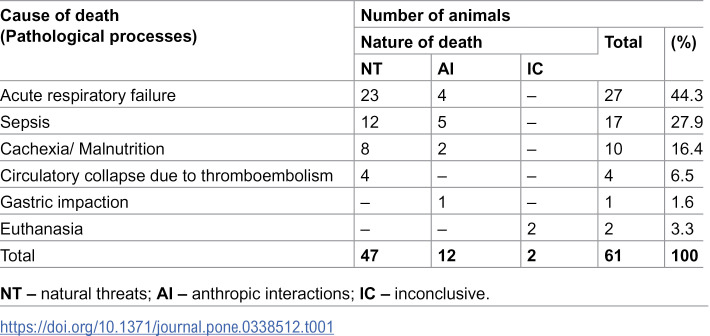 Figure 9
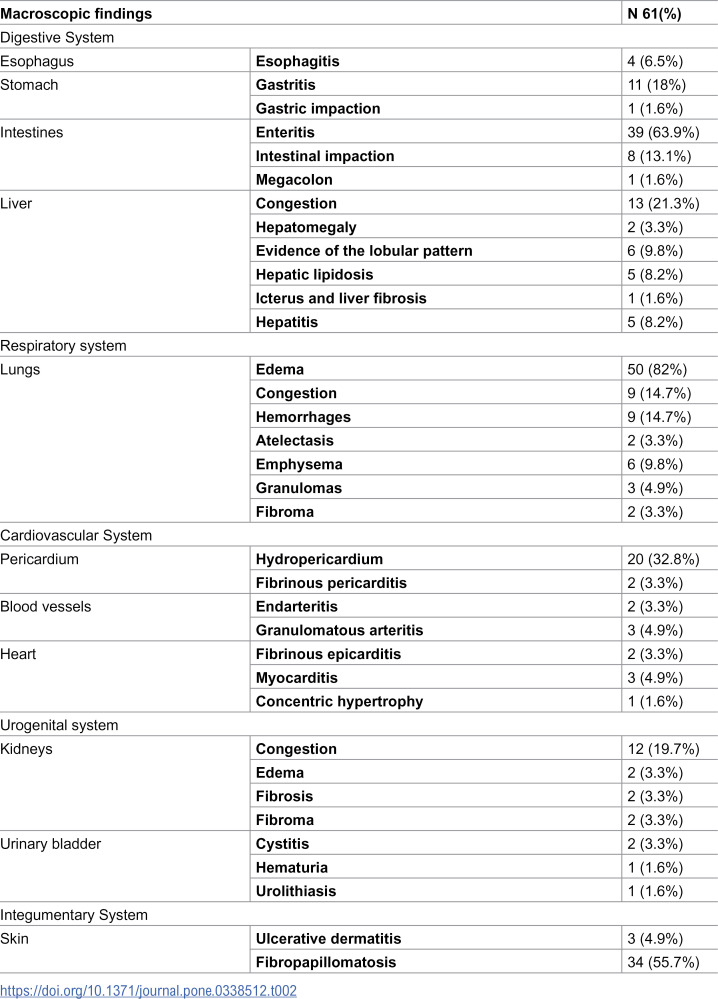 Figure 10
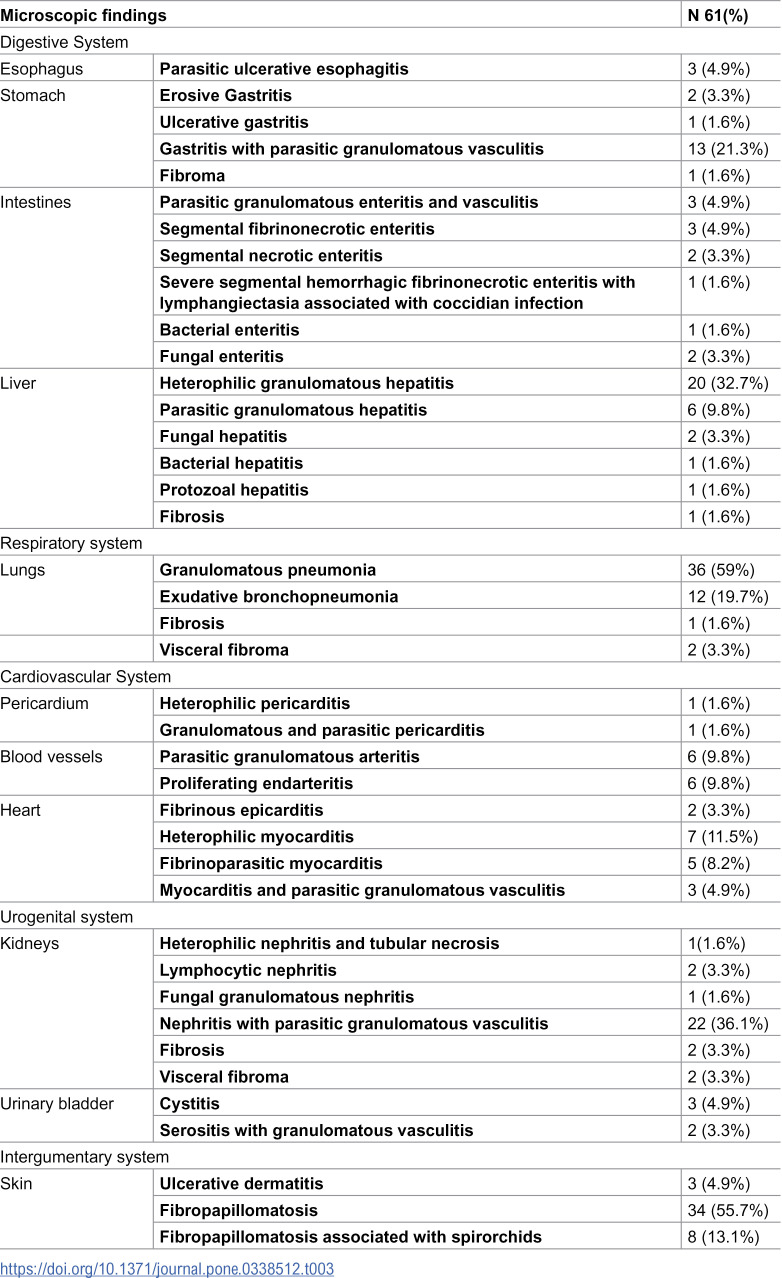 Figure 11
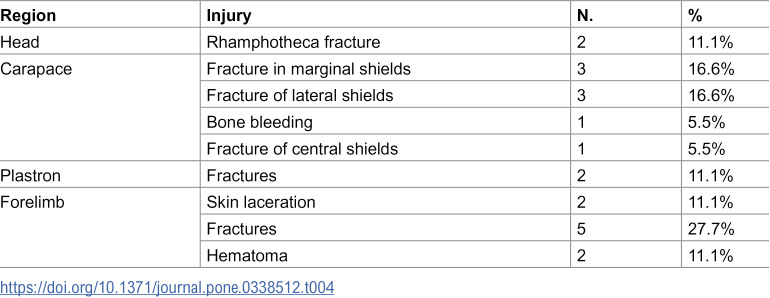 Figure 12
Peer Reviews
No public reviews on file for this paper yet. If you reviewed it on a platform where reviews are public (OpenReview, ICLR, NeurIPS, ICML), you can paste yours below so the community can read it here.
Videos
No videos yet. Explain this paper in a talk, walkthrough, or lecture? Add one.
Taxonomy
TopicsTurtle Biology and Conservation · Venomous Animal Envenomation and Studies · Marine Invertebrate Physiology and Ecology