Correction of the curve of spee using clear aligner therapy: A finite element analysis of three lower anterior intrusion protocols
José Alejandro Guerrero-Vargas, Carina Cristina Montalvany-Antonucci, Sandra Melisa Velez-Muriel, Natália Couto Figueiredo, Soraia Macari

TL;DR
This study uses computer modeling to compare three methods for correcting the curve of Spee with clear aligners, finding that simultaneous movement of canines and incisors is most effective.
Contribution
The study introduces a finite element analysis comparing three distinct intrusion protocols for clear aligner therapy in curve of Spee correction.
Findings
Simultaneous intrusion of canines and incisors produced the most balanced movement with minimal stress.
Isolated incisor intrusion increased periodontal ligament stress and caused unintended canine movement.
Posterior teeth consistently functioned as effective anchorage across all protocols.
Abstract
Correction of the curve of Spee (COS) often requires lower anterior intrusion, which remains one of the least accurate tooth movements in clear aligner therapy (CAT). This limited accuracy may be influenced by the anchorage system or the design of the intrusion strategy. This study aimed to evaluate the movement trends and stress distribution in the lower anterior teeth subjected to three different intrusion protocols using finite element analysis (FEA). Three-dimensional models of the mandibular dentition, periodontal ligaments (PDLs), bone, attachments, and clear aligners were constructed using Materialise Mimics and Materialise 3-matic software. The assembly of the anatomical structures was developed using Autodesk Inventor, and FEA was performed using FeBio software. Three protocols with different anterior intrusion designs were evaluated: S1 (simulation 1) — intrusion…
Genes, proteins, chemicals, diseases, species, mutations and cell lines named across the full text — each resolved to its canonical identifier and authoritative record.
Click any figure to enlarge with its caption.
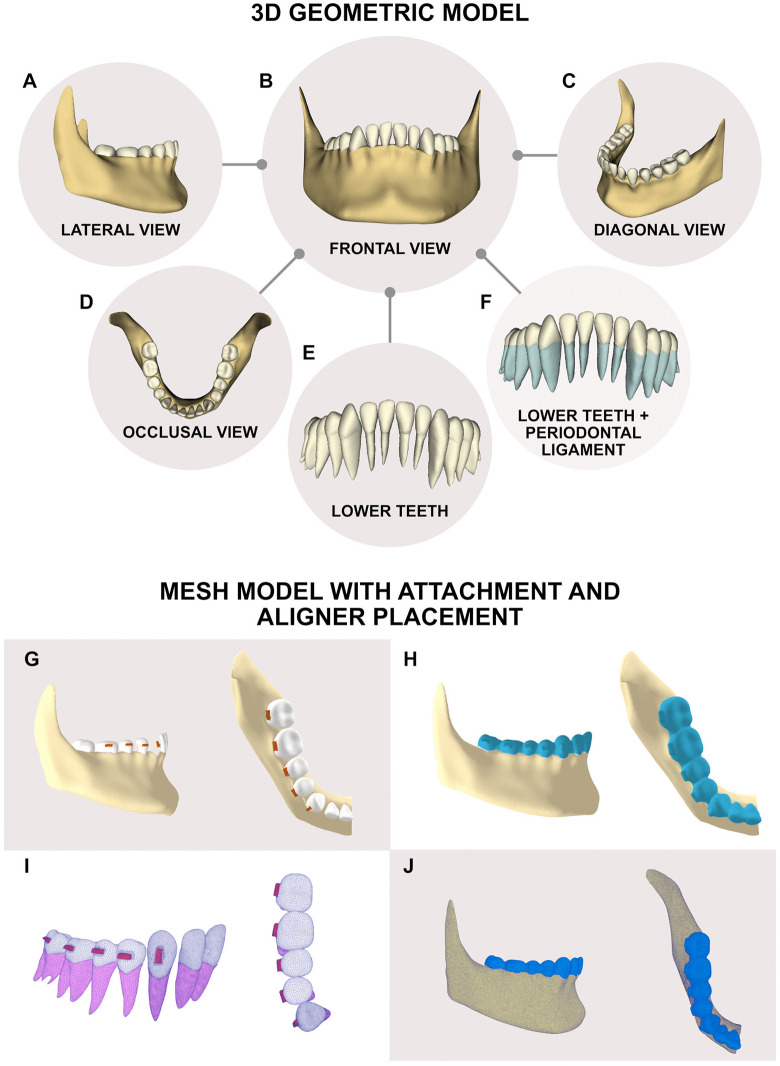 Figure 1
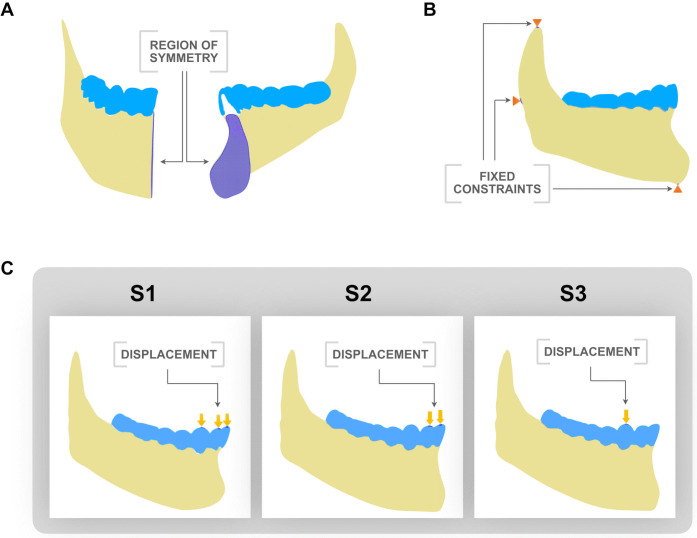 Figure 2
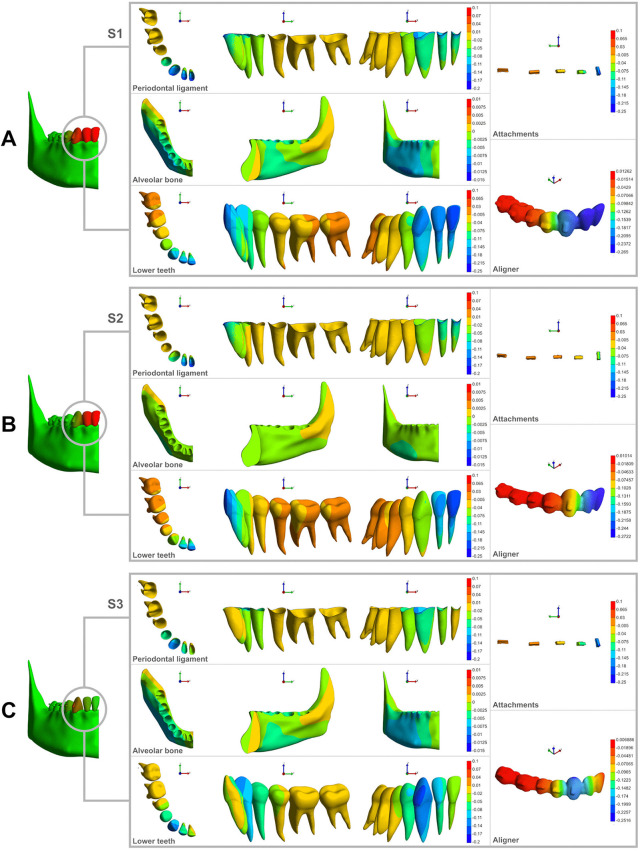 Figure 3
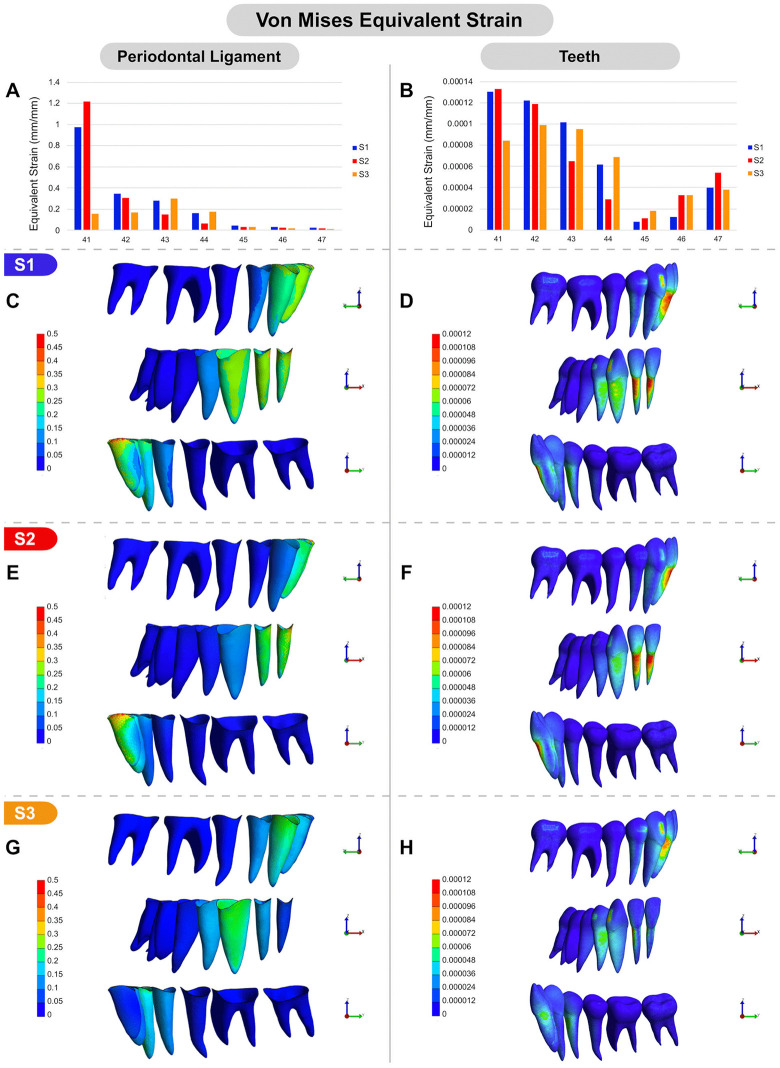 Figure 4
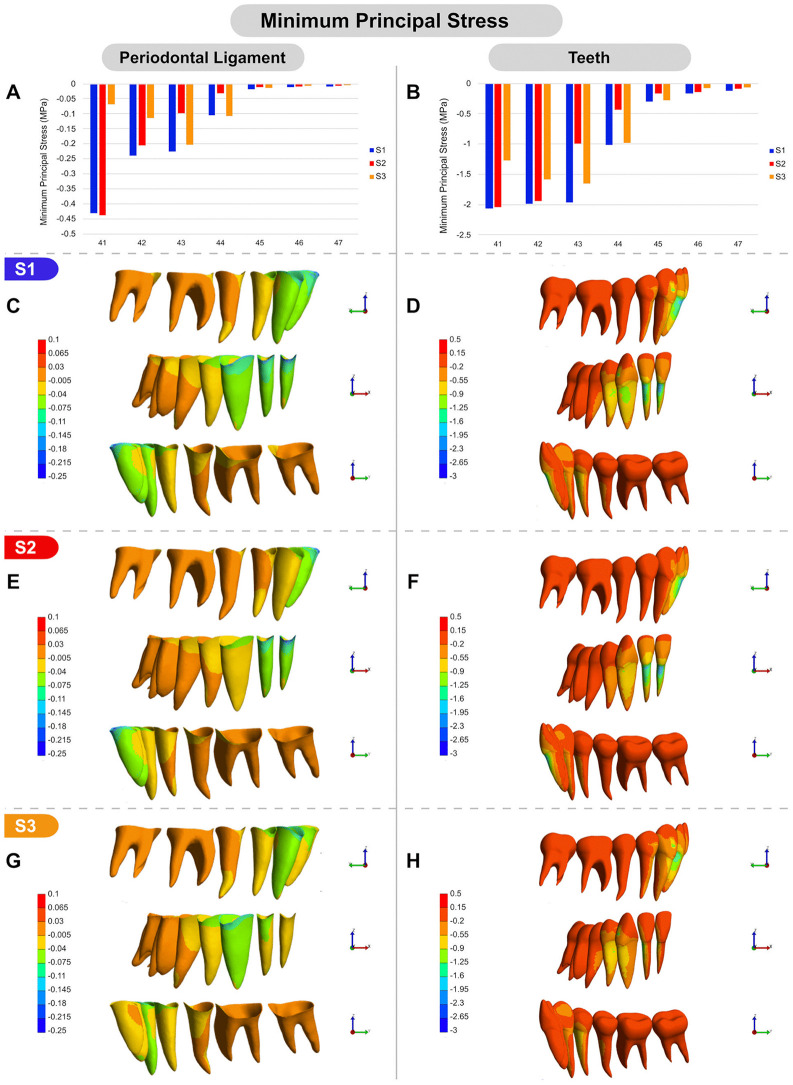 Figure 5
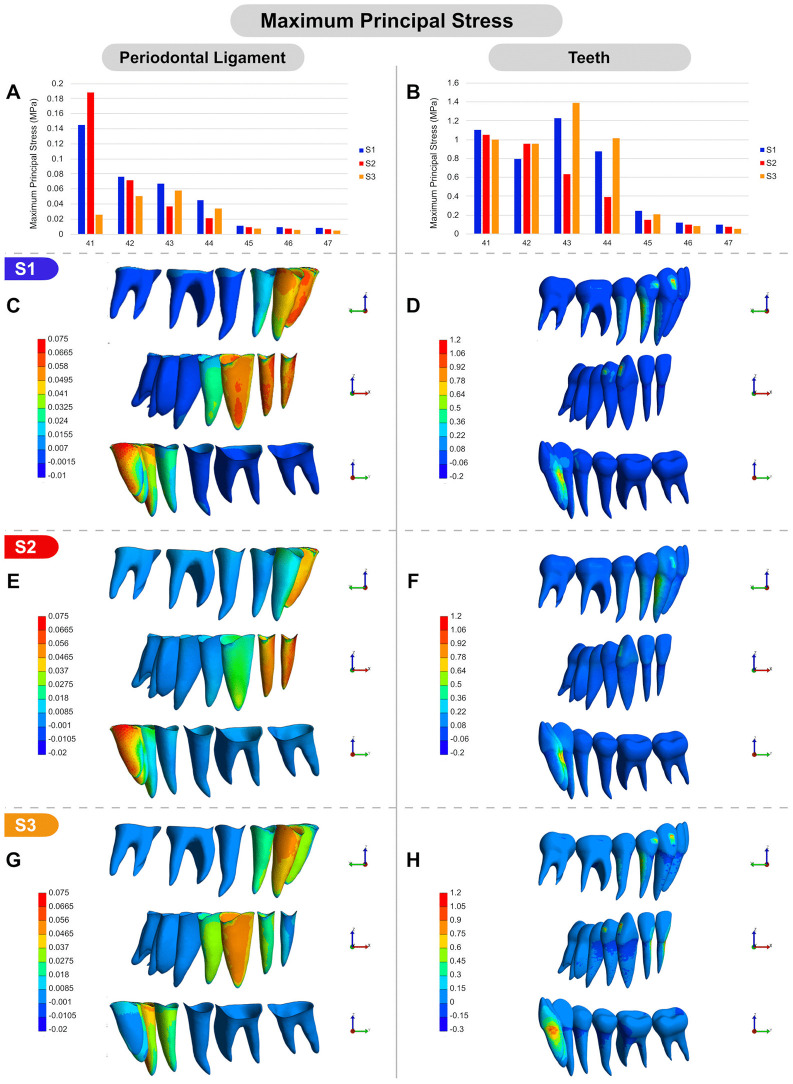 Figure 6
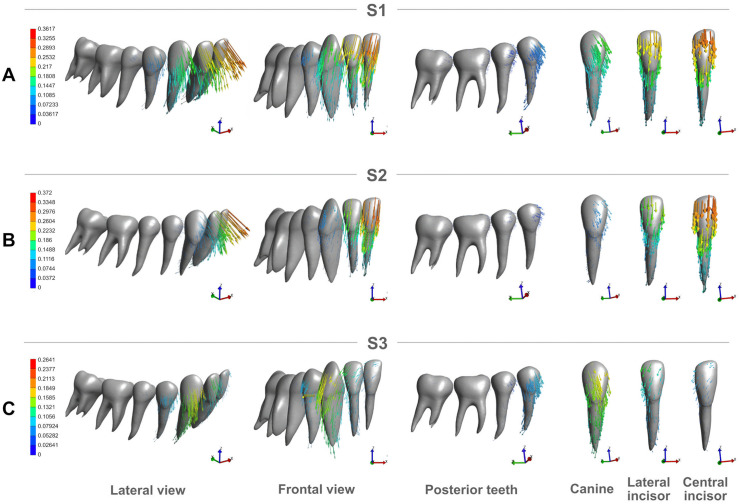 Figure 7
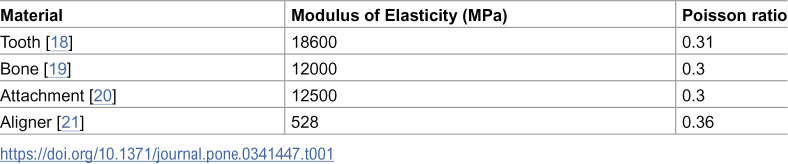 Figure 8
 Figure 9
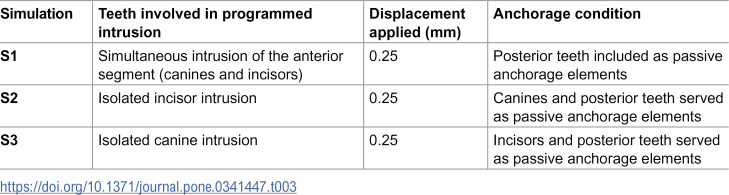 Figure 10
Peer Reviews
No public reviews on file for this paper yet. If you reviewed it on a platform where reviews are public (OpenReview, ICLR, NeurIPS, ICML), you can paste yours below so the community can read it here.
Videos
No videos yet. Explain this paper in a talk, walkthrough, or lecture? Add one.
Taxonomy
TopicsOrthodontics and Dentofacial Orthopedics · Temporomandibular Joint Disorders · dental development and anomalies