Development and evaluation of machine learning algorithms for the prediction of opioid-related deaths among UK patients with non-cancer pain
Jose Benitez-Aurioles, Carlos Raul Ramirez Medina, David Jenkins, Niels Peek, Meghna Jani

TL;DR
Researchers developed and validated machine learning models to predict opioid-related deaths in UK patients with non-cancer pain, using real-world data to help improve safer prescribing.
Contribution
First nationally representative models for predicting opioid-related mortality in non-cancer pain patients, accounting for competing risks and censoring.
Findings
Three models (regression, random forest, neural network) showed good discrimination with C-statistics above 81% in both internal and external validation.
Predictors like prior substance abuse, lung/liver comorbidities, and co-prescription of gabapentinoids were associated with higher opioid-related mortality risk.
The models were validated using a separate external cohort, demonstrating robustness and generalizability.
Abstract
The global rise in prescription opioid use has contributed to an opioid epidemic, associated harms, and unintentional deaths in several western countries. Opioids however continue to be regularly prescribed for acute pain and in the chronic pain context due to limited treatment options. Currently there are no accurate tools that help predict which patients prescribed opioids may be at risk of death, which depends on the cultural context and varies across countries. Existing models do not account for statistical considerations such as censoring and competing risks. Using nationally representative data from the United Kingdom from 1,026,139 patients newly prescribed an opioid, we developed three competing risk time-to-event models: a regression model, a random forest, and a deep neural network to predict opioid-related deaths using UK primary care records. The models were externally…
Genes, proteins, chemicals, diseases, species, mutations and cell lines named across the full text — each resolved to its canonical identifier and authoritative record.
Click any figure to enlarge with its caption.
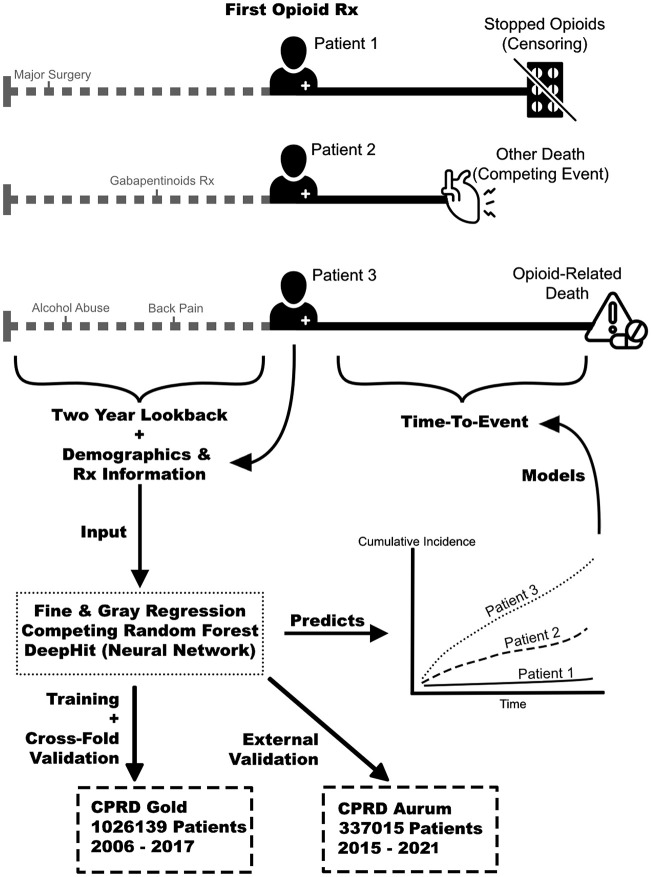 Figure 1
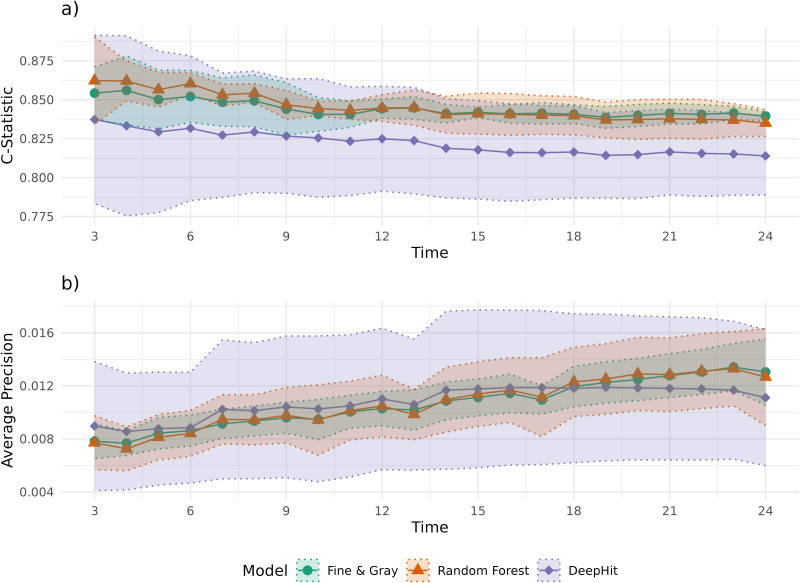 Figure 2
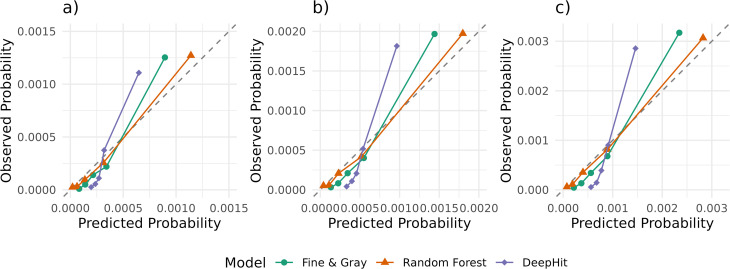 Figure 3
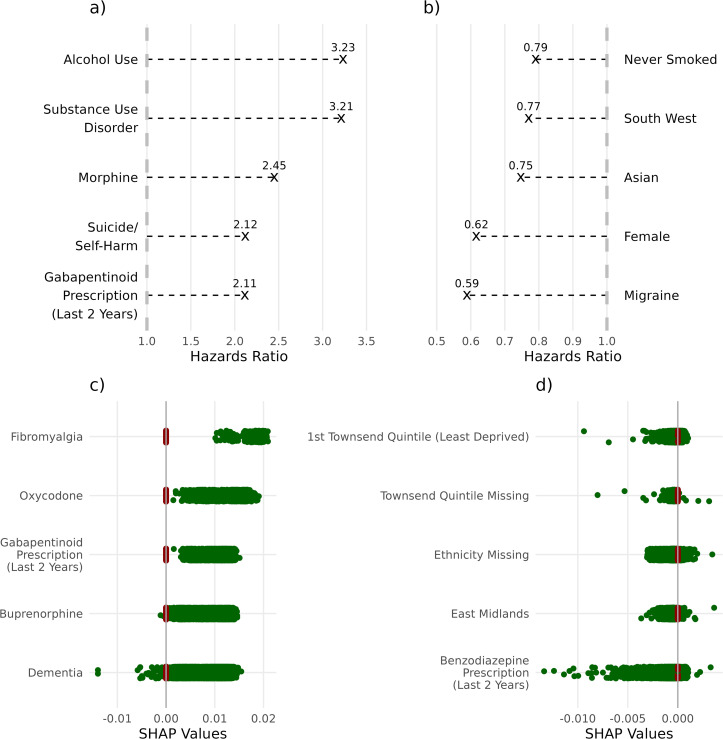 Figure 4
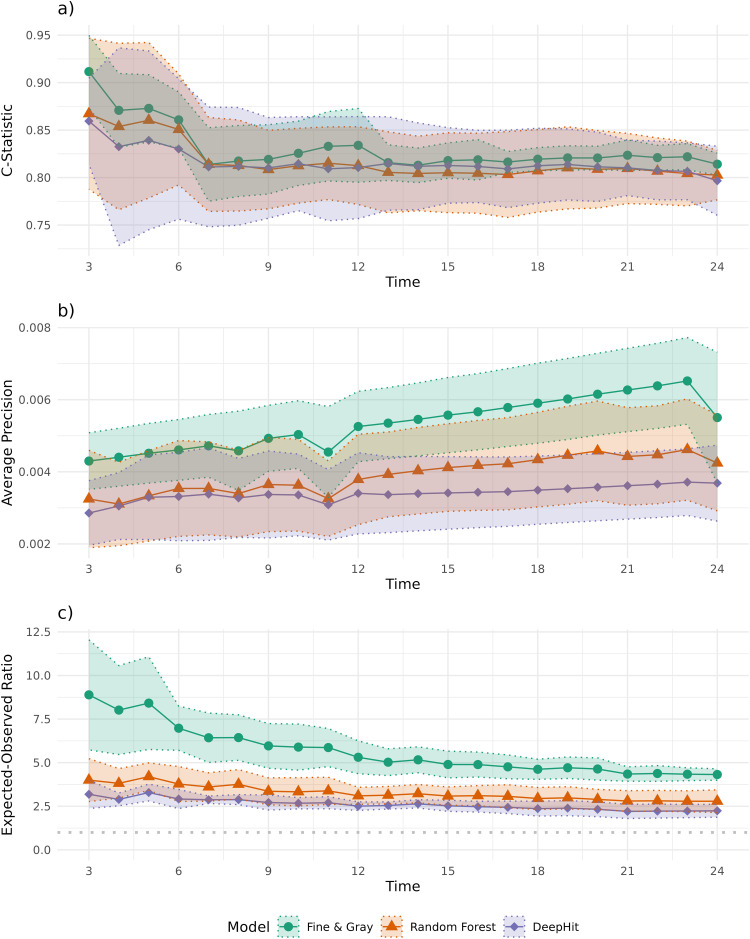 Figure 5
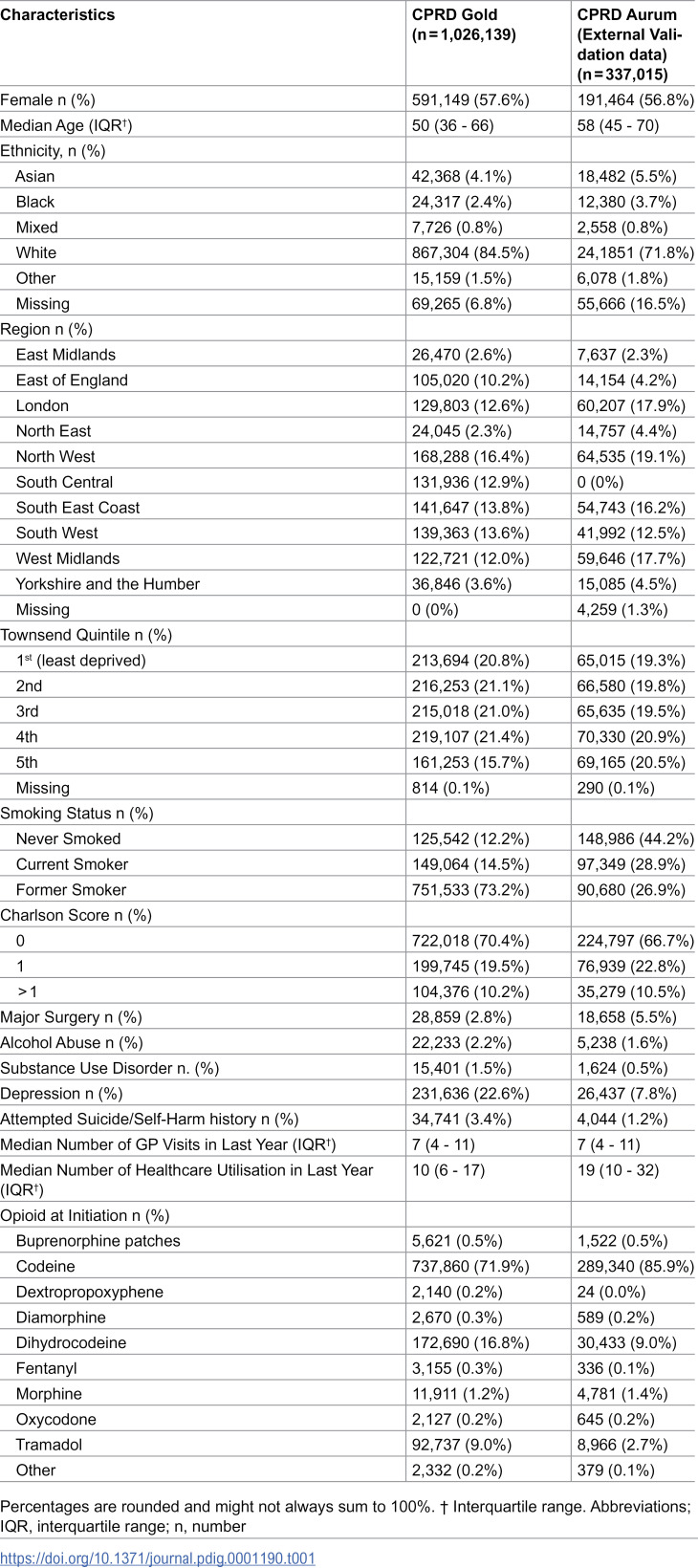 Figure 6
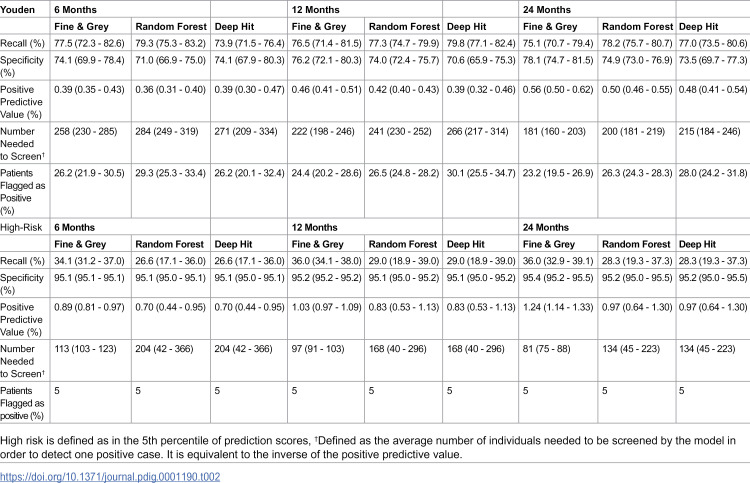 Figure 7
Peer Reviews
No public reviews on file for this paper yet. If you reviewed it on a platform where reviews are public (OpenReview, ICLR, NeurIPS, ICML), you can paste yours below so the community can read it here.
Videos
No videos yet. Explain this paper in a talk, walkthrough, or lecture? Add one.
Taxonomy
TopicsOpioid Use Disorder Treatment · Pain Management and Opioid Use · Artificial Intelligence in Healthcare and Education