Preparing the next generation of Complex Networks and Systems scientists: Evaluation results for the Complex Networks and Systems NSF research training program at Indiana University
Michael Ginda, Katy Börner, Olga Scrivner, William Trochim, Luis M. Rocha, Selma Šabanović

TL;DR
This paper evaluates the Complex Networks and Systems NSF Research Traineeship program at Indiana University, showing it meets its goals and boosts research productivity.
Contribution
The paper introduces a semi-automatic, interactive visual analytics workflow for evaluating graduate education programs.
Findings
The CNS NRT program is judged by participants as meeting its goals.
There is considerable evidence of research productivity from publication data.
Short-term outcomes indicate the program is on track for medium- and long-term success.
Abstract
Assessing and evaluating programmatic outcomes of graduate education programs help stakeholders understand and respond to challenges that emerge over the course of a complex academic program. Given the increased complexity of program activities and outcomes, there is a need for semi-automatic, interactive visual analytics tools that transform data into actionable insights to inform decision-making. This paper documents the results of the evaluation planning and annual workflow setup to create dynamic assessment reports for the Complex Networks and Systems NSF Research Traineeship (CNS NRT) program at Indiana University. The CNS NRT evaluation workflow relied on institutional, survey, and publication data and the freely available tools to guide decision making and communicate the achievements of faculty and doctoral trainees who participated in the program between 2017 and 2024. The…
Genes, proteins, chemicals, diseases, species, mutations and cell lines named across the full text — each resolved to its canonical identifier and authoritative record.
Click any figure to enlarge with its caption.
 Figure 1
 Figure 2
 Figure 3
 Figure 4
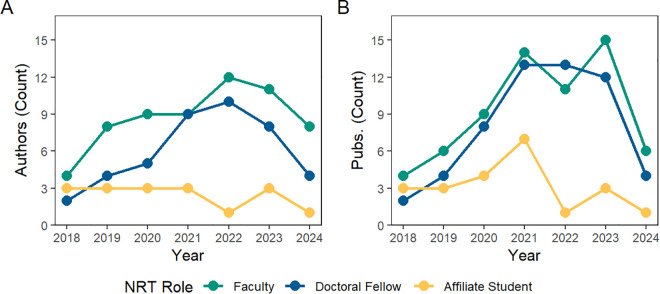 Figure 5
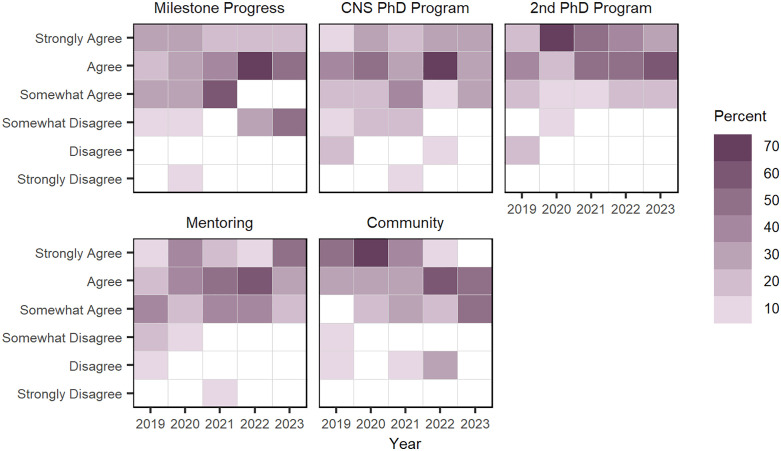 Figure 6
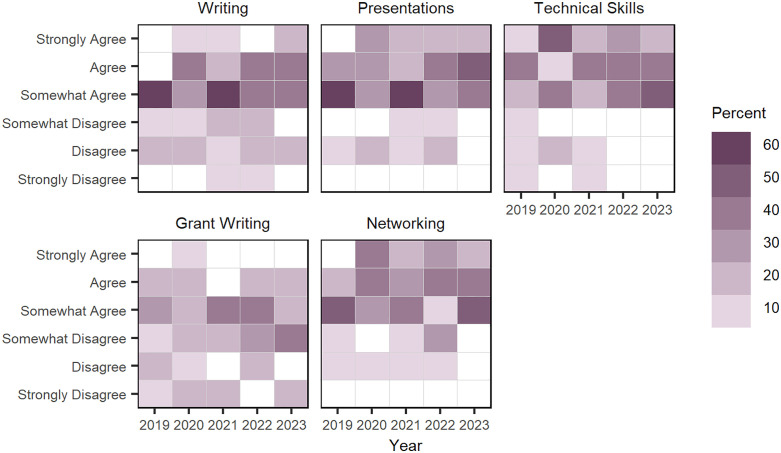 Figure 7
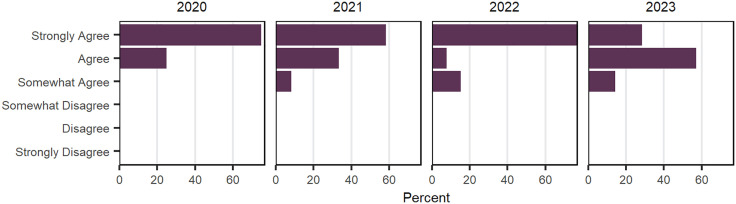 Figure 8
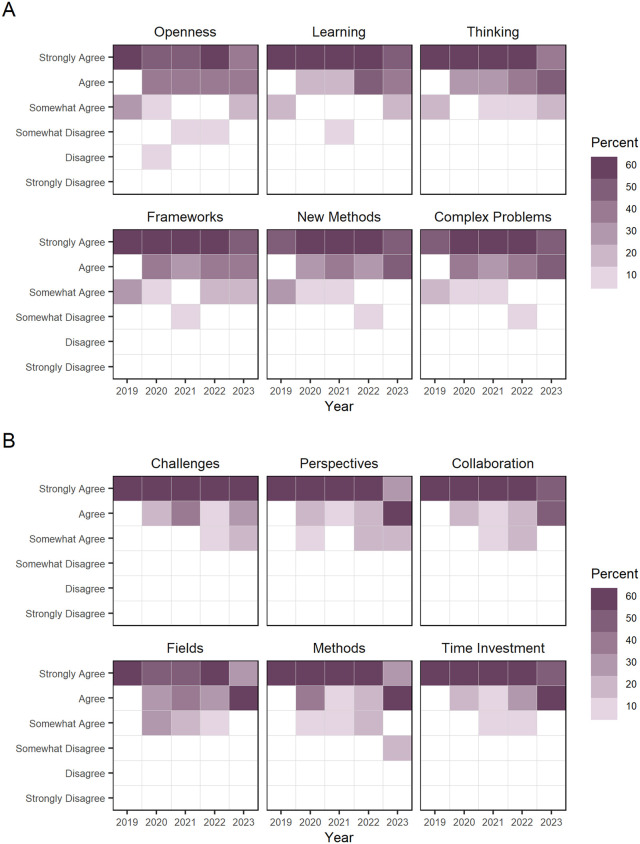 Figure 9
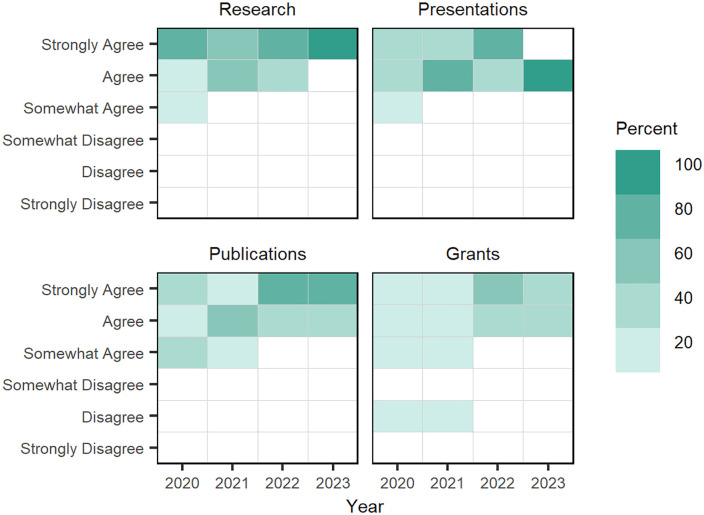 Figure 10
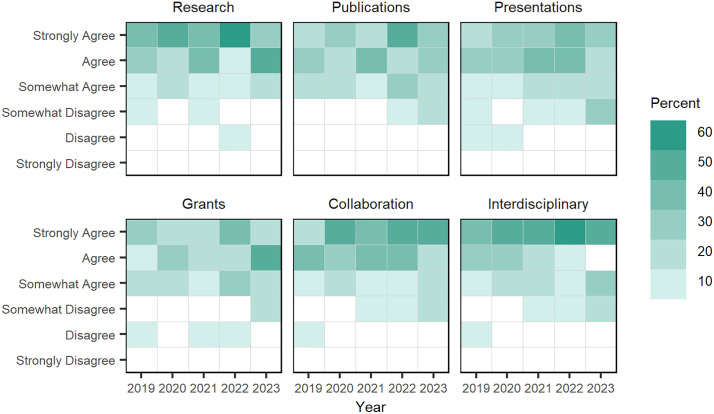 Figure 11
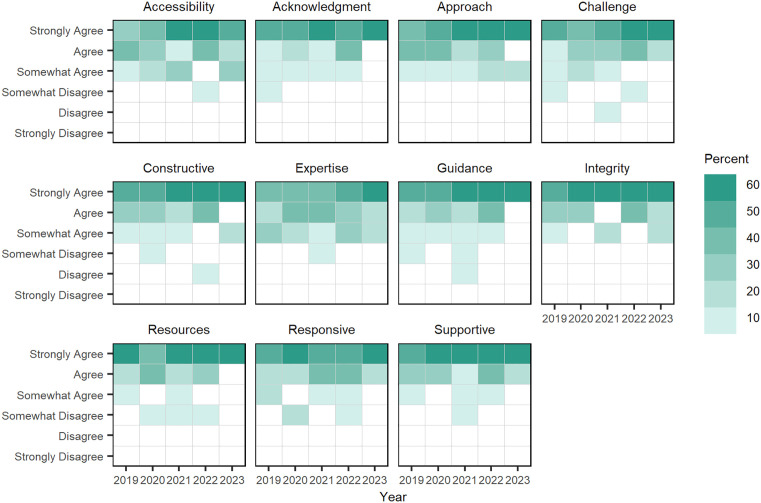 Figure 12
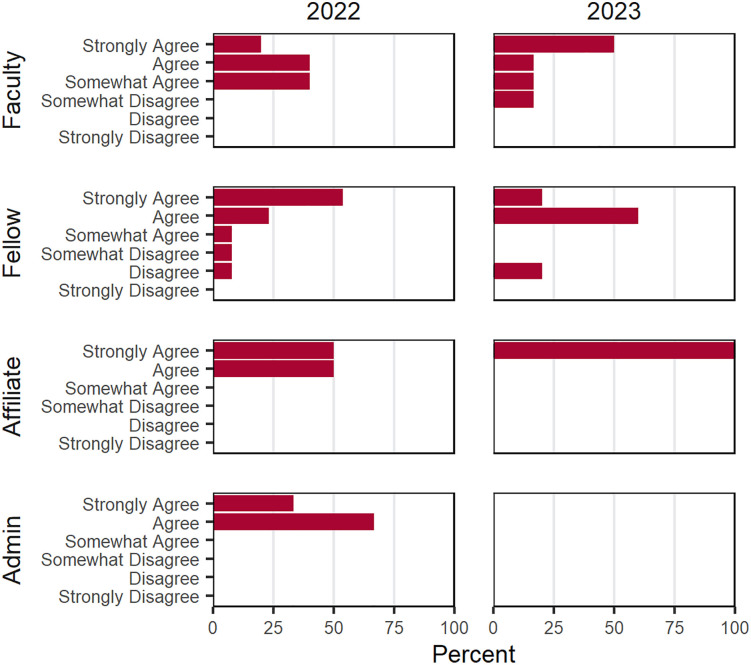 Figure 13
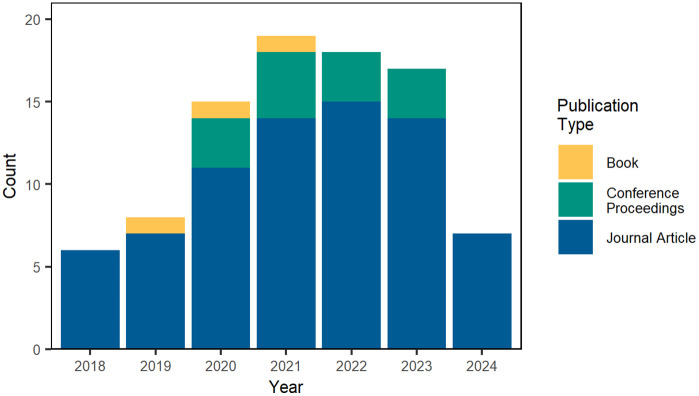 Figure 14
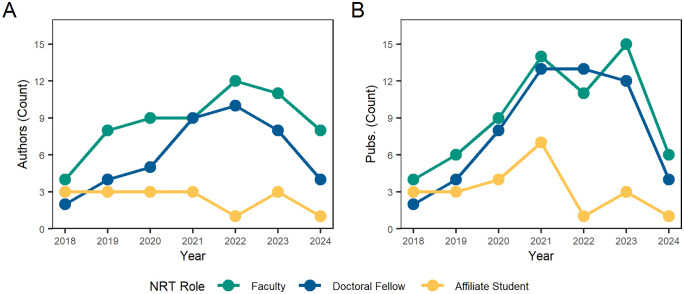 Figure 15
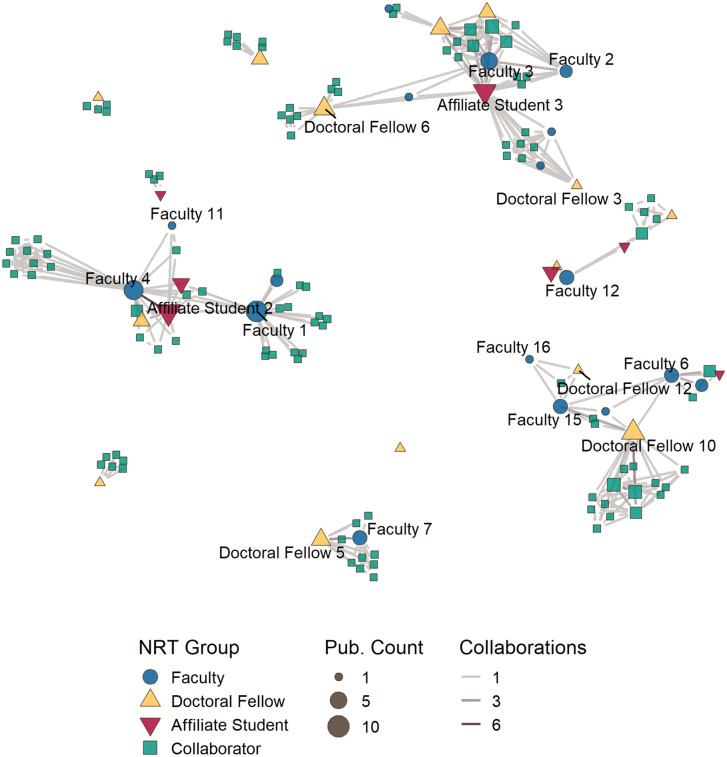 Figure 16
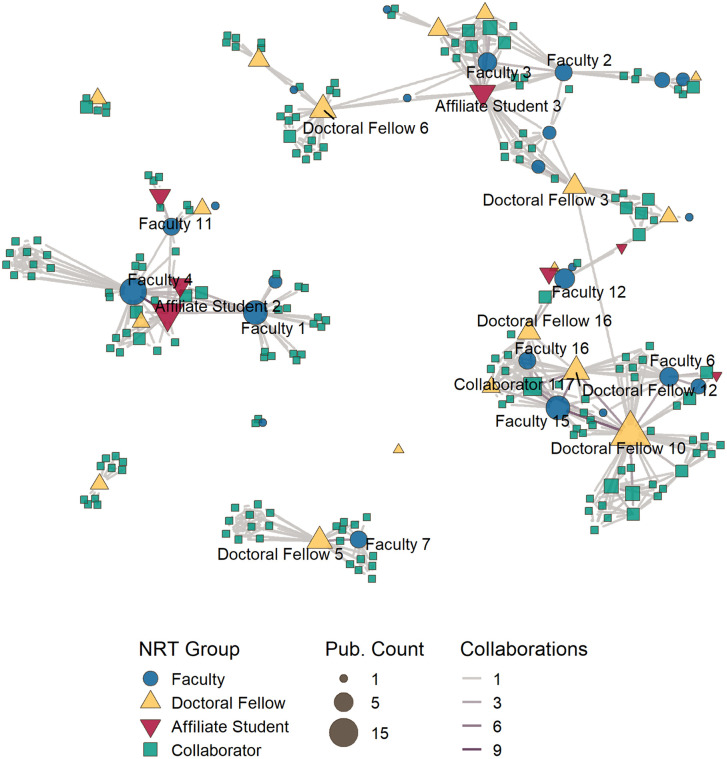 Figure 17
 Figure 18
 Figure 19
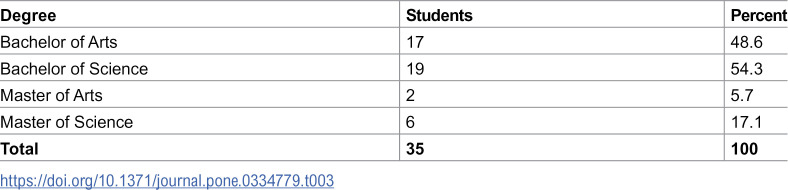 Figure 20
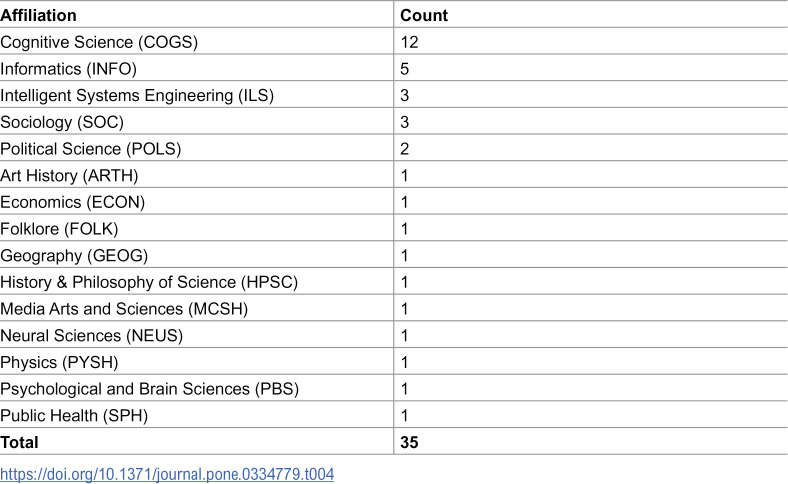 Figure 21
 Figure 22
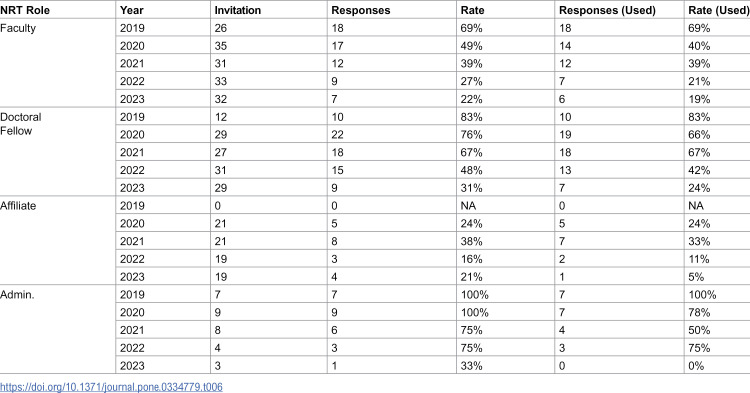 Figure 23
 Figure 24
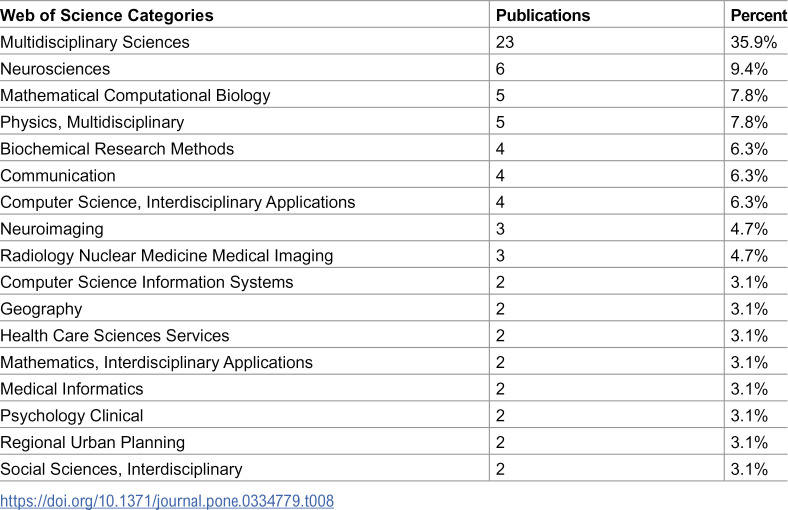 Figure 25
 Figure 26
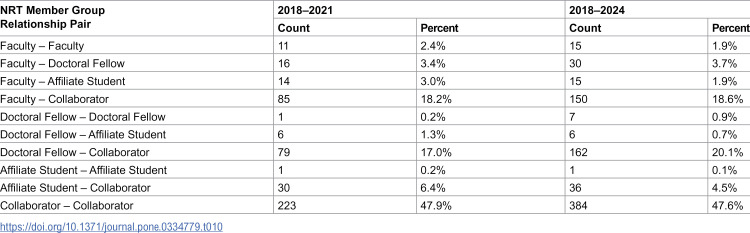 Figure 27
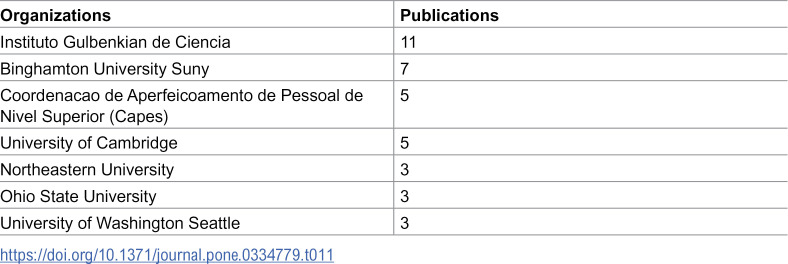 Figure 28
Peer Reviews
No public reviews on file for this paper yet. If you reviewed it on a platform where reviews are public (OpenReview, ICLR, NeurIPS, ICML), you can paste yours below so the community can read it here.
Videos
No videos yet. Explain this paper in a talk, walkthrough, or lecture? Add one.
Taxonomy
TopicsInterdisciplinary Research and Collaboration · Mental Health Research Topics · Research Data Management Practices