Association between delirium and neutrophil percentage-to-albumin ratio in patients with cervical spinal cord injury: A single-center, retrospective study
Kosuke Nitta, Gentaro Kumagai, Kanichiro Wada, Yohshiro Nitobe, Kotaro Aburakawa, On Takeda, Kazushige Koyama, Hirotaka Kinoshita, Tetsuya Kushikata, Kazuyoshi Hirota, Yasuyuki Ishibashi, Justyna Żywiołek, Pedro Kallas Curiati, Pedro Kallas Curiati

TL;DR
This study found that a high neutrophil percentage-to-albumin ratio (NPAR) on the day of injury is linked to delirium in cervical spinal cord injury patients.
Contribution
The study identifies NPAR as a novel, accessible biomarker for predicting delirium in cervical spinal cord injury patients.
Findings
An NPAR cutoff of 22 had an AUC of 0.672 for predicting delirium.
NPAR ≥22 was an independent risk factor for delirium (OR: 7.703).
Delirium occurred in 10.2% of cervical spinal cord injury patients.
Abstract
Single-center, case-control study. This study investigated if the neutrophil percentage-to-albumin ratio (NPAR) could predict the onset of delirium in patients with cervical spinal cord injury (CSCI). Delirium is a common and serious complication in patients with CSCI, leading to prolonged hospitalization and adverse clinical outcomes. Several risk factors have been identified, but the role of hematologic biomarkers in predicting delirium has remained unclear. While NPAR is a potential marker of systemic inflammation, its association with delirium in CSCI patients has not been established. The analysis included 147 patients with acute CSCI who were admitted to a single tertiary emergency center between 2010 and 2023. Delirium was diagnosed based on the Diagnostic and Statistical Manual of Mental Disorders, Fourth or Fifth Edition criteria. Clinical characteristics, laboratory data,…
Genes, proteins, chemicals, diseases, species, mutations and cell lines named across the full text — each resolved to its canonical identifier and authoritative record.
Click any figure to enlarge with its caption.
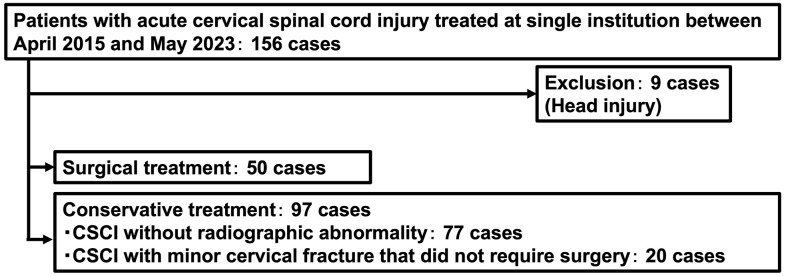 Figure 1
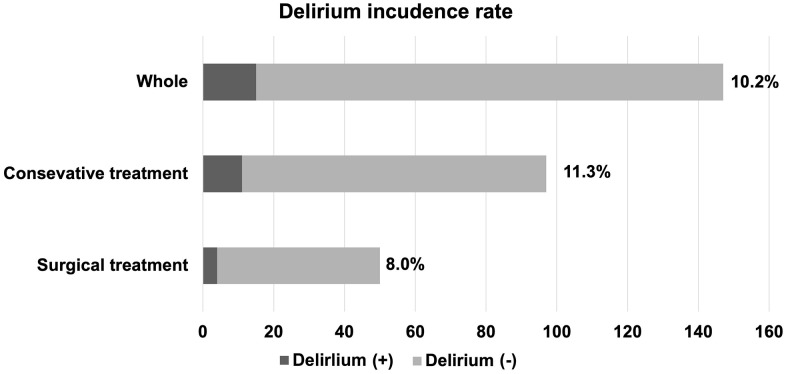 Figure 2
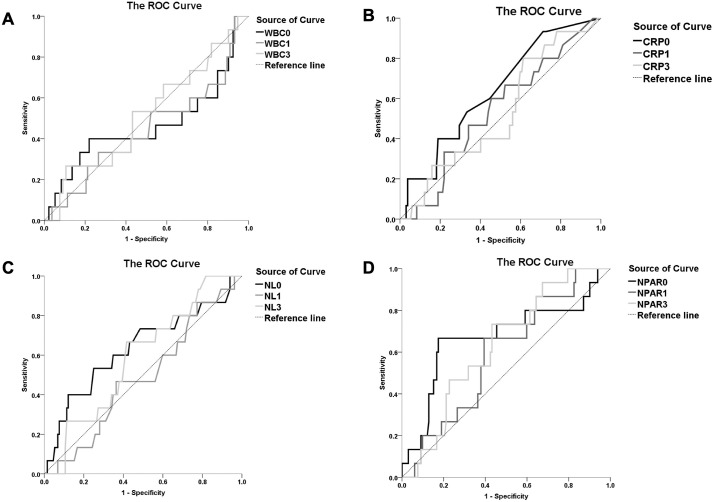 Figure 3
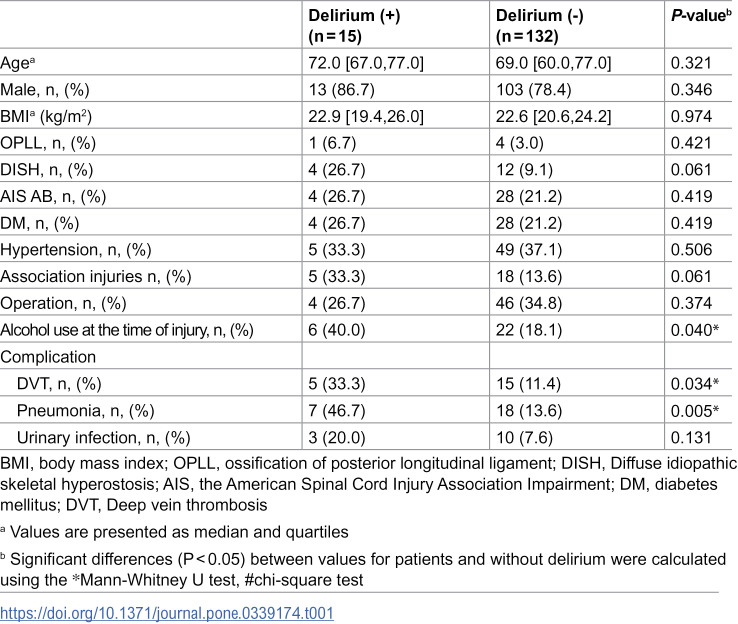 Figure 4
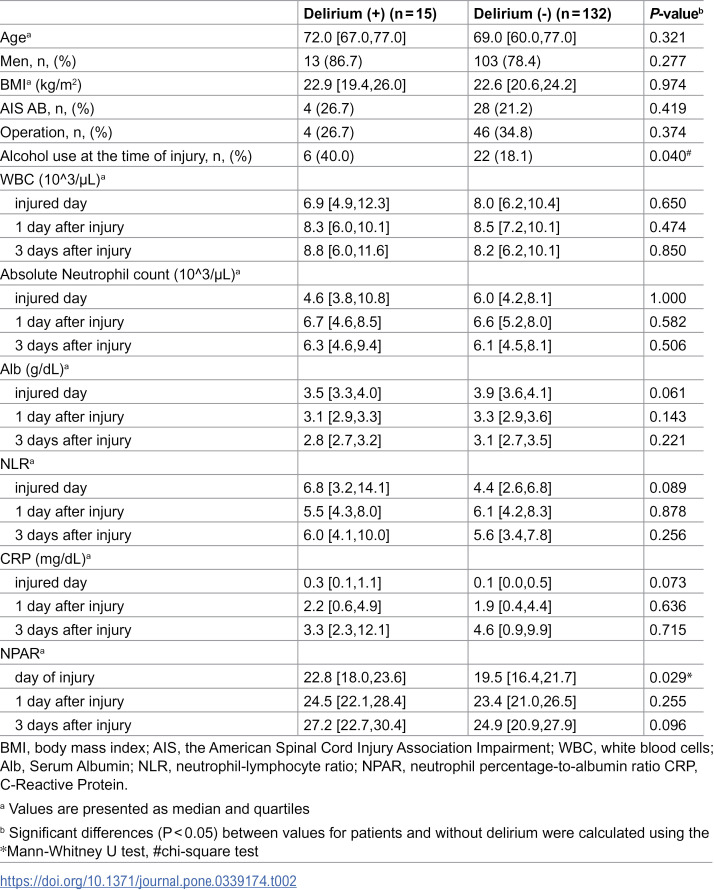 Figure 5
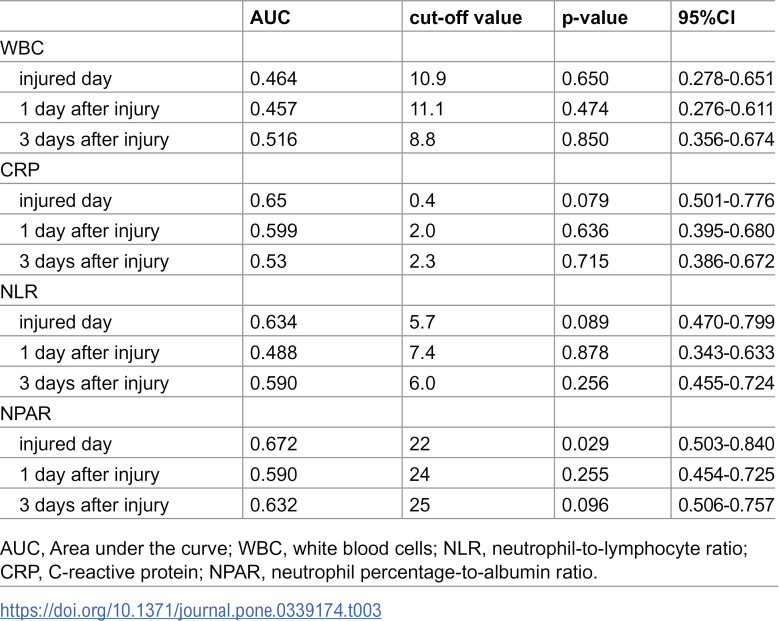 Figure 6
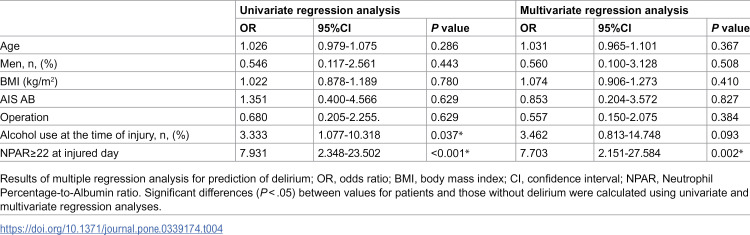 Figure 7
Peer Reviews
No public reviews on file for this paper yet. If you reviewed it on a platform where reviews are public (OpenReview, ICLR, NeurIPS, ICML), you can paste yours below so the community can read it here.
Videos
No videos yet. Explain this paper in a talk, walkthrough, or lecture? Add one.
Taxonomy
TopicsIntensive Care Unit Cognitive Disorders · Respiratory Support and Mechanisms · Tryptophan and brain disorders