Layer V Neocortical neurons from individuals With drug-resistant epilepsy show multiple synaptic alterations but lack somatic hyperexcitability
Luis A. Márquez, Christopher Martínez-Aguirre, Estefanía Gutierrez-Castañeda, Ernesto Griego, Isabel Sollozo-Dupont, Félix López-Preza, Mario Alonso-Vanegas, Luisa Rocha Arrieta, Emilio J. Galván, Michele Giugliano, Michele Giugliano, Michele Giugliano, Michele Giugliano

TL;DR
This study finds that neurons from people with drug-resistant epilepsy show synaptic changes that may contribute to seizures, but not increased excitability at the cell body.
Contribution
The study reveals synaptic, not somatic, alterations in Layer V neurons from drug-resistant epilepsy patients that may drive hyperexcitability.
Findings
Layer V pyramidal neurons from epilepsy patients show synaptic decoupling and lack short-term depression.
Frontal neurons are more hyperexcitable than temporal and parietal neurons, but firing output is similar to non-pathological tissue.
Minimal spontaneous synaptic activity and similar resting membrane potentials are observed across neocortical regions.
Abstract
Although neuronal hyperexcitability is the primary mechanism underlying seizure activity in epilepsy, little is known about how different neuronal mechanisms at different organizational levels contribute to network hyperexcitability in the human epileptic brain. In this study, we determined a series of cellular and synaptic properties of Layer V pyramidal neurons from neocortical tissue of patients with drug-resistant epilepsy that may contribute to the hyperexcitable state associated with epilepsy. Using the whole cell, patch-clamp technique, and extracellular recordings, we determined the passive and active electrophysiological properties of Layer V pyramidal neurons with regular spiking phenotypes from temporal, parietal, and frontal neocortices surgically resected from individuals with drug-resistant epilepsy. Also, the glutamatergic strength, the synaptic coupling between…
Genes, proteins, chemicals, diseases, species, mutations and cell lines named across the full text — each resolved to its canonical identifier and authoritative record.
Click any figure to enlarge with its caption.
 Figure 1
 Figure 2
 Figure 3
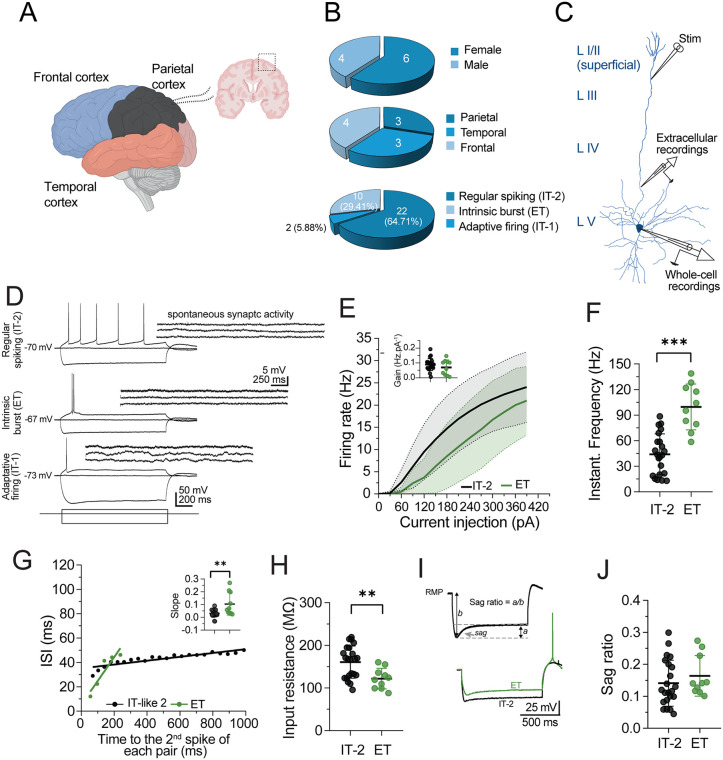 Figure 4
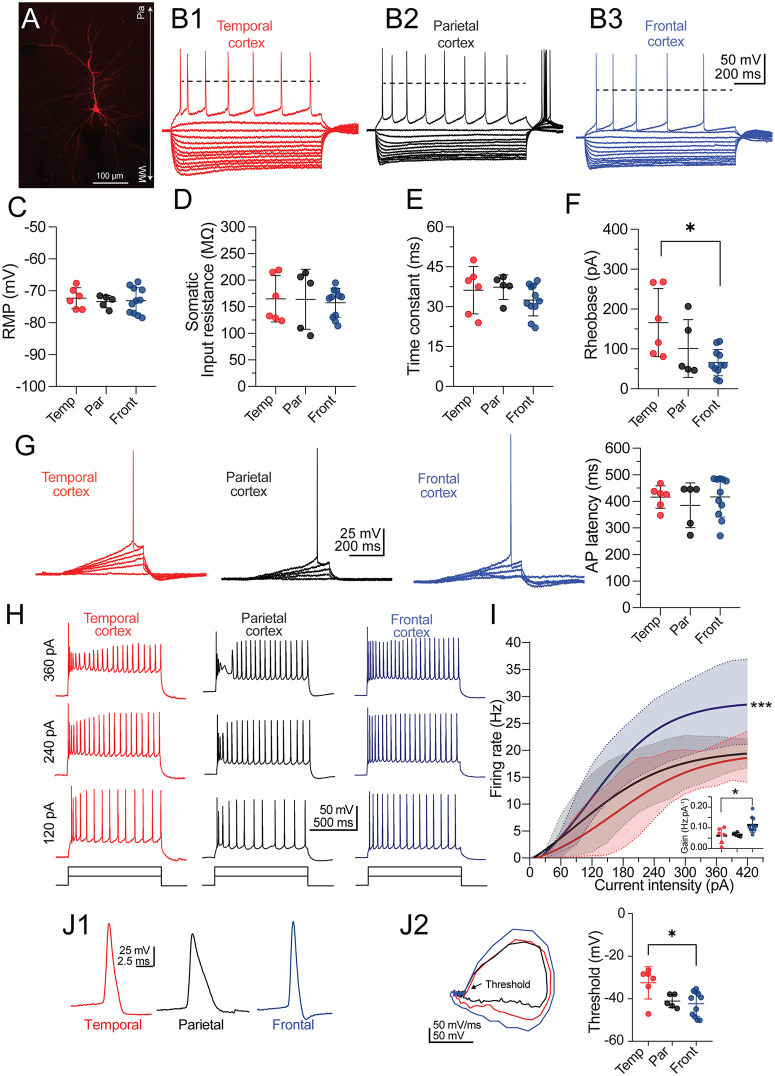 Figure 5
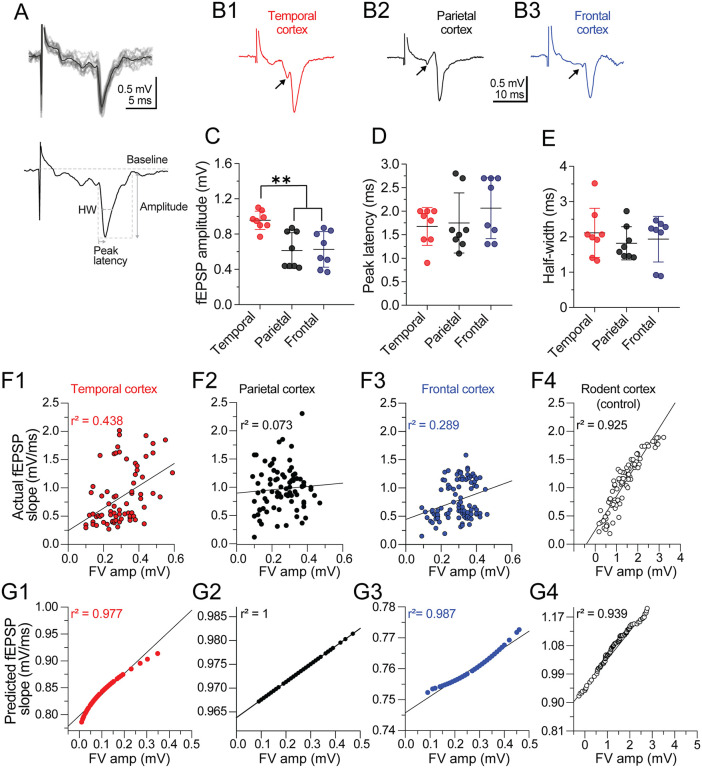 Figure 6
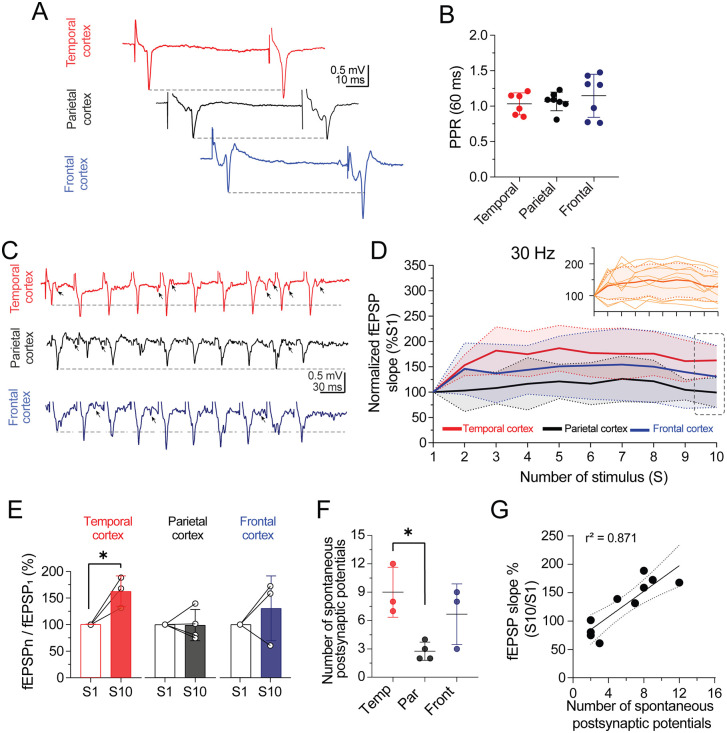 Figure 7
 Figure 8
 Figure 9
 Figure 10
Peer Reviews
No public reviews on file for this paper yet. If you reviewed it on a platform where reviews are public (OpenReview, ICLR, NeurIPS, ICML), you can paste yours below so the community can read it here.
Videos
No videos yet. Explain this paper in a talk, walkthrough, or lecture? Add one.
Taxonomy
TopicsNeuroscience and Neuropharmacology Research · Neural dynamics and brain function · Epilepsy research and treatment