Comparative Analysis of Annealing–Dissolution Techniques for Hollow Submicron Metal Oxide Fiber Synthesis
Borislava Georgieva, Blagoy Spasov Blagoev, Albena Paskaleva, Kirilka Starbova, Nikolay Starbov, Ivalina Avramova, Peter Tzvetkov, Krastyo Buchkov, Vladimir Mehandzhiev

TL;DR
Researchers created hollow metal oxide fibers using electrospinning and ALD, comparing two methods to remove the polymer core, which affects the fiber's structure and potential uses.
Contribution
The study introduces a controllable method to tailor fiber morphology by selecting polymer removal techniques, enabling enhanced surface area for practical applications.
Findings
Thermal annealing produces smooth, shrunken fibers, while water dissolution creates rough, expanded fibers with micro-cracks.
The rough and expanded fibers have a higher specific surface area, suitable for sensing, catalysis, and filtration.
The polymer removal method critically influences the final structural and morphological characteristics of the fibers.
Abstract
Double-shell ZnO/Al2O3 submicron hollow fibers were successfully fabricated through a combined electrospinning and atomic layer deposition (ALD) approach. Polyvinyl alcohol (PVA) fibers were first produced by electrospinning and subsequently coated with a conformal Al2O3 barrier layer via low-temperature ALD employing trimethylaluminum (TMA) and deionized (DI) H2O to preserve the integrity of the temperature-sensitive polymer core. The inner polymer was then removed using two different techniques—thermal annealing and water dissolution—to compare their effects on the fiber morphology. Finally, a functional ZnO layer was deposited by thermal ALD with diethylzinc (DEZ) and DI H2O. It was found that the polymer removal method critically determined the final structural and morphological characteristics of the fibers. Thermal annealing resulted in smooth, shrunken fibers, while water…
Genes, proteins, chemicals, diseases, species, mutations and cell lines named across the full text — each resolved to its canonical identifier and authoritative record.
Click any figure to enlarge with its caption.
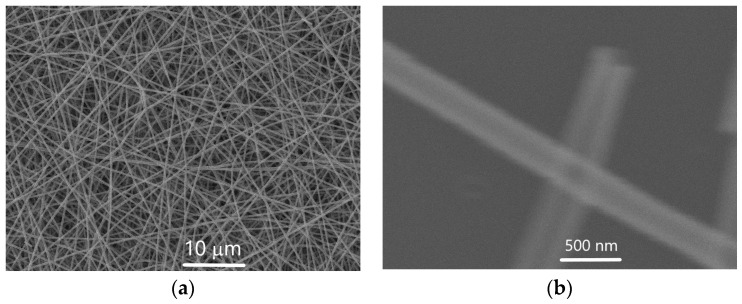 Figure 1
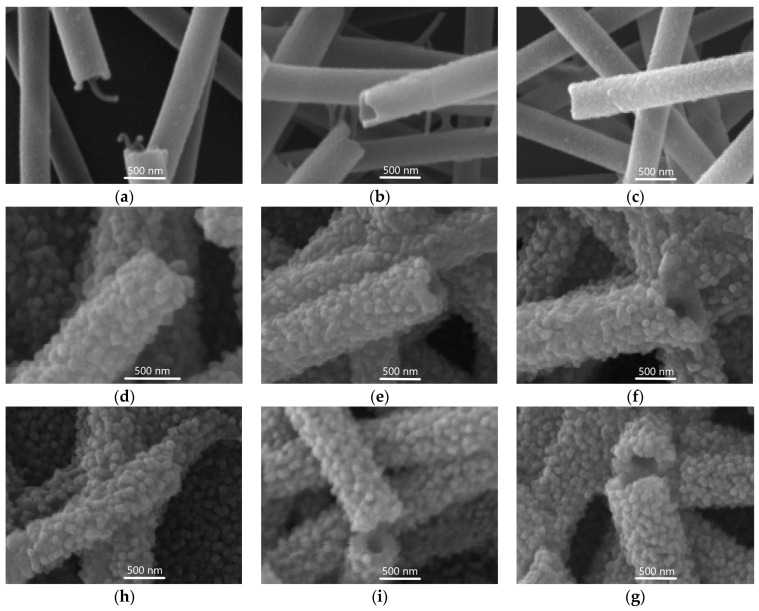 Figure 2
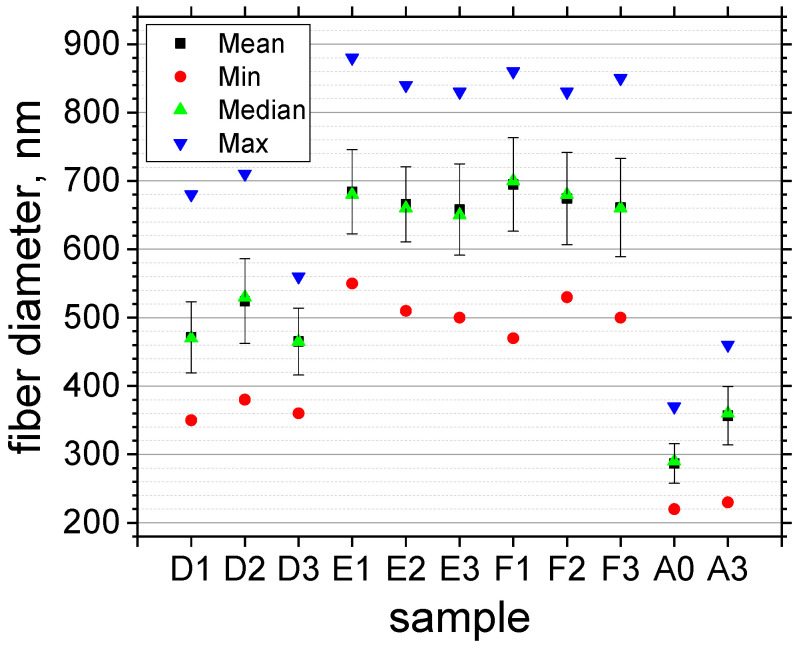 Figure 3
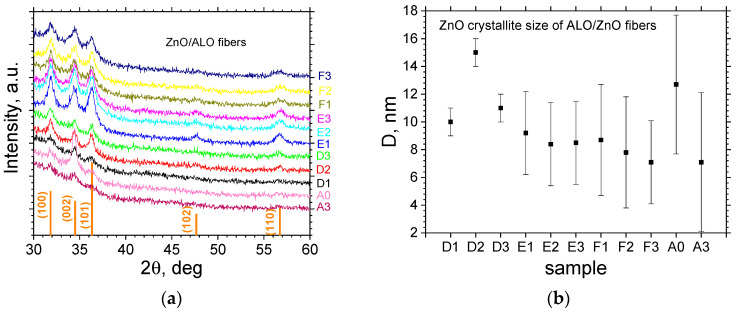 Figure 4
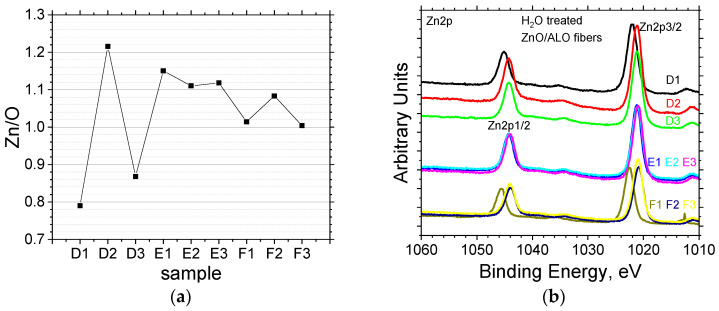 Figure 5
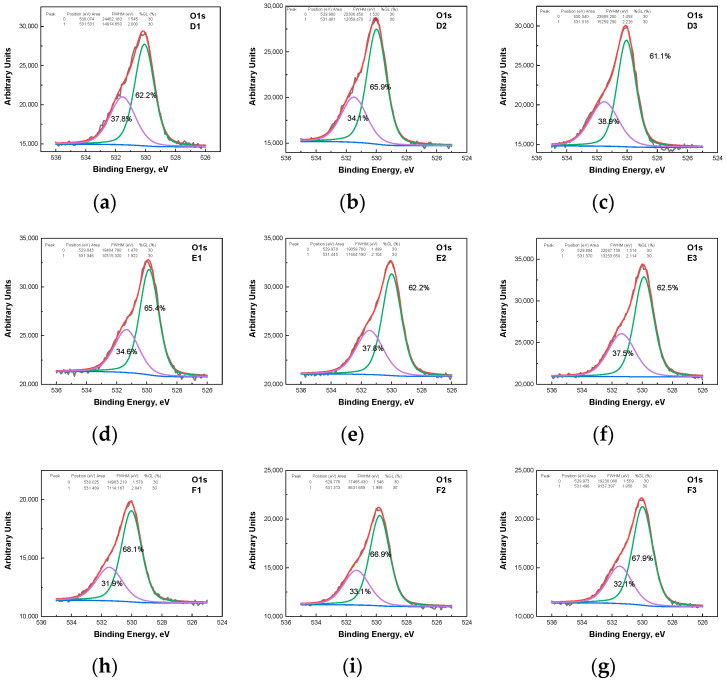 Figure 6
Peer Reviews
No public reviews on file for this paper yet. If you reviewed it on a platform where reviews are public (OpenReview, ICLR, NeurIPS, ICML), you can paste yours below so the community can read it here.
Videos
No videos yet. Explain this paper in a talk, walkthrough, or lecture? Add one.
Taxonomy
TopicsElectrospun Nanofibers in Biomedical Applications · Advanced ceramic materials synthesis · Advanced Cellulose Research Studies