The Acute Effects of High-Intensity Interval Training on Oxidative Stress Markers and Phagocyte Oxidative Burst Activity in Young Professional Athletes and Non-Athlete University Students
László Balogh, Eszter Szklenár, Ádám Diós, Attila Csaba Arany, József Márton Pucsok, Zalán Mihály Bács, László Rátgéber, Zoltán Csiki, Ágnes Gyetvai, Gábor Papp

TL;DR
This study shows that a single high-intensity workout boosts antioxidant activity and immune response more in athletes than in non-athletes.
Contribution
The study reveals how training status affects oxidative stress and immune responses after high-intensity exercise.
Findings
Athletes showed increased superoxide dismutase and catalase activity after HIIT, unlike non-athletes.
Total serum nitrite/nitrate levels rose significantly in both athletes and non-athletes after exercise.
Athletes had higher phagocyte oxidative burst activity before and after the workout compared to non-athletes.
Abstract
During exercise, increased oxygen consumption results in elevated production of reactive oxygen species (ROS). If the antioxidant system is unable to counteract this surge in ROS, oxidative stress occurs. Physical activity modulates both the generation and clearance of ROS through dynamic interactions between metabolic and antioxidant systems, and also influences the oxidative burst activity of phagocytes, a key component of the innate immune response. To investigate the acute physiological responses to high-intensity interval training (HIIT), we assessed the effects of a single HIIT session on oxidative stress markers and the oxidative burst activity of phagocytes in young professional athletes and non-athlete individuals. Blood samples were collected before and after a HIIT session from eleven male athletes (mean age: 22.1 ± 4.5 years) and ten male non-athlete university students…
Genes, proteins, chemicals, diseases, species, mutations and cell lines named across the full text — each resolved to its canonical identifier and authoritative record.
Click any figure to enlarge with its caption.
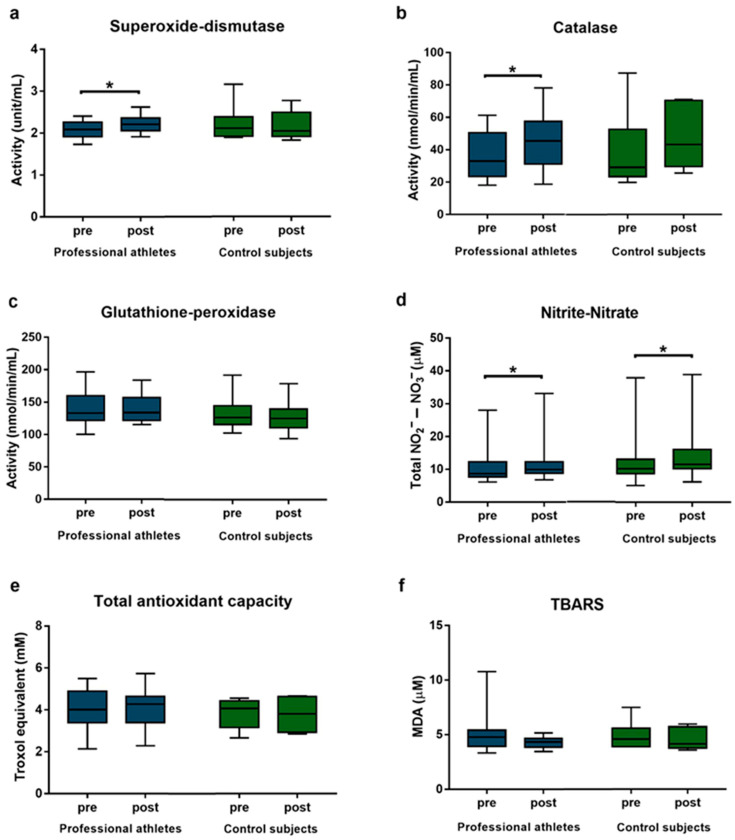 Figure 1
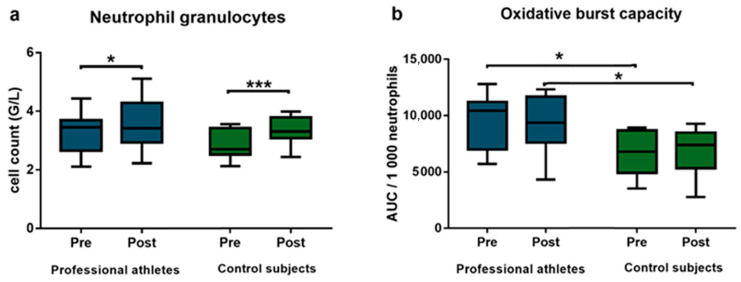 Figure 2
Peer Reviews
No public reviews on file for this paper yet. If you reviewed it on a platform where reviews are public (OpenReview, ICLR, NeurIPS, ICML), you can paste yours below so the community can read it here.
Videos
No videos yet. Explain this paper in a talk, walkthrough, or lecture? Add one.
Taxonomy
TopicsExercise and Physiological Responses · Cardiovascular and exercise physiology · High Altitude and Hypoxia