Trametes polyzona as a Source for Bioremediation and Industrial Applications: A Systematic Review
Melanie Ashley Ochoa-Ocampo, Maria Belén Macas-Granizo, Nina Espinosa de los Monteros-Silva, Thomas Garzón, Anthony Jose Balcazar-Sinailin, Zulay Niño-Ruiz, Roldán Torres-Gutiérrez, José R. Almeida, Noroska G. S. Mogollón, Karel Diéguez-Santana

TL;DR
This review explores Trametes polyzona's potential for bioremediation and industrial use, highlighting its enzyme capabilities and biodegradation efficiency.
Contribution
The study provides a systematic review of T. polyzona's biotechnological applications and identifies gaps in methodological consistency and ecotoxicological assessments.
Findings
T. polyzona shows high ligninolytic activity with laccase specific activities up to 1637 U/mg.
The fungus efficiently degrades dyes, pesticides, and phenolic pollutants with antioxidant and antimicrobial properties.
Methodological inconsistencies in strain characterization and analytical approaches limit comparability across studies.
Abstract
Trametes polyzona is a white-rot basidiomycete with increasing relevance in environmental biotechnology due to its ligninolytic enzymes, biodegradation capacity, and versatile metabolic responses to diverse substrates. To provide an integrated and updated understanding of its biotechnological potential, we conducted a systematic review following PRISMA guidelines. A total of 46 studies published between 1991 and 2024 were analyzed, covering enzymatic production profiles, degradation of xenobiotics, extraction of bioactive metabolites, and experimental conditions influencing performance. Across the literature, T. polyzona consistently exhibits high ligninolytic activity, including laccase specific activities reported up to 1637 U/mg, together with efficient transformation of dyes, pesticides, and phenolic pollutants, and promising antioxidant and antimicrobial properties. However,…
Genes, proteins, chemicals, diseases, species, mutations and cell lines named across the full text — each resolved to its canonical identifier and authoritative record.
Click any figure to enlarge with its caption.
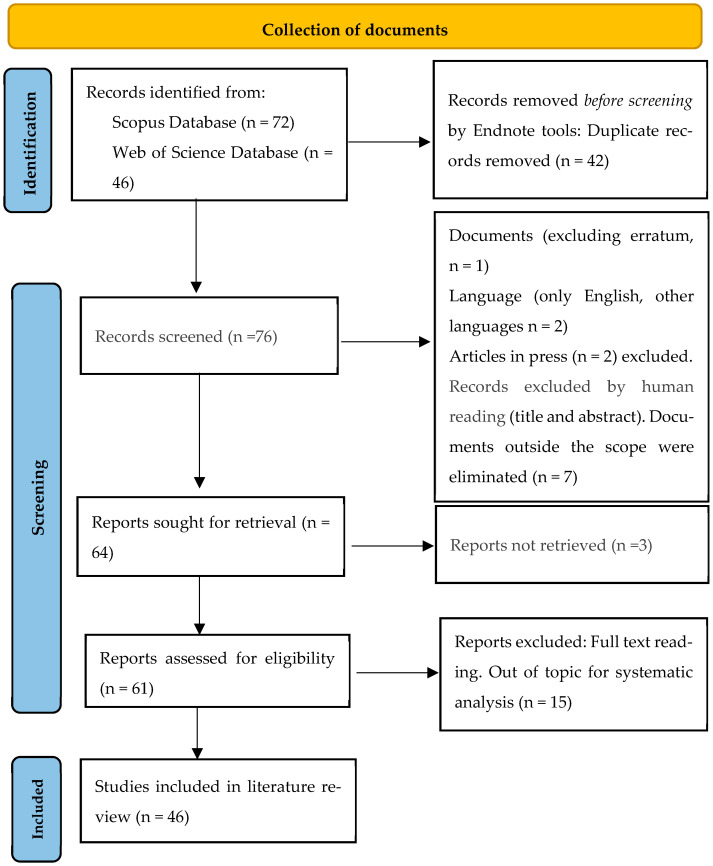 Figure 1
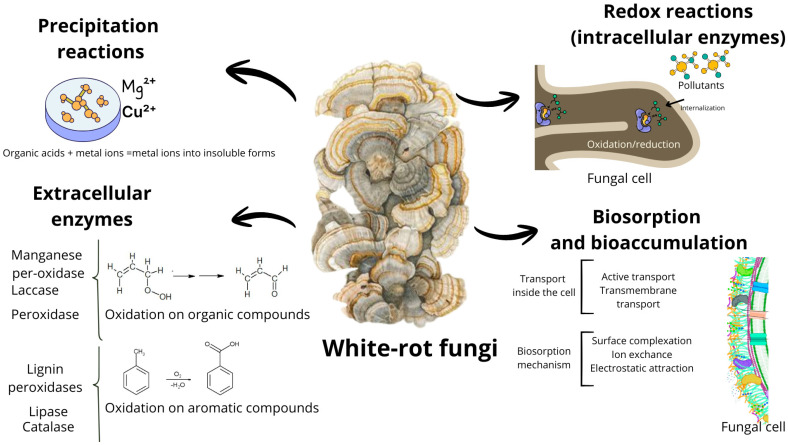 Figure 2
Peer Reviews
No public reviews on file for this paper yet. If you reviewed it on a platform where reviews are public (OpenReview, ICLR, NeurIPS, ICML), you can paste yours below so the community can read it here.
Videos
No videos yet. Explain this paper in a talk, walkthrough, or lecture? Add one.
Taxonomy
TopicsEnzyme-mediated dye degradation · Microbial Metabolism and Applications · Biochemical and biochemical processes