Impact of Dry Eye Disease and Lipid-Containing Artificial Tears on Keratometric Reproducibility and Intraocular Lens Calculation in Cataract Patients
Valentina Lacmanović Lončar, Danijel Mikulić, Vedrana Aljinović-Vučić, Zoran Vatavuk, Ivanka Petric Vicković

TL;DR
Dry eye disease affects the accuracy of eye measurements before cataract surgery, but using lipid-containing artificial tears can improve measurement stability.
Contribution
The study shows that treating dry eye disease with lipid-containing artificial tears improves keratometric reproducibility for intraocular lens calculations.
Findings
DED patients showed significant differences in corneal astigmatism between initial measurements.
Tear film therapy led to improved keratometric stability and predicted IOL power.
Repeated biometry after treatment is recommended for better surgical outcomes.
Abstract
Background and Objectives: Tear film instability and corneal surface irregularity are important sources of variability in keratometric and corneal topographic measurements, particularly affecting astigmatic magnitude and axis. Accurate preoperative biometry is crucial for optimal refractive outcomes in cataract surgery. Dry eye disease (DED) may compromise the reproducibility of keratometric parameters, leading to errors in intraocular lens (IOL) power calculation. This study aimed to evaluate the impact of DED on the reproducibility of keratometric measurements and to assess the effect of a four-week treatment with lipid-containing artificial tears on these parameters in cataract patients. Materials and Methods: This cross-sectional study included 116 patients scheduled for cataract surgery, of whom 65 (56.0%) had DED and 51 (44.0%) served as controls. All patients underwent two…
Genes, proteins, chemicals, diseases, species, mutations and cell lines named across the full text — each resolved to its canonical identifier and authoritative record.
Click any figure to enlarge with its caption.
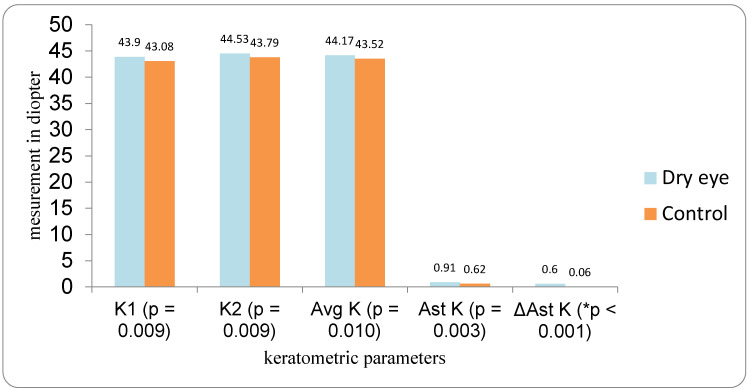 Figure 1
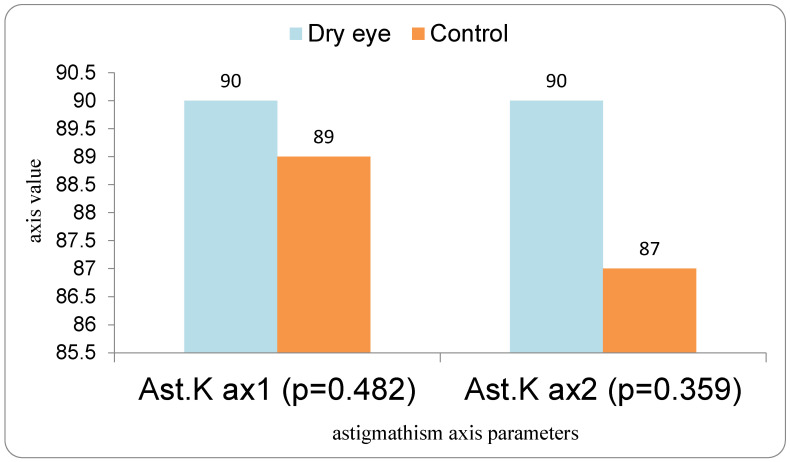 Figure 2
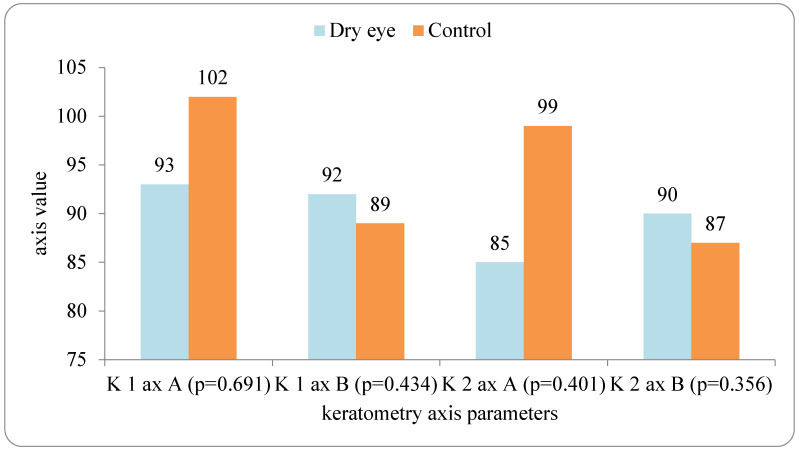 Figure 3
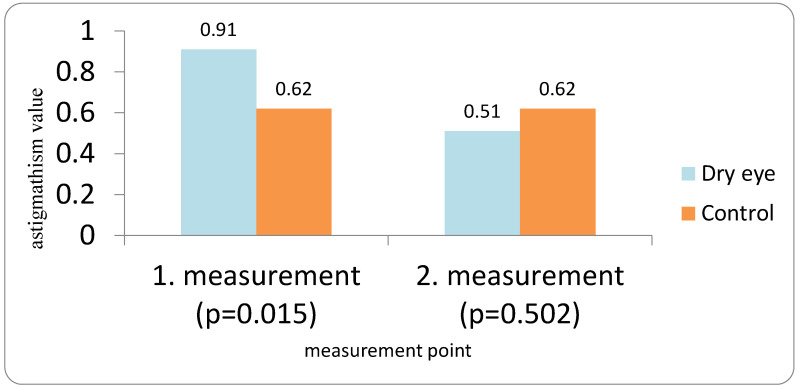 Figure 4
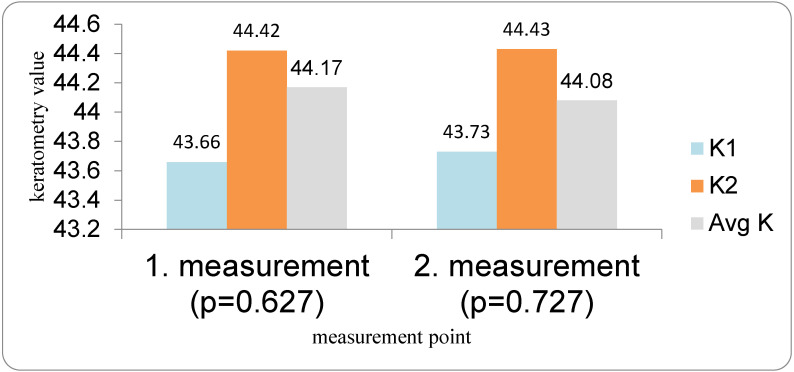 Figure 5
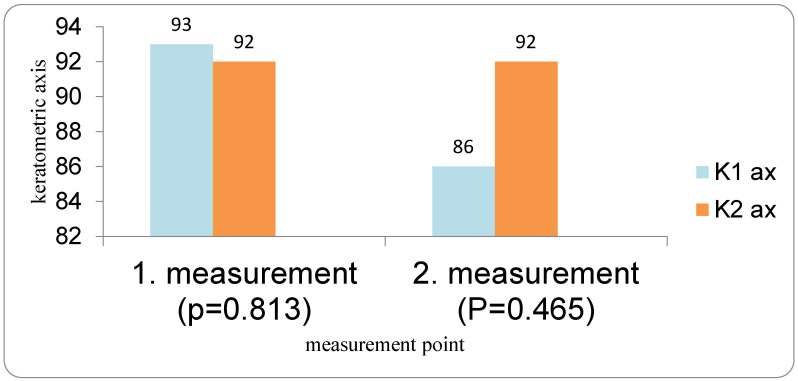 Figure 6
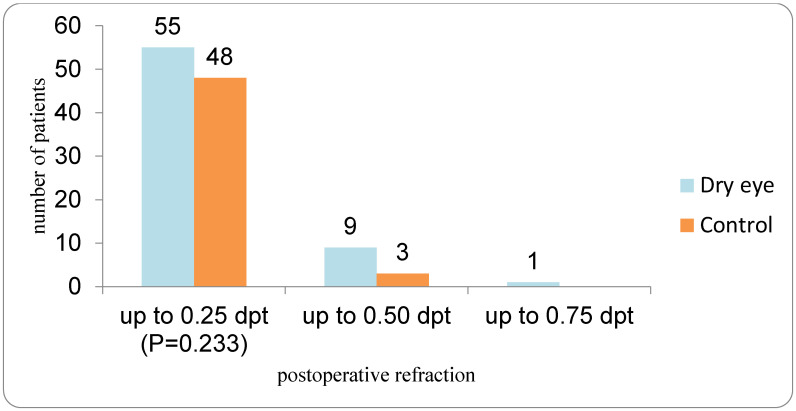 Figure 7
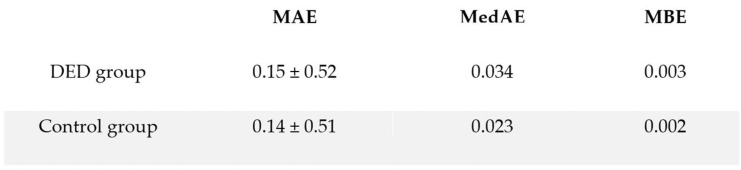 Figure 8
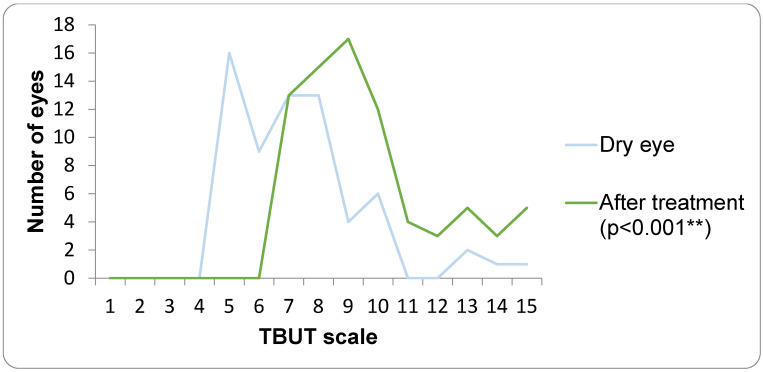 Figure 9
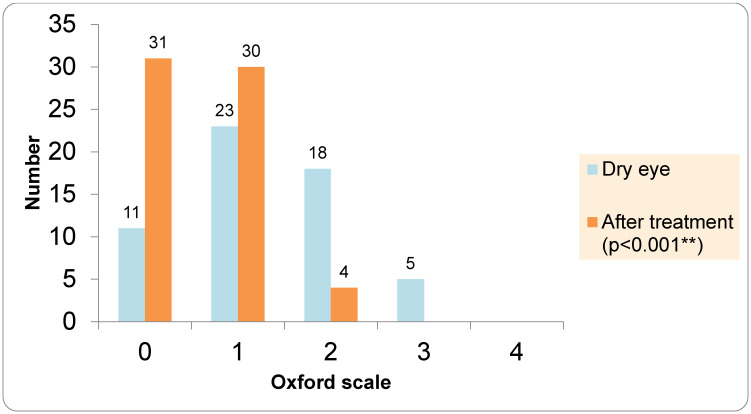 Figure 10
Peer Reviews
No public reviews on file for this paper yet. If you reviewed it on a platform where reviews are public (OpenReview, ICLR, NeurIPS, ICML), you can paste yours below so the community can read it here.
Videos
No videos yet. Explain this paper in a talk, walkthrough, or lecture? Add one.
Taxonomy
TopicsOcular Surface and Contact Lens · Corneal surgery and disorders · Ocular Infections and Treatments