Salinity Effect in Seawater Thermoelastohydrodynamic Lubrication of Double Spiral Groove Face Seals
Shaoxian Bai, Demin Yang, Jing Yang

TL;DR
This paper studies how seawater salinity affects the performance of face seals used in deep-sea equipment, showing that double spiral grooves can enable zero-leakage designs even under high pressure.
Contribution
The study introduces a TEHL model for double spiral groove face seals that incorporates salinity and cavitation effects for deep-sea applications.
Findings
Salinity increases opening force by about 5% and causes leakage to shift direction with ±100% variation.
Double spiral grooves allow for zero-leakage designs in seawater face seals under pressures exceeding 4 MPa.
The seal design shows excellent adaptability to varying pressure, speed, and temperature conditions.
Abstract
A rise in seawater salinity results in an increase in its viscosity, which presents a coupled influence on the distribution of fluid pressure, temperature and deformation at the sealing face, leading to fluctuations in sealing performance and forming the salinity effect in seawater thermoelastohydrodynamic lubrication (TEHL). Here, for a double spiral groove face seal, a TEHL model is established and numerical analysis is carried out, taking account of the salinity effect and cavitation effect, with the aim to ensure that the seal maintains stable performance under varying conditions of sea depth and speed. It is found that the effect of salinity on the opening force and leakage rate exhibits obvious nonlinear variations. As salinity rises from 0 to the standard 35 g/kg, the opening force changes by about 5%, and there is a transition between forward and reverse leakage, with variations…
Click any figure to enlarge with its caption.
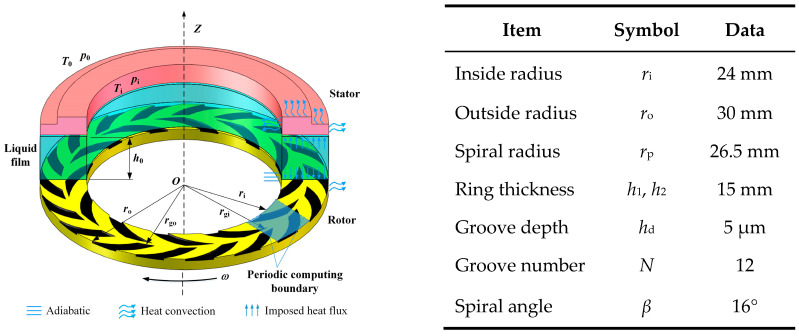 Figure 1
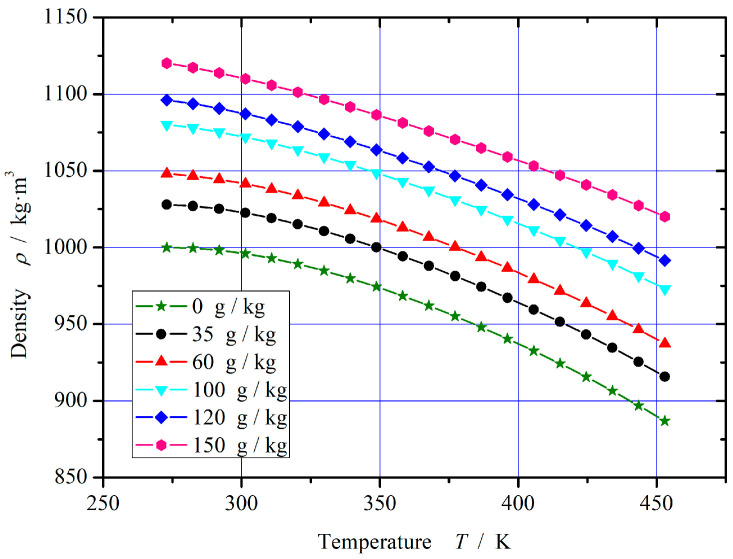 Figure 2
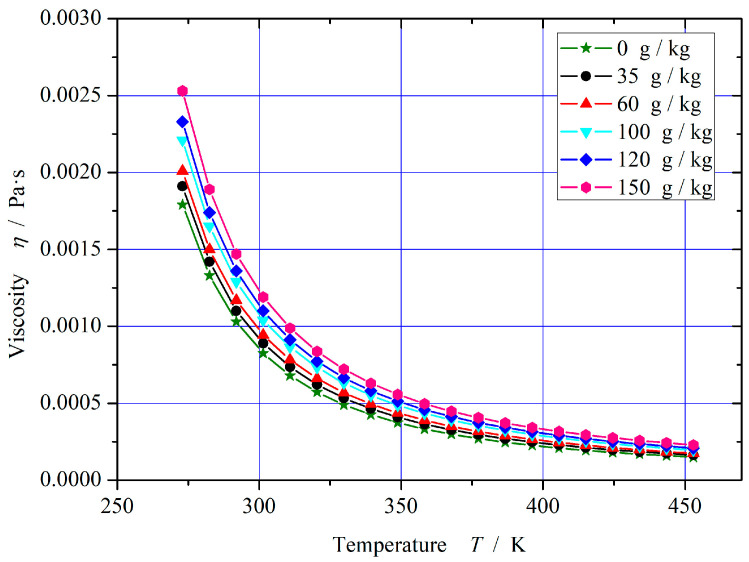 Figure 3
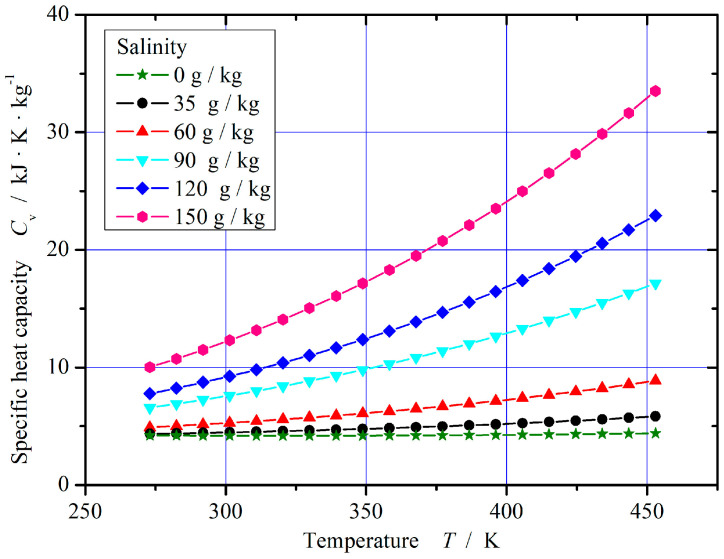 Figure 4
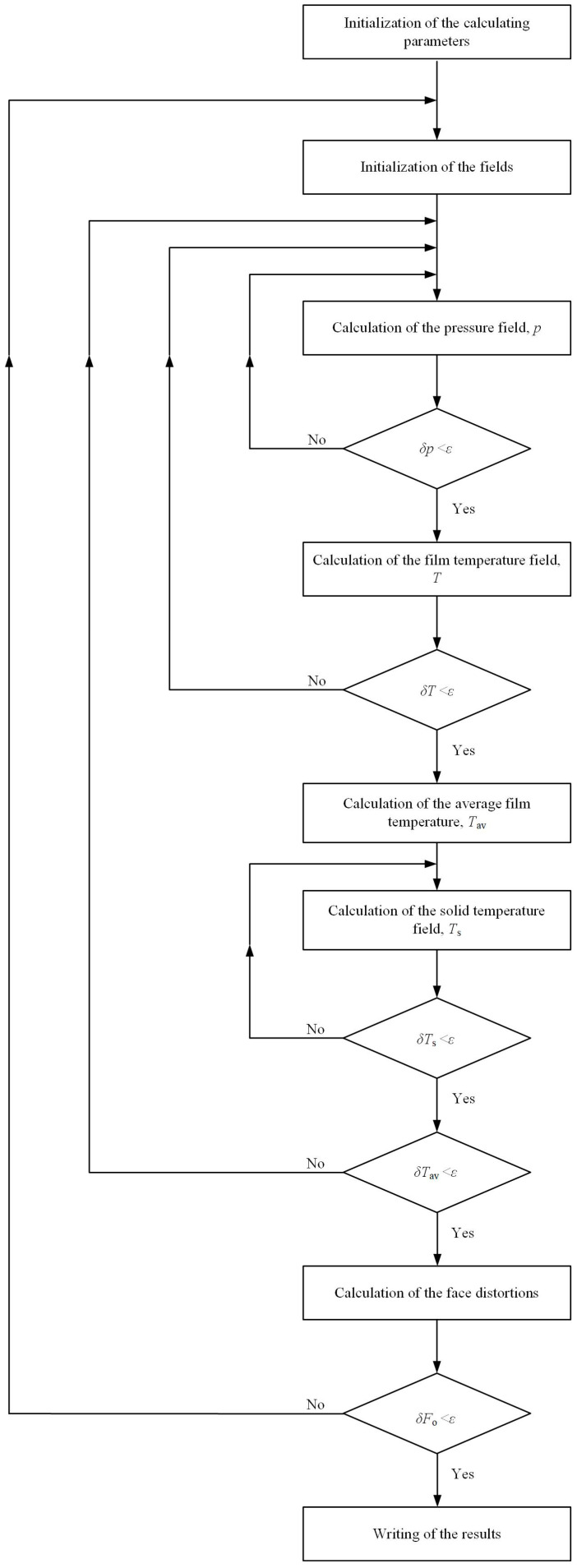 Figure 5
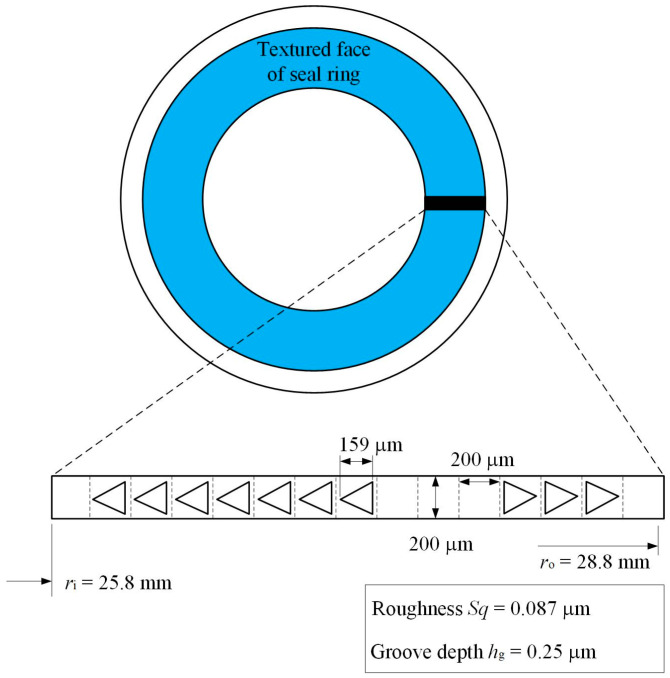 Figure 6
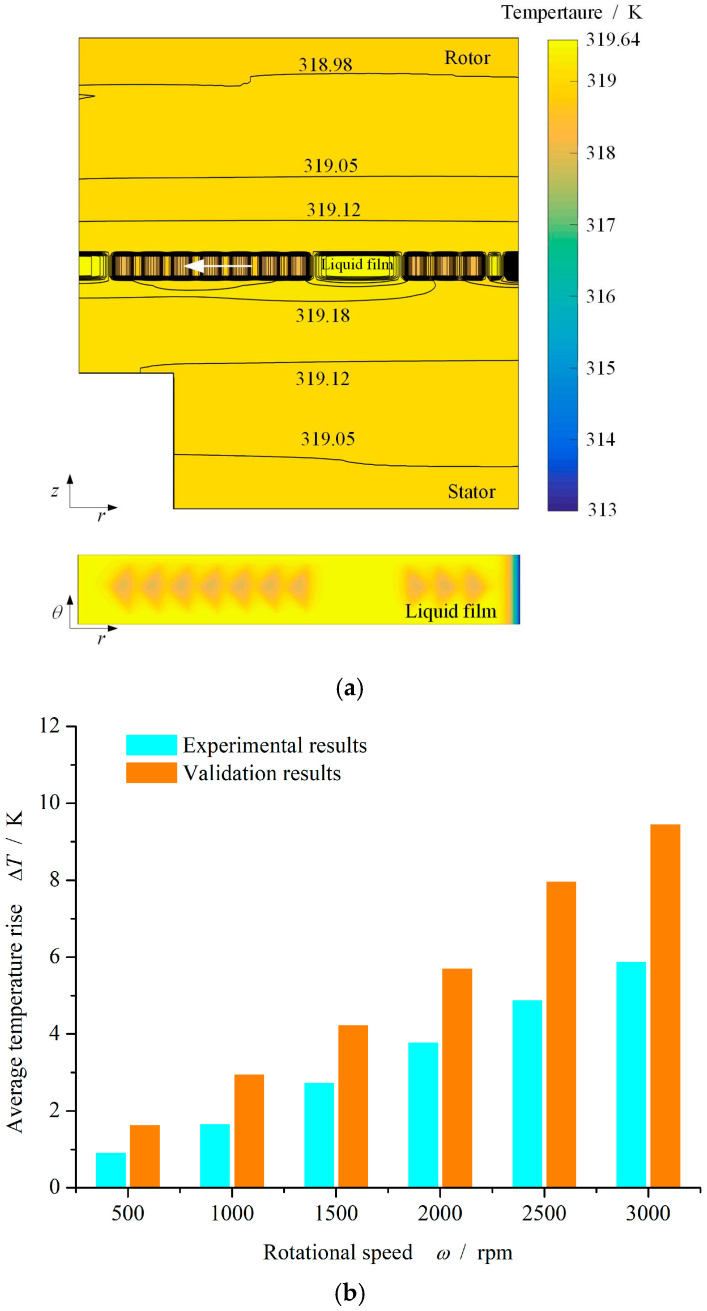 Figure 7
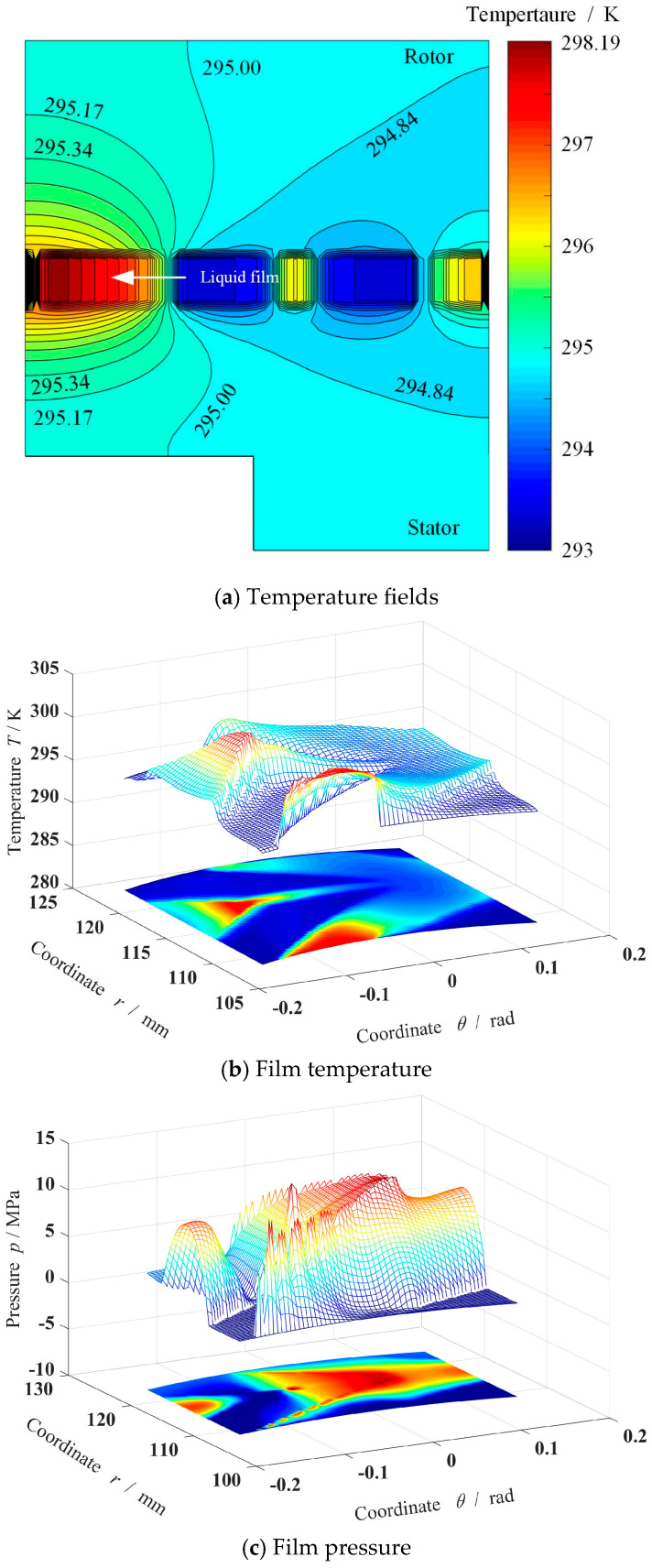 Figure 8
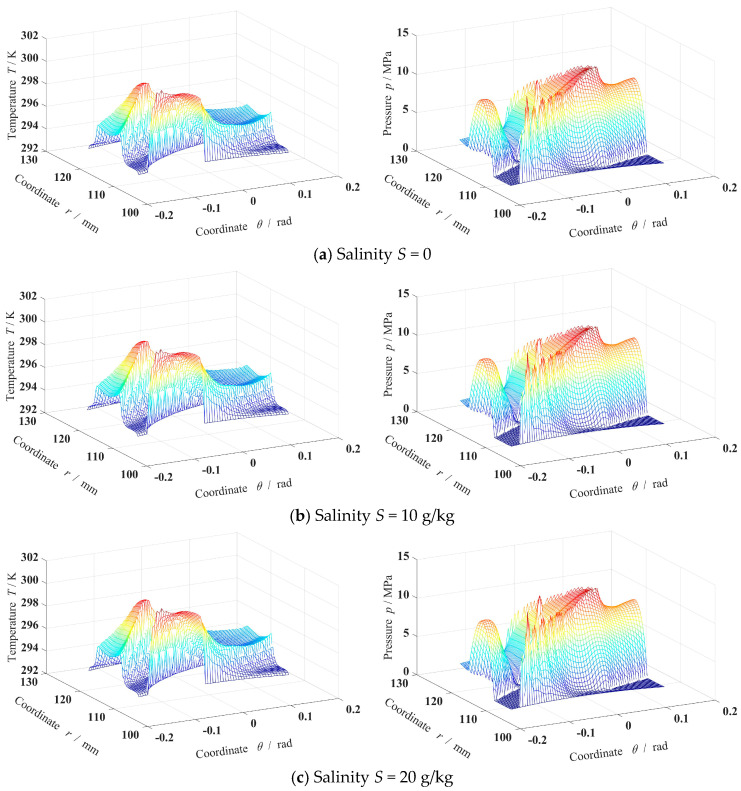 Figure 9
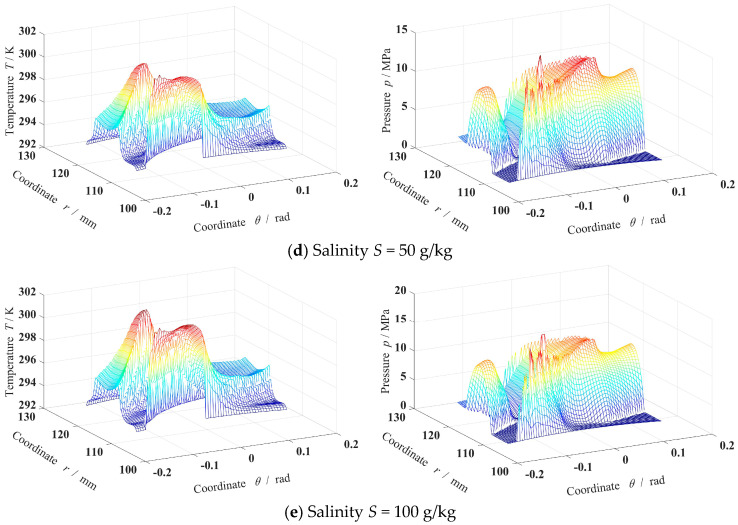 Figure 10
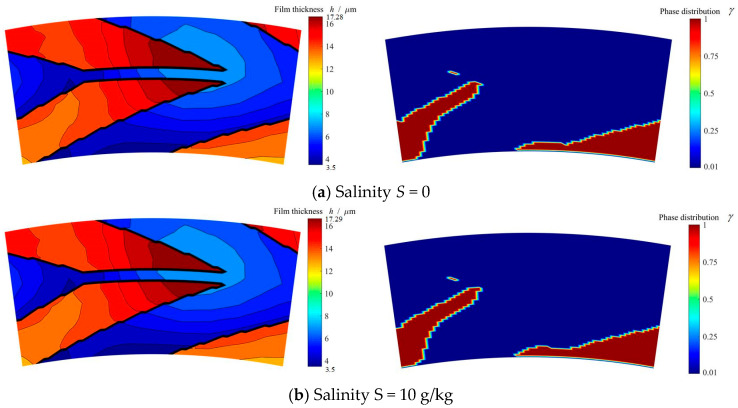 Figure 11
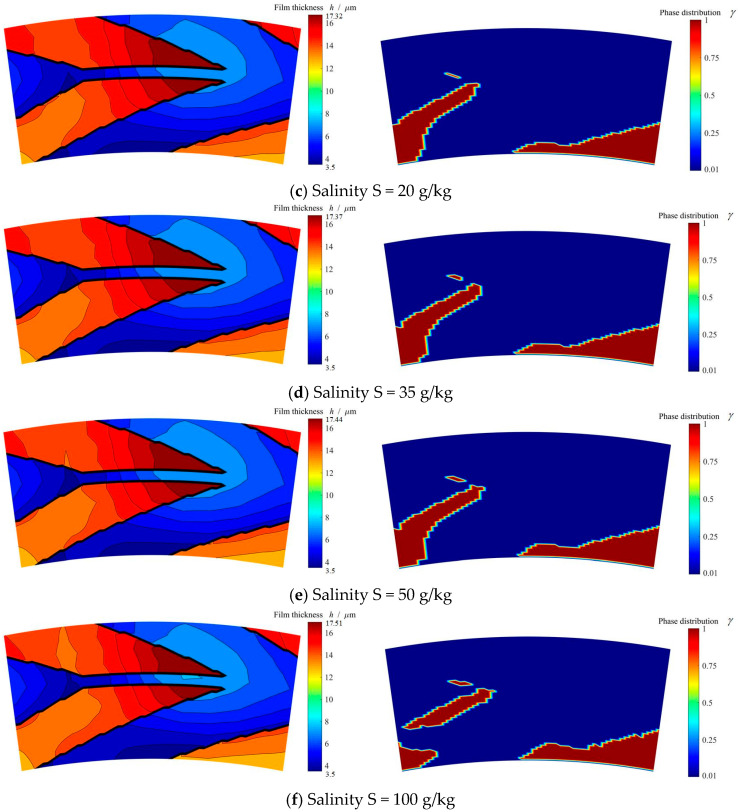 Figure 12
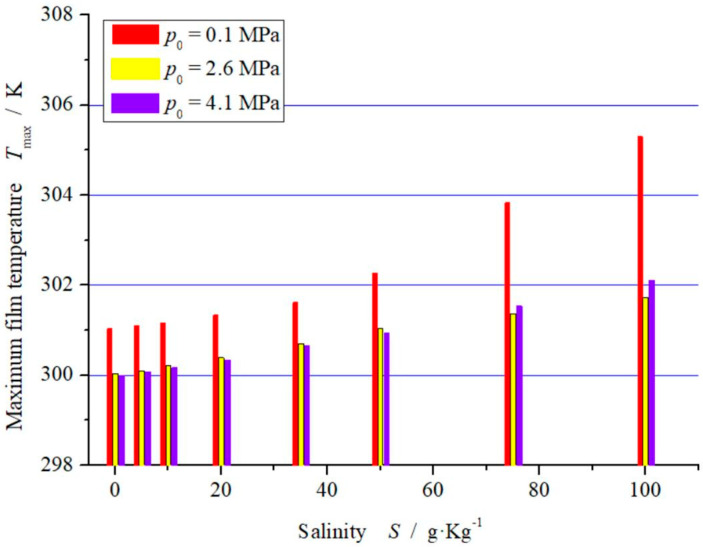 Figure 13
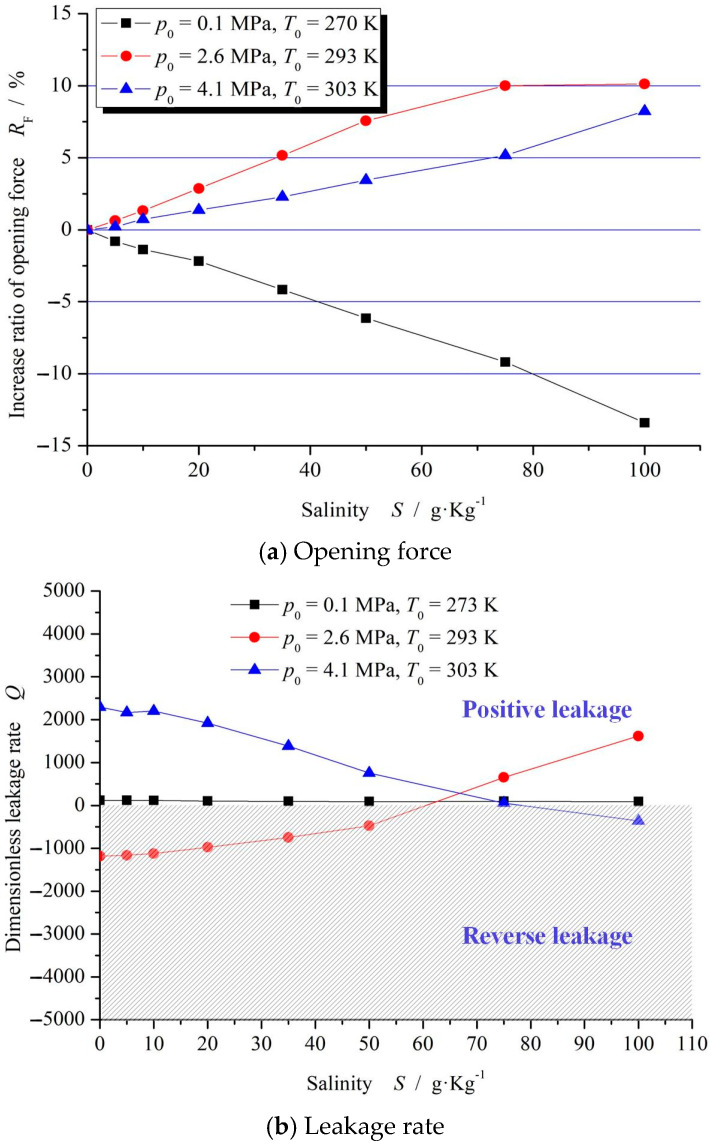 Figure 14
 Figure 15
 Figure 16
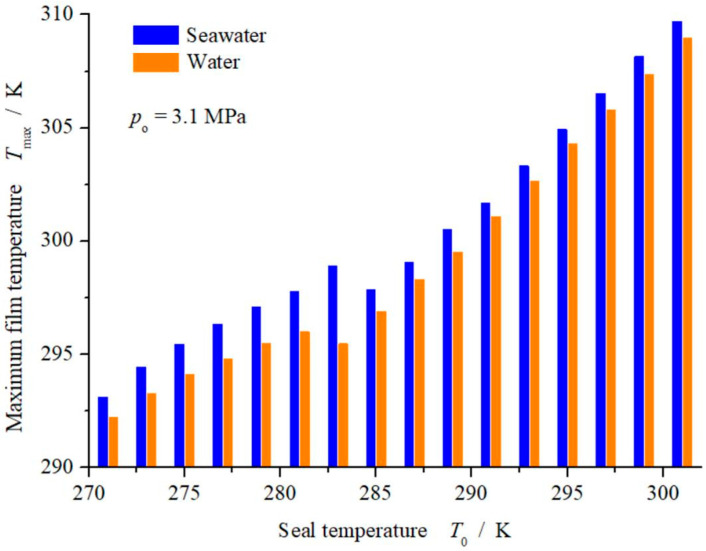 Figure 17
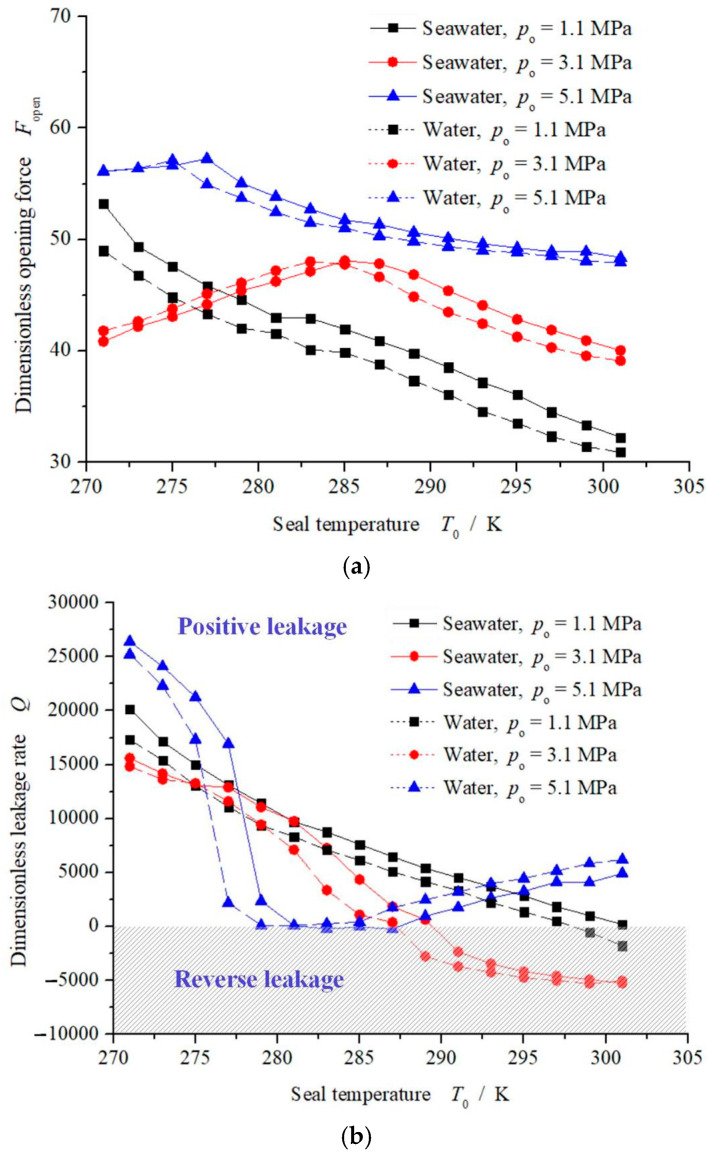 Figure 18
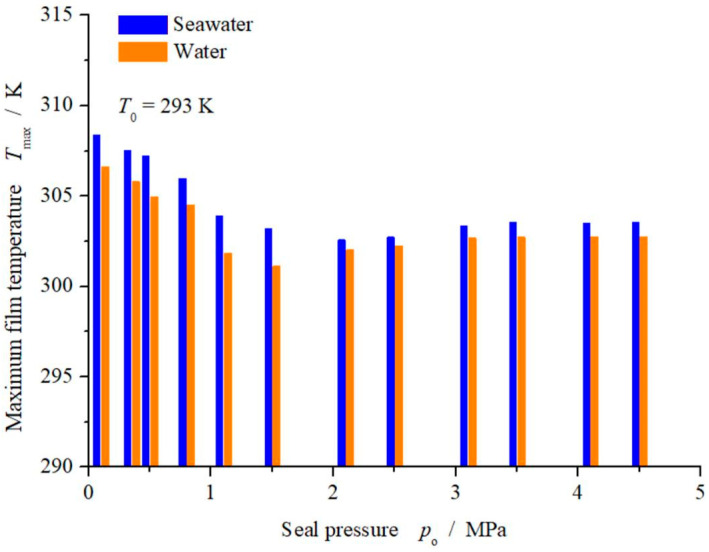 Figure 19
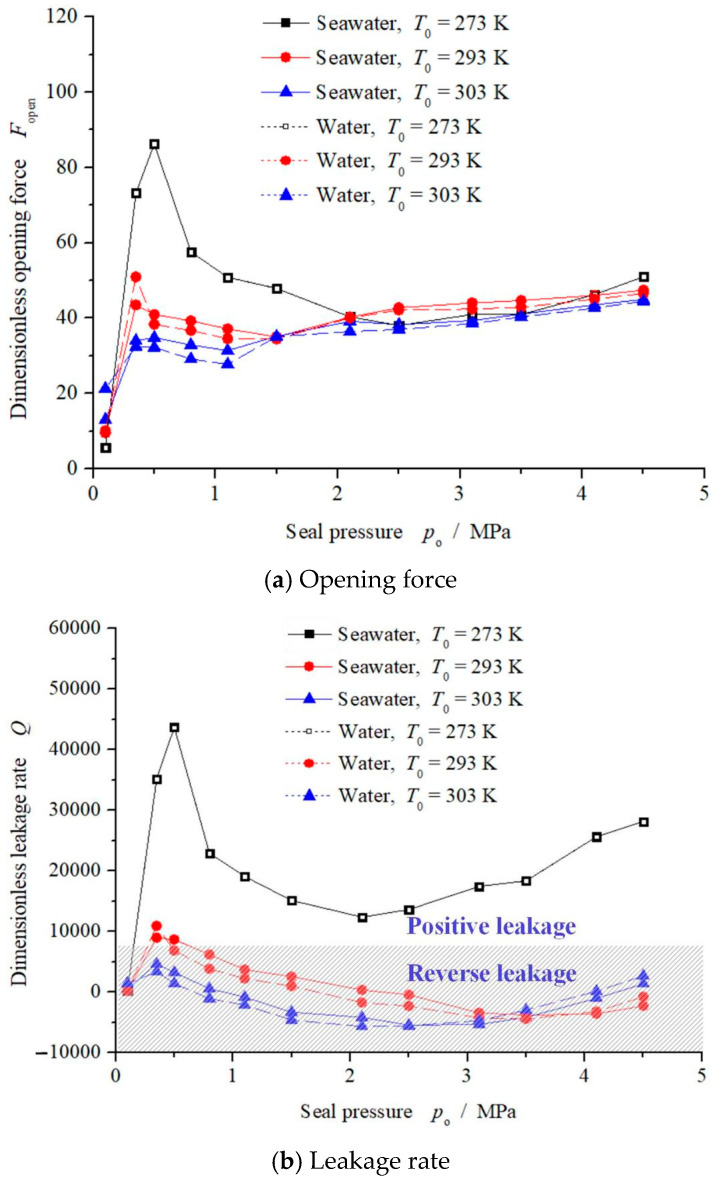 Figure 20
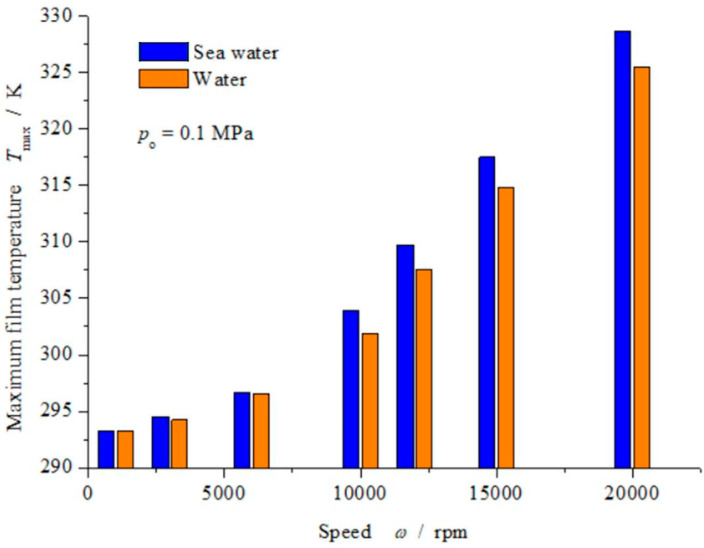 Figure 21
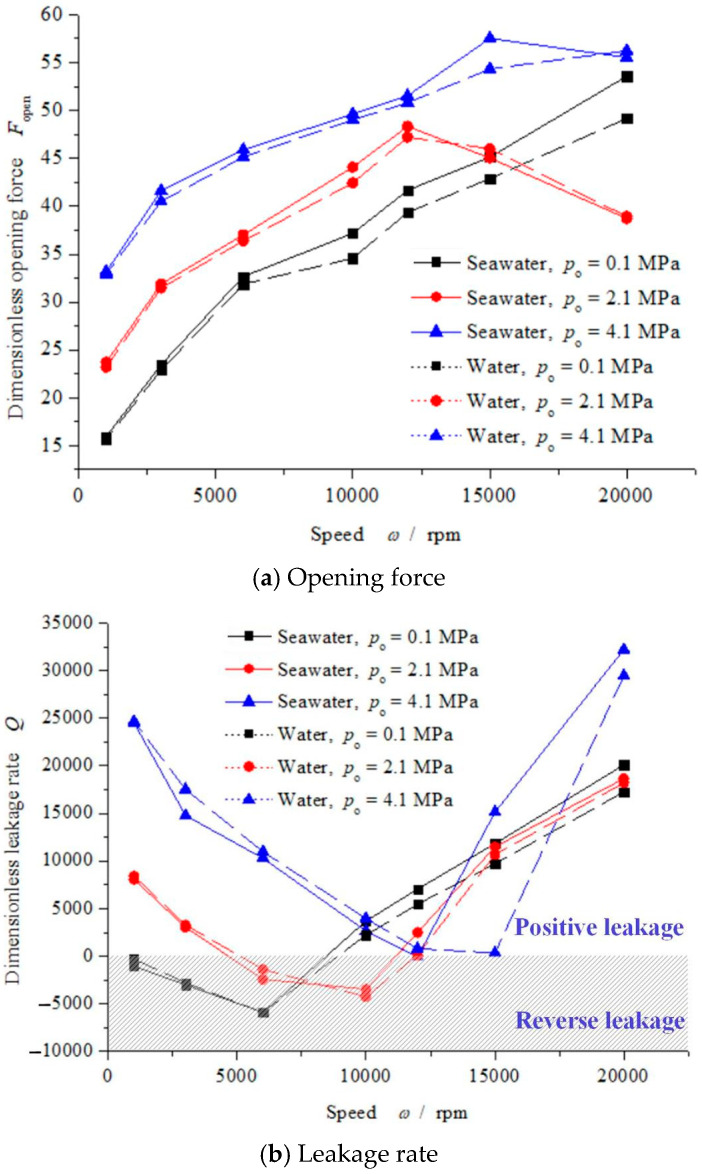 Figure 22
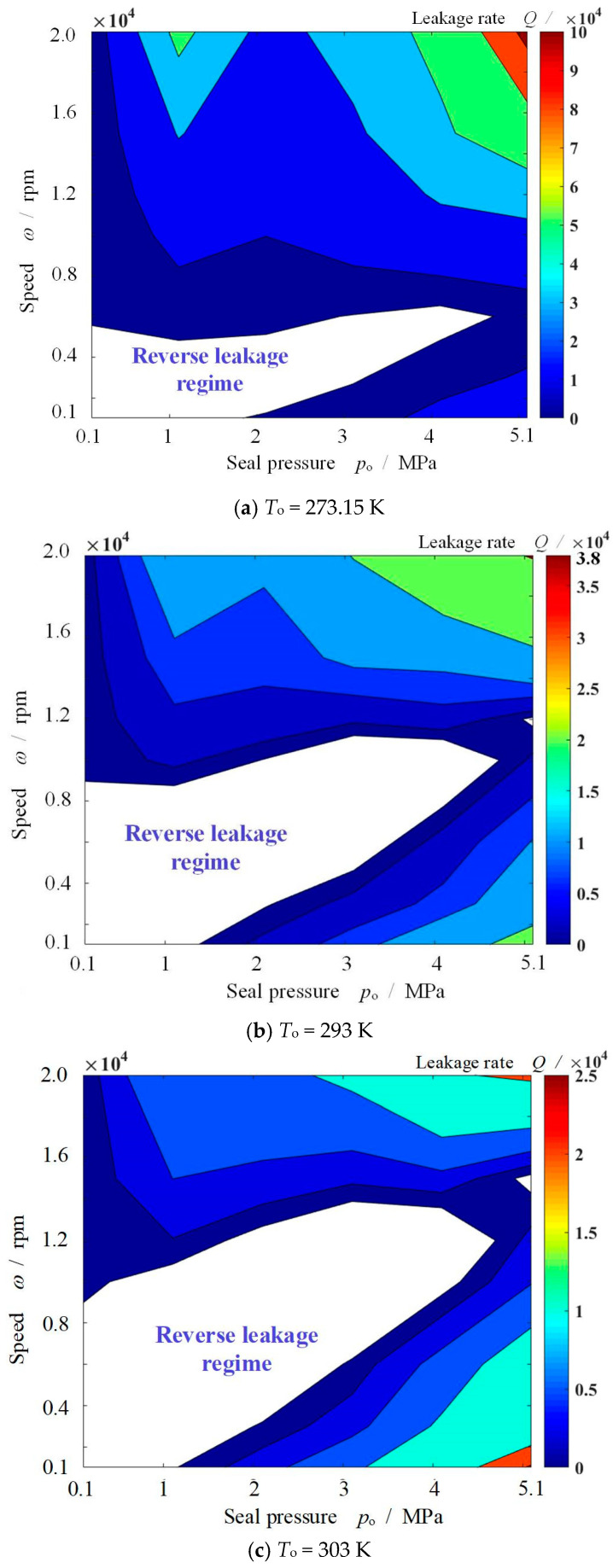 Figure 23
Peer Reviews
No public reviews on file for this paper yet. If you reviewed it on a platform where reviews are public (OpenReview, ICLR, NeurIPS, ICML), you can paste yours below so the community can read it here.
Videos
No videos yet. Explain this paper in a talk, walkthrough, or lecture? Add one.
Taxonomy
TopicsTribology and Lubrication Engineering · Elasticity and Material Modeling · Fluid Dynamics Simulations and Interactions