Polymer Prolate Spheroids, Ellipsoids, and Their Assemblies at Interfaces—Current Status and Perspectives
Damian Mickiewicz, Mariusz Gadzinowski, Stanislaw Slomkowski, Teresa Basinska

TL;DR
This paper reviews methods for creating non-spherical polymer particles and their assembly at interfaces, highlighting their potential for tailored interactions.
Contribution
A critical overview of methods for producing polymer spheroids and their assemblies, emphasizing reproducibility and tailored functionality.
Findings
Non-spherical particles offer tailored environmental interactions compared to spherical ones.
Various methods like emulsification and electrohydrodynamic jetting are effective for spheroid production.
Self-organization at phase boundaries enables unique two- and three-dimensional particle assemblies.
Abstract
Most nanoparticles and microparticles used as carriers of bioactive compounds are spherical in shape. Such particles are the easiest to obtain, as many processes spontaneously minimize the surface energy of the objects produced. However, in recent years, scientists have turned their attention to non-spherical particles in the hope of obtaining particles that interact with their environment in a tailored manner. The production of such particles should be easy and reproducible. The best candidates are spheroids produced by various methods. The most often used is the linear transformation of spheres during processes that preserve constant particle volume. The typical process consists of stretching a polymer matrix filled with spherical particles. The article delivers a critical overview of methods, discussing their advantages and disadvantages. A list of presented methods also includes the…
Genes, proteins, chemicals, diseases, species, mutations and cell lines named across the full text — each resolved to its canonical identifier and authoritative record.
Click any figure to enlarge with its caption.
 Figure 1
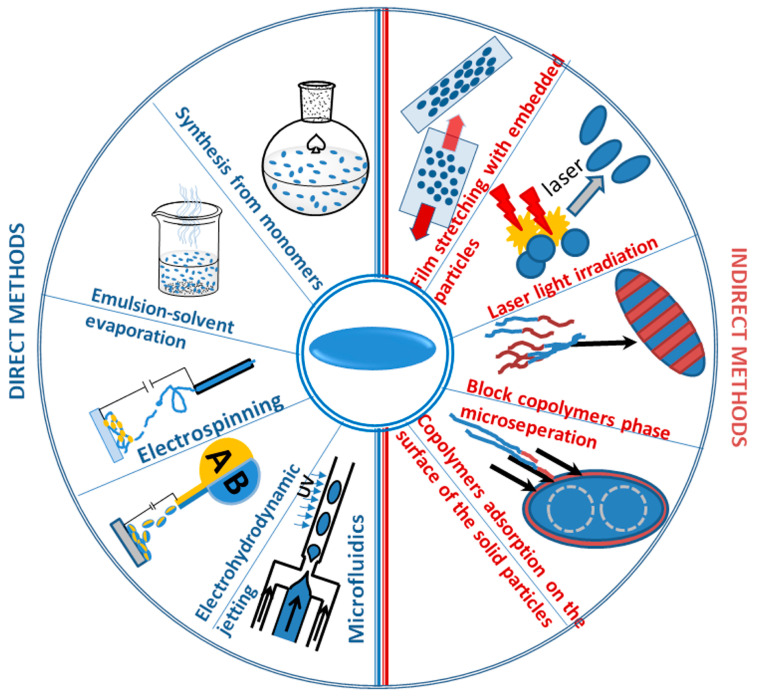 Figure 2
 Figure 3
 Figure 4
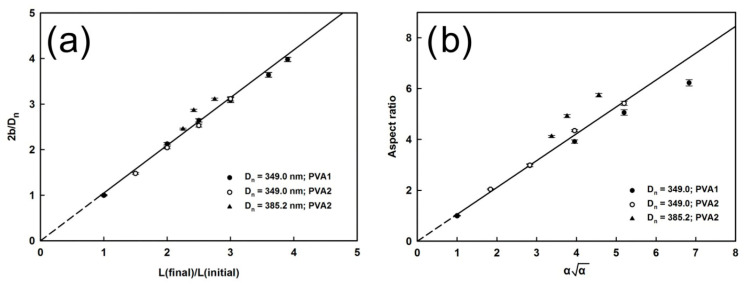 Figure 5
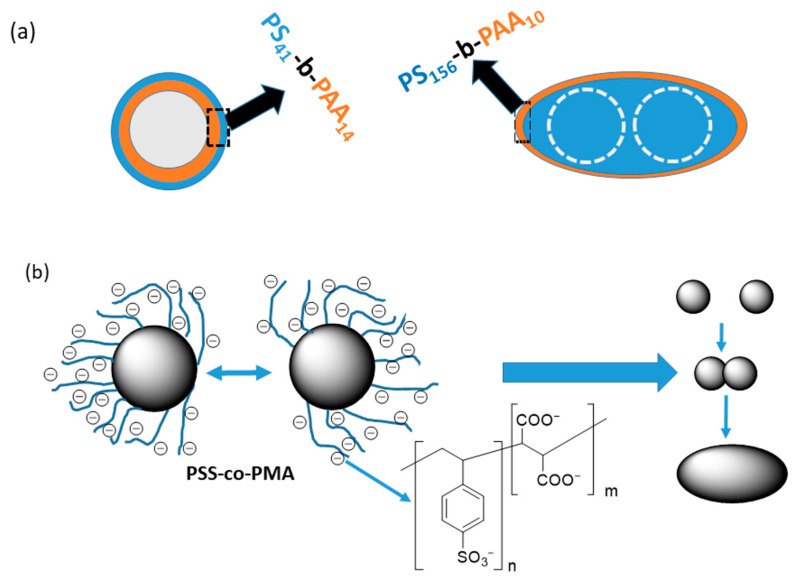 Figure 6
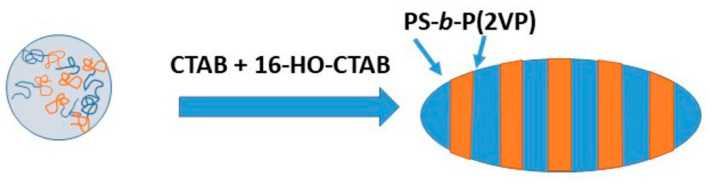 Figure 7
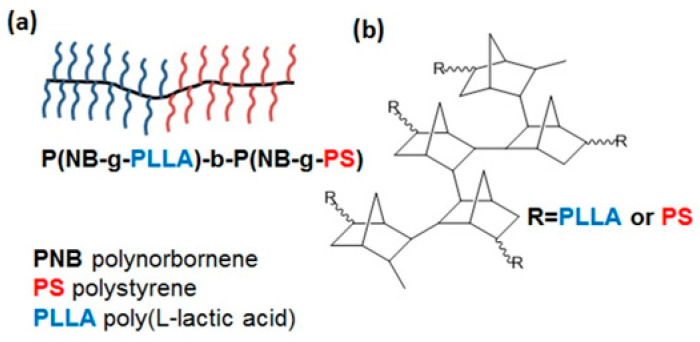 Figure 8
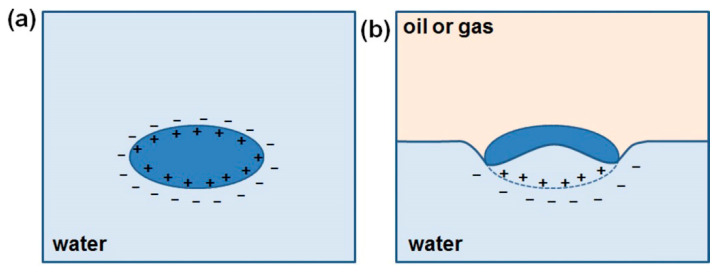 Figure 9
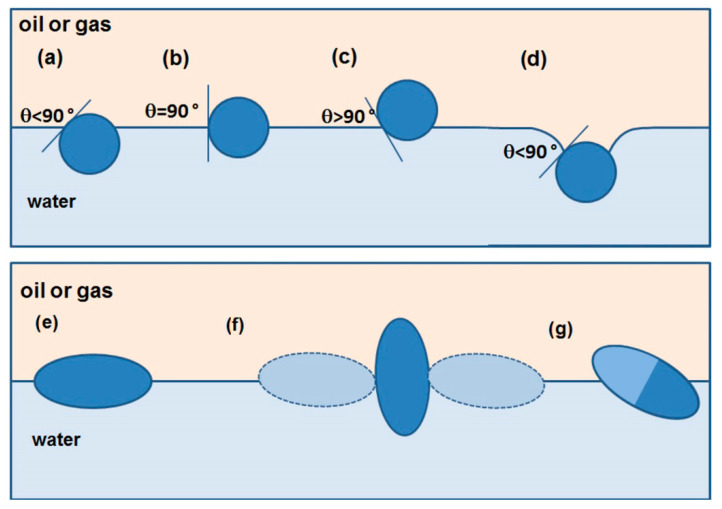 Figure 10
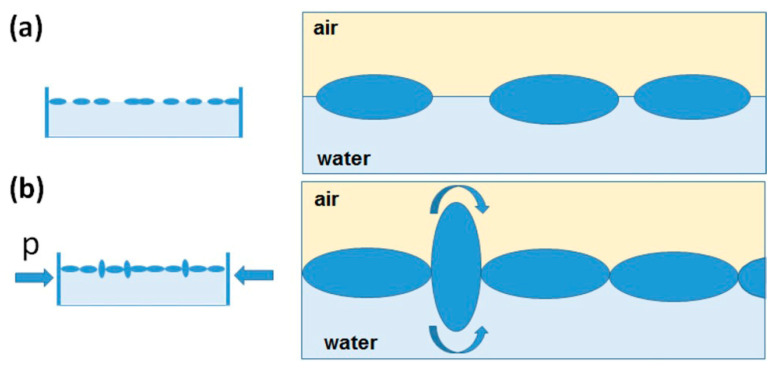 Figure 11
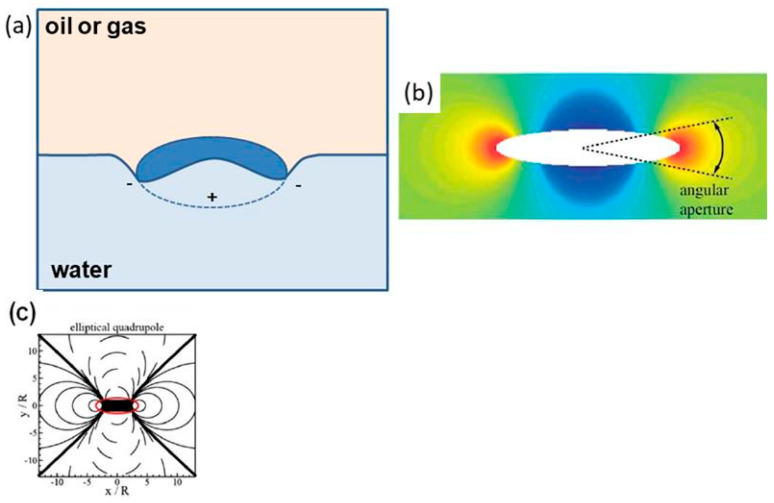 Figure 12
 Figure 13
 Figure 14
 Figure 15
 Figure 16
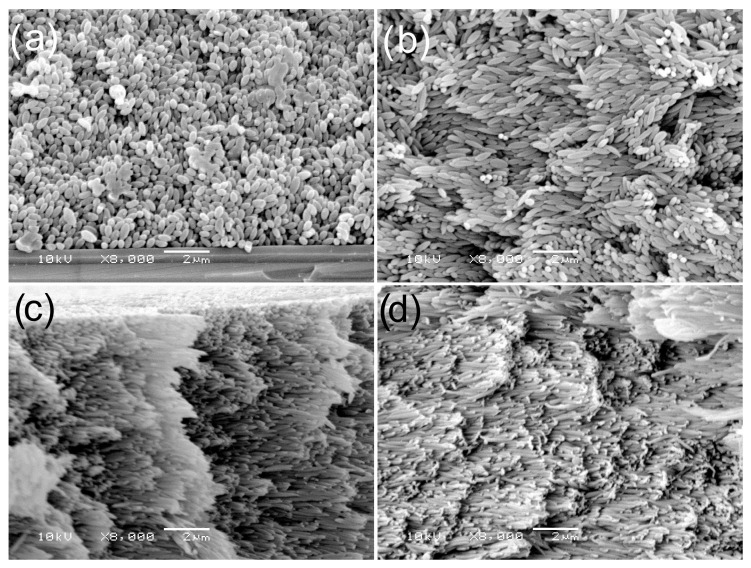 Figure 17
Peer Reviews
No public reviews on file for this paper yet. If you reviewed it on a platform where reviews are public (OpenReview, ICLR, NeurIPS, ICML), you can paste yours below so the community can read it here.
Videos
No videos yet. Explain this paper in a talk, walkthrough, or lecture? Add one.
Taxonomy
TopicsLiquid Crystal Research Advancements · Pickering emulsions and particle stabilization · Photonic Crystals and Applications