Phage Therapy: Application and Related Problems—A Review
Katharina Sippel, Branko Velimirov

TL;DR
This review explores phage therapy as a potential alternative to antibiotics, highlighting its promise and the challenges that hinder its widespread use.
Contribution
The paper provides a comprehensive evaluation of phage therapy's current status, focusing on safety, efficacy, and research gaps.
Findings
Clinical studies show phage therapy has a promising safety profile with fewer adverse events.
Some trials suggest efficacy of phage therapy even at lower phage titers.
Case reports highlight high success rates but note potential biases.
Abstract
Bacteriophages, viruses that target bacteria, offer a promising alternative to antibiotics in the face of escalating bacterial resistance. Despite their discovery over a century ago, their widespread adoption has been impeded by regulatory challenges, limited funding, and the dominance of antibiotics. This review evaluates the current status of phage therapy by examining a comprehensive literature search, applying predefined inclusion and exclusion criteria. The review assesses selected scientific reports and clinical studies for their safety and efficacy profiles. Our findings indicate that advancements in phage therapy involve critical steps such as rapid bacterial detection, effective isolation, production, purification of phage preparations, and understanding their interactions with the host. Clinical studies generally show promising safety profiles with fewer adverse events…
Click any figure to enlarge with its caption.
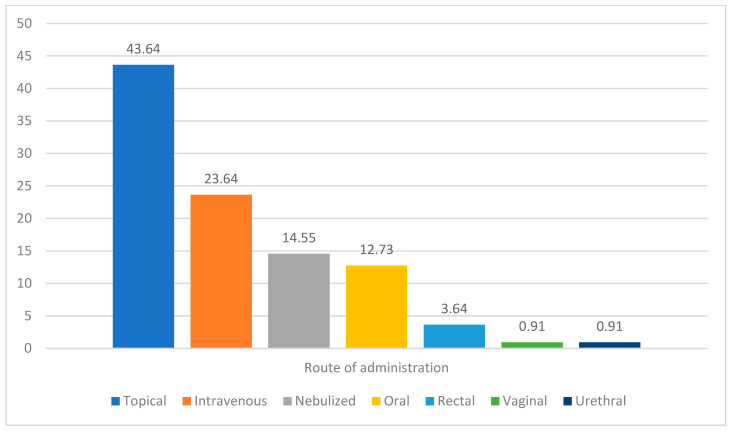 Figure 1
Peer Reviews
No public reviews on file for this paper yet. If you reviewed it on a platform where reviews are public (OpenReview, ICLR, NeurIPS, ICML), you can paste yours below so the community can read it here.
Videos
No videos yet. Explain this paper in a talk, walkthrough, or lecture? Add one.
Taxonomy
TopicsBacteriophages and microbial interactions · Monoclonal and Polyclonal Antibodies Research · Vibrio bacteria research studies