Surface Nanoengineering of Gold via Oxalic Acid Anodization: Morphology, Composition, Electronic Properties, and Corrosion Resistance in Artificial Saliva
Bożena Łosiewicz, Delfina Nowińska, Julian Kubisztal, Patrycja Osak

TL;DR
Oxalic acid anodization creates nanoporous gold surfaces with tunable properties, making them suitable for biomedical and dental applications.
Contribution
A simple oxalic acid anodization method is introduced to tailor nanoporous gold surfaces for biomedical use.
Findings
Oxalic acid anodization increases pore size, porosity, and layer thickness with higher acid concentration.
Nanoporous gold surfaces exhibit altered electronic properties and work function.
Anodization in 0.3 M oxalic acid provides optimal corrosion resistance and surface activity in artificial saliva.
Abstract
What are the main findings? Oxalic acid anodization enables controlled formation of nanoporous gold layers.Increasing acid concentration increases pore size, porosity, and layer thickness.Nanoporous gold shows altered electronic properties and work function. Oxalic acid anodization enables controlled formation of nanoporous gold layers. Increasing acid concentration increases pore size, porosity, and layer thickness. Nanoporous gold shows altered electronic properties and work function. What are the implications of the main findings? Moderate anodization (0.3 M oxalic acid) offers optimal structural uniformity.Electronic and corrosion properties are tunable via anodization conditions.Nanoporous gold is promising for dental and biomedical surface applications. Moderate anodization (0.3 M oxalic acid) offers optimal structural uniformity. Electronic and corrosion properties are…
Genes, proteins, chemicals, diseases, species, mutations and cell lines named across the full text — each resolved to its canonical identifier and authoritative record.
Click any figure to enlarge with its caption.
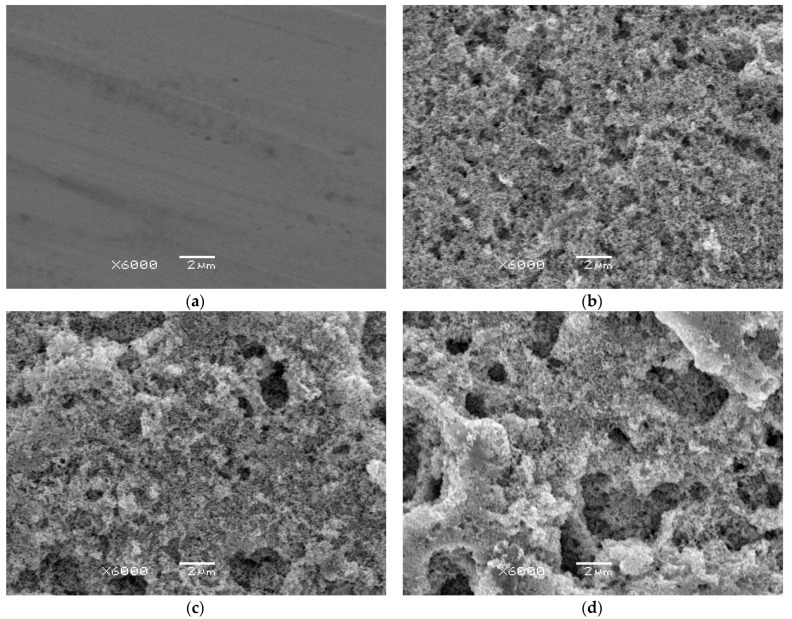 Figure 1
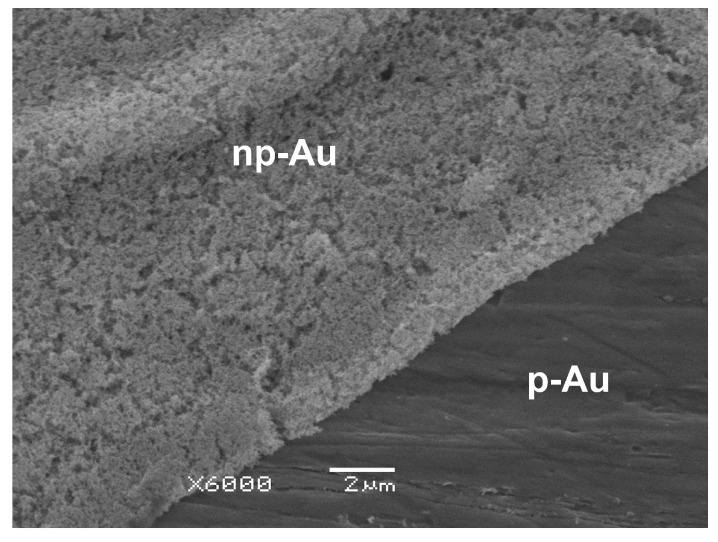 Figure 2
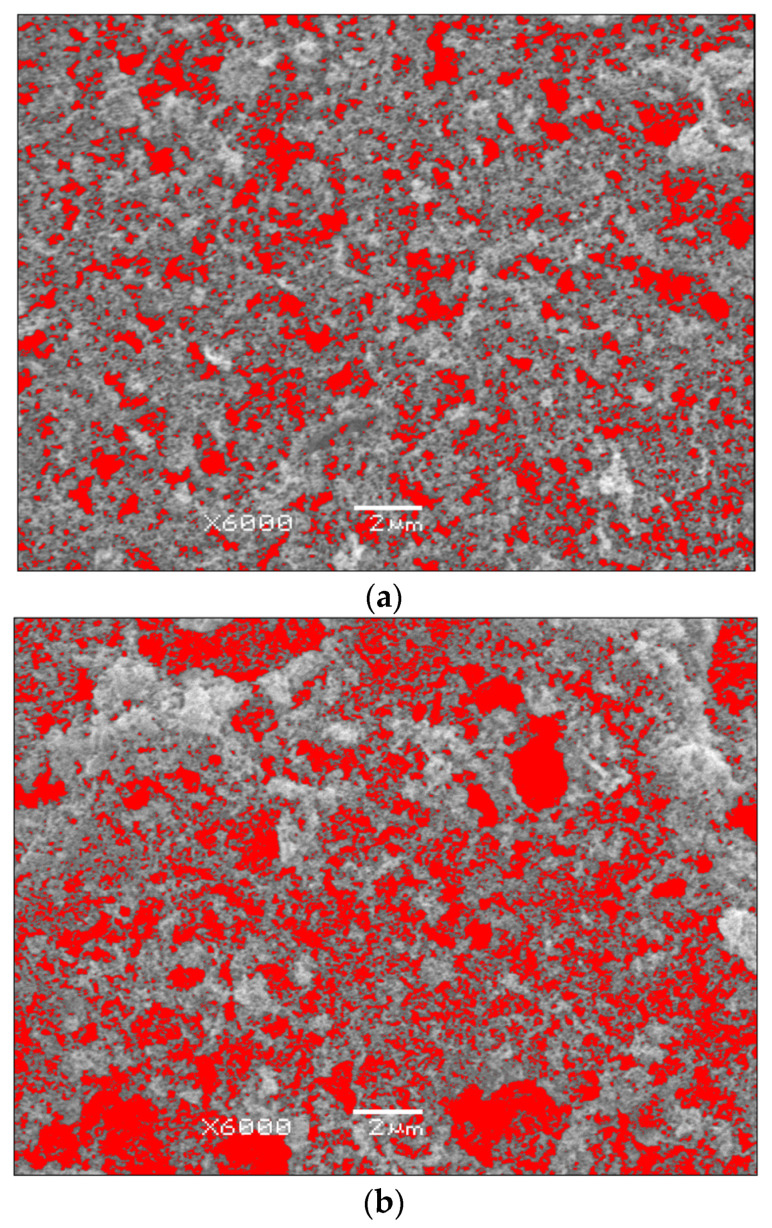 Figure 3
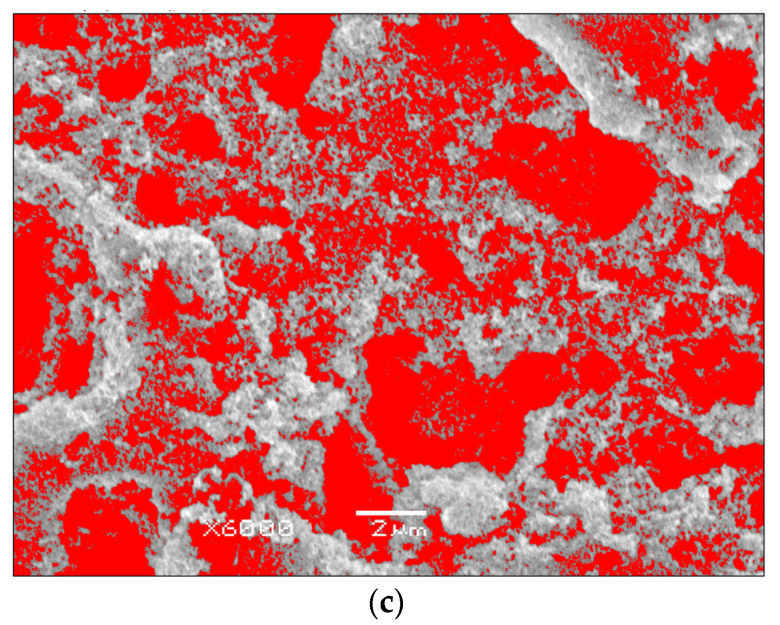 Figure 4
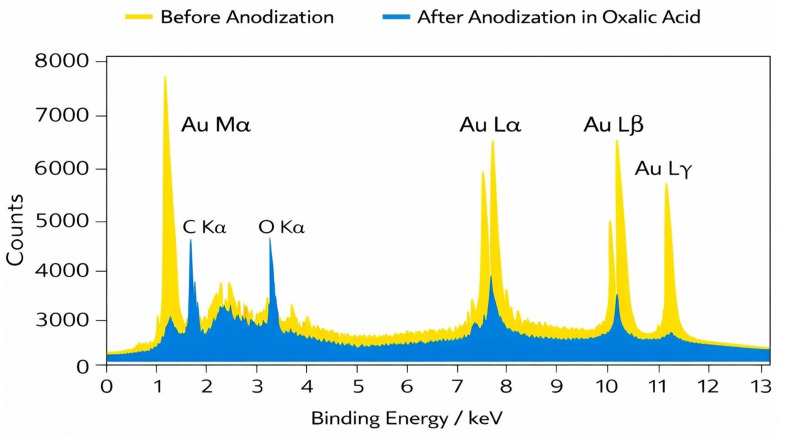 Figure 5
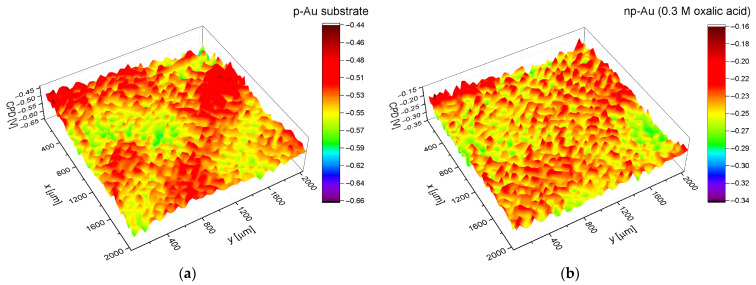 Figure 6
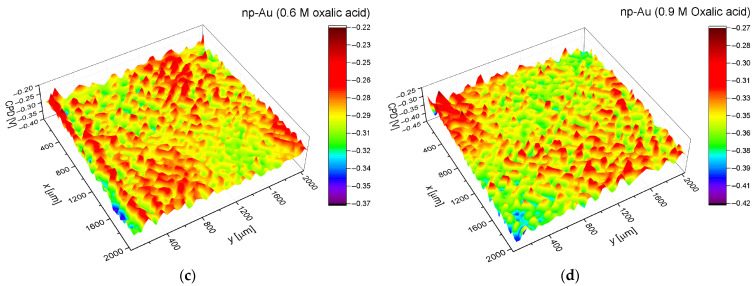 Figure 7
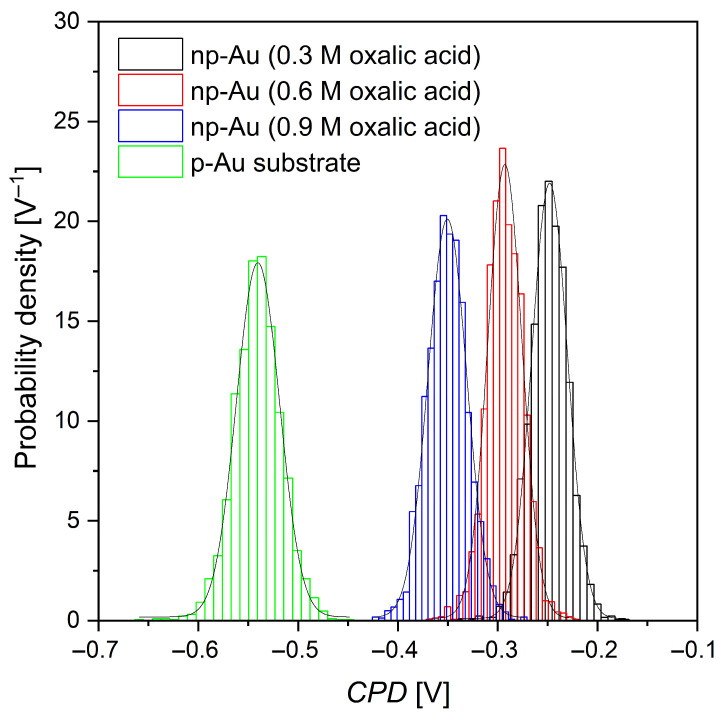 Figure 8
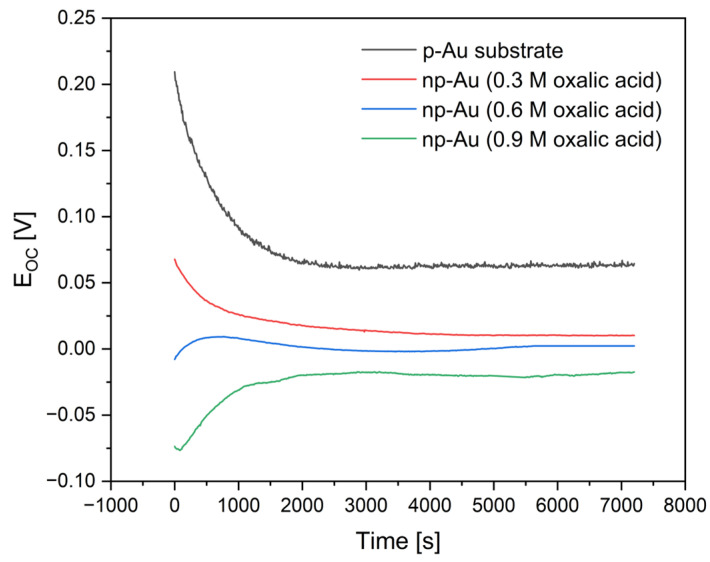 Figure 9
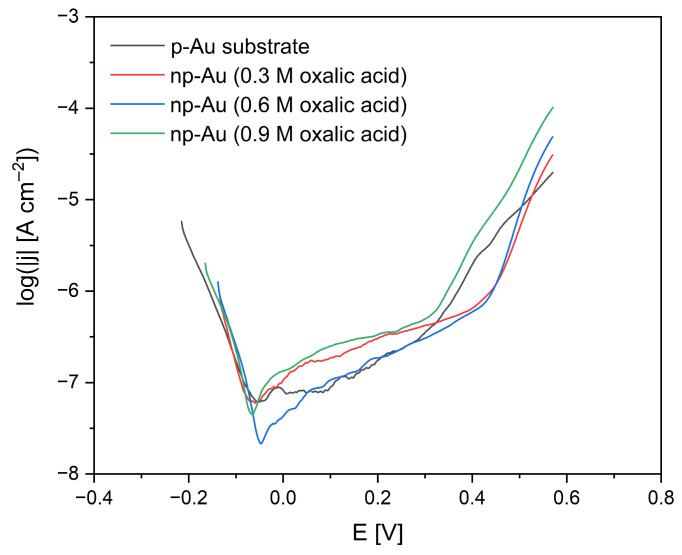 Figure 10
Peer Reviews
No public reviews on file for this paper yet. If you reviewed it on a platform where reviews are public (OpenReview, ICLR, NeurIPS, ICML), you can paste yours below so the community can read it here.
Videos
No videos yet. Explain this paper in a talk, walkthrough, or lecture? Add one.
Taxonomy
TopicsNanoporous metals and alloys · Anodic Oxide Films and Nanostructures · Laser-Ablation Synthesis of Nanoparticles