Current Insights into Sporothrix schenckii: From Basic Biology to Virulence Mechanisms
Manuela Gómez-Gaviria, Dario A. Baruch-Martínez, Nathália Faria Reis, Andréa Regina de Souza Baptista, Héctor M. Mora-Montes

TL;DR
This review summarizes the biology, virulence, and treatment of Sporothrix schenckii, a fungus causing sporotrichosis, highlighting its global medical importance.
Contribution
The paper provides an updated and comprehensive overview of S. schenckii's biology, virulence mechanisms, and clinical relevance.
Findings
S. schenckii produces melanin and uses thermotolerance to survive in hosts.
The fungus causes a range of infections, especially in immunocompromised individuals.
Treatment typically involves itraconazole, with amphotericin B for severe cases.
Abstract
Sporothrix schenckii is a thermodimorphic fungus and one of the main etiological agents of sporotrichosis, a globally distributed subcutaneous mycosis that primarily affects the skin, subcutaneous tissue, and lymphatic system. Historically regarded as the classical species within the Sporothrix pathogenic clade, S. schenckii remains a clinically relevant pathogen and an important biological model for studying fungal dimorphism, virulence, and host–pathogen interactions. Major virulence factors include melanin production, thermotolerance, hydrolytic enzymes, and adhesins, all of which contribute to its survival and dissemination within the host. Clinically, S. schenckii causes a broad spectrum of manifestations ranging from fixed and lymphocutaneous cutaneous forms to disseminated and extracutaneous infections, particularly in immunocompromised individuals. This species exhibits a…
Genes, proteins, chemicals, diseases, species, mutations and cell lines named across the full text — each resolved to its canonical identifier and authoritative record.
Click any figure to enlarge with its caption.
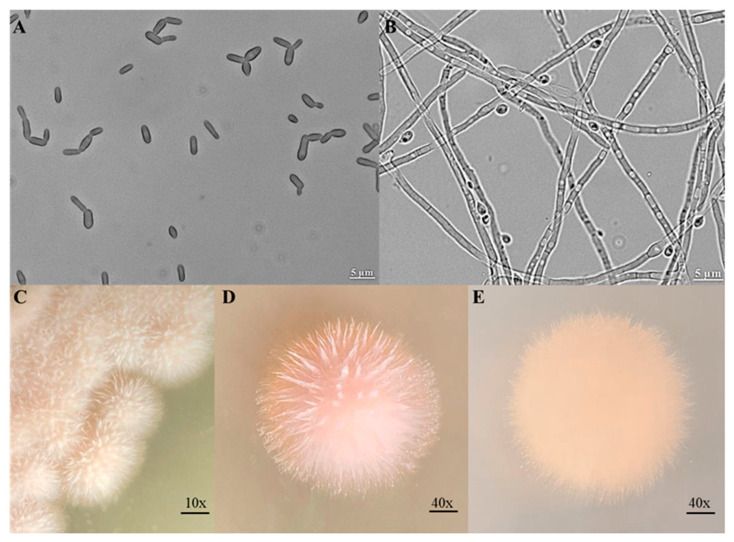 Figure 1
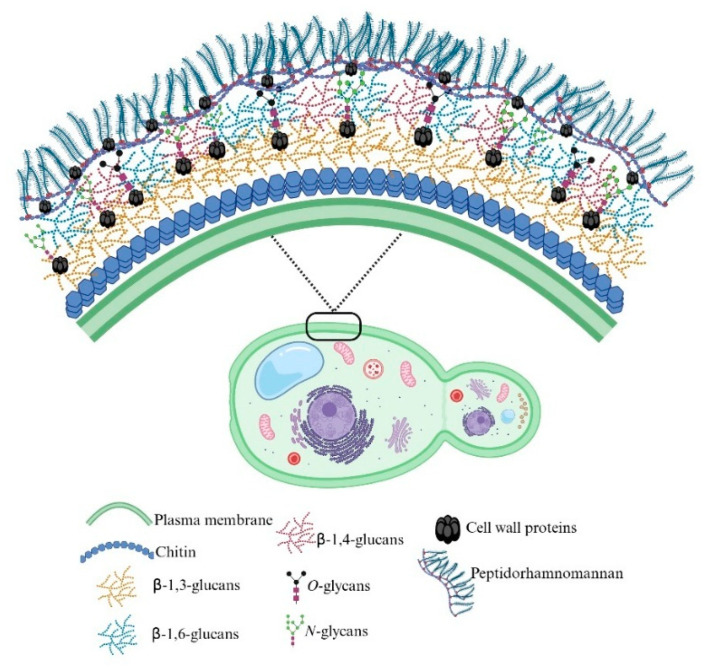 Figure 2
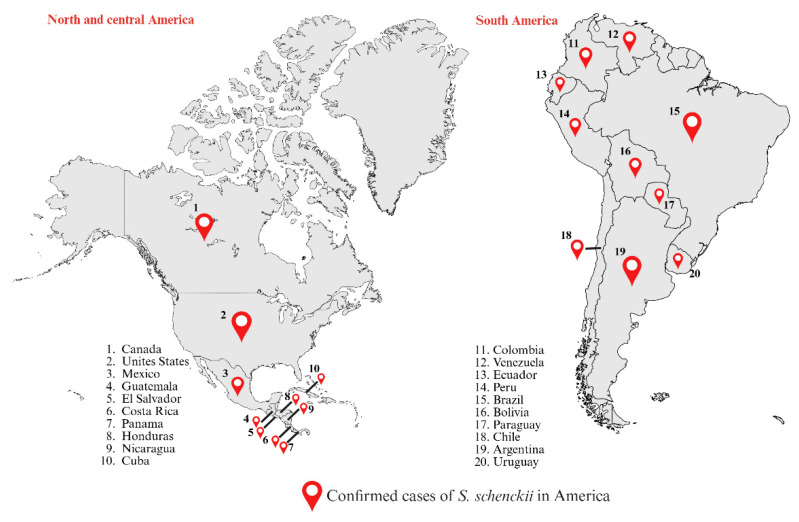 Figure 3
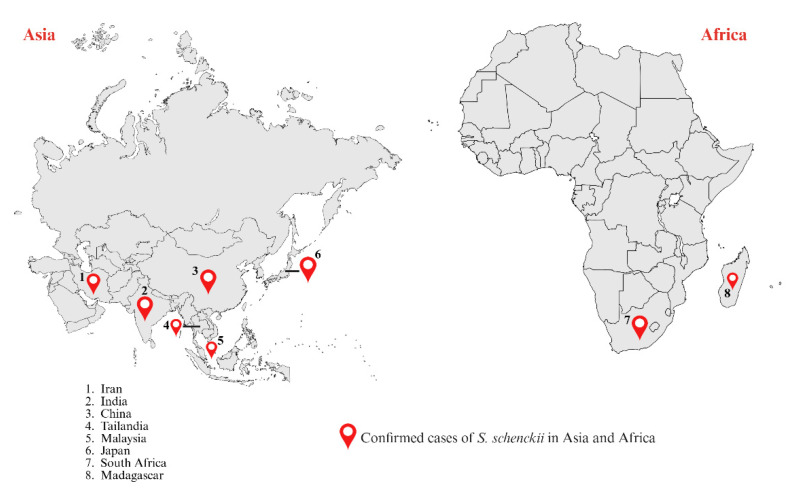 Figure 4
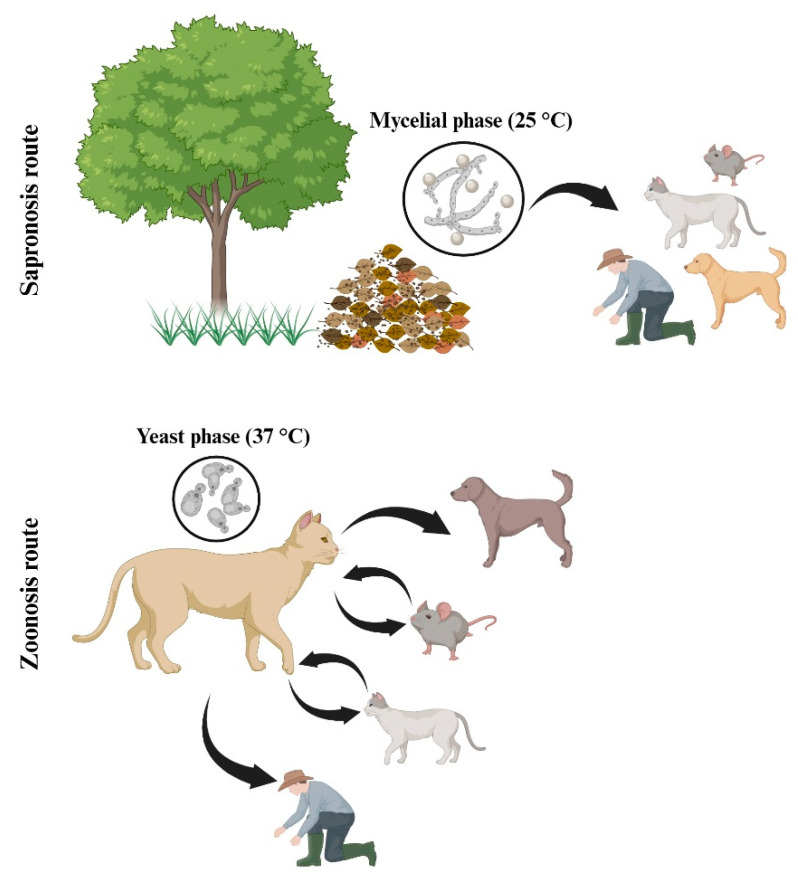 Figure 5
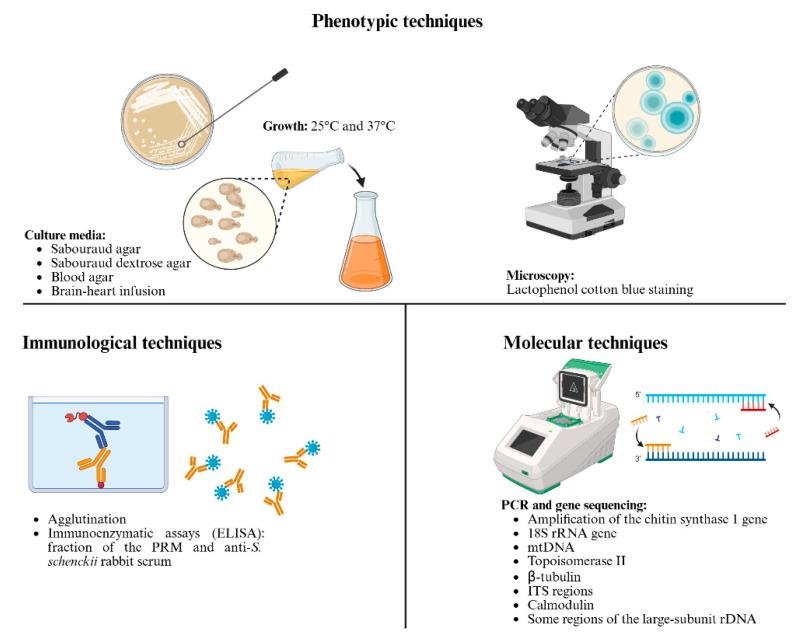 Figure 6
Peer Reviews
No public reviews on file for this paper yet. If you reviewed it on a platform where reviews are public (OpenReview, ICLR, NeurIPS, ICML), you can paste yours below so the community can read it here.
Videos
No videos yet. Explain this paper in a talk, walkthrough, or lecture? Add one.
Taxonomy
TopicsFungal Infections and Studies · Nail Diseases and Treatments · Antifungal resistance and susceptibility